Beauty, craftsmanship, style, for the very wealthy.
Opulence … but at what cost?
No mention here of the menials that would have been forced to mine the original stones in Africa, India or South America.
No mention of the horrors of colonialism of the British, French, Dutch, Belgiums etc… which allowed the exploitation of foreign countries: “The ruling nation takes natural resources, wealth, and cheap labor from the colonised area to enrich itself.”
No mention of the people (or the greased palms) that traded these gemstones and allowed them to reach Western markets and into corporate and private hands.
This “spectacular” display – the spectacle – is beautifully presented at the NGV but it’s all just a bit – what’s the word – gauche for me, especially the over the top 1950s-contemporary pieces. Less is more.
At least the Paris branch of Cartier actively resisted the Nazi occupation and the London offices operated as a frequent meeting place for Charles de Gaulle’s Free French movement, unlike Coco Chanel who was a documented Nazi collaborator and intelligence agent with the Abwehr, holding the agent number F-7124 and the codename “Westminster”, during World War II.
Why you would buy anything by Chanel even today is completely beyond me.
Colour, cut and craftsmanship – that’s the magic at the heart of the 2026 Melbourne Winter Masterpieces®: CARTIER exhibition.
Watch as NGV Director Tony Ellwood AM, along with Helen Molesworth, Senior Curator of Jewellery at Victoria and Albert Museum, Pierre Rainero, Cartier Director of Image, Style and Heritage, exhibition designers Studio Sabine Marcelis and Paul Cournet of CLOUD and NGV Senior Curators Dr Miranda Wallace and Amanda Dunsmore, share what makes this exhibition shine – from diamond necklaces and glittering tiaras to original drawings, sketchbooks and photography.
CARTIER, a once-in-a-lifetime exhibition featuring nearly 500 jewels, objects, archival materials and never-before-exhibited pieces, traces the remarkable story of the French jewellery house from around 1900 to now.
Watch on for your first glimpse into the exhibition as Helen Molesworth, Senior Curator of Jewellery at Victoria and Albert Museum, Pierre Rainero, Cartier Director of Image, Style and Heritage, Pascale Lepeu, Director of Cartier Collection and NGV Senior Curator Miranda Wallace introduce you to the wonderful world of CARTIER.
2026 MWM Cartier – Announcement Broll
Installation views of the exhibition Cartier at NGV International, Melbourne, June – October, 2026
Featuring 300+ resplendent and beautifully-crafted jewels, tiaras, necklaces, brooches, timepieces, design drawings and more, the 2026 Melbourne Winter Masterpieces presentation, Cartier, is the largest exhibition on the global jewellery house ever staged in Australia. Direct from London’s Victoria & Albert Museum and opening exclusively in Melbourne at NGV International on 12 June 2026, the exhibition explores Cartier’s unparalleled reputation for design excellence, craftsmanship and innovation through a dazzling selection of Cartier creations owned and worn by the likes of Elizabeth Taylor, Rihanna, Princess Margaret, The Duchess of Windsor, Dame Nellie Melba, the Maharaja of Patiala, the Begum Aga Khan III, and American heiress Barbara Hutton. The Melbourne-exclusive exhibition also features many jewels and objects that have never-before-visited Australia.
The exhibition charts the evolution and artistic legacy of the jewellery house, including its transformation at the turn of the twentieth century by brothers Louis, Pierre and Jacques Cartier, grandsons of the house’s founder Louis-François Cartier. The brothers established branches in Paris, London and New York, creating the first internationally recognised jewellery maison, and honed Cartier’s inimitable style by bringing design and manufacturing in-house. With an enviable client list of royalty and aristocracy, Cartier was described as ‘the jeweller of kings and the king of jewellers’ by King Edward VII, who granted his Royal Warrant in 1904. Cartier’s reputation later broadened thanks to the devotion of leading creatives from the worlds of cinema, music and fashion.
A major highlight of the exhibition will be a display of more than 20 magnificent tiaras, a timeless symbol of royalty, glamour and artistry – and some of Cartier’s most celebrated creations. With symbolic links to the laurel wreaths of classical antiquity and celestial halos, the tiara has been worn for centuries across cultures from Asia to Europe. The spectacular display includes Cartier’s celebrated Scroll tiara (1902), crafted in the house’s signature ‘Garland style’ and worn by Clementine Churchill at the coronation of Queen Elizabeth II in 1953 and by Rihanna on the cover of W magazine in 2016. Others include the Sun tiara of 1907 with a 32-carat fancy intense yellow diamond in its centre; and the Art Deco diamond and platinum Halo tiara of 1934, which was inspired by ancient Egypt and owned by Her Highness the Begum Aga Khan III.
The exhibition includes a 1951 necklace gifted to Elizabeth Taylor by her third husband and film producer, Mike Todd, while on holiday in the French Riviera in 1957. The necklace features a geometric latticework design of diamonds that showcase seven Burmese rubies, exceptional for their size and matching colour. Taylor herself described the necklace as ‘like the sun – lit up and made of red fire.’
The exhibition also focuses on Australian opera singer Dame Nellie Melba, who was an early client of Cartier when the firm was becoming known internationally for its ‘Garland style’ jewels, often featuring floral swags and bows wrought in platinum and precious gemstones. Pierre Cartier was a fan of Dame Nellie, and a signed 1902 photograph of Melba, once owned by Pierre, will feature in the exhibition along with necklaces and bodice ornaments that the world-famous opera singer owned and wore both on and off the stage.
On display will be an intricate diamond Rose clip brooch (1938) worn by Princess Margaret at her sister’s coronation, as well as a major selection of exceptional jewels belonging to Wallis Simpson, the Duchess of Windsor and wife of former King Edward VIII. These include her famous Flamingo brooch (1947), an extraordinary Bib necklace encrusted with diamonds, amethysts and turquoise, and her 1949 Panther sapphire clip brooch which features an impressive 152.35-carats Kashmir cabochon sapphire.
Named for their colourful use of rubies, emeralds and blue sapphires, a rich selection of Cartier’s iconic Tutti Frutti jewels will also feature. Additionally, there will be a standout selection of Cartier timepieces that showcase the jeweller’s industry-leading innovations in watchmaking, alongside a selection of contemporary works featuring Australian opals.
The never-before-seen exhibition design is a collaboration between the NGV, Studio Sabine Marcelis and CLOUD, two multidisciplinary design practices based in Rotterdam in The Netherlands. The exhibition design will be inspired by colour, light and materiality, three elements that are synonymous with the aesthetic qualities of Cartier’s jewellery. The exhibition design will reflect Cartier’s expansive network of cultural and gemological sources that inspire their jewellery creations. …
Tony Ellwood AM, Director, NGV, said: ‘Cartier are world-renowned for their excellence in jewellery and timepiece design and innovation – a reputation fostered by the three entrepreneurial brothers Pierre, Louis and Jacques Cartier. This exhibition tells the story of how they transformed their grandfather’s jewellery business into one of the most prestigious international jewellery houses with a clientele including royalty, high society and movie stars. We’re indebted to our partner institution the V&A, for their support of this Australian-exclusive exhibition, as well as key lender Cartier.’
Helen Molesworth, Senior Curator of Jewellery, Victoria & Albert Museum, London, said: ‘Cartier is one of the most famous jewellery houses in the world. This exhibition will explore how Louis, Pierre and Jacques Cartier, initiated a strategy of original design, exceptional craftmanship and international expansion that transformed the Parisian family jeweller into an international household name. The V&A is delighted to tour its Cartier exhibition which celebrates the pioneering achievements of Cartier and its transformative ability to remain at the centre of culture and creativity for more than a century. We are excited to be able to share with visitors of the NGV some of Cartier’s most famous creations as well as revealing previously unseen objects that further enrich our understanding of a jewellery house that continues to influence the way we adorn ourselves today.’
Pierre Rainero, Director of Cartier Image, Style and Heritage, said: ‘Building on the success of its presentation at the Victoria & Albert Museum in London, the NGV iteration of the Cartier exhibition will showcase pieces never-before-seen in Australia. It promises to be an enlightening experience for the public, offering a captivating journey into the world of Cartier and its signature style, a living language in permanent evolution. We hope that it will not only inspire delight and awe, but also intellectual curiosity, fostering a deeper appreciation for jewellery as a distinct and powerful artistic expression.’
The Melbourne Winter Masterpieces exhibition Cartier will be on display at NGV International from 12 June – 4 October 2026. Admission fees apply. Information and tickets are available via the NGV website: NGV.MELBOURNE
Exhibition created by the V&A in partnership with the National Gallery of Victoria and in collaboration with Cartier.
Press release continues below…
Unknown photographer/Bain News Service (publisher) Nellie Melba, her father, David Mitchell, and a young girl (Nellie’s niece, Nellie Paterson), in Melbourne, Australia 1903
George Grantham Bain Collection Helena, nee Zimmerman, daughter-in-law of Consuelo Montagu, Dowager Duchess of Manchester, wearing the Manchester tiara to the coronation of King George V and Queen Mary 1911 George Grantham Bain Collection. Library of Congress, Prints & Photographs Division, Washington, D.C.
This brooch was one of the items displayed by Cartier at the Exposition Internationale des Arts Décoratifs et Industriels Modernes held in Paris in 1925.
The exhibition opens with an introduction to Louis, Pierre and Jacques Cartier, who were united in their ambition to expand the family business globally, which had been established by their grandfather in 1847. The emergence of the ‘Garland style’ will be explored as well as early cultural influences on Cartier’s creations, including ancient Egyptian design. This section reveals how the Maison developed its own instantly recognisable style, one that combined modernity and innovation with elegance and refinement.
The next section of the exhibition focuses on the rise of Cartier’s signature design aesthetic, its workshops, the Maison’s exceptional access to significant gemstones and its technical innovation. At the Paris 1925 Exposition Internationale des Arts Décoratifs et Industriels Modernes, Cartier prominently displayed its creations alongside leading Parisian jewellers and couturiers in the Pavillon de l’élégance. A new aspect of the NGV exhibition will be a focus on Jeanne Toussaint, Cartier’s longstanding female Creative Director from 1933 to 1970 and her innovative design aesthetic. Visitors will see how the panther motif, celebrated by Toussaint and one of the Maison’s most iconic symbols, continues to evolve in contemporary jewels, using many of the same jewellery techniques that have been practised for decades.
In the early twentieth century, Cartier secured access to some of the most important gems in the world, notably due to sourcing trips made by Jacques Cartier to the Middle East, India and Sri Lanka, as well as the house’s elite clientele and dealer networks. In a section entirely devoted to the materials behind the creations, some of the finest gems in the world will be on view. A section on timepiece design illuminates Cartier’s exceptional technical innovation, whether in jewellery, clocks or watches.
The final section of the exhibition celebrates Cartier jewels that were worn by stars of the stage and screen, and the stylistic evolution of the Maison in to the 21st century. The exhibition will culminate in a spectacular display of more than 20 tiaras. Cartier became a master of these crowning jewels at a time when high society wore them to the most glittering events in the social calendar.
About the Cartier Collection
In the 1970s, Cartier began to gather together pieces that had been produced in its earlier years; jewelry, timepieces and other precious accessories were collected for conservation, leading to the foundation of the Cartier Collection in 1983.
Today, the Cartier Collection includes pieces dating from as early as the 1860s until as recently as the 2000s. These pieces act as material records of Cartier’s more than 170-year history of style and creativity, as well as provide a wider historical account of evolutions within the decorative arts since the end of the 19th century.
With approximately 3,500 pieces and still growing, the Cartier Collection has sparked the attention of museums worldwide. Since the first major exhibition in 1989 at the Petit Palais in Paris, the Cartier Collection has been showcased by some of the world’s most renowned institutions in 45 monographic exhibitions, including most recently at London’s Victoria and Albert Museum.
Press release from the NGV
Unknown photographer Gloria Swanson in “Perfect Understanding” 1933 Heritage Auctions
The iconic Cartier Flamingo Brooch ordered for the Duchess of Windsor on the eve of the Nazi Occupation of Paris.
The brooch was delivered to the Duke and Duchess of Windsor only a few days before they left the French capital ahead of the German invasion. Via Spain and Portugal, the Duke and Duchess travelled to Nassau in the Bahamas where the Duke took on the role of governor for the duration of World War II. Upon arrival in Miami, en route to Nassau, the Duchess wore her brand-new Cartier flamingo brooch when greeting the crowds. She paired it with a now-famous bi-corned hat, one of her boldest and most iconic fashion choices.
The flamingo brooch was one of the star lots in Sotheby’s landmark sale of the Duchess of Windsor’s Collection in 1987 and was again offered at Sotheby’s London in November 2010 in a sale that re-united several highlights from the Duke and Duchess’ collection. Today, the original flamingo brooch is part of the Cartier heritage collection and is frequently featured it in exhibitions all over the world.
Tiara (installation view) Cartier Paris Special order, 1908 Diamonds, turquoise, platinum, yellow gold Commissioned by Dame Nellie Melba Private collection
This piece is transformable and can be worn either as a necklace or as a tiara
Dame Nellie Melba
Dame Nellie Melba was a renowned opera singer, one of few who achieved global celebrity in the era before recorded music. Born Helen porter Mitchell in Richmond, Melbourne in 1861, she was known as Hellie from childhood and took the stage name ‘Melba’ – an homage to her home town – upon her Paris debut in 1886.
Wall text from the exhibition
Tutti Frutti strap bracelet (installation view) Cartier New York Special order 1928, modified in 1929 Emeralds, rubies, sapphires, diamonds, enamel, platinum Cartier Collection
Pair of Tutti Frutti clip brooches Cartier New York 1929 Rubies, emeralds, diamonds, enamel, platinum, white gold Cartier Collection
Tutti Frutti bracelet-watch Cartier Paris 1929 Emeralds (42.38 carats total), rubies, sapphires, diamonds, platinum Cartier Collection
Secret watch Cartier 2024 Emeralds (including one of 17.02 carats), sapphires, rubies, diamonds, onyx, white gold Collection of Mrs Lolita Younes
Necklace (installation view) Cartier London Special order, 1932 Emerald (143.23 carats), diamonds, platinum Commissioned by Beatrice Mills, Countess of Granard Cartier Collection
Beatrice Mills, daughter of American financier and philanthropist ogden Mills, married the 8th Earl of Granard in 1909. Lady Granard, as she became known, was a lotyla client of Carter London and was famous for her extravagant jewellery collection. According to the society diarist Henry ‘Chips’ Channon, ‘Lady Granard could scarcely walk for jewels’ while attending on of his dinner parties in 1938. This spectacular necklace was created from stones entirely supplied by the Countess. It is in the style of the heavier but shorter collar necklaces popular in the 1930s, while its powerful S-shaped diamond-set scrolls surrounding the magnificent emerald in the centre.
Wall text from the exhibition
Brooch, originally set as a head ornament (installation view) Cartier Paris 1925, modified in 1927 Diamonds, onyx, enamel, platinum, gold Cartier Collection
Bracelet Cartier Paris 1925 Diamonds, coral, onyx, platinum Cartier Collection
This onyx and diamond orchid brooch was on display at the 1925 Paris Exhibition as one of four orchid flowers mounted as a pair of hair ornaments. The coral, onyx and diamond bracelet was also displayed at the exhibition, along with an identical example of the bracelet with coral and emeralds. They exemplify Cartier’s innovative colour combinations and striking geometric designs.
Wall text from the exhibition
‘Hindou’ Necklace (installation view) Cartier Paris 1936, modified in 1963 Special order Sapphires (240.15 carats total), emeralds, rubies, diamonds, platinum, white gold Cartier Collection
This necklace is generally regarded as the most spectacular example of Tutti Frutti jewellery ever created by Cartier. Recorded in the Cartier Archives as ‘Hindou’, the necklace was originally mounted on a long Indian-style cord so that it would sit lower down. Daisy Fellowes supplied Cartier with jewels from her own collection (including from a Tutti Frutti bracelet, the design sketch for which is displayed on the wall opposite). Her daughter the Comtesse de Casteja had the necklace remodelled by Cartier in 1963.
Wall text from the exhibition
Installation views of the exhibition Cartier at NGV International, Melbourne, June – October, 2026 Photos: Marcus Bunyan
Curator: Alexander Moore, Creative Producer, Dulwich Picture Gallery
Artists: Berenice Abbott, Robert Adams, Diane Arbus, Richard Avedon, Ilse Bing, Margaret Bourke‑White, Ted Croner, Imogen Cunningham, Bruce Davidson, Roy DeCarava, William Eggleston, Morris Engel, Walker Evans, Louis Faurer, Lee Friedlander, John Gutmann, Lewis Hine, Peter Hujar, André Kertész, William Klein, Dorothea Lange, Saul Leiter, Arthur Leipzig, Rebecca Lepkoff, Helen Levitt, Mary Ellen Mark, Elaine Mayes, Lisette Model, Nicholas Nixon, Ruth Orkin, Ed Ruscha, Aaron Siskind, Herbert Snitzer, Edward Steichen, Alfred Stieglitz, Weegee, Edward Weston and Garry Winogrand
Some well-known favourites sprinkled with photographs unknown to me:
Berenice Abbott’s Exchange Place, New York (1933) Margaret Bourke‑White’s Augusta, Georgia (1936) Morris Engel’s Harlem Merchant, New York (1937) Louis Faurer’s Looking at the RCA Building at Rockefeller Center (1949) Saul Leiter’s Orange Umbrella (c. 1950) William Klein’s Happy Days Bar, 3rd Avenue, New York (1954) Peter Hujar’s Richie (1985)
I thought I knew most of Hujar’s photographs but not this one!
My favourite of the photographs I haven’t seen before is Roy DeCarava’s Hallway (1953), a moody evocation of tenement life in an American city.
So many images so little time!
Dr Marcus Bunyan
Please click on the photographs for a larger version of the image.
“The exhibition as a whole retells the American narrative of the city – almost all of the photographers here are first- or second-generation European immigrants. It also shows how photography became a way for artists to deal with the overwhelming nature of the city, to try to take hold of it, to make it their own – or try, like Garry Winogrand, to disappear into it completely, to come closer to “not existing” as the photographer described his process, a quote emphasised on the exhibition wall. Portrait of a City is about the multiplicity of quiet-but-dazzling instants that happen every day – like Peter Hujar’s Richie, standing to reflect for a second in the rain on a street in New York at night, raindrops glimmering on a car windscreen.”
Step into a century of American city life through photographs that capture the people who built, inhabited, and transformed urban spaces into living, breathing communities.
The exhibition explores one hundred years of American urban life through the people who lived, worked, and moved through its streets. Featuring works by 34 influential photographers from 1907 to 2012, the exhibition traces how photography evolved alongside the modern city, capturing individuals and communities shaped by and shaping their environments.
Photography and the American City
Set in New York, Los Angeles, Chicago, and San Francisco, the photographs reveal cities as dynamic stages for social change. From mass immigration and industrial growth to moments of counterculture and protest, photographers used urban spaces to examine identity, labour, and belonging. Adapting the traditions of portraiture, they recorded faces and lives that reflect the inner story of a nation in flux.
Artists and Highlights
Highlights include works by Alfred Stieglitz, Helen Levitt, Dorothea Lange, Lewis Hine, Berenice Abbott, Walker Evans, Diane Arbus, Garry Winogrand, and Bruce Davidson. Seen together, these portraits and cityscapes form a collective narrative that is both intimate and expansive, capturing the human experience at the heart of America’s evolving cities.
Partners and Collections
The exhibition is presented in special partnership with The Savings Bank Foundation DNB, drawing from its outstanding collection of twentieth-century American photography, with thanks to our partner, Lillehammer Art Museum.
Text from the Dulwich Picture Gallery website
Lewis Hine (American, 1874-1940) Riding the Ball High up on Empire State c. 1930 Courtesy of The Savings Bank Foundation DNB Collection, on deposit at Lillehammer Art Museum
Walker Evans (American, 1903-1975) Main Street, Saratoga Springs, New York 1931 Gelatin silver print
Edward Steichen (American, 1879-1973) The Maypole (Empire State Building) 1932 Gelatin silver print
Berenice Abbott (American, 1898-1991) Exchange Place, New York 1933 Gelatin silver print
Dorothea Lange (American, 1895-1965) White Angel Breadline, San Francisco, California 1933 Gelatin silver print
Dulwich Picture Gallery announces Portrait of a City: A Century of American Photography
In summer 2026, Dulwich Picture Gallery will present a major new exhibition Portrait of a City: A Century of American Photography, bringing together more than 100 landmark works by some of the most influential photographers of the 20th century. The exhibition will chart the dramatic evolution of American city life from the early 1900s to the close of the 20th century. Featuring images from New York, Los Angeles, Chicago and San Francisco, the exhibition draws exclusively from the DNB Saving Bank Foundation’s collection in Norway.
Showcasing 38 leading photographers of the modern era, Portrait of a City traces how photography has shaped our collective understanding of the American city.
It demonstrates how rapid urban expansion catalysed the medium’s rise as a tool to document changing conditions, presenting a compelling visual account of a nation in motion.
The exhibition opens in the early 1900s, a moment when American cities expanded rapidly through mass immigration, industrial growth and new forms of labour, drawing photographers to sites of social and economic shift. Evolving skylines became symbols of change, captured in works such as Lewis Hine’s Riding the Ball High up on Empire State, 1930. At the same time, photographers like Alfred Stieglitz were redefining the medium’s artistic potential; his seminal image The Steerage, 1907, reveals the realities of labour and class with striking immediacy.
After the Wall Street Crash in 1929, photography took on an urgent social role, recording mass unemployment, poverty and migration. Iconic works, including Dorothea Lange’s White Angel Breadline, San Francisco, 1933 and Margaret Bourke‑White’s Augusta, Georgia, 1936 trace the profound impact of the Great Depression, bringing into sharp focus the harsh realities of the following years for people across the United States.
Here, the exhibition changes gear, tracing the rise of photographic modernism through artists such as Walker Evans, whose work helped secure photography’s place within the modern art world. Alongside this, the influence of the New York Photo League is represented through photographers including Weegee, Morris Engel, Ruth Orkin, Aaron Siskind, Rebecca Lepkoff and Lisette Model, whose socially engaged images document the rhythms and pressures of everyday urban life. Also presented are intimate portrayals of marginalised communities in New York, including Helen Levitt and Saul Leiter’s studies of street life and Roy DeCarava’s tender images of Black life in Harlem.
The exhibition then turns to artists documenting the dramatic physical changes reshaping American cities in the mid‑20th century. Works by Berenice Abbott record the evolution of New York’s skyline, setting new architectural forms against the city’s historic fabric, while Arthur Leipzig’s Divers, East River, 1948 captures how peripheral urban spaces became sites of leisure and community.
Moving into the 1960s and 1970s, the exhibition explores how photographers responded to a nation undergoing cultural and political transformation. Artists such as Ed Ruscha and Robert Adams examined the structures and systems of the built environment, while Garry Winogrand, Diane Arbus and Lee Friedlander brought new immediacy to street photography. This section also presents powerful depictions of life on the margins, including Mary Ellen Mark’s The Damm Family in Their Car, Los Angeles, 1987, which confronts the realities of homelessness, and Peter Hujar’s Richie, 1985, offering an intimate insight into communities affected by the AIDS crisis.
Portrait of a City concludes with a presentation of Bruce Davidson’s renowned Subway series, 1980-85, whose vivid, unflinching photographs capture the diversity, individuality and raw immediacy of New York life, an enduring hallmark of the photographer’s career.
Alexander Moore, Creative Producer, Dulwich Picture Gallery and Curator of the exhibition, said: “American photography offers one of the most vivid and influential records of the modern city, and by bringing this remarkable collection to London, we invite audiences to reflect on how the rhythms, challenges and possibilities of urban life continue to echo through our own – a century of human stories told with extraordinary immediacy and invention.”
Anders Bjørnsen, Manager, Art & Culture, DNB Savings Bank Foundation, said: “These photographs capture the profound social and cultural changes that have shaped the modern American city. We are pleased to share this important collection with new audiences through our collaboration with Dulwich Picture Gallery, and to highlight photography’s unique ability to tell human stories across time and place.”
Jennifer Scott, Director, Dulwich Picture Gallery, said: “The spirit, aspiration, and reality of the 20th Century are captured in these photographs. Meticulously collected over the past ten years by the DNB Savings Bank Foundation, the exhibition is testament to this outstanding Norwegian art collection and creates exciting visual links to the landscape paintings in our Collection.”
Portrait of a City: A Century of American Photography is curated by Alexander Moore, Creative Producer, Dulwich Picture Gallery (Curator of Unearthed: Photography’s Roots, 2021). The exhibition will be accompanied by a full-colour publication written and edited by Alexander Moore and Nils Ohlsen, Director, Lillehammer Art Museum, published by Dulwich Picture Gallery, June 2026.
Press release from the Dulwich Picture Gallery
Arthur Leipzig (American, 1918-2014) Divers, East River 1948 Gelatin silver print Arthur Leipzig/Howard Greenberg Gallery, New York
Louis Faurer (American, 1916-2001) Looking at the RCA Building at Rockefeller Center 1949 Gelatin silver print Louis Faurer/Howard Greenberg Gallery, New York
Roy DeCarava (American, 1919-2009) Hallway 1953 Gelatin silver print
Garry Winogrand (American, 1928-1984) John F. Kennedy, Democratic National Convention, Los Angeles 1960 From the portfolio Big Shots Gelatin silver print
Bruce Davidson (American, b. 1933) Untitled 1980-85 From the Subway series Dye-transfer/chromogenic print
“I wanted to transform the subway from its dark, degrading, and impersonal reality into images that open up our experience again to the color, sensuality, and vitality of the individual souls that ride it each day.”
“It’s a great social equalizer … From the moving train above ground, we see glimpses of the city, and as the train moves into the tunnels, sterile fluorescent light reaches into the stony gloom and we, trapped inside, all hang on together”
“I feel that there was a passion and a purpose to photographing in the subway. We were all in the same boat and I was just expressing the everyday occurrences in the subway at that point in 1980. It’s a different subway, although you still have to watch your back.”
~ Bruce Davidson
Bruce Davidson (American, b. 1933) Untitled 1980-85 From the Subway series Dye-transfer/chromogenic print
Bruce Davidson (American, b. 1933) Untitled 1980-85 From the Subway series Dye-transfer/chromogenic print
Bruce Davidson (American, b. 1933) Untitled 1980-85 From the Subway series Dye-transfer/chromogenic print
Curators: Melanie Eastburn, Art Gallery of New South Wales senior curator of Asian art and in collaboration with Dr Chaitanya Sambrani, associate professor of art history and curatorial studies at the Australian National University
Cambodia, Takeo, Angkor Borei, Wat Koh, Pre-Angkor period (c. 100-800) Phnom Da style Krishna Govardhana Late 500s Sandstone 161 x 65.5 x 35.2 cm excl tenon National Museum of Cambodia, Phnom Penh
Krishna Govardhana refers to the divine episode and iconic iconography of the Hindu deity Lord Krishna lifting Govardhan Hill on his finger to protect the people and animals of Braj from a torrential storm.
Among other things, form is the visible outer appearance or physical makeup of an object or body. But form can also represent something intangible, a vibration of energy, a belief, a faith, in god (or God), whatever form they may take.
The physical objects in this exhibition, created by human hand, give “form” to the majesty of the divine – the sacred nature, power, or presence of a god or supreme being – a representation of the ineffable, the unknowable, for nobody can know whether god exists. They can believe, they can have faith, but they can never absolutely know.
To me faith, a trust in a higher power or the sacred teachings of a religion, is an entirely personal choice. I myself form my nebulous consciousness about the world, the cosmos and god from parts of Zen Buddhism, Krishnamurti, Carlos Castaneda, William Blake, Carl Jung, mandalas, tarot and more. To me, nothing is excluded, everything is open and receptive to spirit – of yourself, the earth, the stars and the cosmos. God even.
I believe that god (a general supernatural being, a deity in a polytheistic religion) and God is inside everyone and everything. But it is up to the individual to bring their rich personal stories to the inquiry into what you believe, including the fact that our understanding of god must acknowledge that the divine is never purely good, “it must encompass all opposites, including darkness and destructive power.” (Carl Jung)
All gods are interconnected in their creation stories; all humans are connected to the energy and spirit of the cosmos. Inter-connected, inter-stellar, inter can be a verb meaning to bury a dead body, or a common prefix meaning “between” or “among” – for in this discontinuous life while we may bury our physical body we may continue to live among the energy of the stars.
Dr Marcus Bunyan
Many thankx to the AGNSW for allowing me to publish the photographs in the posting. Please click on the photographs for a larger version of the image.
Cambodia, Svay Rieng, Kouk Trap, Pre-Angkor period (c. 100-800) Vajimukha (Hayagriva or Kalkin) Late 500s to early 600s Sandstone 134.5 x 60.5 x 33.3cm National Museum of Cambodia, Phnom Penh
This captivating exhibition brings together centuries of art and storytelling from South and Southeast Asia celebrating Vishnu, the Hindu deity who preserves order in the universe.
Avatar, meaning ‘descent’ in Sanskrit, describes the many forms Vishnu takes to descend from the heavens to restore balance on earth. In sculpture, painting, textiles and photographs, the exhibition traces the ways artists have envisioned Vishnu’s various avatars, including Matsya the fish, Kurma the tortoise, the beloved Krishna, the noble prince Rāma, and Kalki, the future avatar who will bring renewal.
Brimming with tales of heroism, love and devotion, the exhibition presents exceptional historical and contemporary art from renowned collections in Australia, India, Cambodia, Switzerland and the United Kingdom. It also includes work by contemporary artists Gitanjali Das, Kalyan Joshi, Jumaadi, Desmond Lazaro, Kalam Patua, Nalini Malani, Pushpamala N, Sumakshi Singh and Satyanarayan Suthar.
With thanks to Dr Chaitanya Sambrani, and the School of Art and Design, Australian National University.
Text from the AGNSW website
Cambodia, Svay Rieng, Kouk Trap, Pre-Angkor period (c. 100-800) Vajimukha (Hayagriva or Kalkin) Late 500s to early 600s Sandstone 134.5 x 60.5 x 33.3cm National Museum of Cambodia, Phnom Penh
Vajimukha translates from Sanskrit as “horse-faced” (vaji meaning horse and mukha meaning face). It refers to a rare horse-headed divine sculpture in Southeast Asian (Khmer) art. It typically depicts a human body with a crowned horse head, representing an equine avatar of the Hindu god Vishnu – either Hayagriva or Kalkin.
Ananta Shesha (also known as Adi-shesha or Sheshanaga) is the king of serpents and a primordial being in Hindu mythology. The term Anantashayin (or Anantashayana) describes the iconic iconography of Lord Vishnu reclining or sleeping upon the endless coils of Ananta Shesha amidst the cosmic ocean.
India, Tamil Nadu, Nayaka period (c. 1529-1736) Narasimha 1600s Bronze 96 x 46 x 31cm Courtesy of the trustees of Chhatrapati Shivaji Maharaj Vastu Sangrahalaya, Mumbai Gift of Cowasji Jehangir
Narasimha (meaning “man-lion” in Sanskrit) is the fourth major avatar of the Hindu god Vishnu. He manifested as a fierce, half-man, half-lion deity to destroy the tyrannical demon king Hiranyakashipu and protect his devoted son, Prahlada.
The legend of the man-lion is celebrated for how Vishnu brilliantly outsmarted the demon’s seemingly invincible boons:
The Trap: Hiranyakashipu had a boon from Brahma that he could not be killed by man or animal, indoors or outdoors, on earth or in the sky, by day or night, and by any weapon.
The Slaying: Bursting from a palace pillar, Narasimha caught the demon at twilight (neither day nor night), on the threshold of the palace (neither inside nor outside), placed him on his lap (neither ground nor sky), and killed him using only his claws (not considered a weapon).
Narasimha is revered as the ultimate protector who destroys evil and safeguards the vulnerable when all other logic fails.
Avatar: Forms of Vishnu | A curatorial introduction
Join Avatar: Forms of Vishnu co-curators Melanie Eastburn, Art Gallery of New South Wales and Chaitanya Sambrani, Australian National University as they introduce the exhibition and explore its key themes and ideas.
Installation view of the Avatar – Forms of Vishnu exhibition at the Art Gallery of New South Wales, Sydney showing at left, Cambodia, Svay Rieng, Kouk Trap, Pre-Angkor period (c. 100-800) Vajimukha (Hayagriva or Kalkin) Late 500s to early 600s (above)
Installation view of the Avatar – Forms of Vishnu exhibition at the Art Gallery of New South Wales, Sydney showing at right, (Indian) Lotus ponds (Kamal Vana) of the Yamuna 1800s (below)
Installation view of the Avatar – Forms of Vishnu exhibition at the Art Gallery of New South Wales, Sydney showing at left, Desmond Lazaro. Samudra Manthana, Churning of the Ocean of Milk 2026 (below); and at right, Desmond Lazaro. Mount Mandara 2026 (below)
Installation views of the Avatar – Forms of Vishnu exhibition at the Art Gallery of New South Wales, Sydney
India/Pakistan, Agra/Lahore, Mughal style, Akbar period (1556-1605) Krishna defeats the demon Bāna c. 1585-1590 Folio from a Harivamsa (Legend of Hari) Opaque watercolour and gold on paper; margins completed in Lucknow, late 1700s 28.7 × 17.8cm Museum Rietberg, Zurich Gift of Catharina Dohrn
Lord Krishna defeated the thousand-armed demon king Bāṇāsura (Bana) in an epic battle at Shonitapura after Bana imprisoned Krishna’s grandson, Aniruddha, who had married Bana’s daughter Usha. Bound by a promise to protect Bana, Lord Shiva initially intervened and fought Krishna, but Krishna subdued Shiva and severed most of Bana’s arms, sparing his life.
India, Mughal style, Akbar period (1556-1605) Vibhishana meeting Rāma and Lakshmana 16 May 1594 (colophon dated) From the Ramayana of Hamida Banu Begum Opaque watercolour and gold on paper 32.6 x 21.2cm Museum Rietberg, Zurich Gift of Balthasar and Nanni Reinhart
Vibhishana, the younger brother of Ravana, met Lord Rama and Lakshmana by surrendering to them across the ocean near Lanka. After Ravana rejected his advice to return Sita, Vibhishana chose righteousness (dharma), crossed the sea, and sought Rama’s protection. Despite doubts from some leaders like Sugriva, Rama accepted him with compassion and promised to crown him king.
India Krishna Dances on the Head of Kaliya c. 1590-1595 Opaque pigments and gold on paper 29 x 32.2cm Metropolitan Museum of Art, New York, Howard Hodgkin Collection Purchase, Florence and Herbert Irving Acquisitions, Harris Brisbane Dick, and 2020 Benefit Funds; Howard S and Nancy Marks, Lila Acheson Wallace, and Friends of Islamic Art Gifts; Louis V Bell, Harris Brisbane Dick, Fletcher, and Rogers Funds and Joseph Pulitzer Bequest; and funds from various donors, 2022
Lord Krishna jumped into the poisoned Yamuna River in Vrindavan, fought the giant multi-headed snake Kaliya, and danced lightly on his hoods. This divine act – known as Kaliya Mardan – forced the serpent to yield, cleared the toxic water, and spared the village
Devidasa (attrib) Vishnu as the man-lion Narasimha killing Hiranyakashipu c. 1690-1700 Opaque watercolour and gold on paper 17 x 18cm Art Gallery of New South Wales, Peter and Pam Binnie Bequest Purchased 2020
Lord Vishnu took the fierce form of Narasimha – half-man and half-lion – to kill the tyrant demon king Hiranyakashipu. He did this to protect his young devotee Prahlada, Hiranyakashipu’s own son, who worshipped Vishnu despite his father’s cruel abuse.
Narasimha is the fourth avatar of the Hindu god Vishnu. Here he is attacking the demon Hiranyakashipu. Their location between courtyard pillars is significant as the god Brahma promised Hiranyakashipu that he could not be killed by a human or animal, on earth or in the heavens, inside or outside. Hiranyakasipu swore revenge on Vishnu who, in his boar-headed form Varaha, had killed the demon’s brother Hiranyakhsa. In order to defeat Hiranyakashipu, Vishnu took a half human, half lion form, laid the creature across his thighs and killed him with his claws on a threshold at twilight.
The demon’s son Prahlada was a devotee of Vishnu and it was Prahlada’s prayers that called the god to conquer Hiranyakashipu. Prahlada appears beside Narasimha and his victim with his hands held together around a board inscribed with a prayer to Vishnu.
India, Raghogarh style Sita offering fruits to Rāma in the Dandaka forest (detail) Late 1700s National Museum, New Delhi
“Sita offering fruits to Rāma in the Dandaka forest” is a famous late 18th-century Indian miniature painting from Raghogarh (Central India), housed in the National Museum, New Delhi. It portrays an intimate, quiet moment of exile from the Ramayana, showing Rāma and Sítā seated together on a small hillock amidst a stylised, vibrant wilderness.
The painting depicts a scene from the epic Ramayana during the period of exile of the prince of Ayodhya, Rama. Here amidst the woodlands of Dandaka, a forest infested with a host of demons, Rama and Sita sit oblivious to their wild surroundings. On top of a hillock, in solemn stillness, Rama and Sita sit facing each other; Sita holds up a tray bearing fruit for Rama. Everything is forgotten however, as their gazes are intertwined in rapturous adoration. Against a plain mustard-olive hue, the colour of their skin is almost luminescent. The beautiful purple-blue of Rama’s face is contrasted with the light skin tone of Sita’s skin. The vibrant yellow lower garments that they wear however erases the differences – Rama’s blue hue is echoed in the skirt that Sita wears…
The couple’s charged interaction is echoed in the elements. The artist conjures up a visionary forest – nature is reconstructed in a colored dream. Swaying rocks painted in mauves rise against a mustard-olive meadow. Colourful patches of patterns jostle playfully; the pungent mauves are thrown with dark seaweed green. Joyful sprigs of flowers burst forth in happy abandon. Each tree, mound or hillock fits into the composition like a coloured puzzle piece enlivening the entire landscape.
Text from Google Arts & Culture
Central India Kurma Avatar 18th century Folio from a series depicting Vishnu’s avatars Museum of Art and Photography, Bengaluru
Kurma Avatar is the second avatar (incarnation) of the Hindu god Vishnu, taking the form of a giant turtle or tortoise to support Mount Mandara on his back during the cosmic ocean churning (Samudra Manthan)
Central India Varaha Avatar 18th century Folio from a series depicting Vishnu’s avatars Museum of Art and Photography, Bengaluru
Varaha Avatar is the third incarnation of the Hindu deity Vishnu, appearing as a boar to rescue the earth. Vishnu is shown with a boar head and blue skin, defeating a demon while lifting the earth, represented by a white figure on a lotus, with his tusk.
Central India Hayagriva Avatar 18th century Folio from a series depicting Vishnu’s avatars Museum of Art and Photography, Bengaluru
Hayagriva Avatar is a four-armed, horse-headed avatar of the Hindu deity Lord Vishnu. He is worshipped as the divine god of knowledge, wisdom, and learning, and is often considered a guru to both Lord Brahma and Goddess Saraswati. The painting depicts the Hayagriva avatar of Vishnu engaging in battle with a demon. The four-headed deity in the background is Brahma.
The Art Gallery of New South Wales presents an ambitious exhibition devoted to the infinite stories of the Hindu god Vishnu.
Spanning 15 centuries of transformation, devotion and imagination, Avatar: Forms of Vishnu will be the largest presentation of South and Southeast Asian art shown at the Art Gallery of New South Wales in over 20 years, and the first Australian exhibition devoted to the Hindu deity Vishnu. Across many times, places and mediums, artists have reimagined Vishnu and his many avatars, giving form to one of the world’s most enduring and richly visual traditions.
Opening on 20 June and featuring more than 200 works, the exhibition brings together historical and contemporary art, ranging from ancient sculptures, textiles and paintings to photography and installation. Contemporary artists have a strong presence in the exhibition, which features works by leading Australian and Indian artists, including Gitanjali Das, Jumaadi, Desmond Lazaro, Nalini Malani, Pushpamala N, Kalam Patua, Sumakshi Singh and Gulammohammed Sheikh.
Art Gallery of New South Wales director Maud Page said: ‘Avatar: Forms of Vishnu is unmissable. Expansive in scope and unprecedented in scale, it’s the evocative power of visual storytelling from South and Southeast Asia – spanning history to the present – that makes this exhibition so compelling.’
‘Through Avatar, we open a deeper way of seeing and understanding this rich and captivating subject, while furthering the Art Gallery’s longstanding commitment to staging exemplary exhibitions of Asian art. We invite visitors to journey through centuries of extraordinary storytelling and to witness incredible works of art from Cambodia and India, some that have never before travelled for exhibition.’
In Hindu tradition, Vishnu preserves order in the universe and manifests to restore peace and justice. While he is thought to have ten main avatars, their number can be endless. Brimming with tales of heroism, love and devotion, the exhibition traces the ways in which artists have envisioned Vishnu’s various transformations.
His avatars include those that are entirely in animal form or combine human and animal characteristics such as Matsya the fish, Kurma the tortoise, Varaha the boar and Narasimha the man-lion. Other avatars appear in human form and include Prince Rāma, the hero of the Ramayana; Krishna, the beloved cowherd and spiritual guide; and Mohini, the only female manifestation of Vishnu. Vishnu’s final avatar is Kalki, a being depicted either in human form and accompanied by a brilliant white horse, or as a horse-headed human. All of Vishnu’s avatars share the same purpose: to defeat forces of disorder and restore justice and harmony.
The Art Gallery has collaborated closely with museums across the world to present significant works on loan from their collections. Lenders to the exhibition include the National Museum of Cambodia, Phnom Penh; the National Museum of India, New Delhi; the Chhatrapati Shivaji Maharaj Vastu Sangrahalaya, Mumbai; Museum of Art and Photography, Bengaluru; the Kiran Nadar Museum of Art, New Delhi; Museum Rietberg, Zurich; Ashmolean Museum, Oxford; and the British Museum, London. Many of these artworks are being shown for the first time in Australia, with some works rarely leaving their countries of origin. The exhibition also brings together a remarkable selection of works from the Art Gallery’s own collection alongside key works from other state and national collections.
The exhibition has been developed and curated by Art Gallery of New South Wales senior curator of Asian art, Melanie Eastburn, in collaboration with associate professor of art history and curatorial studies at the Australian National University, Dr Chaitanya Sambrani.
On the exhibition, Melanie Eastburn said: ‘Across South and Southeast Asia, tales of Vishnu’s avatars have inspired contemplation and devotion, as well as entertainment. Vishnu’s avatars are responsive, dynamic and shaped by the cultures and communities that embrace them – whether in centuries past or today.’
Dr Chaitanya Sambrani added: ‘Being the focus of worship for many hundreds of millions of people in India and beyond, the avatars of Vishnu and their marvellous narratives have also provided plentiful opportunities for artistic imagination. Artists have engaged with the mythological lore of Vishnu’s avatars to express philosophical, emotional, ethical and political meanings that reflect the full spectrum of human experience.’
Among the exhibition highlights are some of the earliest paintings made to illustrate India’s great Ramayana and Mahabharata epics. Made in 1594, during the reign of Mughal Emperor Akbar, they highlight the engagement of the Islamic Mughal court with Hindu literature and mythology. Other extraordinary works include a sixth-century Cambodian representation of Krishna holding up Mount Govardhana and the Australian debut of a recently restored seventh-century Cambodian sculpture of a horse-headed avatar of Vishnu.
New works made especially for the exhibition include a pair of large paintings by Desmond Lazaro interpreting the creation legend of the Churning of the Ocean of Milk, and an intricate lace installation by the New Delhi-based artist Sumakshi Singh referencing the legend of Vishnu’s man-lion avatar, Narasimha. Singh is one of five artists representing India at this year’s Venice Biennale.
A significant accompanying publication brings together essays offering new scholarship and critical insight into the exhibition’s themes. Contributors include the exhibition curators Melanie Eastburn and Dr Chaitanya Sambrani, assistant curator Johanna Bear, and contributing authors Carol Cains, Neeraja Poddar, Seang Sokha and Caroline Widmer.
Avatar: Forms of Vishnu is exclusively on show at the Art Gallery of New South Wales from 20th June to 5th October 2026.
Press release from AGNSW
India Lotus-clad Radha and Krishna c. 1700-1710 Opaque watercolour on paper Image: 21.9 x 16.2cm Sheet: 28.6 x 21.3cm Art Gallery of New South Wales Purchased 2007
In this painting, the divine couple, Radha and Krishna, clad in lotus petals, sit amidst a lush grove, by the edge of a lotus-filled pond. The pair appears to be exchanging lotus blossoms as they gaze adoringly at each other. The dark-skinned Krishna holds a bouquet of three flowers in his right hand and a single stem in his left. Radha, with folded hands, clutches the long stalk of another delicate blossom. Sprigs of buds spring jauntily from their lotus headdresses. Adding to the profusion of petals, lotuses in full bloom form the seat on which each figure sits.
While such paintings on the one hand express a tender earthly love, on the other they reference profound religious ideas. The paintings reflect the mystical doctrine of ‘bhakti’, which dictates that devotees may seek unity with god through ardent devotion and unquestioning faith. The intense passion that Radha feels for Krishna and her consuming love for him, therefore, serve as metaphors for deep spiritual yearning and a devotee’s desire for union with the divine. The theme of Radha and Krishna clad in lotus petals also alludes to the practice of ‘phulasiya’, or flower-dressing, wherein venerated images are lovingly dressed and decorated.
The painting was produced in the region of what is today Jammu and Himachal Pradesh in north India. Nestled among the snow-capped peaks and fertile gorges of the Himalayan foothills, this region – often referred to as the Punjab Hills, a name by which it was known prior to Indian independence – developed an artistic convention that paralleled in vision, creativity and excellence the Imperial Mughal school as well as those of the contemporaneous Rajput principalities to Rajasthan. The Punjab Hills region comprised a number small feudal states, each with a ruling Rajput court and its distinctive style of painting. This painting betrays features of the art of the state of Mankot. The heavily-outlined, elongated eyes of the figures, as well as their somewhat fleshy chins are characteristic of the early 18th century Mankot style. As is common with paintings from the Punjab Hills, the artist revels in the depiction of nature, particularly the leafy trees that form a verdant backdrop for the couple.
Mahesh of Chamba (India active c. 1730-1775) Varāha avatar c. 1750-1775 Folio from a Dashāvatara series Opaque watercolour on paper 16.3 x 24.1cm Museum Rietberg, Zurich Purchased with funds from Balthasar and Nanni Reinhart
Master of the first generation after Manaku and Nainsukh of Guler Matsya avatar c. 1775 Folio from the second Guler Gita Govinda series Opaque watercolour and gold on paper 15.4 x 25.2cm Museum Rietberg, Zurich Gift of Horst Metzger
Matsya is the first primary fish incarnation (avatar) of the Hindu god Vishnu, who saved King Manu, the sacred Vedas, and seeds of life from a great universal flood.
India, Rajasthan, Jaipur Vishnu reclines on the cosmic serpent mid 1800s Opaque watercolour, gold and silver on paper 23 x 35 cm National Gallery of Australia, Canberra Purchased 2013
In Hindu mythology, Lord Vishnu reclines on the multi-headed cosmic serpent named Shesha (or Ananta Shesha) upon the primordial cosmic ocean (Kshira Sagara) during the interval between cycles of creation. This posture is known as Anantasayin, representing eternal order, preservation, and the universe resting in pure potential.
India Lotus ponds (Kamal Vana) of the Yamuna 1800s National Gallery of Australia, Canberra Purchased 2009
In this pichhavai, lotus blooms and images of fish and insects play against the blue background of the Yamuna River. The sacred Yamuna winds through the landscape in which the legendary Krishna spent his childhood and youth. This jal vihara, water games, image commemorates the hot summer days when Krishna played in the river with the milkmaids, gopis, of his village. Hangings of this type are shown behind sculptures of Krishna, dressed in diaphanous muslin, to cool and comfort the deity.
Text from the National Gallery of Australia website
Pichhwai (also pichwai, pichhavai, pichhvai, pechhavai etc), literally meaning ‘that which hangs from the back’ from the Sanskrit words “Pichh” means back and “wais” means hanging, are large devotional Hindu painted pictures, normally on cloth.
India, Kalighat style Matsya, the fish incarnation of Vishnu 1880-1899 Watercolour with silver paint on paper 42.5 x 27.3cm Art Gallery of New South Wales Purchased 1959
Matsya is the first primary fish incarnation (avatar) of the Hindu god Vishnu, who saved King Manu, the sacred Vedas, and seeds of life from a great universal flood.
Lakshmi is the Hindu goddess of wealth, good fortune, and beauty, best known as the consort of Lord Vishnu and the central deity celebrated during the festival of Diwali.
Kalam Patua is a contemporary exponent of Kalighat painting. He was born into the Patua community of scroll painters and storytellers and subsequently taught himself the Kalighat style, which draws on conventions from West Bengal scroll paintings and Indian miniature painting. Kalighat painting developed in the vicinity of the Kali temple in Kolkata in the mid nineteenth century and departs from the linear, narrative style of the scrolls to focus on single scenes, with graphic, simplified forms and often satirical, contemporary content. Patua’s watercolours include elements of autobiography and myth, and reflect on social issues or current news events. This has included the changing nature of Indian society, dowry deaths, or violence against women, but also light, humorous works such as a series about working in the postal system, or depicting crowds that gather at art gallery openings.
Samudra Manthana is a famous story in Hindu writing. Gods and demons worked together to churn the cosmic ocean of milk to get Amrita, the sweet drink of eternal life.
To churn the ocean, the devas and asuras uprooted Mount Mandara – a spur of Mount Meru, the world axis – and used it as a churning stick. Vishnu, in his avatar (incarnation) as the tortoise Kurma, supported the mountain on his back to keep it from sinking into the ocean. The asuras held the head of the naga (half-human, half-cobra) Vasuki, who was procured as a churning rope, and the devas held Vasuki’s tail.
The name of the mountain that appears in the Samudra Manthana episode in the Hindu Puranas, where it was used as a churning rod to churn the ocean of milk.
Art Gallery of New South Wales Art Gallery Road, The Domain Sydney NSW 2000, Australia
Opening hours: Open every day 10am – 5pm except Christmas Day and Good Friday
Curators: Kristin Bartels, with Carla Huttenloher serving as the assistant (or curatorial) curator
Artists featured in the exhibition: Gertrud Arndt; Ellen Auerbach; Irene Bayer; Lotte Beese; Irena Blühov; Marianne Brandt; Lotte Gerson-Collein; Barbara Crane (New Bauhaus); Margarete Dambeck-Keller; Charlotte Grunert; Ise Gropius; Ise Gropius; Toni von Haken-Schrammen; Florence Henri; Catherine Hinkle (New Bauhaus); Irene Hoffmann; Hilde Hubbuch; Grit Kallin-Fischer; Judit Kárász; Ivana Meller-Tomljenović; Etel Mittag-Fodor; Lucia Moholy; Lony Neumann; Ricarda Schwerin; Ré Soupault; Grete Stern; Elsa Thiemann; Else Tholstrup (New Bauhaus); Mili Thompson (New Bauhaus); Edith Tudor-Hart
This is the case with some of the female photographers in this posting, many unknown to me. What a joy it is to see their photographs.
It is a blessing to be able to study their life story, to imbibe (take in ideas and knowledge) of their art, to acknowledge and admire these New Women who had a passion for seeing the world in new ways, using photography as an artistic and social instrument.
I know the work of that accomplished artist Lucia Moholy (British born Czech, 1894-1989) who made focused, thoughtful, beautiful photographs; Marianne Brandt (German, 1893-1983); socialist Edith Tudor-Hart (British born Austria, 1908-1973); modernist, surrealist Grete Stern (Argentine born Germany, 1904-1999); and the ever inventive Gertrud Arndt (German, 1903-2000) who has never had a posting on Art Blart because of the paucity of exhibitions on her work.
What I didn’t know were the photographs of Etel Mittag-Fodor (Hungarian, 1905-2005), Grit Kallin-Fischer (German, 1897-1973), Ivana Meller-Tomljenović (Croatia, 1906-1988) – I love all these double-barrelled surnames! – Lotte Collein (German, 1905-1995), Lony Neumann (German, 1902-1996), Ré Soupault (French-German born Poland, 1901-1996) and Elsa Thiemann (German born Poland, 1910-1981).
How exciting and a little dangerous it must have been to have studied at the Bauhaus during this period,1 early 1920s-1933 (the photography course established in 1929), before the “school’s leadership voted to dissolve it in July 1933 under intense police raids, harassment, and crushing political pressure from the Nazi regime who labelled its avant-garde, modern style as “degenerate”.” (Google AI)
To be part of a school that contained an incredible coterie of friends and artists which, then and now, continues to construct important social, cultural and artistic legacies.
Through knowledge hopefully wisdom.
Dr Marcus Bunyan
1/ “Under the Nazi regime, about twenty Bauhauslers are known to have been killed in prison or concentration camps. Some emigrated, while others adapted and participated in propaganda exhibitions and design fairs, produced photographic and graphic works such as magazine covers, movie posters, and designed furniture, carpets, household objects and even busts of Hitler. Of 119 teaching staff c. 15 emigrated between 1933 and 1938. Of the c. 1,250 students who were enrolled when Hitler came to power in 1933, approximately 900 are thought to have remained in Germany. Of those, 188 joined the National Socialist Party (170 men and 18 women), 14 were part of the brown shirts, 12 joined the SS, and one was involved in the design of the crematoria at Auschwitz.”
Anonymous. “Bauhaus,” on the Wikipedia website Nd [Online] Cited 18/09/2026
Many thankx to the Museum für Fotografie for allowing me to publish the photographs in the posting. Please click on the photographs for a larger version of the image.
Lucia Moholy, née Schulz, was born in Prague on 18 January 1894. After studying art history and philosophy, she began working as an editor and proofreader at various publishing houses in Germany in 1915. In 1921 she married the artist László Moholy-Nagy. The couple experimented with photograms and wrote texts on the theory of photography. In 1923 Moholy-Nagy received a teaching position at the Bauhaus in Weimar. Lucia Moholy trained in Otto Eckner’s photography studio there, and she additionally attended photo and printing courses at Leipzig’s Academy of Graphic Arts and Book Trade. Between 1923 and 1928, Moholy photographed the Bauhaus: buildings, workshops, products, teachers and students. Her photos continue to shape the image of the school today. In 1928 the couple left the Bauhaus and moved to Berlin. They separated one year later. In 1930 Moholy became head of the photography class at the Itten-School in Berlin. At the same time, she started gathering material for a history of photography. In 1933 her partner, the communist politician Theodor Neubauer, was arrested by the Nazis and Moholy had to flee Berlin. By way of Prague, Vienna and Paris, she reached London, where she established herself as a portrait photographer. Her book “A Hundred Years of Photography” appeared in 1939 and became a bestseller. She began documenting British archival material on microfilm in 1941 and later worked for UNESCO. In 1959 Lucia Moholy moved to Zurich, where she worked as an author and art critic. She died there on 17 May 1989.
Installation view of the exhibition New Woman, New Vision. Women Photographers of the Bauhaus at the Bauhaus-Archiv / Museum für Gestaltung at the Museum für Fotografie, April – October 2026, showing the work of Lucia Moholy and Marianne Brandt
Outstanding women photographers have been around since the invention of photography in the early 19th century. They experimented with photographic and artistic techniques and probed the boundaries of the new medium. So too did the women photographers of the Bauhaus. They observed the world around them through the camera lens and often captured subjects from novel and unconventional perspectives. The spectrum of their artistic production ranges from figurative portraits and architectural photography to abstract photographic experimentation.
The exhibition features some 300 photographs from the collection of the Bauhaus-Archiv / Museum für Gestaltung in Berlin. Many people today are familiar with the iconic images, but only few are aware of the women who recorded them. With this exhibition, the Bauhaus-Archiv celebrates the significant contribution of these women artists and their photographic oeuvre for the first time. The photographs by these Bauhaus artists will be complemented by others produced by women artists from the Institute of Design in Chicago (New Bauhaus), the successor institution of the Bauhaus in the USA.
Even now in the 21st century, women artists continue to explore the multifaceted potential of photography. Like the Bauhaus women before them, they seek to capture the present day in the photographic moment while challenging the conventional forms of the medium. For this exhibition, the Bauhaus-Archiv has invited three contemporary women artists – Kalinka Gieseler, Caroline Kynast and Sinta Werner – to engage in dialogue with the historic photographs
A special exhibition of the Bauhaus-Archiv / Museum für Gestaltung in cooperation with the Kunstbibliothek – Staatliche Museen zu Berlin
Marianne Brandt, née Liebe, was born in Chemnitz on 1 October 1893. In 1911 she began studying painting at the School for Fine Arts in Weimar. In 1919 she married the painter Erik Brandt. The couple lived together in Oslo and Paris for a number of years. After she returned to Germany, Brandt initially studied sculpture in Weimar. In 1924 the artist switched to the Bauhaus, where she was trained by László Moholy-Nagy in the metal workshop. She celebrated her first successes as a designer and became acting head of the workshop in 1928. Inspired by the Parisian avant-garde as well as by Moholy-Nagy, Brandt also began to occupy herself intensively with photography. She created self-portraits, photocollages and experimental images. Instead of accepting an offer to receive training in Walter Peterhans’s photo class, she decided to leave the Bauhaus in 1929. Several of her photographs could be seen that same year in the section “Photography at the Bauhaus” at the “Film und Foto” exhibition in Stuttgart. After briefly working at Walter Gropius’s construction office in Berlin, Brandt worked as a designer for the Ruppelwerke metalware factory in Gotha until 1932. She continued to shoot photographs, particularly private ones. When the Nazis came to power, Brandt lost her job and returned back to Chemnitz. From 1949 to 1954, she taught at the University of Applied Arts in Dresden and the institute of industrial design at School of Art and Design Berlin-Weissensee. She then designed lamps and radiators for production in East Germany and once again dedicated her attention to painting and photography. Marianne Brandt died in Kirchberg on 18 June 1983.
Edith Tudor-Hart (British born Austria, 1908-1973)
Edith Tudor-Hart, née Suschitzky, was born in Vienna on 28 August 1908. Her father and uncle ran a left-wing bookstore in a working-class neighborhood. In 1925 her training as a Montessori educator led her to London for an internship. Tudor-Hart began studying at the Bauhaus in Dessau in 1929, and she attended Walter Peterhans’s photography class there in 1930. During a 1931 stay in England, her connections to the Communist Party led to her deportation, and she returned to Vienna. There she produced photographs for the Soviet news agency TASS. Her social-documentary photo essays were published in periodicals such as the “Arbeiter-Illustrierte-Zeitung (AIZ)” as well as “Kuckuck”. In 1933 she was arrested for spying for the Communist Party, and large portions of her photographic work were confiscated. She was able to avoid conviction by marrying the doctor Alexander Tudor-Hart. That same year, the couple emigrated to England, where their son was born in 1936. Tudor-Hart’s photography provided the family’s sole source of income while her husband was serving as a doctor in the Spanish Civil War. She concentrated on documentary photography. For example, she created a photo essay on child education for England and Wales’s Ministry of Education. Her continued espionage activities repeatedly drew the scrutiny of the British secret service. This constant surveillance led her to destroy large portions of her work. Impoverished, she moved to Brighton, where she worked as an antique dealer. Edith Tudor-Hart died there on 12 May 1973.
Gertrud Arndt, née Hantschk, was born in Racibórz (Silesia, Poland) on 20 September 1903. Seeking to become an architect, she began working at the architectural office of Karl Meinhardt in Erfurt in 1919. She simultaneously attended the school of applied arts there. Arndt taught herself photography so that she could document buildings for the architectural office. In 1923 she began studying at the Bauhaus and trained in the weaving workshop. After her final exam in 1927, she stopped weaving and focused on photography again. That same year, she married fellow Bauhaus member and architect Alfred Arndt and moved to Probstzella in Thuringia. There she photographed his construction projects. At the same time, she also created private photographs and photocollages. In 1929 Alfred Arndt was offered a teaching position at the Bauhaus in Dessau. Gertrud Arndt set up a darkroom for herself in the masters’ house and began photographing the activities and life at the school. She created documentary and portrait photos as well as numerous self-portraits. Although Arndt was not a student in Walter Peterhans’s photo class, several of her images were shown together with works from his students in the 1930 travelling exhibition on the Bauhaus. Arndt had her first child in 1931. One year later, the couple returned to Probstzella and, from then on, Arndt devoted her time to her family. In 1948 they fled from the Soviet-occupied zone to western Germany. In 1979 an exhibition at the Folkwang Museum in Essen led to Arndt’s discovery as a photographer. Since that time, her works have been presented in a number of exhibitions and publications. Gertrud Arndt died in Darmstadt on 10 July 2000.
Etel Mittag-Fodor, née Fodor, was born in Zagreb on 28 December 1905, and grew up in Pécs and Budapest. In 1925 she began studying photography and graphic design at Vienna’s Federal Education and Research Institute for Graphics in Vienna, while also working part-time in a photo studio. In 1928 she decided to study at the Bauhaus in Dessau, where she attended Walter Peterhans’s photography class. She was in a relationship with fellow student Ernst Mittag, whom she married in 1930 to gain independence from her parents’ home and its rules. After Mittag-Fodor left the Bauhaus in 1932, she worked as a freelance photographer for clients, including the newspaper “Arbeiter-Illustrierte-Zeitung (AIZ)”. She was also active in the antifascist resistance from 1933 on. As a Jew, she was no longer granted a work permit. In 1936 she and her husband fled to Pécs by way of Bratislava, where she earned money creating portraits of children. After the birth of their first son in 1938, the family emigrated to South Africa. There, Mittag-Fodor initially photographed architecture but soon began to work as a translator for financial reasons. At the same time, she assisted Ernst Mittag at his architectural office. She turned her attention to weaving in the mid-1960s. Etel Mittag-Fodor died in the Cape Town suburb of Wynberg on 13 August 2005.
Grit Kallin-Fischer was born as Margit Vries in Frankfurt am Main on 26 April 1896. She received her first art lessons, focusing on landscapes and still lifes, at a boarding school in Belgium. In 1910 she began studying painting in Marburg and then continued under Lovis Corinth at Leipzig’s Academy for Graphic Art and Book Trade. She developed tuberculosis during the First World War and suffered from the after-effects for the rest of her life. In 1919 Kallin-Fischer went to Berlin, where she met the Russian musician Marik Kallin. The couple married in 1920, lived in London and separated after six years. In the autumn of 1927, Kallin-Fischer enrolled at the Bauhaus in Dessau. She began taking pictures there and developed portrait studies in the style of the New Vision. She also attended László Moholy-Nagy’s metal workshop and was involved with the Bauhaus stage, creating numerous portraits of its members. In late 1928, she went to Berlin with the American Bauhaus member Edward Fischer and continued to shoot photographs there. Several of her designs were published in the monthly graphic-design journal “Gebrauchsgraphik” in 1930; one year later, her works were shown at the exhibition “Foreign Advertising Photography” in New York. She married Edward Fischer in 1934 and emigrated to the US with him. Grit Kallin-Fischer gave up photography after 1945 and turned her attention to sculpture. She died in Newton, Pennsylvania, on 17 July 1973.
The Weimar Republic (1919-1933) was a time of social and cultural upheaval. The young democracy was confronted not only with the consequences of World War I, but also a rapid succession of technical advances, the rise of new media and a society that was questioning traditional values.
Women’s role in society was changing as well. As voting rights were granted to women for the first time in November 1918, a new chapter of political participation began. It was also a time when more and more women aspired to financial independence and professional self-realisation. Photography offered them an ideal opportunity in both arenas – it promised artistic freedom and a living income. The camera became the tool of female self-empowerment.
By the late 19th century, photography had become a significant occupational field for women. Because it was a relatively young field, regarded as a handcraft and not yet academically anchored, photography offered women career opportunities at an early stage. Women were believed to have skills that were well-suited to certain photographic activities, such as portrait photography or retouching. Consequently, a growing number of women began learning the trade in photo studios. In 1890 the Berlin Lette Association started a photography course for women, and in 1905, the Teaching and Research Institute for Photography in Munich followed suit with institutional training for women photographers.
The number of women photographers rose steadily in the Weimar Republic. This occurred as an increasing number of higher education institutions began offering training courses in photography. The Bauhaus Dessau established a photography course in 1929. Many students – almost half of them women – received professional training there. Yet women photographers had been playing a central role at the Bauhaus even years before. In the early 1920s, photography was used to advertise the products and works created by the influential school of art, design and architecture – and many of those photos were taken by professional women photographers, such as Paula Stockmar, the women-managed Atelier Hüttich und Oemler, and Lucia Moholy. The increasing prevalence of the small-format camera after 1925 sparked a surge of interest in the medium among the students. Many female students began observing their surroundings through the camera lens and captured new and unusual perspectives. While many of these photos have since become world-famous, the women who took them have often been forgotten.
The Exhibition
The exhibition “New Woman, New Vision. Women Photographers of the Bauhaus” is the first ever to explore the extensive impact of these photographers and tell their story from a gender-historical perspective. The presentation, comprising some 300 works from 29 photographers from the Bauhaus-Archiv / Museum für Gestaltung collection, explores art- and media-historical questions and how they relate to such topics as authorship, visibility and social participation. The exhibition presents photographs by well-known figures such as Lucia Moholy and Florence Henri, as well as works by artists who have received less recognition, including Irene Hoffmann and Grit Kallin-Fischer. Not only does its scope extend beyond the era of the historic Bauhaus, it also highlights the later works by these remarkable artists. The presentation is supplemented by works by women artists from the Institute of Design in Chicago, the American successor institution to the Bauhaus founded by Bauhaus master László Moholy-Nagy in 1937.
Key Themes
One of the central themes of the exhibition is portrait photography. The chapters “Viewing the Self” and “Woman’s Images” examine how the photographers and their fellow female classmates presented themselves against the backdrop of society’s evolving image of women. Oftentimes they referred to the ideal of the New Woman – which had become ubiquitous in the Weimar Republic – and translated it into the modern visual imagery of New Vision. Another chapter sheds light on the photography lessons taught by Walter Peterhans at the Bauhaus. In portraits, landscapes, nature studies and still lifes, the students experimented with and selectively integrated photographic design elements into their works, e.g. textures, materiality, directed lighting and image sharpness. The chapter “Art and Experimentation” focuses specifically on experimental practice; photo collages and photograms offered forms of expression beyond what the camera could capture and illustrate how readily the women photographers embraced the avant-garde. The chapter “People and Countries” is dedicated to social-documentary and photo-journalistic works. The photos capture everyday life, social inequality and moments of political upheaval. They also show how the photographers, who were often forced into exile, safeguarded their work under changing political circumstances. The chapter “The Allure of Architecture” examines modern architectural photography. Unusual perspectives, extreme high- and low-angle shots, and close-ups helped architectural photography break away from its original documentary function and transform it into artistic and sometimes abstract visual compositions.
The exhibition shows how the women photographers of the Bauhaus used photography as an artistic and social instrument – for achieving greater self-determination, conducting artistic experimentation and documenting social and political realities. Its relevance today is evident in how integral these methods have become in contemporary art. The Berlin artists Kalinka Gieseler, Caroline Kynast and Sinta Werner engage in the discourse as contemporary voices. Like their historic role models, they too use photographic images to analyse space and society and probe the boundaries of the medium.
Relevance Today
When reflecting on women photographers and their life stories from a gender-critical perspective, the first question we encounter is what we mean by the term “women”. We do not mean a clearly defined or homogenous group, but rather a historical attribution that mirrors the respective social norms of the time. The biographies of these women photographers are as varied as their personal convictions, predilections and relationships. What they all have in common, however, is the traditional gender roles they were assigned which limited their career opportunities and even worsened them under National Socialism and in post-war Western Europe. In that male-dominated art world, their works were marginalised and driven from art-historical memory – a structurally induced invisibility, the effects of which are still felt today.
Against this background, we must ask what role exhibitions have that are specifically dedicated to women artists. Do we not run the risk of perpetuating existing attributions and designating female-perceived individuals once again as a special case? The answer is complex. Back in 1914 the art historian Emmy Voigtländer, reporting on the Leipzig exhibition “Das Haus der Frau”, remarked: ‘Perhaps in the future the most valuable outcome of these special exhibitions will be to prove their superfluousness, in that women’s achievements will gradually become a widely accepted part of general cultural activity where one recognises the value of the work and then of its creators […].’ Based on current figures, however, this goal has not yet been achieved. Recent studies show, such as one conducted by the Berlin initiative “fair share!”, that works by female-perceived persons and especially mothers are presented and collected less often and obtain lower market prices and less funding. As long as gender equality in the art world remains elusive, visibility in the form of such exhibitions will remain necessary – not to emphasise distinction, but as a means to combat structural forgetting.
Text from the Bauhaus-Archiv / Museum für Gestaltung at the Museum für Fotografie website
Irene Bayer was born as Irene Angela Hecht in Chicago on 28 October 1898 and grew up in Budapest. In 1920 she began studying at the Berlin University of the Arts. She applied to the Bauhaus in 1923 but was not accepted. She then moved to Paris and audited classes at the Sorbonne and the École des Beaux-Arts. She established connections with the avant-garde there. In 1925 she married Bauhaus member Herbert Bayer. She then attended the preliminary course at the Bauhaus without being officially enrolled. In 1926 she began training as a photographer at the State Academy of Graphic Arts and Books in Leipzig. From then on, she documented life and work at the Bauhaus as well as her husband’s works. She additionally created portrait and advertising photos. Several of her images were used for Bauhaus publications. László Moholy-Nagy also published a number of her photos in his article “Photography as Light Design”. In 1928 the Bayers left the Bauhaus and moved to Berlin. In 1929 Irene Bayer’s work was presented at the “Film und Foto” exhibition in Stuttgart. She stopped working in photography when her daughter was born later that year; she had been separated from the child’s father, Herbert Bayer, since 1928. In 1938 Irene Bayer moved to the US, where she worked as a translator. She also briefly returned to Germany after the Second World War to work in this role for the American military administration in Munich. Irene Bayer died in Los Angeles on 12 July 1991.
Ivana Meller-Tomljenović, née Tomljenović, was born in Zagreb on 2 September 1906. As a young woman, she initially made a name for herself in the 1920s as a track-and-field athlete and basketball player. From 1924 to 1928, she completed a degree at the Royal College of Arts and Crafts in Zagreb, graduating with honours. In 1929 she began studying metal design at Vienna’s University of Applied Arts. Impressed by a lecture given by Bauhaus director Hannes Meyer, Meller-Tomljenović transferred to the Bauhaus Dessau that same year. She experimented with photomontage and printing techniques in Walter Peterhans’s photography class. During this period, she also filmed life at the Bauhaus. Meller-Tomljenović joined the Communist Student Faction. She was among the students who left the Bauhaus when Hannes Meyer was dismissed in 1930. She initially worked in Berlin as a set designer for the Piscator Stage as well as a freelance graphic designer. In 1931 she briefly studied literature at the Sorbonne in Paris before moving to Prague. There she married Alfred Meller, the owner of a large advertising agency. After his death, Meller-Tomljenović returned to Yugoslavia in 1934. In Belgrade she taught art, graphic design and poster design until the 1960s. A late reception of her photographic work began in the 1980s. Ivana Meller-Tomljenović died in Zagreb on 30 August 1988.
Ré Soupault (French-German born Poland, 1901-1996)
Ré Soupault was born as Meta Erna Niemeyer in Bobolice (then German Pomerania, now Poland) on 29 October 1901. In 1921 she began studying at the Bauhaus in Weimar. She attended the preliminary course and then studied in the weaving workshop. At the Bauhaus, she also began to experiment with photography. In 1923 she met the avant-garde filmmaker Viking Eggeling and played a substantial role in the creation of his film “Diagonal Symphony”. After her brief marriage to the Dadaist Hans Richter in 1926, she worked as a fashion journalist for the magazine “Sport im Bild” in Berlin. Her work led her to Paris in 1929. There, she once again situated herself at the center of the artistic avant-garde and founded her fashion studio “Ré Sport” in 1931. In 1933 she met the author and journalist Philippe Soupault. While accompanying him on his journalistic tours, she began documenting them in photographs. The couple married in 1937. In 1938 they went to Tunis, where Ré Soupault continued with her social-documentary photography. Because of Philippe Soupault’s openly antifascist position, the couple had to flee, only narrowly evading German troops by escaping to Algeria. They travelled to New York in 1943 and separated in 1945. It was not until after the war that Ré Soupault learned parts of her photographic work had survived in Tunis. In 1948 Ré Soupault returned to Europe and lived in Basel, where she worked as a translator and radio commentator. She created her final photojournalistic work in the mid-1950s: photographs of German refugees from the former eastern territories. In 1958 she moved back to Paris and concentrated on her literary work. Ré Soupault died in Versailles on 12 March 1996.
Grete Stern was born in Wuppertal on 9 May 1904. Due to her father’s work in international trade, she grew up in London as well as Wuppertal. After studying graphic design in Stuttgart and then briefly working, she began training as a photographer with Walter Peterhans in 1927. There she met Ellen Auerbach, who was also being taught by Peterhans. When he received a position at the Bauhaus in Dessau in 1929, Stern and Auerbach founded the agency ringl + pit in his former studio. In 1932 Stern attended Peterhans’s photography class at the Bauhaus. Just one year later, her Jewish descent forced her to emigrate to London. Her British passport made her life in exile easier: she was able to work as a portrait photographer in England without facing any major bureaucratic obstacles. Stern and Auerbach worked together again in London for a short time. In 1935 Stern married the Argentinian photographer and former Bauhaus student Horacio Coppola. In 1936 they moved to Buenos Aires, where they opened a studio. Their home became a meeting place for the local art scene. After separating from Coppola, Stern worked as a freelance photographer. Among other things, she created surrealistic photomontages for the magazine “Idilio”. Stern founded the photography workshop of the Argentinian Museo Nacional de Bellas Artes in 1956. Additionally, she documented the indigenous people of the Gran Chaco up into the 1960s. She stopped working as a photographer in 1985. Grete Stern died in Buenos Aires on 24 December 1999.
Lotte Collein was born as Anny Amely Lotte Gerson in Essen on 17 March 1905. After training in a tailoring workshop in Munich and a hand-weaving workshop in Dachau, she attended the women’s social school in Bremen. In 1927 she began studying at the Bauhaus. She wanted to become an architect. After the preliminary course, she went to the furniture workshop and then switched to the department of architecture and interior design. Collein also began taking photographs during the period she spent at the Bauhaus. She recorded life at the school and documented works by other members of the Bauhaus, such as Erich Borchert. Although she did not attend any photography classes, one of her images was featured in an article about the current state of photography published by Walter Peterhans in the journal “ReD” in 1930. In the autumn of that year, Collein submitted a request for her diploma as an architect, but was rejected. She then left the school and moved to Vienna with the architect Edmund Collein. The two married in 1931, and their child was born that same year. In 1938 the couple returned to Germany. Collein, who was half Jewish and a communist, survived the Nazi period through her marriage to an “Aryan” husband. After the war, the couple moved to the Soviet-occupied sector of Berlin. While Edmund Collein pursued a career as an East German architectural official, Lotte Collein supported his work from behind the scenes. She died in Berlin on 3 May 1995.
Lony Neumann was born as Leoni Cohn in Bytom (then German Silesia, now Poland) on 15 April 1902. In 1919 she began an apprenticeship as a tailor and passed the final examination. Parallel to this, she attended courses at the Wrocław State Academy of Arts and Crafts, where she met and then married the student Theodor Neumann. After the couple moved to Leipzig, their son was born in 1926. In 1928 Neumann became a student at the Bauhaus Dessau. She attended Walter Peterhans’s photography class and the advertising workshop. Her role as a parent meant she was largely forced to carry out the assignments from her classes at the Bauhaus in Leipzig, where she continued to live. Neumann was already politically active at this point. She photographed workers and participated in left-wing demonstrations. In 1931 she separated from her husband. Together with her new partner, the architect and Bauhaus graduate Philipp Tolziner, she joined a group of Bauhaus students immigrating to Russia. She left her son with his father. From 1931 to 1938, she worked as an art journalist and designer in Moscow and continued to create photographs, particularly of women and children. She married the Russian painter Aleksandr Labas during this period. Neumann was presumably able to escape the Soviet state’s persecution of German immigrants under Stalin by withdrawing from the cultural public sphere: she began providing foreign-language lessons. After the Second World War, she worked as a translator. Lony Neumann died in Moscow on 27 February 1996.
Irene Hoffmann, née Wallbrecht, was born in Hanover on 14 December 1903. In 1928 she became a student at the Bauhaus in Dessau. She studied in the advertising department and began attending classes taught by Walter Peterhans in 1932. In addition to photographs, graphic designs and experimental photograms, she also created collages during this period. She met the architecture student Hubert Hoffmann at the Bauhaus. The couple married in 1929. One of Irene Hoffmann’s works was presented at the Bauhaus’s travelling exhibition the following year. In 1933 she completed her studies at the Bauhaus with a diploma from the advertising workshop. She then ran a studio for advertising and portrait photography in Berlin together with fellow Bauhaus graduate Hannes Schmitt. She also did freelance work for the graphic and design studio of former Bauhaus master László Moholy-Nagy until 1934. Between 1934 and 1936, she created additional projects in the field of advertising-related graphic design together with Hubert Hoffmann. Irene Hoffmann emigrated to the US in 1936, but her husband remained in Germany. They were divorced in 1938. Irene Hoffmann died in Allentown, Pennsylvania, on 16 February 1982.
Elsa Thiemann, née Franke, was born in Toruń, then West Prussia, on 7 February 1910. In 1927 she began studying applied art at Berlin-Charlottenburg’s United State Schools for Fine and Applied Arts. In 1929 she transferred to the Bauhaus in Dessau. After her preliminary training, she studied in Joost Schmidt’s advertising workshop and, from the summer of 1930, in Walter Peterhans’s photography class. In 1931 she completed her studies with a Bauhaus diploma. From then on, Thiemann worked in Berlin as a freelance photojournalist and captured life in the city. In 1944 she accepted a position as a secretary in the Berlin editorial office of the Hoffmann und Campe publishing house. After the war she resumed her work as an independent photojournalist. She used her photographs to document the transformation of the German capital: from the ruins of a devastated Berlin after 1945 to the renewed flourishing of urban life in the West Berlin of the 1950s. She also created numerous portraits of artists. In 1947 she married the painter Hans Thiemann, whom she knew from their time at the Bauhaus. When the couple moved to Hamburg in 1960, Elsa Thiemann stopped working as a professional photographer and began documenting the work of her husband. After his death in 1977, she managed his estate while also tending to her own photo archive. Elsa Thiemann died in Hamburg on 15 November 1981.
Brassaï’s chimerical – an idea that seems real or possible but is actually an impossible illusion – shimmering, urban light creations are photographs, sometimes staged, from the imagination and nocturnal life of the photographer.
As I have written elsewhere, “It takes a great eye and a great mind, and the liberation of that mind, to be able to transform the mundane, the everyday, the vernacular – into art. Brassaï’s folklore, his mythology of life, suggests that the life of others (those living on the edge) is as valuable and essential to the formation of culture as any other part of existence.”
Brassaï saw something clearly, so that we might see it now.
Dr Marcus Bunyan
Many thankx to the Moderna Museet for allowing me to publish the photographs in the posting. Please click on the photographs for a larger version of the image.
“Brassaï’s photographs invite us to decipher signs – the traces of events and human presence – and to search for the answer to the city’s many mysteries.”
Anna Tellgren, Curator
Brassaï | Introduction by Anna Tellgren with Martina Hoogland Ivanow
In this video, you meet curator Anna Tellgren and artist Martina Hoogland Ivanow, who introduce the exhibition “Brassaï – The Secret Signs of Paris” at Moderna Museet in Stockholm.
Brassaï is one of the most famous photographers in the history of photography. In the early 1930s, he set out with his camera on long nocturnal walks through Paris. Revolving around this treasure of images, the exhibition “Brassaï – The Secret Signs of Paris” includes over 160 black-and-white photographs.
Text from the YouTube website
Installation view of the exhibition Brassaï – The Secret Signs of Paris at Moderna Museet, Stockholm, March – October, 2026 showing at right in the bottom image, Brassaï’s Open Gutter (c. 1931/1956, below)
Brassaï (Hungarian-French, 1899-1984) Open Gutter c. 1931/1956 Gelatin silver print
Installation view of the exhibition Brassaï – The Secret Signs of Paris at Moderna Museet, Stockholm, March – October, 2026 showing at left, Brassaï’s Night View Old Paris from Notre Dame – “the Devil” Chimaera (1933); at top right, Morris Column (1933, below); and at bottom right, Urinal on Boulevard Auguste-Blanqui (c. 1930-32)
Brassaï (1899-1984) is the pseudonym of Gyula Halász, who grew up in Brassó in Transylvania, then Hungary. After studying in Budapest and Berlin, he moved to Paris at the age of twenty-five.
There are three themes in Brassaï’s photographic production and in the exhibition “Brassaï – The Secret Signs of Paris”: the city of Paris with its inhabitants and environments, the portraits of artists and their works, and the city’s graffiti.
Nocturnal Environments and People
When Brassaï moved to Paris in 1924, he first worked as a journalist. His major breakthrough as a photographer came with the book “Paris de nuit” (Paris by Night), published in 1933. Many of his famous motifs can be found here – Notre-Dame and the Eiffel Tower, bars and dance halls, artists and workers, policemen and petty thieves.
The black-and-white photographs with motifs in soft tones were the result of his long nocturnal walks through Paris – his camera lens captures environments and people in the light of street lamps and the light falling from the buildings of the city.
Bars, Dance Halls and Brothels
After the success of “Paris de nuit”, Brassaï received requests to publish the material that includes his more intimate photographs of Paris by night – the bars, dance halls, gay clubs and brothels. But at that time, in post-war Paris, censorship had become stricter and publication had to wait.
It was not until about forty years later, in 1976, that the book “Le Paris secret des années 30” (The Secret Paris of the 30’s) was published, based on Brassaï’s large collection of photographs.
Night Photographs, Graffiti, and Life in Paris
The exhibition “Brassaï – The Secret Signs of Paris” includes more than 160 vintage gelatine silver prints made by the photographer himself.
The first room of the exhibition features Brassaï’s legendary night photographs of Paris, its inhabitants and environments. The middle room shows his extensive documentation of the city’s graffiti, and the last room of the exhibition presents more of his images of life in Paris.
Brassaï’s film from the mid-1950s, “Tant qu’il y aura des bêtes” (As Long as There Are Animals), which was awarded as the most innovative short film at at the Cannes Film Festival in 1956, is also included in the exhibition.
Biography Gyula Halász
Gyula Halász (1899-1984) grew up in Brassó in Transylvania, then Hungary.
After studying art in Budapest and Berlin, he moved to Paris in 1924 and took the name Brassaï, which means “from Brassó”. He was versatile and devoted himself to drawing, painting, sculpture and photography in parallel. Literature was another great interest.
Brassaï moved in Parisian artist circles and his contact with the surrealists, as well as his friendship with Pablo Picasso, sharpened his eye for the unexpected and overlooked. His major breakthrough as a photographer came with the book “Paris de nuit” (“Paris by Night”), published in 1933.
On his wanderings in Paris, Brassaï also discovered street graffiti, which he documented in an extensive series of photographs until the 1950s. At the same time, he also made reporting trips for the magazine “Harper’s Bazaar” to Brazil, Greece and Sweden, among other places.
Brassaï died in 1984, after receiving several awards and participating in exhibitions throughout Europe and the United States during his final years.
Text from the Moderna Museet website
Installation view of the exhibition Brassaï – The Secret Signs of Paris at Moderna Museet, Stockholm, March – October, 2026 showing at centre second left, Brassaï’s Bal des Quatre Saisons, rue de Lappe (c. 1932, below)
Brassaï (Hungarian-French, 1899-1984) Bal des Quatre Saisons, rue de Lappe c. 1932 Gelatin silver print
Brassaï (Hungarian-French, 1899-1984) Couple d’amoureux dans un petit café, quartier Italie c. 1932 Gelatin silver print
Installation view of the exhibition Brassaï – The Secret Signs of Paris at Moderna Museet, Stockholm, March – October, 2026 showing from left to right, top to bottom, Brassaï’s A Couple at the Magic-City Dance Hall, Rue Cognacq-Jay (c. 1931-32); A Two-in-One Suit, the Magic-City Dance Hall (1931, below); Magic-City Dance Hall, Rue de l’Universite (1931); The Magic-City Dance Hall, Rue Cognacq-Jay (c. 1931-32)
Brassaï (Hungarian-French, 1899-1984) A Two-in-One Suit, the Magic-City Dance Hall 1931 Gelatin silver print
Brassaï is one of the most famous photographers in the history of photography. In the early 1930s, he set out with his camera on long nocturnal walks through Paris. Revolving around this treasure of images, the exhibition at Moderna Museet includes over 160 black-and-white photographs and is the first major presentation of Brassaï in Sweden.
Brassaï (1899-1984) is a pseudonym for Gyula Halász, who grew up in Brassó in Transylvania, then Hungary. After studying in Budapest and Berlin, he moved to Paris at the age of twenty-five. There he became part of the Humanist Photography that emerged during the interwar period. The street and the life that unfolded on the sidewalks and cafes became typical motifs for the genre.
Paris, Portraits and Graffiti
The exhibition “Brassaï – The Secret Signs of Paris” includes more than 160 vinted gelatin silver prints, made by the photographer himself.
The audience encounters three central themes in Brassaï’s photographic production: the city of Paris with its inhabitants and environments, the portraits of artists and their works, as well as his extensive documentation of the city’s graffiti.
The title of the exhibition alludes to how Brassaï opens up a hidden world with the help of his camera, his curiosity and his artistic practice, curator Anna Tellgren says.
His photographs invite us to decipher signs – the traces of events and human presence – and to search for the answer to the city’s many mysteries. Here, the extensive series of photographs of graffiti becomes an important part of understanding what Brassaï saw and how he moved in the city. In the exhibition, we follow in his footsteps.
In the exhibition, Brassaï’s short film “Tant qu’il y aura des bêtes” (As long as there are animals) from the mid-1950s is also shown. At the Cannes Film Festival in 1956 it was named the most innovative short film.
The Environments and People of the Night
Brassaï’s major breakthrough as a photographer came with the book “Paris de nuit” (“Paris by Night”), published in 1933. The black-and-white photographs with motifs in soft tones were the result of his long nocturnal walks through Paris – a city in transition between history and modernity. His camera lens captures environments and people in the light of street lamps and the light falling from the city’s most characteristic buildings.
After the success of “Paris de nuit”, Brassaï received requests to publish the material that includes his more intimate photographs of Paris by night – the bars, dance halls, gay clubs and brothels. But at that time, in post-war Paris, censorship had become stricter and publication had to wait.
It was not until about forty years later, in 1976, that the book “Le Paris secret des années 30” (The Secret Paris of the 30’s, 1976) was published, based on Brassaï’s large collection of photographs. In the book, he himself wrote and told the stories behind the images and about the personalities he had met and portrayed.
Press release from Moderna Museet
Installation view of the exhibition Brassaï – The Secret Signs of Paris at Moderna Museet, Stockholm, March – October, 2026 showing from left to right, Brassaï’s Fairgrounds, Place d’Italie (c. 1931); “No One Under 18 Allowed”, at the Fairgrounds (1932-33); Three Women Masked for the Parade (1931, below); The Hands of the Fortune Teller (1933, below)
Installation view of the exhibition Brassaï – The Secret Signs of Paris at Moderna Museet, Stockholm, March – October, 2026 showing from left to right, Brassaï’s Hotel du lion d’Or in the Chaconne Neighbourhood (c. 1934); Marlene, Paris (1937, below); Kiss on a Swing at a Street Fair (c. 1935-37)
At the age of twenty-five, the Hungarian-born Gyula Halász, better known as Brassaï, moved to Paris, the city that became his home and which came to shape his entire life and oeuvre. Brassaï was multifaceted, using a variety of media, including drawing, sculpture, painting and photography. Literature was another of his major interests and writing was part of his practice throughout his career.
In different contexts, Brassaï has elaborated on why he started photographing, on his longing to preserve everything he experienced and was fascinated by as a flâneur through Paris. Photography became the form of expression that best corresponded to what he wanted to achieve. A shimmer lies over the memories from the first years in the French capital, from the bars in the neighbourhoods around Montparnasse and Montmartre where he hung out with his friends until the early hours of the morning. Through the images, we gain access to the famous monuments, bridges, the small squares, markets, and fairgrounds – magically illuminated by the glow of gas lanterns. But we see them captured from another perspective, from other angles, presenting an alternative Paris, beyond the tourist hotspots. The exhibition focuses on the intense period in the 1930s when Brassaï became an innovator of nocturnal photography and one of the foremost portraitists of the city and life in Paris. The title of the exhibition, “The Secret Signs of Paris”, alludes to how the photographer opened the door to a hidden world using his camera, his curiosity, and his artistic practice [1]. His photographs challenge us to interpret signs – the traces of events and human presence – and to look for the answer to the many mysteries of the city. Here, the comprehensive series of photographs of graffiti becomes an important element in understanding what Brassaï saw and how he moved through the city. The exhibition allows us to follow in his footsteps.
Gyula Halász was born in 1899 in Brassó, Transylvania, which was part of Hungary at the time [2]. That was also where he grew up, with the exception of when his father, a professor of French, stayed in Paris with his family from 1903 to 1904 [3]. In the lead-up to the First World War, the family fled to Budapest. After serving a year in the Austro-Hungarian cavalry, Gyula Halász started studying at the art academy in Budapest in 1918. He moved to Berlin in 1920, where he continued studying art. In February 1924 he arrived in Paris, where he stayed for the rest of his life, never returning to his home country.
In the early years in Paris, he supported himself by writing articles for Hungarian and German magazines, illustrated with his photographs and those of other photographers. He assumed the pseudonym Brassaï, which means “from Brassó”, and continued to publish and work under this artist name. He moved in artist circles, and contacts in the Hungarian diaspora led to different kinds of commissions. Photographer André Kertész and Charles Rado were among his compatriots. The latter started the photo agency Rapho, which represented Brassaï both in Paris and New York. Around 1930 he began photographing more seriously, using a folding camera of the brand Voigtländer Bergheil with glass negatives (6.5 x 9 cm), switching to a Rolleiflex in the mid-1930s with medium-format (6 x 6 cm) negatives. His career as aphotographer took off fast and photography became his main source of income. He took all kinds of jobs, even photographing hairstyles for the famous hairdresser Monsieur Antoine and hiring two assistants to keep up [4]. In the early years, Brassaï moved around between small hotels in Montparnasse, where he even installed a darkroom to develop his own photographs, which he continued doing throughout his career.
Brassaï’s photographic production encompasses three main themes, of which the city of Paris is the most famous; but his portraits of artists and their work, as well as his interest in graffiti are also well-known. One of the many writers and artists that Brassaï met and socialised with over the years was Henry Miller, who lived in Paris from 1930 to 1939, becoming a friend and champion of Brassaï’s photography in several contexts [5]. Another major influence was Pablo Picasso. They were introduced to each other in 1932 by the publisher Tériade, ahead of a commission for the Surrealist magazine Minotaure, leading to a lifelong friendship. Brassaï continued to photograph Picasso’s sculptures and published the book “Conversations avec Picasso” (Conversations with Picasso) in 1964, which presents personal and everyday images of one of modern art’s most celebrated artists [6]. Other artists that he portrayed in text and image include Pierre Bonnard, Georges Braque, Salvador Dalí, Henri Matisse, Germaine Richier, and Jacques Villon – later collecting the portraits in a book about the artists in his life [7].
Brassaï’s major breakthrough as photographer came with the book “Paris de nuit” (Paris by night) which was published by Arts et Métiers graphiques in 1933, with a text by the writer and diplomat Paul Morand. The book contains sixty-four carefully selected photographs published in a spiral-bound soft-cover book (25 x 19.3 cm). The photographs are printed as full-page bleeds on matt, black, relatively thick paper. The title on the cover is written with red dots to resemble the city’s many neon lights. The book includes many of the famous motifs – the dark cobblestone streets, the narrow alleyways, the prostitutes, Notre-Dame, the metro, the Eiffel Tower, and the cats – all rendered in dark tones, only illuminated by the light emanating from the many characteristic buildings around Paris. The production of the book is a complex story, with Brassaï collaborating closely with the designer and publisher Charles Peignot and the journalist Jean Bernier, who wrote all the captions [8]. The book was part of a tradition from the late nineteenth century, in which established writers, and later filmmakers, were fascinated by the underworld of Paris, describing it from the perspective of a flâneur. Other popular publications at the time were the many magazines reporting on crime and publishing detective stories illustrated with images by Brassaï and other photographers who specialised in these nocturnal adventures.
After the success of “Paris de nuit”, Brassaï started a new collaboration around his more intimate photographs of Paris by night – the bars, dance establishments, the homosexual clubs, bordellos [9]. Despite the interest it generated, he decided to pursue other projects instead. After the war, the atmosphere had shifted and stricter censorship than in the 1930s was put into place, making it simply too difficult to publish these types of images openly. It wasn’t until the mid-1970s that Brassaï got in touch with the publisher Claude Gallimard, suggesting a number of book projects based on the vast material from Paris. This led to the book “Le Paris secret des années 30” (1976) for which Brassaï himself developed the design idea and was closely involved in the entire process [10]. With the distance of forty years, he told the story behind the images and whom we encounter. We learn of Grand Albert and his gang, La Môme Bijou, Kiki de Montparnasse, of the atmosphere at Le Monocle and Chez Suzy. But, as it turns out, we weren’t told everything – it was later revealed that Brassaï’s assistant Gabriel Kiss played the role of customer in the series from Chez Suzy, but the prostitutes were really working there. Brassaï staged a sequence of events at the brothel, which was probably necessary to fulfil the discretion guaranteed to customers and to obtain permission to enter as a photographer. The photographs included in the book were all taken between 1929 and 1934, and it’s as if Brassaï here achieved his photographic zenith and is one with the events, people, and surroundings he lived in and documented. The book has become one of the most important sources with regards to his practice as a photographer and is a classic within the history of photobooks.
At the time of Brassaï’s breakthrough as a photographer, the medium was in an intense phase of development, which was influenced by the breakthrough of the small-format camera and the major entry that photography made into the illustrated press [11]. News from all corners of the world was reported in the form of large photo reportages. There was a high demand for photographs and a market emerged in which different types of photo agencies and photo editors handled the assignments and managed the contacts. Examples of these popular magazines include the French Vu, and the English Picture Post, American Life and Look and in Sweden, from 1938 onwards, the illustrated magazine Se. While press photography was professionalised, many of the avant-garde movements, like Futurism, Bauhaus, Russian Constructivism, Dada, and Surrealism, were also interested in photography. Paris was a hub and had been the epicentre of new ideas since the discovery and establishment of photography from the mid-nineteenth century onwards. This is where many of the most famous photographers came to live and work, including Brassaï and his colleagues Henri Cartier-Bresson, Robert Doisneau, André Kertész, Germaine Krull, and Sabine Weiss. They were all representatives of the so-called humanist photography, a movement that arose in the interbellum years in parallel with technological, artistic, and commercial progress [12]. The streets and the life that unfolded on their sidewalks and in the cafés, became symbols in themselves for this special visual poetry, which enticed the photographers, like the writers and artists, to go on long, lonely rambles through the city.
On his recurring walks through Paris, Brassaï discovered street graffiti [13]. Throughout his entire oeuvre from the early 1930s onwards, these signs from walls are present. His work on the graffiti images continued until the late 1950s and was collected in a book by the photographer in 1960, where he sorted them into nine different themes [14]. The collection included the well-known “Le Roi Soleil” (The sun king) and other images of primitive masks, faces, and animals, as well as expressions of magic, love, and death. Brassaï wrote about his extensive series of graffiti photographs in several articles, interpreting these signs on the city walls as a kind of original writing, reading mythological figures into the motifs – demons, heroes, and gods [15]. One could define his collection of graffiti as a kind of archive of human expressivity and creativity. Later he wrote specifically about graffiti in Paris and reflected on his interest in this art form with neither name nor status [16].
In connection with his interest in graffiti, Brassaï collaborated with and moved in Surrealist circles for some years [17]. His first commission was to photograph Picasso’s sculptures for the debut issue of Minotaure in 1933 [18]. Thereafter his article on graffiti was published in the double number 3-4 and in the same number he collaborated with Salvador Dalí on an article about unintended sculptures, as well as one about modern architecture, in which his close-ups of the famous Art Nouveau Paris metro entrances were included [19]. He had many friends in the group and also shared Surrealism’s interest in the rediscovered French photographer Eugène Atget, who had documented the old Paris during the decade following the turn of the twentieth century. Later, Brassaï came to oppose the view of his photographs as “Surrealist” and unreal, claiming that everything he documented was real – which did not, however, hinder him from participating in Minotaure or André Breton’s books [20]. In this period he also created a series of nude studies, whose forms made their way into his sculptures and the series “Transmutations” (1934), a kind of engravings executed on his already exposed photographic glass plates, clearly influenced by his association with the Surrealist movement.
In the war years, Brassaï stayed in Paris, since he didn’t want to leave his photographic archive of negatives in the apartment on rue du Faubourg Saint-Jacques, where he had moved in 1935 and that he kept for the rest of his life. But he refused to have his photographs published during the war or to work for the German occupying forces and spent his time writing and drawing instead. After the war, he started photographing again and his photographs were among other things shown as enormous enlargements as part of the set design in several theatre productions. This was when he met Gilberte Boyer. They married in 1948 and she would accompany her husband on trips and work assignments. One of his most important employers at the time was Carmel Snow, the legendary editor of the fashion magazine Harper’s Bazaar in New York [21]. They had met in 1937 and collaborated for over twenty-five years. Initially he took portraits of artists in their studios for the magazine, but later he also engaged in fashion photography – from balls, exclusive dinner parties, and Parisian high society. In the 1950s he started producing photographic travel reportages for Harper’s Bazaar, travelling to Brazil, Greece, Italy, Morocco, Spain, and Sweden.
When the borders reopened after the Second World War, many young photographers went out into the world and established themselves for shorter or longer periods in the French capital to learn and experience. One of this next generation of photographers was the American photographer Louis Stettner, who made the acquaintance of Brassaï when he settled in Paris [22]. Stettner’s inner circle included the Frenchman Édouard Boubat and the Swedish photographers Rune Hassner and Tore Johnson [23]. They were inspired by and worked in the tradition of the humanist photographers. Rune Hassner was based in Paris from 1949 to 1957; he took on reportage commissions from various magazines, as well as working as a fashion photographer. Through the years he wrote a large number of articles for Swedish photo magazines, in which he introduced European photography and its practitioners to Swedish readers [24]. Brassaï was one of the people he met and interviewed, describing him as one of the most innovative photographers of our time and a well-known personality in French cultural circles [25]. The article is one of several published to highlight Brassaï’s visit to Stockholm and Vålådalen in December 1953.
In the 1950s, Brassaï became the object of several retrospective exhibitions and new book projects. Early on, he had participated in a number of group exhibitions of contemporary photography at galleries in Paris and already in 1937 six photographs by him were included in the exhibition “Photography 1839-1937” at the Museum of Modern Art in New York. Later, in 1956, MoMA presented the celebrated exhibition “Language of the Wall: Parisian Graffiti Photographed by Brassaï”, which was followed by a retrospective in 1968. The exhibition led to him being rediscovered by American photo historians, curators, and gallerists, which resulted in further exhibitions and inclusion in the collections of many of the major art institutions in the US, as well as the many important museums and collections in France. He stopped photographing in the 1970s, stating that he preferred to travel in his own universe of photographs and make them better known [26]. In the last ten years of his life, he received several prizes and distinctions, such as the first Grand Prix National de la Photographie in 1978. Brassaï died in 1984 in Beaulieu-sur-Mer on the French Riviera. His spirit hovers over all of us who love Paris and return again and again to visit our own favourite places – and over new generations of young people who travel there for several months or years to find themselves and the soul of the city.
Anna Tellgren
Notes
1/ The title is inspired by the book Paris’ hemliga tecken, Stockholm: Wahlström & Widstrand, 1952, with texts by Göran Schildt and photographs by Tore Johnson. The book is one of many slightly more poetic travelogues from Paris that came about as a collaboration between a writer or poet and a photographer.
2/ For a detailed biography see Giberte Brassaï, “Biographie”, in Alain Sayag and Annick Lionel-Marie, Brassaï, Paris: Centre Pompidou and Éditions du Seuil, 2000, pp. 303-305. See also, Stuart Alexander, “Chronology”, Brassaï, ed. Peter Galassi, Madrid: Fundación Mapfre, 2018, pp. 338-343.
3/ Brassaï’s father, whose name was also Gyula Halász, was professor of French literature at the local university. His mother’s name was Matilde Verzár, and he had two younger brothers, Kálmán Halász (1900-1978) and Endre “Bandi” Halász (1913-1944). Brassaï wrote to his parents regularly – these letters were published in Hungarian in 1980 and later in translation. They are the main source of information when it comes to his early life and career, see Brassaï, Letters to My Parents, Chicago: The University of Chicago Press, 1997.
4/ For an in-depth analysis and interpretation of all the different steps in Brassaï’s career, see Peter Galassi, “Brassaï: Photographer”, Brassaï, ed. Peter Galassi, Madrid: Fundación Mapfre, 2018, pp. 10-71.
5/ Henry Miller wrote an essay about Brassaï, “The Eye of Paris”, c. 1932, which was published in Henry Miller, Max and the White Phagocytes, Paris: Obelisk Press, 1938. The essay was also published in the photobook Brassaï, Paris: Édition Neuf, 1952, edited by Robert Delpire and Pierre Faucheux.
6/ The book was illustrated with 53 photographs by the photographer, Brassaï, Conversations avec Picasso, Paris: Gallimard, 1964.
7/ Brassaï, Les artistes de ma vie , Paris: Éditions Denoël, 1982.
8/ See also Sylvie Aubenas and Quentin Bajac, “From Paris After Dark to the Secret Paris of the 1930s”, Brassaï Paris Nocturne, London: Thames & Hudson, 2013, pp. 11-33. The book was printed in an edition of 12,000 starting at the end of 1932 and into early 1933, which is why both years of publication occur in bibliographies.
9/ It resulted in the book Volupté de Paris, Paris: Paris-Publications, 1934, published in a small edition by Victor Vidal, who worked with erotic literature. Brassaï was very critical of how the content was changed without consulting him and he never included it in his own bibliography. When it came to the photographs in Paris de nuit, the publisher never returned the negatives to the photographer and they were first found in 1984 in the archives of the publishing house Flammarion, which had bought up Arts et Métiers graphiques, see Kim Sichel, Brassaï: Paris le jour, Paris la nuit, Paris: Musée Carnavalet, 1988.
10/ Brassaï, Le Paris secret des années 30, Paris: Éditions Gallimard, 1976. In English translation by Richard Miller, The Secret Paris of the ’30s, London: Thames & Hudson, 1976.
11/ See Stuart Alexander, “Brassaï and the Illustrated Press”, Brassaï, ed. Peter Galassi, Madrid: Fundación Mapfre, 2018, pp. 72-87.
12/ On humanist photography see Marie de Thézy, La photographie humaniste 1930-1960, Histoire d’un movement, Paris: Contrejour, 1992.
13/ See also Karolina Lewandowska, Graffiti Brassaï. Le langage du mur, Paris: Édition du Centre Pompidou and Édition Xavier Barral, 2016.
14/ Brassaï Graffiti. Zwei Gespräche mit Picasso, Stuttgart: Chr. Belser Verlag, 1961. Graffiti de Brassaï, Paris: Les éditions du temps, 1960. See also the later expanded edition in English Brassaï Graffiti, Paris: Flammarion, 2002.
15/ Brassaï, “Du mur des cavernes au mur d’usine”, Minotaure, no. 3-4, 1933, pp. 6-7.
17/ See further La Subversion des images: Surréalisme, photographie, film, eds. Quentin Bajac and Clément Chéroux, Paris: Édition du Centre Pompidou, 2009.
18/ André Breton, “Picasso dans son element”, Minotaure, no. 1, 1933, pp. 8-29.
19/ Salvador Dalí and Brassaï, “Sculptures involontaires”, Minotaure, no. 3-4, 1933, p. 68; Salvador Dalí, “De la beauté terrifiante et comestible, de l’architecture modern’ style”, Minotaure, no. 3-4, 1933, pp. 69-76.
20/ Sylvie Aubenas, “Brassaï and Paris by Night”, Brassaï Paris Nocturne, London: Thames & Hudson, 2013, pp. 110-113. Three night photographs by Brassaï are included in André Breton, L’Amour fou, Paris: Gallimard, 1937.
21/ Together with the Russian art director Alexey Brodovitch, Carmel Snow made the fashion magazine Harper’s Bazaar into one of the more innovative magazines in the 1940s and ’50s, both in terms of form and content. See also Gabriel Bauret, Alexey Brodovitch, Paris: Éditions Assouline, 1998.
22/ Brassaï later wrote a foreword dated 1983, published in the book by Louis Stettner, Early Joys. Photographs from 1947-1972, New York: Janet Iffland, 1987, pp. 7-9.
23/ For more information on the young Swedish photographers in Paris, see Anna Tellgren, Tio fotografer. Självsyn och bildsyn. Svensk fotografi under 1950-talet i ett internationellt perspektiv (Ten Photographers. Self-perception and Pictorial Perception. Swedish Photography in the 1950s in an International Perspective), diss., Linköping Studies in Arts and Science no. 151, Stockholm: Informationsförlaget, 1997, pp. 151-229.
24/ See for example Rune Hassner, “Fotobohemer, skickliga yrkesmän och ‘konstfotografer'”, Svensk Fotografisk Tidskrift, no. 7, 1949, pp. 139-142. For a compilation see also Rune Hassner, Bilder & Ord. Bibliografi, filmografi, utställningsförteckning med mera, eds. Rune Hassner and Birgitta Forsell, Visuellt. Konst- och bildvetenskapliga institutionens skriftserie no. 7, Gothenburg: Gothenburg University, 2002. In 1988 Rune Hassner (1928-2003) became the first director of the Hasselblad Centre (part of the Hasselblad Foundation in Gothenburg) – a position that he held until his retirement in 1994.
25/ Rune Hassner, “Brassaï”, Nordisk Tidskrift för Fotografi, no. 1, 1954, pp. 13-15.
26/ From an interview with Brassaï in 1974 in Paul Hill and Thomas Cooper, “Brassaï”, Dialogue with Photography, Manchester: Cornerhouse Publication, 1979/1992, pp. 38-42.
Installation view of the exhibition Brassaï – The Secret Signs of Paris at Moderna Museet, Stockholm, March – October, 2026 showing Brassaï’s Graffiti – Croix de Lorraine (Series II) (c. 1945)
Installation view of the exhibition Brassaï – The Secret Signs of Paris at Moderna Museet, Stockholm, March – October, 2026 showing from left to right, top to bottom, Brassaï’s Graffiti from series III The Birth of Mankind c. 1932/1956; Graffiti from series III The Birth of Mankind c. 1932/1956; Graffiti from series VII Death c. 1932/1956; Graffiti from series VIII Magic c. 1932/1956
Installation view of the exhibition Brassaï – The Secret Signs of Paris at Moderna Museet, Stockholm, March – October, 2026 showing Brassaï’s Graffiti de la série IX “Images primitives”/Graffiti from Series IX “Primitive Images” (c. 1932-1956)
Hungarian-born Gyula Halász, better known as Brassaï, was only twenty-five when he moved to Paris, the city that became his home and shaped the rest of his life and work. His walks through the city awakened a longing to preserve all the fascinating things he saw and experienced, not least the people and milieus that emerged after nightfall. The exhibition focuses on the intense period in the 1930s when Brassaï became an innovator of nocturnal photography and one of the foremost portraitists of Paris.
Brassaï was born in 1899 in Brassó, Transylvania, and studied art in Budapest and Berlin. Versatile in his practice, he worked across drawing, painting, sculpture and photography. Literature was another major interest, and writing remained important to him throughout his career. After arriving in Paris in 1924, he initially worked as a journalist. His breakthrough as photographer came with the 1933 book Paris de nuit. It features many of the city’s famous motifs, evocatively illuminated by the glow of gas streetlights – Notre-Dame and the Eiffel Tower, bars and dancehalls, performers and workers, policemen and thieves.
He moved in artist circles and his interaction with the Surrealists, as well as his friendship with Pablo Picasso, sharpened his awareness of the unexpected and overlooked. On his rambles through the city, Brassaï also discovered street graffiti and he continued to document these signs, symbols and traces of life in a comprehensive series of photographs until the 1950s. He compared them to children’s drawings and cave paintings, but also saw similarities with contemporary art. In the final years before his death in 1984, Brassaï received major recognition, including numerous awards and exhibitions around Europe and the USA.
The title of the exhibition, The Secret Signs of Paris, alludes to how the photographer revealed a hidden world through his camera. His photographs become clues to interpreting the city’s poetry. In the exhibition, we follow Brassaï through all hours of the day, from evening to early morning, during the day in the streets and squares of Paris, and back to the night’s shadowy activities.
Technique and Practice
Around 1930, Brassaï started photographing in earnest. He used a Voigtländer Bergheil folding camera with a glass negative (6.5 x 9cm), and, from the mid-1930s onwards, a Rolleiflex with medium-format negatives (6 x 6cm). In the early years he installed a darkroom in the hotel he was staying at, in which he developed his own photographs. In 1935, he bought an apartment on rue du Faubourg Saint-Jacques in Montparnasse, which was both his home and his studio, including a darkroom and his photographic archive. Throughout his career he continued to develop his own photographs. Initially the prints were relatively small, from c. 5 x 5cm to c. 20 x 30cm, on different types of photo papers. From the 1950s onwards, Brassaï worked on larger prints, up to 40 x 50cm, on glossy paper in editions of c. 30, adapted to the American market.
Paris has long been perceived as the city above all others for lovers and romantic encounters. Many of Brassaï’s nocturnal photographs show couples entwined on benches, in parks and in dark allies. The flip-side of this was the widespread prostitution, that had women offering their services to passing men in the alleyways and hotels around town. Brassaï often photographed the women who worked the streets around the old fresh food market in central Paris, Les Halles, which was demolished in 1971. His images speak the tough lives of the prostitutes, but also the strong sense of community among them and the invisible safety net that it provided. In recent years, his photographs of prostitutes and other marginalised people have been criticised for aestheticising vulnerable lives and reinforcing the position of power that the photographer – and thus also the viewer – occupies. Brassaï himself saw his nocturnal photographs as a way of preserving the old, mythical Paris that writers and artists have depicted for centuries.
Brassaï and Swedish Photographers
When the borders re-opened after the Second World War, a great number of young photographers went abroad. Several of them established themselves in Paris to learn, work, and experience the city – some briefly, others for longer periods of time. Among them were the Swedes Rune Hassner and Tore Johnson. Hassner started his career as a fashion and documentary photographer, but he also wrote articles for Swedish photography magazines, in which he introduced European photography to his colleagues and photo enthusiasts back home in Sweden. One of the people he met and interviewed was Brassaï, who in turn was producing travel reportages for Harper’s Bazaar, visiting places such as Brazil and Greece – as well as Stockholm and Vålådalen, in December 1953. During this visit, he had his portrait taken by Hans Hammarskiöld, who, together with Hassner and Johnson, belonged to the circle of Swedish photographers who debuted in the early 1950s, and later formed the influential group Tio fotografer (Ten Photographers).
Les Bals Musette
In the 1976 book Le Paris secret des années 30 (The Secret Paris of the ’30s) Brassaï recounts about the dance halls that were popular at the time, the so-called Bals musette, which were often located on the outskirts of Paris. Young working-class women and men gathered there to socialise and dance to small orchestras of brass instruments, drums, and accordions. The bal musette scene had its own fashion, music, codes, and often even interiors, featuring fixed benches upholstered in red imitation leather, glass lights, and multicoloured paper garlands hanging from the ceiling. It radiated poetry, gaiety, and dreams, but also came with risks. This was where pimps found young girls to exploit, and knife fights between rival gangs were not uncommon. Several of these establishments were on the rue de Lappe in the 11th arrondissement. With time they were bought up and remade into a kind of scenography for tourists looking for the “real Paris”, seeking out the city’s underworld.
The Balls
At this time, several large-scale public balls were organised, that would spread across Parisian streets and squares. At the ball for medical students that was held every autumn after their final exams the participants appeared almost naked, covered in nothing but gold glitter. One of the more famous balls was Le Bal des Quat’z’Arts, the art students’ spring ball. Although the theme changed from year to year, for example from Egyptian to Gallic, not many people actually wore a costume. Instead the event was known for its playful atmosphere. The festivities kicked off in the art school courtyard, continuing into the rue Bonaparte and the surrounding quarters, ending in a morning dip in the fountain at the Place de la Concorde. One of the balls that Brassaï attended and documented was Magic-City, the legendary masquerade ball organised for a few years around 1930 for members of the queer community. Here he met all of them who came to dance, party and be seen. Brassaï’s photographs today stand as important testimonies to an early queer nightlife in Paris.
Queer lives
In the 1930s, there were a few meeting places for the city’s queer communities in the area around Montparnasse in Paris. One of the first lesbian bars was Le Monocle on boulevard Edgar-Quinet, or “the temple of Sapphic love”, as Brassaï put it. He was introduced to the scene by “La grosse Claude”, one of the regulars. Fat Claude’s real name was Violette Morris and she was a renowned athlete, who during the Second World War, was recruited as a Nazi spy. She was killed in 1944 by activists in the French Resistance Movement. Brassaï’s photographs of the queer scene were early, unusually candid depictions of what was then a marginalised and often disregarded group. In his writings, he often reiterated how he was drawn to the people who lived and worked at night, describing his method of being introduced and accepted into the scenes that he moved in. He never photographed in secret. Even so, he was more than once threatened and had his plates stolen by those who did not want to risk being recognised and exposed.
Graffiti
Brassaï discovered the city’s graffiti on his recurring rambles through Paris. From the early 1930s until the end of the 1950s he worked on documenting these signs on walls and facades. Over the years he refined his method, carrying a notepad around with him in which he sketched the figures and noted their locations so he could revisit them. Sometimes he returned to photograph them in better light or he would find them several years later to examine how they had developed. In this way he assembled a kind of visual archive of human expression and creativity. Brassaï collated the images in the book Graffiti (1960), where he organises them in nine chapters, each with their own theme. The first chapter was entitled “The Wall as Proposition”, followed by “Language of the Wall”, “The Birth of Mankind”, “Masks and Faces”, “Animals”, “Love”, “Death”, “Magic”, and “Primitive Images”.
Presented here are around forty of Brassaï’s graffiti photographs, including the well-known Le Roi Soleil (The Sun King). In several articles, Brassaï wrote about his comprehensive graffiti series, explaining how he understood these spontaneous signs on the city’s walls as a form of archetypal writing. He saw the motifs as representing mythological figures like demons, heroes and gods, comparing them to children’s drawings and cave paintings. He shared this interest with the Surrealists and one of Brassaï’s first articles was published under the title “Du mur et des cavernes au mur d’usine” (From cave walls to factory walls) in Minotaure no. 3-4 1933, a Surrealist-oriented art journal.
Brassaï developed his thoughts on graffiti in dialogue with others, notably the artist Pablo Picasso and the poet Jacques Prévert. At the same time, the French artist Jean Dubuffet developed the term l’art brut (raw art) in his search for a more original, primitive imagery beyond the art establishment. Graffiti came to be part of this artistic movement and Dubuffet included photographs by Brassaï in his vast collection, now housed at the museum Collection de l’Art Brut in Lausanne. The first monographic exhibition of the series, Language of the Wall. Parisian Graffiti Photographed by Brassaï, was presented in 1956 at the Museum of Modern Art in New York. It featured some 120 photographs, among them a number in larger formats, a few of which are also included in this exhibition.
Conversations with Picasso
The artist who came to mean the most to Brassaï was Pablo Picasso. They were introduced to each other in 1932 by the publisher Tériade, ahead of an assignment for the Surrealist magazine Minotaure. This led to Brassaï photographing Picasso’s sculptures for an article by André Breton. In the 1930s, they moved in the same circles, but it was not until the war years in the early 1940s that their friendship deepened. Brassaï continued documenting Picasso in his studio – his sculptures, work process, visiting artist friends – collating his recollections of their encounters in the book Conversations with Picasso (1964). Reflected in recurring motifs in their respective oeuvres, such as acrobats, horses and clowns, is their shared love of the circus, which they often attended together. There are several examples from the legendary Cirque Medrano on boulevard Marguerite de Rochechouart in Montmartre, a place that had been a hub for artists and performers since the late nineteenth century.
Chez Suzy
In the 1930s, bordellos were still a lucrative industry. The businesses were spread all over the city, both in affluent areas and in those marked by organised crime. Often there was just an illuminated, enlarged house number sign indicating that there was a bordello behind the closed doors. Chez Suzy was a smaller bordello in the Latin Quarter, where clients could come and go completely anonymously. Brassaï photographed the Madame and “her girls”, for example when meeting with a client. Later, it was revealed that the man seen in these images was Brassaï’s assistant Gabriel Kiss and that the captured events were staged, which was probably necessary in order to uphold the promised customer discretion. When the so-called Marthe Richard law came into power in 1946, the system in which prostitutes were controlled by the state, forced to register with the police and undergo regular medical exams was abolished. The law also criminalised pimping. As a result, over one hundred bordellos in Paris closed down.
As Long as There Are Animals
In the years 1954 and 1955 Brassaï returned again and again to Zoo de Vincennes (Parc zoologique de Paris), not with his still camera but with a 16 mm film camera. The result is the 1956 short film Tant qu’il y aura des bêtes (As Long as There Are Animals), in which the animals’ movements and behaviour produce a kind of visual choreography. The film consists of a series of scenes that register rather than explain, working with repetition, rhythm, and form. It was first shown at the Cannes film festival in 1956, where it won an honorary mention for innovative and experimental short film: Mention au film de recherche – court métrage. In retrospect, it appears as a moving-image work related to Brassaï’s graffiti studies, reflecting his interest in the hidden patterns of existence.
Violette Morris, known as Fat Claude, was a multi-talented athlete who excelled in soccer, car racing, shot put, and boxing during the 1920s. She was well-known in Parisian bohemian and queer circles, frequently dressed in men’s suits, and captured iconically by Brassaï. During the Nazi occupation of France, Morris became an informer and collaborator for the Gestapo, accused of passing French military secrets and intelligence to Germany. She was assassinated by the French Resistance in 1944 while driving her car in Normandy.
Brassaï – The Secret Signs of Paris exhibition catalogue cover
Explore the exhibition catalogue
An extensive catalogue accompanies the exhibition, published by Moderna Museet and Silvana Editoriale, Milan.
The catalogue reproduces all of the more than 160 photographs included in the exhibition and features, among other texts, a piece by Brassaï himself, one by his nephew Philippe Ribeyrolles, along with a newly written essay by the French author Nina Bouraoui. Design: Malmsten Hellberg, Stockholm.
Writers: Nina Bouraoui, Brassaï, Philippe Ribeyrolles, Anna Tellgren Editor: Anna Tellgren Binding: Hardcover with dust jacket Language: English Graphic design: Malmsten Hellberg Format: 21.7 × 28 cm Number of pages: 208 Number of images: approx. 160
ISBN 978-91-988136-1-6
Published in collaboration with Silvana Editoriale, Milan
Moderna Museet, Stockholm
Moderna Museet is ten minutes away from Kungsträdgården, and twenty minutes from T-Centralen or Gamla Stan. Walk past Grand Hotel and Nationalmuseum on Blasieholmen, opposite the Royal Palace. After crossing the bridge to Skeppsholmen, continue up the hill. The entrance to Moderna Museet and Arkitekturmuseet is on the left-hand side.
Exhibition dates: 9th March – 13th September, 2026
Curators: Janet Bishop, Thomas Weisel Family Chief Curator, SFMOMA, and Cara Manes, Associate Curator, Department of Painting and Sculpture, MoMA, in collaboration with Geaninne Gutiérrez-Guimarães, Curator, Guggenheim Museum Bilbao
There are some beautiful photographs of her wire sculptures on display in various exhibitions; of Asawa in her home with her work. Imagine living in such a home surrounded by your creations, continuous form within a form within the home as her studio. A nest of creativity, comfort and production.
What beauty and natural energy emanates from the soul of this work, work which contains ideas of transparency, continuity, and space. For the artist a way of growing and being as one with the energy of the world.
“Everything is connected, continuous.”
Dr Marcus Bunyan
Many thankx to the Guggenheim Museum Bilbao for allowing me to publish the photographs in the posting. Please click on the photographs for a larger version of the image.
“An artist is an ordinary person who can take ordinary things and make them special.”
“I was interested in wire because of the economy of a line, making something in space, enclosing it without blocking it out. It’s still transparent. I realised that if I was going to make these forms, which interlock and interweave, it can only be done with a line because a line can go anywhere.”
“My curiosity was aroused by the idea of giving structural form to the images in my drawings. These forms come from observing plants, the spiral shell of a snail, seeing light through insect wings, watching spiders repair their webs in the early morning, and seeing the sun through the droplets of water suspended from the tips of pine needles while watering my garden.”
Ruth Asawa
“What’s exceptional about Asawa’s practice is the multiplicity of her artistic pursuits and the marvellous ability to turn the simplest things into subjects of lifelong creative contemplation. The exhibition aims to offer multiple points of entry into her work, reflecting what Asawa described as the ‘total act’ of artmaking.”
Cara Manes, curator of Ruth Asawa: A Retrospective
Across mediums and all stages of her practice, Asawa explored continuity, transparency, and the interchangeability of seemingly contradictory concepts like figure and ground, and abstraction and representation. She first articulated these core ideas at Black Mountain College (BMC), a multidisciplinary school with a sensory- and materials-based curriculum that she attended in 1946-49. There, Asawa took courses in mathematics, philosophy, music, and dance. She studied art under Josef Albers, among others, from whom she learned “how to see,” as she later put it.
Asawa’s early drawings, paintings, and wire works in this section took inspiration from natural forms and mathematical patterns, among other sources. A formative trip to Mexico in 1947 introduced Asawa to wire baskets and weaving techniques, which was a major turning point in her own work. By the time she left BMC in 1949, she had made an important discovery. “I continued one basket into a closed form and slowly, while learning to control the medium, began to realize the exciting potential in this way of making sculpture.”
In the early 1950s Asawa took classes in dance, commercial design, lettering, screenprinting, and painting at San Francisco State College (now San Francisco State University). In these years her work continued to gain local and national attention through exhibitions at the San Francisco and New York showrooms of the interior design company Laverne Originals, and in publications including Vogue.
During this period Asawa made a range of designs for commercial work, including plastic panels based on her paperfolds and wallpaper and textile patterns incorporating logarithmic spiral forms, the Black Mountain College (BMC) laundry stamp, and the footprints of her young children. Although Laverne Originals invited Asawa to mass-produce her looped-wire baskets as home decor, she declined. She explained: “I am interested in producing to sell, but the more I work the more ideas I get and I want to experiment, but experimenting is not producing, since there are always many flops.”
“These sculptures are made of a continuous wire … enclosing volumes transparently … and producing forms within forms. … The wire must be continuous and the hollow shapes can only be shapes that grow this way.”
~ Ruth Asawa
In 1949 Asawa moved to San Francisco, which became her permanent home. Following California’s repeal of laws prohibiting interracial marriage, she married architect and fellow Black Mountain alumnus, Albert Lanier, and together they started a family. In tandem Asawa began building her art career, dedicating herself full-time to experiments with form building both in space with her looped-wire sculptures and on a flat plane in drawings and prints.
Asawa’s unyielding search for new possibilities within her chosen processes resulted in her signature sculptural motif: a “continuous form within a form,” which she described as “a shape that was inside and outside at the same time.” In a single lobe, a sequence of spheres encloses one another, creating one uninterrupted surface. Asawa would continue to elaborate on this motif for decades to come, foregrounding continuity as a through line for her work. “You can show inside and outside, and inside and outside are connected,” she said. “Everything is connected, continuous.”
Asawa’s famous quote, “My home was and is my studio,” encapsulates her philosophy of seamlessly integrating family life and artistic creation, where her San Francisco home became a living, breathing art space filled with family, projects, and her iconic hanging wire sculptures. Taking inspiration from this motif, this gallery brings together works in different mediums from across the arc of Asawa’s career, alongside works by her lifelong friends, and pays testament to her boundless practice.
The heart of the Asawa-Lanier Noe Valley house was its cathedral-like main living space, which boasted south-facing windows and a double-height ceiling measuring over five meters tall. The space was filled with objects reflective of the constant creative activity the artist encouraged in her children and guests to the home. Its walls featured her own work along with art by friends including Josef Albers, among others. Its shelves displayed pots by Marguerite Wildenhain as well as art books. The most distinguishing feature of her living room was the spectacular array of Asawa’s wire sculptures suspended from the open overhead beams.
Both within and outside her home and studio, Asawa never stopped working: She sketched and drew her surroundings, coiled or bundled wire in preparation for the next sculpture, folded paper for origami, and welcomed other artists, educators, and advocates for continued collaborations.
Over the course of her career, Asawa tirelessly returned to depicting plants and flowers, tracing the shapes of irises, hydrangeas, chrysanthemums, and other flora from her garden in sketchbooks and works on paper. For Asawa, drawing from life was more than simple observation; it became a value and mode of engaging with the world and present moment. “Life draws,” she once wrote, expressing how the events and objects around her defined her work.
In 1985 Asawa was diagnosed with lupus and for nearly a year her physical capacity was significantly reduced, but her creative spirit remained undiminished. In the last decades of her career, she concentrated her creative output on botanical drawings, some of which are gathered in this section. These intimate works, at times extremely realistic, at others abstract, often began with a gesture of generosity: gifts of plants from the artist’s friends and family, after whom many works are titled – such as Albert’s Bouquet from the Garden (1999) or Valentine Bouquet from Adam (1991), referring to her son who often tended his parents’ flowering plants during their later years. Through the daily routine of recording the natural world around her, Asawa documented the extended community she shared it with, as well as the passage of time.
Unfolding across ten sections that span the arc of a six decade-long career, this exhibition traces the full breadth and depth of the innovative practice of an iconic artist. Ruth Aiko Asawa (b. 1926, Norwalk, California, USA; d. 2013, San Francisco, USA) integrated her creative work with all aspects of her life as an artist, educator and arts advocate. This interconnectedness is illuminated in photographs and ephemera presented alongside and in response to the works featured here, from the suspended looped-wire sculptures for which she is best known to nature-inspired tied-wire pieces, clay and bronze casts, paperfolds, paintings, drawings, sketchbooks, and prints. Challenging distinctions between abstraction and representation, figure and ground, and negative and positive space, her work invites us to contemplate how disparate elements interact in a composition, which in turn engages with its surroundings.
Asawa was the fourth of seven children of Japanese immigrant farmers. During World War II, she and her family were forcibly incarcerated by the United States government because of their Japanese ancestry. In 1946, after being denied an art teaching degree because of anti Japanese prejudice, she enrolled at the progressive Black Mountain College in North Carolina. In the school’s democratic environment, she forged a creative path grounded in experimentation and an ethos of hard, continuous work. From her time at Black Mountain through the end of her life in San Francisco, where she moved in 1949, Asawa situated her artistic practice within set parameters to investigate ideas of transparency, continuity, and space. In the 1960s, she also expanded her life’s work to directly engage her community through public commissions, arts education, and civic advocacy.
Taking its cue from the artist’s multifaceted work, this retrospective charts Asawa’s career and legacy, highlighting her ceaseless experimentation with material and form evident in her radical innovations.
Ruth Asawa: Retrospective is an exhibition partnership between the San Francisco Museum of Modern Art (SFMOMA) and the Museum of Modern Art, New York (MoMA). This presentation was developed in collaboration with the Guggenheim Museum Bilbao.
The exhibition is co-curated by Janet Bishop, Thomas Weisel Family Chief Curator, SFMOMA, and Cara Manes, Associate Curator, Department of Painting and Sculpture, MoMA, in collaboration with Geaninne Gutiérrez-Guimarães, Curator, Guggenheim Museum Bilbao.
Text from the Guggenheim Museum Bilbao website
Installation views of the exhibition Ruth Asawa: Retrospective at the Guggenheim Museum Bilbao, March – September, 2026
The Guggenheim Museum Bilbao proudly presents Ruth Asawa: Retrospective, an ambitious exhibition devoted to an iconic artist, Ruth Aiko Asawa (born Norwalk, California, 1926 ; died San Francisco, California, 2013) in the year that would have been her 100th birthday.
Asawa was one of the most uniquely gifted and productive artists to emerge in the postwar era in the United States. While the appreciation of her work has grown exponentially in the last decade, this international retrospective is the first major museum exhibition to fully consider every aspect of the artist’s exquisite, varied, and groundbreaking practice.
Unfolding across ten sections that span the arc of a six-decade-long career, this exhibition traces the full breadth and depth of the innovative practice of Ruth Asawa, who integrated her creative work with all aspects of her life as an artist, educator and arts advocate. This interconnectedness is illuminated in photographs and ephemera presented alongside and in response to the works featured in this exhibition, from the suspended looped-wire sculptures for which she is best known to nature-inspired tied-wire pieces, clay and bronze casts, paperfolds, paintings, drawings, sketchbooks, and prints.
Challenging distinctions between abstraction and representation, figure and ground, and negative and positive space, her work invites us to contemplate how disparate elements interact in a composition, which in turn engages with its surroundings.
Asawa was the fourth of seven children of Japanese immigrant farmers. During World War II, she and her family were forcibly incarcerated by the United States government because of their Japanese ancestry. In 1946, after being denied an art teaching degree because of anti-Japanese prejudice, she enrolled at the progressive Black Mountain College in North Carolina. In the school’s democratic environment, she forged a creative path grounded in experimentation and an ethos of hard work. From her time at Black Mountain through the end of her life in San Francisco , where she moved in 1949, Asawa situated her artistic practice within set parameters to investigate ideas of transparency, continuity, and space. In the 1960s, she also expanded her life’s work to directly engage her community through public commissions, arts education, and civic advocacy.
Ruth Asawa: Retrospective is an exhibition partnership between the San Francisco Museum of Modern Art (SFMoMA) and the Museum of Modern Art, New York (MoMA). This presentation was developed in collaboration with the Guggenheim Museum Bilbao. Following its presentation at SFMOMA, MoMA, and the Guggenheim Museum Bilbao, the exhibition will then travel to Fondation Beyeler, Riehen/Basel, Switzerland. International exhibition tour supported by The Henry Luce Foundation.
Press release continued below…
Installation views of the exhibition Ruth Asawa: Retrospective at the Guggenheim Museum Bilbao, March – September, 2026
Exhibition overview
“How To See”: Black Mountain College, 1940s
Across mediums and all stages of her practice, Ruth Asawa explored continuity, transparency, and the interchangeability of seemingly contradictory concepts like figure and ground, and abstraction and representation. She first articulated these core ideas at Black Mountain College (BMC), a multidisciplinary school with a sensory – and materials – based curriculum that she attended in 1946-49. There, Asawa took courses in mathematics, philosophy, music, and dance. She studied art under Josef Albers, among others, from whom she learned “how to see,” as she later put it.
Untitled (BMC.52, Dancers), c. 1948-49, features abstract dancing figures inspired by dance classes that Asawa took from Merce Cunningham and with Elizabeth Schmitt Jennerjahn in her final year at BMC. The work is composed of layered rounded forms on a yellow ground, and it was a precursor to the artist’s wire sculptures of the 1950s. Moreover, a formative trip to Mexico in 1947 introduced Asawa to wire baskets and weaving techniques, which was a major turning point in her own work. By the time she left BMC in 1949, she had made an important discovery: “I continued one basket into a closed form and slowly, while learning to control the medium, began to realise the exciting potential in this way of making sculpture.”
Commercial Designs, early 1950s
In the early 1950s Ruth Asawa took classes in dance, commercial design, lettering, screenprinting, and painting at San Francisco State College (now San Francisco State University). In these years her work continued to gain local and national attention through exhibitions at the San Francisco and New York showrooms of the interior design company Laverne Originals, and in publications including Vogue. During this period Asawa made a range of designs for commercial work, including plastic panels based on her paperfolds and wallpaper and textile patterns incorporating logarithmic spiral forms, the Black Mountain College (BMC) laundry stamp, and the footprints of her young children. Although Laverne Originals invited Asawa to mass produce her looped-wire baskets as home decor, she declined. She explained: “I am interested in producing to sell, but the more I work the more ideas I get and I want to experiment, but experimenting is not producing, since there are always many flops.”
“Everything is connected”: Forms within Forms, 1950s
“These sculptures are made of a continuous wire … enclosing volumes transparently … and producing forms within forms. … The wire must be continuous and the hollow shapes can only be shapes that grow this way.”
~ Ruth Asawa
In 1949 Ruth Asawa moved to San Francisco, which became her permanent home. Following California’s repeal of laws prohibiting interracial marriage, she married architect and fellow Black Mountain alumnus, Albert Lanier, and together they started a family. In tandem Asawa began building her art career, dedicating herself full-time to experiments with form building both in space with her looped-wire sculptures and on a flat plane in drawings and prints.
Asawa’s unyielding search for new possibilities within her chosen processes resulted in her signature sculptural motif: a “continuous form within a form,” which she described as “a shape that was inside and outside at the same time.” In a single lobe, a sequence of spheres encloses one another, creating one uninterrupted surface. Among those examples featured in this section include Untitled (S.427, Hanging Single-Lobed, Five-Layered Continuous Form within a Form), 1953; and Untitled (S.797, Hanging Two-Lobed, Three-Layered Continuous Form within a Form), c. 1954. Asawa continued to elaborate on this motif for decades to come, foregrounding continuity as a thorough line for her work. “You can show inside and outside, and inside and outside are connected,” she said. “Everything is connected, continuous.”
“Vocabulary of My Sculpture”
“The work is one which dictates a way of growing and the more one learns about this way of growing the more possibilities are opened up for the creating of sculpture peculiar to the process.”
~ Ruth Asawa
The works on view in this section offer a partial inventory of the vast array of sculptural forms Ruth Asawa invented throughout the 1950s using industrially sourced, wire that she looped by hand – what she described in 1955 as the “vocabulary of my sculpture.” These forms by turns layer, nest, interlock, ruffle, and cascade, creating continuous surfaces that delineate volume while remaining porous to surrounding space. Though their composite structures are symmetrical and balanced, the viewer’s experience of their shapes can change depending on the vantage point and proximity to other works.
Asawa used her looped-wire technique to make “sculpture that would itself have a form and volume, whose silhouette would also have volume, and sculptures whose shadow would have volume.” Most of the works in this section were chosen by Asawa to be exhibited in a sequence of solo shows at Peridot Gallery in New York in the 1950s, which introduced her art to a broader audience. Considered together, they shed light on the iterative nature of the artist’s practice. Among those works featured is Untitled (S.270, Hanging Six-Lobed, Interlocking Continuous Form within a Form with Spheres in the First and Second Lobes), 1955, re-fabricated in 1957-58, which contains multiple connected lobes that form long sculptural silhouettes while the interior elements, such as the scones or spheres, create overlapping layers.
The Tamarind Prints, 1965
The Tamarind Lithography Workshop was founded by June Wayne in Los Angeles in 1960 and vastly expanded the possibilities of fine art lithography in the United States. At the suggestion of her former teacher Josef Albers, who had previously printed there himself, Asawa was invited to do a residency for two months in 1965. During her short time there, she worked closely with seven printers to produce fifty-four radically experimental prints.
Asawa’s unique prints featured family members, flowers, plane trees, and chairs, as well as abstractions, of which some are on view in this section, including Poppy (TAM.1479), 1965, a virtuoso depiction of California’s delicate state flower. While never again focusing as intensively on printmaking as she did during her time at Tamarind, Asawa remained convinced of the merits of the medium, resisting “the myth that the crafts and printmaking are less important than painting and sculpture. A good piece is important regardless of category.”
Nature, Tied Wire and Later Sculpture, 1960s-1990s
“Nature is my teacher, and I have used materials that are a product of our twentieth century to study her growth patterns.”
~ Ruth Asawa
In 1962 a gift of a dried desert plant from Death Valley given to Ruth Asawa inspired her to pursue a new direction in her sculpture. Drawing the plant, she found “its intricacy … made it impossible,” and instead turned to wire, working with bundles and spools that she manipulated into complex branches and other botanical forms, as seen in Untitled (S.184, Hanging Tied-Wire, Single-Stem, Multi-Branched Form Based on Nature), c. 1962. Asawa went on to make “tied-wire” sculptures over the course of the decade and beyond. As she described, these works “take an impersonal material like wire, which is very hard, and then make it into a gentle thing that’s natural looking so that you can take an abstract piece of wire and turn it into a plant. And I like the transition from hard to soft.”
Asawa’s tied-wire works often began with a floral, starlike, or geometric centre, as seen in Untitled (S.451, Wall-Mounted Tied-Wire, Open-Center, Six-Branched Form Based on Nature), c. 1965. As she worked, and the form grew progressively outward, she both responded to the properties of her medium in following “what the wire dictates” and mirrored patterns in the natural world. Her hanging and wall-mounted sculpture also reinvigorated her drawing, which like her works in wire explored new possibilities in geometric designs, airy blooms, and branching tree-like patterns, as seen in Untitled (SD.017, Tied-Wire Sculpture Drawing with Open Pentagon in Center), 1980s to mid-1990s.
Throughout the 1970s and beyond, Asawa continued “to explore the limits of materials, growth, and form by making sculpture with wire.” As she created new variations of looped- and tied-wire compositions, some closed and some open, some suspended from above and others wall-mounted, she also furthered her material exploration of resin and experimented with coloured glass.
Public Art and Public Commissions, 1960s-1990s
In 1968 Ruth Asawa began advocating for the role of art in society through her tenures on the San Francisco Arts Commission, California Arts Council, and the National Endowment for the Arts. She also expanded her art practice into San Francisco’s civic life through public artworks and commissions “to make a sculpture that could be enjoyed by everyone.” These works, often collaborative in nature, became places where communities could gather for moments of remembrance and celebration. This section explores Asawa’s expanded engagement with her community through art, arts education and civic advocacy, drawing on artwork, video, photographs, archival documentation and other ephemera.
Her first outdoor commission was the bronze fountain Andrea (1968) in San Francisco’s Ghirardelli Square. Responding to the waterfront location, she delivered a sculpture of two mermaids, one of whom holds an infant, surrounded by frogs and turtles.
Other large-scale works include her Origami Fountains (1975-76) at San Francisco’s Nihonmachi Pedestrian Mall, which explore her long interest in origami and paper folding. In 1994, Asawa debuted her monumental Japanese American Internment Memorial, commissioned by the City of San José. Created in collaboration with her artist-son Paul Lanier and artist Nancy Thompson, this sculpture more directly addressed personal and shared stories of the unlawful incarceration of people of Japanese descent during World War II.
“Life Draws”: From the Garden, 1980s-2000s
Over the course of her career, Ruth Asawa tirelessly returned to depicting plants and flowers, tracing the shapes of irises, hydrangeas, chrysanthemums, and other flora from her garden in sketchbooks and works on paper. For Asawa, drawing from life was more than simple observation; it became a value and mode of engaging with the world and present moment. “Life draws,” she once wrote, expressing how the events and objects around her defined her work.
In 1985 Asawa was diagnosed with lupus and for nearly a year her physical capacity was significantly reduced, but her creative spirit remained undiminished. In the last decades of her career, she concentrated her creative output on botanical drawings, some of which are gathered in this section. These intimate works, at times extremely realistic, at others abstract, often began with a gesture of generosity: gifts of plants from the artist’s friends and family, after whom many works are titled – such as Valentine Bouquet from Adam, 1991, referring to her son who often tended his parents’ flowering plants during their later years. Through the daily routine of recording the natural world around her, Asawa documented the extended community she shared it with, as well as the passage of time.
Noe Valley, 1960s-2000s
By 1960, Ruth Asawa, Albert Lanier, and their six children – Xavier, Aiko, Hudson, Adam, Addie, and Paul – had outgrown three San Francisco residences. Later that year she and Lanier purchased a large house in Noe Valley. The house from 1908 was designed by Walter Ratcliff and Alfred Jacobs in the spirit of Bernard Maybeck, the legendary professor at the University of California, Berkeley, who fuelled the region’s Arts and Crafts movement at the turn of the twentieth century. The cedar-shingled exterior blended with its site, while a deck off the kitchen made for a fluid relationship between indoor and outdoor spaces.
Overall, the design of the house evoked a casual ease of living. Lanier spent a year renovating – including excavating to create a studio for Asawa and additional bedrooms – before the family moved in during the fall of 1961. Asawa designed monumental new front doors, on view in this section, and the family went on to build walkways from cobblestones scavenged from San Francisco beaches, planting beds for flowers, herbs, and vegetables that would prove to be an enduring source of inspiration for her drawings. Additionally, the artist created hundreds of unique face casts of family, friends, and colleagues between 1966 and 2000, some of which are on view here, resulting in a veritable index of the comings and goings at the Noe Valley house.
“My Home was and is My Studio”
Ruth Asawa’s famous quote, “My home was and is my studio,” encapsulates her philosophy of seamlessly integrating family life and artistic creation, where her San Francisco home became a living, breathing art space filled with family, projects, and her iconic hanging wire sculptures. Taking inspiration from this motif, this gallery brings together works in different mediums from across the arc of Asawa’s career, alongside works by her lifelong friends, and pays testament to her boundless practice.
The heart of the Asawa-Lanier Noe Valley house was its cathedral-like main living space, which boasted south-facing windows and a double-height ceiling measuring more than five meters tall. The space was filled with objects reflective of the constant creative activity the artist encouraged in her children and guests to the home. Its walls featured her own work along with art by friends including Josef Albers, among others. Its shelves displayed pots by Marguerite Wildenhain as well as art books. The most distinguishing feature of her living room was the spectacular array of Asawa’s wire sculptures suspended from the open overhead beams. Both within and outside her home and studio, Asawa never stopped working: She sketched and drew her surroundings, coiled or bundled wire in preparation for the next sculpture, folded paper for origami, and welcomed other artists, educators, and advocates for continued collaborations.
Catalogue
The exhibition will be accompanied by a fully illustrated catalogue with essays by exhibition curators Janet Bishop, Cara Manes, and Geaninne Gutiérrez-Guimarães, as well as a chronology by Dominika Tylcz, all shedding light on Ruth Asawa’s six-decade career, her unyielding search for new possibilities, and her unique artistic vocabulary.
Joan Pearson Watkins (also known as Joan Jockwig Pearson Watkins) was an American ceramist, museum curator, and photographer.
Joan Pearson Watkins’ archival photography serves as a vital historical record of the mid-20th century art scene, capturing intimate moments of iconic American artists in their creative spaces. Rather than staging rigid portraits, her camera documented the organic, daily environments where famous mid-century modernism was actively being built.
Her most famous body of photographic work documents the iconic Japanese-American sculptor Ruth Asawa. Watkins captured crucial archival images of Asawa’s life and environment including photos showing how Asawa lived alongside her intricate, hanging looped-wire sculptures, serving as an invaluable visual record for modern museum retrospectives
Rondal Partridge (September 4, 1917 – June 19, 2015) was an American photographer. After working as an assistant to well-known photographers Dorothea Lange and Ansel Adams in his youth, he went on to a long career as a photographer and filmmaker. …
Career as a photographer
In 1940, he got a job with a New Deal agency called the National Youth Administration, documenting the problems faced by young people in the final years of the Great Depression.
In contrast to Adams, whose work focused on the beauty of the natural landscape, Partridge documented the human built infrastructure of Yosemite, as well as changes to the built environment of the San Francisco Bay Area. An example of such work is his mid 1960s photograph Pave It and Paint It Green. The photo shows iconic Yosemite peak Half Dome in the background, while the foreground consists of a parking lot filled with cars. In the photo, “the distinction between city and wilderness has disappeared”. Partridge also made a documentary film of the same name, which was shown on television. Adams, who did not appreciate irony or social commentary in photography, disapproved of Partridge’s 1960s work in Yosemite, although he later called Partridge a “fine photographer” in his autobiography.
Partridge has taken portraits of ordinary working people, as well as many notable people including Odetta, Ruth Asawa, Judy Dater, Peter Scott Lewis, John Carl Warnecke, Dorothea Lange, Ansel Adams and Diego Rivera as well as his mother, Imogen Cunningham.
By 1960, Asawa, Albert Lanier, and their six children – Xavier, Aiko, Hudson, Adam, Addie, and Paul – had outgrown three San Francisco residences. Later that year she and Lanier purchased a large house in Noe Valley. Lanier spent a year renovating – including excavating to create a studio for Asawa and additional bedrooms – before the family moved in during the fall of 1961.
Asawa designed monumental new front doors, on view in this section and titled Doors (S.528, Carved Redwood Doors for Ruth Asawa’s Home), 1961, which were featured prominently in her new home. She used a durable wood native to the West Coast and drew an allover pattern of interlocking waves that joined across the two doors when closed. Her older children also helped her to carve and finish the surface, using mallets and chisels to carve shallow, raised patterns across both sides of the doors, and smoothing the surface with a blowtorch and wire brushes. The family went on to build walkways from cobblestones scavenged from San Francisco beaches, planting beds for flowers, herbs, and vegetables that would prove to be an enduring source of inspiration for Asawa’s drawings.
Additionally, the artist created hundreds of unique face casts of family, friends, and colleagues between 1966 and 2000, some of which are on view in this section as well, resulting in a veritable index of the comings and goings at the Noe Valley house.
It’s such a pity when a gallery or museum spends an inordinate amount of time, energy and money to put on an exhibition and then doesn’t do all it can to promote the exhibition by providing media and installation photographs.
As I observed to my friend Colin Vickery on the Art Blart Facebook page, I can’t really comment on the exhibition as there were so few media images and one installation photo that I really don’t have much to go on. I had to scrounge around just to get enough to make up this post
Of course each of the photographers I admire in their own right but together … that would be incredible to see. One can only imagine the energy bouncing between the images of three masters of photography.
Suffice to say I have ordered the catalogue even though it’s $110 in Australia on Amazon.
Dr Marcus Bunyan
Many thankx to Princeton University Art Museum for allowing me to publish the photographs in the posting. Please click on the photographs for a larger version of the image.
“Soon, the grand sweep of the exhibition becomes clear as it maps a shared strategy among this trio in the formation of a network of institutions, criticism, publishing, museum engagement, and, perhaps most crucially, an educational infrastructure that would embed photography as an academic and cultural participant. As a premise, it is both startling and self-evident and vividly demonstrates the coordination of parts among the Museum of Modern Art, Aperture, the George Eastman Museum, Rhode Island School of Design (RISD), and the IIT Institute of Design in Chicago. Indeed, Photography as a Way of Life is as much about the careers of each photographer and their advancement as they chaperoned the medium. The exhibition does not seem a matter of cunning and opportunism, as it might be perceived, but of passion and commitment. …
To its credit, the exhibition includes a second chapter in the chronicle. By 1970, a new generation of photographers who had studied at RISD, Rochester Institute of Technology and the newly formed Visual Studies Workshop in Rochester, in the spirit of the times, departed from the received wisdom of the photograph as a formalist device. From the tutelage of Callahan and Siskind, especially, came an assertion of the photograph not as an object of wistful contemplation but one of cultural rhetoric. It was not a delicate mimetic device but a public construction, a surface and a process. Graduates of this school of thought and practice became a pedagogical diaspora that propagated photographic thinking as we know it today.”
Photography as a Way of Life examines the careers of Minor White, Aaron Siskind, and Harry Callahan – influential photographers, teachers, and thinkers in the United States in the mid-twentieth century – and traces their impact on the field of photography. Training and inspiring makers through courses, workshops, exhibitions, magazines, and photobooks, these artists built a devoted audience for their work while shaping the aspirations of their era.
Amid exploding markets for Kodak’s snapshots and Magnum’s decisive moments, White, Siskind, and Callahan shared inclinations toward abstraction and toward deeply personal photographs. Seeking to carve out a new role and status for art photography, just as a new crop of photography programs were emerging within higher education, they established themselves as icons among the first generation of college-level photography teachers.
Drawing on the rich photography holdings of the Princeton University Art Museum and its Minor White Archive, this exhibition brings together iconic and previously unpublished colour and black-and-white prints, rarely seen slides, and an array of published and archival materials that illuminate a vision of making a living and shaping a life through photography.
Text from the Princeton University Art Museum website
Installation view of the exhibition Photography as a Way of Life: Minor White, Aaron Siskind, and Harry Callahan at the Princeton University Art Museum, Princeton, NJ, 2026 Photo: Joseph Hu
“In bringing their works together in dialogue, [Brendan] Fay illustrates how White, Siskind, Callahan – each in his own way and as a spiritual collective – not only elevated photography into a way of making a comfortable living, but as a manifesto for how to be in the world. As fellow travelers, they would shape their medium into a discipline defined by an intentional and introspective way of seeing, that is, one that has a worldview, a morality. …
Minor White, Aaron Siskind, and Harry Callahan shared a propensity for abstraction, which set their vision apart from the post–World War II years when documentary photography, Kodak’s snapshots, and Magnum’s “decisive moments” dominated the market. They were steadfast in their artistic right to ambiguity and improvisation. They rejected reproducibility, resisted interpretation. They carried on the Romantic tradition of superimposing one’s emotional landscape onto natural terrain. They saw the ethereal in urban settings. They associated themselves with the Beat poets and Abstract Expressionists. White, in particular, carved out a space for so-called creative photography as the founding editor of this magazine and championed the works of Callahan and Siskind in its pages. (White co-founded Aperture in 1952 and was one of the magazine’s longtime editors. His archives are held by the Princeton University Art Museum.)”
The Princeton University Art Museum announces Photography as a Way of Life: Minor White, Aaron Siskind, and Harry Callahan, an exhibition exploring the intertwined careers of three of the most influential photographers and teachers in mid-twentieth-century America.On view in Princeton from April 19 through September 7, 2026, and then traveling, the exhibition draws on the rich photography holdings of the Princeton University Art Museum and its Minor White Archive to bring together iconic and previously unpublished colour and black-and-white prints, rarely seen slides, and an array of published and archival materials that illuminate a vision of making a living and shaping a life through photography.
“Photography as a Way of Life highlights a pivotal historical moment when photography emerged as a serious academic discipline and a viable artistic profession, and thus as a way of being and living,” said James Steward, Nancy A. Nasher-David J. Haemisegger, Class of 1976, Director of the Princeton University Art Museum. “White, Siskind, and Callahan did more than make extraordinary photographs: They built institutions, communities, and ideas that continue to shape how photography is taught and valued today.”
Tracing the decades after World War II, Photography as a Way of Life explores how Minor White, Aaron Siskind, and Harry Callahan redefined photography as both an artistic practice and a professional vocation. Coming to the medium from distinct backgrounds and visual traditions, these three artists converged around shared commitments to abstraction, deeply personal expression, and the belief that photography could sustain a life’s work.
The exhibition takes its title from a recurring phrase in Minor White’s diaries and letters, in which he described photography as a “way of life.” For White, the phrase encompassed artistic ambition, pedagogy, and personal growth – a vision he advanced as a founding editor of Aperture, the influential photography magazine launched in 1952. Siskind and Callahan were central figures in White’s vision for the field, with their work prominently featured in Aperture alongside broader discussions of photographic education and postwar art photography.
“Princeton University holds a central place in the academic study of photography, with a proud legacy of stewardship and landmark scholarly exhibitions,” said Brendan Fay, exhibition curator. “The Minor White Archive is one of the cornerstones of that legacy, and it’s an honour to present an exhibition that builds on that strength during the new Museum’s inaugural year.”
From the 1940s through the 1970s, amid booming markets for Kodak snapshots and photojournalism, photography began to take root within higher education. White, Siskind, and Callahan were among the first generation of college-level photography teachers, developing models of photographic education during the GI Bill era that quickly spread across colleges and universities in the United States. While achieving critical success through books, exhibitions, and museum acquisitions, these artists also helped catalyze the creation of academic programs, publishing ventures, and professional societies that defined the postwar photographic landscape.
Highlights of the exhibition include a reconstruction of White’s Slow Dance, a projected sequence of color slides performed for live audiences in the late 1960s and 1970s, as well as materials from magazines and journals ranging from Popular Photography and Apertureto poetry publications and The Black Photographers Annual. The exhibition also traces the expansive networks shaped by these photographers, featuring works by more than forty additional artists, from Alfred Stieglitz and Dorothea Lange to Anthony Barboza and Donna-Lee Phillips.
The exhibition is accompanied by a richly illustrated exhibition catalogue copublished by the Museum and Princeton University Press. While on view in Princeton, the exhibition will inspire a number of public programs, including a two-day symposium beginning April 30, a film series, and a talk by curator Brendan Fay on April 18. Attendees to the curatorial talk will have the opportunity to preview the exhibition alongside Museum members prior to the exhibition’s public opening the following day. Visit the exhibition website for a full list of related programming.
Photography as a Way of Life is curated by Brendan Fay, associate professor of art history in the School of Art & Design at Eastern Michigan University andis organized and presented by the Princeton University Art Museum. Following its debut at Princeton, the exhibition will travel through 2028, with presentations at the High Museum of Art in Atlanta; the Addison Gallery of American Art in Andover, Massachusetts; and the Nelson-Atkins Museum of Art in Kansas City, Missouri.
Exhibition credits
Photography as a Way of Life: Minor White, Aaron Siskind, and Harry Callahan is made possible by leadership support from Jim McKinney and the late Valerie McKinney, with generous support from Anne Robinson Woods and Sandy and Robin Stuart.
Additional support is provided by Black Dog Private Foundation; the Curtis W. McGraw Foundation; the Melanie and John Clarke Exhibition Fund; the Peter C. Bunnell Photography Fund; Princeton University’s Department of Art & Archaeology, Effron Center for the Study of America, and Humanities Council; Kathryn Richardson and family; and contributors to the Director’s Exhibition Fund.
The accompanying publication is made possible in part by the Andrew W. Mellon Foundation Fund; the Barr Ferree Foundation Fund for Publications, Department of Art & Archaeology, Princeton University; Furthermore: a program of the J. M. Kaplan Fund; and the Wyeth Foundation for American Art.
Press release from Princeton University Art Museum
Minor White, Aaron Siskind, and Harry Callahan carved out a new role for photographers and their art in the decades after World War Two. Photography as a Way of Life traces how these influential teachers and theorists reimagined the medium as a livelihood and a life’s work.
Together with growing markets for snapshots and photojournalism, the postwar years saw the emergence of photography as an established field of study in higher education. In this beautifully produced book, Brendan Fay takes readers from the late 1940s through the 1970s to explore how White, Siskind, and Callahan transformed the ways photography was taught, shown, and understood. Inclined toward abstraction and personally expressive images, they modeled a commitment to art in the face of commercial and professional pressures. In classrooms and private workshops and through exhibitions, photobooks, and magazines-including Aperture, with White as its founding editor-they offered training and inspiration while building a devoted audience for their pictures.
Blending stunning illustrations with rare archival material published here for the first time, Photography as a Way of Lifebrings together the work of three boldly inventive artists and educators who opened new possibilities for photography in postwar America and exemplified a vision of learning and living through photography.
Published in association with the Princeton University Art Museum
Curators: Francesca Whitlum-Cooper and Daniel Sobrino Ralston with Imogen Tedbury, in collaboration with Charlotte Chastel-Rousseau (Musée du Louvre) and Rebecca Long (Art Institute of Chicago)
Francisco de Zurbarán (Spain, 1598-1664) The Apparition of Saint Peter to Saint Peter Nolasco (installation view) 1629 Oil on canvas Museo Nacional Del Prado, Madrid
A bonus weekend posting of this small but wonderfully intense exhibition. The posting flows chronologically through the exhibition.
The best still life I have ever seen: A Cup of Water and a Rose (about 1630, below). The reflection of the rose in the silver bowl is just exquisite.
As a friend of mine Elizabeth Gertsakis observes, “No matter what the subject, his images tremble with intensity and life … they want to leap out of the frame and speak with you.”
Introductory wall text from the exhibition Zurbarán at the National Gallery, London
Francisco de Zurbarán (Spain, 1598-1664) The Apparition of Saint Peter to Saint Peter Nolasco (installation view) 1629 Oil on canvas Museo Nacional Del Prado, Madrid
Wall text from the exhibition Zurbarán at the National Gallery, London
Francisco de Zurbarán (Spain, 1598-1664) Saint Serapion (installation view) 1628 Oil on canvas The Wadsworth, Hartford, CT
Wall text from the exhibition Zurbarán at the National Gallery, London
I love how the woman’s hair immitates the man’s flowing head dress at left
Francisco de Zurbarán (Spain, 1598-1664) The Surrender of Seville (installation view) 1629 Oil on canvas Private collection
Wall text from the exhibition Zurbarán at the National Gallery, London
Installation views of the exhibition Zurbarán at the National Gallery, London showing at left, The Adoration of the Magi (about 1638-1639); at centre, The Virgin of the Rosary venerated by Carthusians (about 1637-1639, below); and at right, The Circumcision (1639, below)
Francisco de Zurbarán (Spain, 1598-1664) The Virgin of the Rosary venerated by Carthusians (installation view) About 1637-1639 Oil on canvas National Museum in Poznań
Francisco de Zurbarán (Spain, 1598-1664) The Adoration of the Magi (installation view detail) About 1638-1639 Oil on canvas Collection of Musee de Grenoble
Francisco de Zurbarán (Spain, 1598-1664) The Circumcision (installation view) 1639 Oil on canvas Collection of Musee de Grenoble
Wall text from the exhibition Zurbarán at the National Gallery, London
Enter the spellbinding world of visionary Spanish painter Francisco de Zurbarán. Spend time with his paintings, celebrated for their vivid naturalism and deep emotional power. Move between soaring altarpieces and exquisite still lifes in the first major UK exhibition of this great artist from Baroque Seville.
A peer of Murillo and Velázquez, Zurbarán stands out for his drama, mystery and vision. From the rind of a lemon to the timeless gaze of a saint, he finds an intensity in the ordinary. Strong light and deep shadow bring real faces, soft fabrics, fresh fruit and flowers to life. His paintings unite stillness, focus and faith.
The exhibition brings together works from major galleries across Europe and the US that span Zurbarán’s career from his first religious commissions to paintings made for private devotion. Stand in front of monumental works that can still move and inspire us today.
‘Zurbarán’ is at the National Gallery, Sainsbury Wing between 2 May and 23 August 2026. The exhibition is organised by the National Gallery, London, Musée du Louvre, Paris and the Art Institute of Chicago.
Text from the National Gallery website
Francisco de Zurbarán (Spain, 1598-1664) The Vision of Saint Alonso Rodriguez (installation views) 1630 Oil on canvas Museo de la Real Academia de Bellas Artes de San Fernando, Madrid
Wall text from the exhibition Zurbarán at the National Gallery, London
Wall text from the exhibition Zurbarán at the National Gallery, London
Francisco de Zurbarán (Spain, 1598-1664) The Body of Saint Bonaventure (installation views) About 1629 Oil on canvas Musee de Louvre, Department des Peintures, Paris
Wall text from the exhibition Zurbarán at the National Gallery, London
Francisco de Zurbarán (Spain, 1598-1664) The Body of Saint Bonaventure (installation view details) About 1629 Oil on canvas Musee de Louvre, Department des Peintures, Paris
Installation view of the exhibition Zurbarán at the National Gallery, London showing at right Saint Francis in Meditation (about 1635-1639, below)
Francisco de Zurbarán (Spain, 1598-1664) Saint Francis in Meditation (installation view) About 1635-1639 Oil on canvas The National Gallery, London
Wall text from the exhibition Zurbarán at the National Gallery, London
Installation view of the exhibition Zurbarán at the National Gallery, London showing at left, Saint Catherine of Alexandria (about 1640, below); and at right, Saint Elizabeth of Portugal (about 1640)
Francisco de Zurbarán (Spain, 1598-1664) Saint Catherine of Alexandria (installation view) About 1640 Oil on canvas Bilbao Fine Arts Museum
Wall text from the exhibition Zurbarán at the National Gallery, London
Francisco de Zurbarán (Spain, 1598-1664) Saint Elizabeth of Portugal (installation view) About 1640 Oil on canvas Bilbao Fine Arts Museum
Wall text from the exhibition Zurbarán at the National Gallery, London
Francisco de Zurbarán (Spain, 1598-1664) Saint Casilda (installation view) About 1635 Oil on canvas Museo Nacional Thyssen-Bornemisza, Madrid
Wall text from the exhibition Zurbarán at the National Gallery, London
Francisco de Zurbarán (Spain, 1598-1664) Saint Casilda (installation view detail) About 1635 Oil on canvas Museo Nacional Thyssen-Bornemisza, Madrid
Installation view of the exhibition Zurbarán at the National Gallery, London showing at right, Saint Casilda (about 1635, above)
Wall text from the exhibition Zurbarán at the National Gallery, London
Installation view of the exhibition Zurbarán at the National Gallery, London showing The Crucified Christ (1635, below)
Francisco de Zurbarán (Spain, 1598-1664) The Crucified Christ (installation view) 1635 Oil on canvas Museo des Bellas Artes der Sevilla
Wall text from the exhibition Zurbarán at the National Gallery, London
Francisco de Zurbarán (Spain, 1598-1664) Christ on the Cross with the Virgin, Mary Magdalene and Saint John (installation view) 1655 Oil on canvas on loan from a private collection
Francisco de Zurbarán (Spain, 1598-1664) Christ on the Cross with the Virgin, Mary Magdalene and Saint John (installation view details) 1655 Oil on canvas On loan from a private collection
Francisco de Zurbarán (Spain, 1598-1664) The Crucified Christ with a Painter (installation view) 1650 Oil on canvas Museu Nacional del Prado, Madrid
Wall text from the exhibition Zurbarán at the National Gallery, London
Installation view of the exhibition Zurbarán at the National Gallery, London showing at right, The Immaculate Conception with Two Boys Praying (1632)
Wall text from the exhibition Zurbarán at the National Gallery, London
Francisco de Zurbarán (Spain, 1598-1664) The Immaculate Conception with Two Boys Praying (installation view details) 1632 Oil on canvas Museo Nacional d’Art de Catalunya, Barcelona
The first major monographic exhibition in the UK devoted to Francisco de Zurbarán (1598-1664), will open at the National Gallery next spring (2 May – 23 August 2026).
Along with Diego Velázquez (1599-1660) and Bartolomé Esteban Murillo (1617-1682), Zurbarán was one of the leading painters of 17th-century Spain. His paintings, which include stunning life-size depictions of saints, soaring altarpieces and contemplative still lifes, are celebrated for their naturalism, directness and deep emotional power.
This exhibition of over forty paintings will span the chronological and iconographic breadth of the artist’s career. It will unite exceptional works from public and private collections, including the Musée du Louvre (‘Saint Bonaventure on His Bier’ and ‘Saint Apollonia’) and the Art Institute of Chicago (‘The Crucifixion’, ‘Saint Romanus of Antioch’ and ‘Saint Barulas’ and Juan de Zurbarán’s ‘Flowers and Fruit in a Chinese Bowl’), the two partner museums to which the exhibition will travel between October 2026 and June 2027, and from the collection of the National Gallery (including Saint Margaret of Antioch and Juan de Zurbarán’s Still Life with Lemons in a Wicker Basket).
Other major loans from France (‘Saint Francis of Assisi’, Musée des Beaux-Arts de Lyon), Spain (‘Agnus Dei’ and ‘The Crucified Christ with a Painter’, Museo Nacional del Prado; ‘Santa Casilda’, Museo Nacional Thyssen-Bornemisza) and the USA (‘Christ and the Virgin in the House at Nazareth’, Cleveland Museum of Art; ‘Still Life with Lemons, Oranges and a Rose’, The Norton Simon Foundation) will complete this comprehensive exploration of Zurbarán’s career, which seeks to evoke the mystery, vision and power of his art.
Zurbarán spent most of his life in Seville, then one of the richest cities in Europe, whose maritime links to the Americas made it a hub of global trade. He painted primarily for the city’s religious orders, producing altarpieces and cycles of paintings of staggering scale and ingenuity, but also for private patrons and even, for a time in Madrid, for the king of Spain. He was also an acute observer of reality, and his still-life paintings and works for private devotion are still strikingly vivid today.
The exhibition will be divided into seven different sections: the first room will introduce the artist and explore his unique ability to inspire awe as a painter, his visionary take on the subjects he represents and his artistic particularities (‘The Apparition of Saint Peter to Saint Peter Nolasco’ and ‘The Crucified Christ with a Painter’, both from Museo Nacional del Prado).
The second room will dive into the paintings which Zurbarán produced for the many religious orders of the city of Seville (‘The Vision of Alonso Rodríguez’, Museo de la Real Academia de Bellas Artes de San Fernando), demonstrating the wide range of his skills as a painter of scale and narrative, and also his incredible inventiveness in the way he structured his compositions and devised iconographic solutions.
The third room, the Fabric of Saints, shows Zurbarán’s remarkable ability to represent saints as figures from our world, especially through his evocation of fabrics, drapery and textures such as wool, embroidery, leather or fine cord (‘Saint Casilda’, Museo Nacional Thyssen-Bornemisza; ‘Saint Apollonia’, Musée du Louvre). Zurbarán’s father was a haberdasher so the artist may have developed a keen interest in textiles from a young age. He was also undoubtedly inspired by the many religious processions, parades and theatrical performances that were part of the visual culture of Seville in the 17th century.
The fourth room focuses on iconography, particularly that of the Immaculate Conception, important to the religious life of Seville. Juxtaposing treatments of the same subject from different moments in his career, visitors will appreciate how Zurbarán continuously strove for new ways to evoke powerful feelings through paint.
The fifth room, Beyond Seville, looks at the paintings which Zurbarán made for patrons outside the city with which he is most closely associated. In 1634 he received the most prestigious commission of his career: an invitation to travel to Madrid and participate in the decoration of the newly built royal palace, the Buen Retiro. Zurbarán was nominated to contribute to the decoration of the Hall of Realms, an enormous room at the heart of the palace complex, some 35 metres long and 10 metres wide. To this room Zurbarán contributed 12 paintings, including a series focused on the labours of Hercules, two of which will be shown in the exhibition (‘Hercules and Cerberus’ and ‘Hercules and the Cretan Bull’, both Museo Nacional del Prado).
The sixth room displays still lifes, including four by Zurbarán’s son Juan. It is thought that Francisco de Zurbarán may not have produced more than 10 still lifes in his lifetime so this room offers visitors a rare occasion to discover some remarkable examples of this element of his art (‘Still Life with Lemons, Oranges and a Rose,’ The Norton Simon Foundation, shown for the first time alongside the National Gallery’s painting ‘A Cup of Water and a Rose’).
The last sections of the exhibition will explore the paintings Zurbarán made for private devotion and contemplation (‘The Family of the Virgin’, Abelló Collection) which, though often smaller in size, nevertheless pack a powerful emotional punch (‘Agnus Dei’, Museo Nacional del Prado; ‘The Veil of Veronica’, Museo Nacional de Escultura).
This exhibition is the first dedicated presentation of the artist’s paintings at the National Gallery since 1994, when the series of ‘Jacob and his Twelve Sons’ from Auckland Castle was shown in the Sunley Room. Several works by Zurbarán also featured in The Sacred Made Real, an exhibition held in 2009-2010.
Building on existing scholarship and accompanied by a fully illustrated catalogue, Zurbarán will highlight new discoveries, reunite works from major commissions and bring together a selection of still lifes by Zurbarán and his son, Juan (1620-1649), whose small but superlative oeuvre continues to come to light.
Francesca Whitlum-Cooper, Curator of Later Italian, Spanish and French Paintings, says ‘It is thrilling to present the UK’s first major monographic exhibition on Zurbarán, which is long overdue. Whether they are 10 feet tall or small enough to hold in the hands, his paintings are extraordinarily powerful. I hope visitors in London – and at our partner venues in Paris and Chicago – will be both amazed and moved by this encounter with Zurbarán’s work’
Daniel Sobrino Ralston, the National Gallery’s CEEH (Centro de Estudios Europa Hispánica) Associate Curator of Spanish Paintings, says ‘We are excited to present the most comprehensive survey of Zurbarán’s work ever seen in Britain, bringing together exceptional loans from across the UK, Europe and the United States. This exhibition offers new insights on one of the great artists of the Baroque era, whose visionary paintings have shaped our understanding of 17th-century Spain.’
Ignacio Galán, Iberdrola and ScottishPower Chairman, says ‘In our 125th year we are honoured to help showcase in the UK one of the most celebrated painters of the 17th century. Culture and energy share a common purpose – they both illuminate lives and inspire progress. Our commitment to the arts reflects our dedication to preserving heritage and creativity. As a global business with roots in Spain, proudly working in partnership with the UK for two decades, it is fitting to support the National Gallery to bring Zurbarán to the UK for the first time in 30 years.
Exhibition organised by the National Gallery, London, the Musée du Louvre, Paris and the Art Institute of Chicago.
The exhibition in London is curated by Francesca Whitlum-Cooper and Daniel Sobrino Ralston with Imogen Tedbury, in collaboration with Charlotte Chastel-Rousseau (Musée du Louvre) and Rebecca Long (Art Institute of Chicago).
The Musée du Louvre exhibition of Zurbarán’s works will be on view from 7 October 2026 to 25 January 2027, and the exhibition at the Art Institute of Chicago will take place from 28 February until 20 June 2027.
Press release from the National Gallery
Installation view of the exhibition Zurbarán at the National Gallery, London showing at left, Hercules and Cerberus (1634, below); and at right, Hercules and the Cretan Bull (1634, below)
Francisco de Zurbarán (Spain, 1598-1664) Hercules and Cerberus (installation view) 1634 Oil on canvas Museo Nacional del Prado, Madrid
Wall text from the exhibition Zurbarán at the National Gallery, London
Francisco de Zurbarán (Spain, 1598-1664) Hercules and the Cretan Bull (installation view) 1634 Oil on canvas Museo Nacional Del Prado, Madrid
Wall text from the exhibition Zurbarán at the National Gallery, London
Installation view of the exhibition Zurbarán at the National Gallery, London showing at left, Asher (about 1640-1645, below); and at right, Joseph (about 1640-1645, below)
Francisco de Zurbarán (Spain, 1598-1664) Asher (installation view) About 1640-1645 Oil on canvas Auckland Palace, Bishop Auckland, County Durham
Wall text from the exhibition Zurbarán at the National Gallery, London
Francisco de Zurbarán (Spain, 1598-1664) Asher (installation view detail) About 1640-1645 Oil on canvas Auckland Palace, Bishop Auckland, County Durham
Francisco de Zurbarán (Spain, 1598-1664) Joseph (installation view) About 1640-1645 Oil on canvas Auckland Palace, Bishop Auckland, County Durham
Wall text from the exhibition Zurbarán at the National Gallery, London
Francisco de Zurbarán (Spain, 1598-1664) A Cup of Water and a Rose (installation view) About 1630 Oil on canvas The National Gallery, London
Wall text from the exhibition Zurbarán at the National Gallery, London
Francisco de Zurbarán (Spain, 1598-1664) A Cup of Water and a Rose (installation view) About 1630 Oil on canvas The National Gallery, London
Francisco de Zurbarán (Spain, 1598-1664) Still Life with Lemons, Oranges and a Rose (installation view) 1633 Oil on canvas The Norton Simon Foundation
This extraordinary painting by Zurbarán, the only signed and dated still life by this great master of the school of Seville, has been widely admired as a masterpiece of the genre. To devout Spanish Catholics in the 17th century, the apparently humble objects portrayed here contained significant religious meaning. The measured placement of the three motifs, for example, would have been instantly understood as an allusion to the Holy Trinity. The painting has also been interpreted as an homage to the Virgin, with the oranges, their blossoms, and the cup of water symbolizing her purity, and the thornless rose referring to her Immaculate Conception.
Zurbarán depicted the physical character of the objects, and the space they inhabit, with unparalleled focus and skill. By modelling the rough-skinned yellow citrons with hints of green and russet, he suggests the fruit’s protuberance and weight. The arrangement of the orange leaves creates a rhythm of light and shadow, echoed again in the reflective surfaces of the pewter plates. Presented as a quiet, meditative piece within a shallow, minimally described space, this still life evokes a mystical intensity that transcends time in its appeal.
A recent cleaning has removed opaque layers of varnish and discolored retouches, revealing once again the clearly defined edges of the table, the four decorative inlays at each corner, and Zurbarán’s characteristic skill in describing the rough, textural skin of the citrus fruit. The welcome balance between the dark, atmospheric background, the warm tones of the fruit and basket, and the cooler tones of the silver plate and ceramic cup have been restored.
Francisco de Zurbarán (Spain, 1598-1664) Still Life with Lemons, Oranges and a Rose 1633 Oil on canvas The Norton Simon Foundation Wikipedia Commons
Francisco de Zurbarán (Spain, 1598-1664) Still Life with Lemons, Oranges and a Rose (installation view) 1633 Oil on canvas The Norton Simon Foundation
Juan de Zurbarán (Spain, 1620-1649) A Plate of Grapes (installation view) 1639 Oil on copper Private collection
Wall text from the exhibition Zurbarán at the National Gallery, London
Juan de Zurbarán (Spain, 1620-1649) Still Life of Lemons in a Wicker Basket (installation view) About 1643-1649 Oil on canvas The National Gallery, London
Juan de Zurbarán (Spain, 1620-1649) Flowers and Fruit in a Bowl (installation view) About 1645 Oil on canvas The National Gallery, London
Wall text from the exhibition Zurbarán at the National Gallery, London
Francisco de Zurbarán (Spain, 1598-1664) The Young Virgin (installation view) About 1632-1633 Oil on canvas Lent by the Metropolitan Museum of Art
Wall text from the exhibition Zurbarán at the National Gallery, London
Francisco de Zurbarán (Spain, 1598-1664) Christ and the Virgin in the House at Nazareth (installation view) About 1640 Oil on canvas The Cleveland Museum of Art
Wall text from the exhibition Zurbarán at the National Gallery, London
The National Gallery Trafalgar Square, London WC2N 5DN
“While the photographs in this posting portray the cultures and communities associated with mining, the industries, towns and cities, the people and the landscapes what they don’t account for is the ongoing physical, psychological and emotional scars that the results of mining leave behind.” Dr Marcus Bunyan
Exhibition dates: 23rd May – 23rd August, 2026
C0-curators: Diane Waggoner, curator of photographs at the National Gallery of Art and Kristen Gaylord, Herzfeld Curator of Photography and Media Arts at Milwaukee Art Museum
Mining helps improve our lives in so many ways and yet the harm it causes the planet, the severe environmental degradation, indigenous dispossession and systemic violence associated with resource extraction is undeniable.
The phrase “the rape of the earth” “characterises the literal carving up of the landscape. Large-scale operations – such as open-cut mining – strip topsoil, destroy ecosystems, pollute water tables, and leave irreversible physical scars on the terrain. Indigenous groups, such as the Sámi feminists against mining in Sábme, use the phrase to describe how mining fractures the sacred, interdependent web of connection between land, humans, and nonhuman lifeworlds.” (Google AI)
The interdependent web of connection between land, humans and nonhuman lifeworlds running beneath the surface, hidden from view, that life force of the world and the cosmos that is so violently ruptured in the mining process.
While the photographs in this posting portray the cultures and communities associated with mining, the industries, towns and cities, the people and the landscapes what they don’t account for is the ongoing physical, psychological and emotional scars that the results of mining leave behind. Scars that riddle the earth’s surface as much as they do the minds of the people that love this planet as a holistic entity. You only have to look at Zig Jackson, Rising Buffalo’s photograph Indian Man at Kennecott Copper Mine, Tooele, Utah (2004, above) to understand what I mean.
When it’s all too late only then will we have realised what we have lost.
Dr Marcus Bunyan
. Many thankx to the National Gallery of Art, Washington for allowing me to publish the photographs in the posting. Please click on the photographs for a larger version of the image.
Unknown photographer (American) Portrait of a California gold miner with pick and shovel c. 1855 Quarter-plate daguerreotype Plate (quarter): 4 1/4 x 3 1/4 in. (10.8 x 8.26cm) Case (tray): 4 11/16 x 3 5/8 x 3/8 in. (11.91 x 9.22 x 0.97cm) The Nelson-Atkins Museum of Art, Kansas City, Missouri Gift of the Hall Family Foundation
Environmental impacts of mining
The environmental impacts of mining are significant. Establishing mining sites requires an enormous amount of construction, which often causes deforestation and loss of wildlife habitats and biodiversity.
Surface mines, which require the use of explosives and heavy machinery to expose materials near the earth’s surface, cause massive canyon-sized holes in the land and lead to soil erosion and degradation around surrounding areas. Mountaintop removal mining, a method of coal mining, uses explosives to blast the entire top of a mountain.
Surface mines create a huge amount of waste materials. Mines release harmful substances into the air and water, and can cause serious health issues if inhaled or consumed. Mines also release acidic water, which can kill marine life and make freshwater unsuitable for drinking. Underground mining produces fewer waste materials than surface mines, but they are risky for mine workers.
The mining industry emits carbon via transportation and energy use, and produces fossil fuels – the largest source of carbon emissions in the world.
Even after mines are decommissioned, they continue to impact the environment. Acid mine drainage occurs after mines have been abandoned, and results in heavy metals entering water systems and harming the plants, animals and humans that consume it.
Social impacts of mining
Mining can create employment opportunities, boost economies and provide investment for local development projects. However, mining operations that don’t respect human rights or protect the environment can cause significant harm to surrounding communities.
American 19th Century Shipping Oil – Story Farm 1860s-1870s Stereoscopic albumen silver print Image/sheet: 7.94 × 14.92cm (3 1/8 × 5 7/8 in.) Mount: 8.73 × 17.46cm (3 7/16 × 6 7/8 in.) National Gallery of Art, Washington Gift of Mary and Dan Solomon Public domain
James F. Ryder (American, 1826-1904) Atlantic & Great Western Railway 1862 Albumen print Image/sheet: 18.8 x 23.7cm (7 3/8 x 9 5/16 in.) Mount: 25.3 x 32.4cm (9 15/16 x 12 3/4 in.) Mat: 14 x 18 in. National Gallery of Art, Washington Alfred H. Moses and Fern M. Schad Fund Public domain
Thomas H. Johnson (American, b. 1821 – d. ?) Gibson’s Breaker, Rushdale, Del. & Hudson Canal Co., c. 1863-1865 Albumen print Image/sheet: 30.7 x 41cm (12 1/16 x 16 1/8 in.) Mount: 44.3 x 53cm (17 7/16 x 20 7/8 in.) Mat: 20 x 26 in. National Gallery of Art, Washington Alfred H. Moses and Fern M. Schad Fund Public domain
Thomas H. Johnson (American, b. 1821 – d. ?) Birdsey Breaker, Archbald, Del. & Hudson Canal Co., 1863-1865 Albumen print Image/sheet: 30.6 x 40.8cm (12 1/16 x 16 1/16 in.) Mount: 45.4 x 55.6cm (17 7/8 x 21 7/8 in.) Mat: 20 x 26 in. National Gallery of Art, Washington, Alfred H. Moses and Fern M. Schad Fund Public domain
Andrew Joseph Russell (American, 1829-1902) Valley of Bitter Creek from Coal Mine 1867-1869 Albumen silver print 22.86 x 29.53cm (9 x 11 5/8 in.) The Museum of Modern Art, New York Gift of Union Pacific Railroad Company
Timothy H. O’Sullivan (American born Ireland, 1840-1882) Savage Mine, Curtis Shaft, Virginia City, Nevada 1868 albumen silver print Image: 14.45 x 19.53cm (5 11/16 x 7 11/16 in.) Sheet: 19.53 x 26.83cm (7 11/16 x 10 9/16 in.) Mount: 31.75 x 37.78cm (12 1/2 x 14 7/8 in.) Amon Carter Museum of American Art, Fort Worth, Texas
Timothy O’Sullivan photographed men preparing to descend 900 feet into the mine.
Timothy H. O’Sullivan (American born Ireland, 1840-1882) Comstock Mine, Virginia City, Nevada 1868 Albumen print Image: 18.89 x 13.49cm (7 7/16 x 5 5/16 in.) Sheet: 18.26 x 26.99cm (7 3/16 x 10 5/8 in.) Mount: 31.59 x 37.31cm (12 7/16 x 14 11/16 in.) Amon Carter Museum of American Art, Fort Worth, Texas
O’Sullivan used a magnesium flash to illuminate a miner wielding an axe underground.
Thomas Houseworth (American, 1828-1916) Hydraulic Mining – Behind the Pipes, in the Kennebunk Claim, Birchville, Nevada County c. 1868-1869 Stereoscopic albumen prints Image: 7.9 x 20.6cm (3 1/8 x 8 1/8 in.) Sheet: 8.9 x 17.5cm (3 1/2 x 6 7/8 in.) Wikipedia Commons Public domain
B.F. Childs (American, 1841-1921) New York, Iron Mine [Michigan] c. 1871-1876 Stereoscopic albumen print Image: 7.9 x 15.9cm (3 1/8 x 6 1/4 in.) Sheet: 8.7 x 17.5cm (3 7/16 x 6 7/8 in.) Collection of Leonard A. Walle
Brainard F. Childs photographed a man outside an iron mine in Michigan. He’s dwarfed by its dark and cavernous entrance.
Brainard Fermont Childs (1841-1921) was an American 19th-century photographer best known for his studio portraits and stereoviews documenting the Great Lakes region, particularly Michigan’s Upper Peninsula.
Operating the Child’s Art Gallery in Marquette, Michigan, he captured extensive regional landscapes, scenes of early mining and shipping on Lake Superior, and local Ojibwe life. Today, many of his surviving albumen prints and glass-plate negatives are preserved in historical collections, including the British Museum.
Google AI
B.F. Childs (American, 1841-1921) Down the Franklin Tramroad c. 1867-1868 Stereoscopic albumen prints Image: 7.5 x 16.2cm (2 15/16 x 6 3/8 in.) Sheet: 8.3 x 17.2cm (3 1/4 x 6 3/4 in.) Collection of Leonard A. Walle
Dependent on precious metals from its inception, photography has always been intertwined with the natural resources that are fundamental to modern industrialised life. Beneath the Surface: Mining and American Photography is the first exhibition to exclusively examine how photographers from the mid-19th century to today have powerfully captured the effects of resource extraction on the land and communities of the United States. Featuring some 150 photographs that span 185 years, this exhibition focuses especially on the subterranean removal of the minerals and fossil fuels that power this country’s economy and industry. Together, these works demonstrate how photographers have drawn on changing technology and unique visual strategies to rise to the challenge of picturing these colossal industries.
Made for a variety of purposes, ranging from commercial boosterism and celebration of technical advancement to social documentation and community activism, the pictures in the exhibition shed light on how photography has revealed the costs of extraction and who benefits from its success. Divided into six broad, chronological sections that contextualise the complex history of photography and extraction, from daguerreotypes of the Gold Rush to large-scale, immersive photographs made in the last decade, Beneath the Surface highlights how artists have used photography to explore the relationship between extraction, society, and the environment.
This exhibition is curated by Diane Waggoner, curator of photographs, National Gallery of Art, and Kristen Gaylord, Herzfeld Curator of Photography and Media Arts, Milwaukee Art Museum.
The exhibition is organised by the National Gallery of Art, in collaboration with the Milwaukee Art Museum and the Amon Carter Museum of American Art.
Text from the National Gallery of Art website
Carleton E. Watkins (American, 1829-1916) Malakoff Diggins, North Bloomfield, Nevada County [California] 1871 Albumen print Image: 41.59 x 54.61cm (16 3/8 x 21 1/2 in.) Mount: 55.88 x 71.12cm (22 x 28 in.) Amon Carter Museum of American Art, Fort Worth, Texas
F. Jay Haynes (American, 1853-1921) Granite Silver Mine, Montana c. 1880 Albumen print Image: 42.7 x 54.5cm (16 13/16 x 21 7/16 in.) Sheet: 43 x 54.9cm (16 15/16 x 21 5/8 in.) Mat: 22 x 28 in. National Gallery of Art, Washington Gift of the UBS Art Collection Public domain
Originally a studio photographer from the North Dakota Territory, Haynes spent most of his career documenting in pictures the development of the western territories. Commissioned in 1876 to make views along the route of the Northern Pacific Railroad, he traveled through the West until 1905, working in a railroad car equipped as both gallery and darkroom. Besides photographing spectacular views of natural scenery, Haynes produced an extensive record of the modification of the landscape by raliroad and industry.
On an 1881 trip to the newly created Yellowstone Park, via the new line of his railroad company employer, Haynes decided to pursue a commercial concession as park photographer. In 1884 he opened a studio and photography gallery in Yellowstone, selling to tourists prints of the park’s natural wonders, such as the Lone Star Geyser Cone. For more than thirty years Haynes served as the official photographer of Yellowstone National Park.
Merry A. Foresta American Photographs: The First Century (Washington, D.C.: National Museum of American Art with the Smithsonian Institution Press, 1996) on the Smithsonian American Art Museum website Nd [Online] Cited 21/07/2026. Used under fair use conditions for the purposes of education and research
West & Waddell (American, Bradford, Pennsylvania, active 1880s) Flowing Well 1880s Stereoscopic albumen silver prints National Gallery of Art, Washington Gift of Mary and Dan Solomon Public domain
Photographs of oil derricks document the rush that followed the discovery of oil in Pennsylvania in 1859.
William H. Rau (American, 1855-1920) South Plainfield Coal Storage, capacity 100,000 tons c. 1890 Albumen print Image: 43.5 x 52.1cm (17 1/8 x 20 1/2 in.) Collection of Paul Sack
Lewis Wickes Hine (American, 1874-1940) “A lonely job.” Willie Bryden, a nipper, 13 yrs old, Pittston, Pa., 1911 Gelatin silver print Image: 11.43 x 13.49cm (4 1/2 x 5 5/16 in.) Milwaukee Art Museum Gift of Robert Mann
Frank J. Schlueter (American, 1874-1972) Goose Creek, Tex. oil field 1917 Gelatin silver print, panorama Sheet: 19.6 x 150.3cm (7 11/16 x 59 3/16 in.) Prints & Photographs Division, Library of Congress, Washington D.C. Public domain
Schlueter photographed the quickly growing Houston region in the first half of the twentieth century, retiring in 1964. Schlueter’s work was used by early oil producers in the region to document and promote their work
The National Gallery of Art presents Beneath the Surface: Mining and American Photography, the first exhibition to exclusively examine the relationship between resource extraction and American photography throughout its history. Spanning nearly 200 years, the exhibition examines how photographers have approached the challenge of capturing the significant but often hidden processes and impacts of the extraction of minerals, coal, and fossil fuels and its associated industries.
Featuring 150 photographs by more than 100 artists, including Richard Avedon, Walker Evans, Lewis Hine, LaToya Ruby Frazier, Dorothea Lange, David Maisel, Gordon Parks, Mitch Epstein, Carleton Watkins, Will Wilson, and more, Beneath the Surface reveals how generations of photographers have utilised evolving technologies and distinctive visual strategies to document the industries that power and shape modern life. Beneath the Surface will be on view at the National Gallery of Art from May 23 to August 23, 2026, before travelling to the Milwaukee Art Museum in Wisconsin and the Amon Carter Museum of American Art in Fort Worth, Texas.
“As a defining visual medium of our modern age, photography is an essential tool to capture and communicate our shared history,” said Kaywin Feldman, director of the National Gallery of Art. “Beneath the Surface brings together a dynamic range of works to shed light on the medium’s intersections with a shaping force in American history and industry.”
The featured works, many of which are drawn from the National Gallery’s significant photography collection, span early daguerreotypes from the time of the California Gold Rush in the mid-1800s to pictures of rapid industrialisation in the 20th century and contemporary photographs produced at an immense scale. This expansive selection traces the layered history of extraction and how artists have used photography as a lens through which to communicate the industry’s relationship with society and the natural world.
“Photography itself is dependent on precious metals for its very existence, from the light sensitivity of silver in early processes to the copper of contemporary digital-camera batteries. At the same time, it has been the principal visual medium employed to depict extractive industries, evolving alongside the expansion of mining on an industrial scale since the 19th century,” said Diane Waggoner, co-curator of the exhibition and curator of photographs at the National Gallery of Art. “Beneath the Surface unites photographs made for a variety of purposes, from explicitly promotional and commercial uses to documentation efforts and socially engaged activism, shedding light on both the rewards and costs of resource extraction.”
The exhibition orients visitors with an introductory gallery displaying contemporary work, foregrounding themes relevant to the current moment and providing a critical framework for understanding the six broad, chronological sections that follow. Viewers will encounter works not only by historical photographers recognised for their work in capturing mining, drilling, and industrial subjects, such as Carleton Watkins, Margaret Bourke-White, Marion Post Wolcott, and Bernd and Hilla Becher, but also by less expected practitioners Florence Kemmler, Alma Lavenson, and Mary Morris. The exhibition includes works by contemporary photographers Edward Burtynsky, Binh Danh, Terry Evans, Victoria Sambunaris, and Cara Romero, among others.
“For almost two centuries photographers have played a central role in public understanding of resource extraction, drawing on a succession of technologies and strategies to capture activities that enable modern life but resist portrayal,” said Kristen Gaylord, co-curator of the exhibition and Herzfeld Curator of Photography and Media Arts at Milwaukee Art Museum. “This exhibition demonstrates how, time and again, photographers have creatively pushed against the medium’s boundaries in a quest to impart the enormity of the country’s extractive activities and their effects.”
Beneath the Surface centres on the challenges artists face in capturing the colossal scale of extraction and its far-reaching impacts on communities and the environment. It also reveals the inventive strategies they have employed to depict this subject. The works on view reflect the full breadth of the medium, spanning landscapes, portraits of workers and panoramas of affected communities, photobooks, aerial imagery, analog and digital collage, camera-less photography, historical processes, narrative and performance work, and pictures that otherwise harness photography to communicate the scope of these industries.
Press release from the National Gallery of Art
Florence Kemmler (American, 1900-1972) Oil Drums c. 1929 Chlorobromide print Image: 26.67 x 34.61cm (10 1/2 x 13 5/8 in.) Mat: 18 x 22 in. National Gallery of Art, Washington Alfred H. Moses and Fern M. Schad Fund
The husband-and-wife team of Roland E. Schneider (1884-1934), and Florence B. Kemmler (1900-1972), were internationally exhibited salon photographers whose beautifully rendered works straddle both Pictorialist and modernist sensibilities. The San Diego couple worked together using the same 3 1/4 x 4 1/4 Graflex cameras and identical printing and mounting techniques. Nearly all their photographs were contact printed on warm, brownish black-toned chlorobromide papers.
Alma Lavenson (American, 1897-1989) Tanks, Standard Oil Company 1931 Gelatin silver print Sheet (trimmed to image): 24 x 18.4cm (9 7/16 x 7 1/4 in.) Mat: 20 x 16 in. National Gallery of Art, Washington The Marvin Breckinridge Patterson Fund for Photography
In 1930 she was introduced to Adams, Cunningham and Weston by art collector Albert Bender. Bender also wrote Lavenson a letter of introduction to give to Edward Weston. Two years later she was invited to participate in the famous Group f/64 show at the M.H. de Young Memorial Museum, although there is some uncertainty about whether she should actually be called a “member” of Group f/64, given her association with Pictorialism. The announcement for the show at the de Young Museum listed seven photographers in Group f/64 and said “From time to time various other photographers will be asked to display their work with Group f/64. Those invited for the first showing are: Preston Holder, Consuelo Kanaga, Alma Lavenson, Brett Weston.” However, in 1934 the group posted a notice in Camera Craft magazine that said “The F:64 group includes in its membership such well known names as Edward Weston, Ansel Adams, Willard Van Dyke, John Paul Edwards, Imogene [sic] Cunningham, Consuela [sic] Kanaga and several others.” Lavenson was not mentioned by name in that notice, but her name is always listed as being associated with the group because of her place in the first exhibition. She was included in an exhibition of photography “by members and associates of Group f.64” held at Gallery 210, Lucas Hall, University of Missouri, St. Louis, Apr. 3-30, 1978.
Walker Evans (American, 1903-1975) Bethlehem, Pennsylvania 1936 Gelatin silver print mounted on paperboard Sheet (trimmed to image): 19 x 23.8cm (7 1/2 x 9 3/8 in.) Support: 45.7 x 37.6cm (18 x 14 13/16 in.) Mat: 16 x 20 in. National Gallery of Art, Washington Gift of Mary and David Robinson
In 1936, Walker Evans captured several iconic photographs in Bethlehem, Pennsylvania, during his landmark documentary work for the Resettlement Administration and Farm Security Administration. His lens famously depicted the stark juxtapositions of the city’s industrial boom, highlighting steel mills looming over residential neighbourhoods and graveyards, as well as scenes of local auto graveyards.
Arthur Rothstein (American, 1915-1985) Copper Pit, Ruth, Nevada 1940 Gelatin silver print Image: 24.13 x 18.73cm (9 1/2 x 7 3/8 in.) Sheet: 25.4 x 20.32cm (10 x 8 in.) Mat: 50.8 x 40.64cm (20 x 16 in.) Black Dog Collection
Born in New York City in 1915, Arthur Rothstein showed an early interest in photography. While studying at Columbia University, he met economics instructor Roy Stryker, who would later establish the photographic section of the Resettlement Administration (later the Farm Security Administration) in Washington, DC. Appreciating Rothstein’s technical proficiency and enthusiasm for photography, Stryker hired him in 1935 as the first staff photographer for the FSA. Praised for the directness and immediacy of his imagery, Rothstein produced notable photographic series on farming communities in the Midwestern Dust Bowl. After leaving the FSA in 1940, Rothstein took a position as photographer for Look magazine; he remained there until 1971, ultimately serving as the magazine’s director of photography.
Text from the International Center of Photography website
Russell Lee (American, 1903-1986) Butte, Montana. Anaconda Copper Mining Company. Train of fifty-ton cars of copper ore leaving mines at Butte for smelter at Anaconda Montana 1942 Gelatin silver print Mount: 29.21 x 24.29cm (11 1/2 x 9 9/16 in.) Prints & Photographs Division, Library of Congress, Washington D.C. Public domain
Gordon Parks (American, 1912-2006) Crude oil, fuel oil, gas oil, range oil and gasoline pipelines leading from the waterfront to the Everett Refinery. Everett, Massachusetts, May 1944 c. 1944 Gelatin silver print Sheet: 35.9 x 27.8cm (14 1/8 x 10 15/16 in.) Photography Collection, Miriam and Ira D. Wallach Division of Art, Prints and Photographs, The New York Public Library, Astor, Lenox and Tilden Foundations Courtesy of Exxon Mobil Corporation
Milton Rogovin (American, 1909-2011) Doris McKinney with Her Two Sons, Republic Steel 1987 Gelatin silver print Image: 18.1 x 17.7cm (7 1/8 x 6 15/16 in.) Sheet: 25.2 x 20.3cm (9 15/16 x 8 in.) Mat: 14 x 16 in. National Gallery of Art, Washington Gift of Pierre Cremieux and Denise Jarvinen
Emmet Gowin (American, b. 1941) Mining Exploration near Carson City, Nevada 1988 Gelatin silver print Image: 24.5 x 25cm (9 5/8 x 9 13/16 in.) Sheet: 27.7 x 35.5cm (10 7/8 x 14 in.) Mat: 16 x 18 in. National Gallery of Art, Washington, Gift of Jane P. Watkins
Photographing American Mining and Energy
Elizabeth Fortune
For nearly two centuries, American photography and the mining of valuable natural resources have been deeply intertwined.
Introduced in 1839, photography premiered less than a decade before successive metal mining booms transformed the landscape and demographics of the American West. Emerging extractive industries hired photographers to promote their operations and attract investors and workers.
Since photography’s inception, artists have used a range of techniques and formats to depict resource extraction like coal mining and oil drilling, which often occurs in remote locations, sometimes underground. Their aims and attitudes range from enthusiastic boosterism to impassioned critique. Together, these photographers’ works unearth and make visible the history of industrial mining and its continued impact on our everyday lives and the American landscape.
Daguerreotypes
After the 1848 discovery of gold at Sutter’s Mill in California, hundreds of thousands of aspiring miners flocked to the West Coast. Posed with tools of his trade, this miner was one of many who sat for a daguerreotype to memorialise their quest for precious metals.
The mining of silver, copper, and mercury was essential for the creation of daguerreotypes: the process produces a unique image on a highly polished silver-coated copper plate.
Stereographs
Photographers took advantage of the stereograph to make immersive scenes of resource extraction. A popular photographic format from the mid-1850s to the early 1900s, the stereograph features two pictures of the same subject taken about 2 1/2 inches apart, roughly the distance between our eyes. When seen through a stereoscope viewer, the two pictures appear to combine into a three-dimensional image (the equivalent of early 3D glasses).
Photographers were dispatched across the country and American territories to document places of interest. Sites of resource extraction were a particular draw. The discovery and mining of oil, gold, silver, and other materials excited many with the promise of prosperity and beckoned fortune seekers to these burgeoning industries.
Commissions and Surveys
Mining companies, as well as related businesses like railroads, commissioned early photographers to document industrial infrastructure as a way to mark technological advancements and to attract investors.
The Delaware and Hudson Railroad and Canal Company hired Thomas H. Johnson to photograph the expansion of their coal mining operations in northeastern Pennsylvania These “breakers” broke coal into fragments and sorted them by size.
Government-sponsored surveys presented other opportunities for nineteenth-century photographers to travel across the country and document mining sites. While on a geological survey in 1868, Timothy O’Sullivan photographed silver mining at the Comstock Lode in Nevada. There, he produced some of the first subterranean photographs.
Panoramas
The enormous scale demanded by resource extraction calls for a grand mode of representation. The panorama, derived from the Greek words for “complete” and “view,” is an ideal format. Its size and breadth can accommodate the vastness of industrial enterprises.
Frank Schlueter’s 1917 panoramic photograph, taken at Goose Creek, Texas, captures men and horses working alongside huge oil derricks, some so tall they extend beyond the picture frame. In 1901, oil was discovered at Spindletop along the Gulf Coast of Texas, which ushered in the modern petroleum industry and the Texas oil boom. Seeking business as a photographer, Schlueter opened a nearby studio and began accepting commissions for pictures of oil fields.
A century later, Indigenous photographer Lewis deSoto (Cahuilla) used the panoramic format to show power generation in California. Here, a picturesque coastline is dotted with palm trees and people enjoying the sunny Southern California day. In the distance rises the Encina Power Station, which permanently closed in 2018. The panorama’s wide vista reveals the looming presence of industry in even the most scenic of places.
The title refers to Carlsbad, the current name of the city where the beach is located, and Payómkawichum, the name Native Americans of the area call themselves. deSoto invokes the Indigenous name to link industrial power generation with the ancestral power imbued in the land.
Modernist Forms
Modernist photographers, with their interest in abstract shapes and daring camera angles, found a fitting subject in the sharp geometric forms of industrial facilities and machinery.
In the late 1920s, Margaret Bourke-White spent several months photographing inside the Otis Steel Company in Cleveland, Ohio. She called the evenings spent at the factory “a photographic paradise.” Bourke-White’s picture of glowing molten metal celebrates what she deemed the “beauty waiting to be discovered” at the plant.
In 1944, Gordon Parks joined a group of photographers hired by Standard Oil New Jersey to promote the company’s role in supporting the war effort. In Parks’s dynamic composition, orderly rows of cylindrical pipes converge at the horizon line, carrying oil to the Everett Finery in Massachusetts. Plumes of white steam hover over the refinery, suggesting a constant churn of manpower and machinery.
Aerial Views
Adopting a bird’s-eye view has allowed photographers to record the extent of resource extraction and the way it has marked our landscape. Photographers can also bypass access restrictions to industrial sites by flying overhead with a plane or drone. From the sky, a paradox emerges: although we can see more from a distance, the elevation skews scale and at times heightens the aesthetic appeal of earthbound places.
Taken from a helicopter, Emmet Gowin’s picture of a mining exploration near Carson City, Nevada, reveals an elaborate pattern of topographical scars. Gowin acknowledged the distorting effect of viewing industrial sites from the sky, remarking, “From the air it seemed like everything I was seeing was miraculous.”
Photographer Will Wilson (Diné) used a drone to capture this aerial view of pearl and copper hued remediation ponds that hold residual waste from uranium mining. Located in northwest New Mexico on the lands of the Navajo Nation, Church Rock Mill is the site of the largest radioactive spill in American history. The radioactive waste poses risks to nearby communities and ecosystems. By surveilling the remediation ponds from above, Wilson calls attention to these hazardous sites.
Portraits
Pictures of laborers in extractive industries spotlight those who power our nation. Sometimes operating in high-risk environments, these workers feed important supply chains. Portrait photographers foreground the humanity of their subjects and individualise the massive workforce supporting our industrial economy.
From 1979 to 1985, Richard Avedon traveled across 17 American states to photograph working-class Americans for his portrait project In the American West. Coal miners and oil field workers were among his most frequent subjects. Avedon is known for his portraits of celebrities and politicians, but here he elevates each worker to a vaunted status.
Tom Stroud, an oil field worker from Velma, Oklahoma, stands before Avedon’s signature white backdrop and looks directly at the camera. His skin, clothing, and helmet are splotched with mud and oil (Avedon preferred to photograph subjects at the end of their shifts). The portrait’s large size – about five feet tall by four feet wide – gives monumental status to Stroud and his labor.
Large-Scale Color Photographs
At first glance, the tidy yards, pristine garden shed, and welcoming patio furniture form an idyllic suburban scene. But in the distance, massive smokestacks and a cooling tower overtake the hazy gray sky.
Mitch Epstein’s mammoth picture records the looming presence of the Amos Coal Power Plant in Raymond City, West Virginia. The exceptional size (62 x 80 inches) of Epstein’s composition places us within a serene neighbourhood dominated by the coal industry. Its monumental scale confronts us with the immensity of extractive operations and the impact these industries have on the lands and people of the United States.
This presentation draws from the National Gallery of Art Library collections. It looks at how artists use photobooks to reveal the impact of the energy industry on the American landscape and people.
In conjunction with Beneath the Surface: Mining and American Photography, the National Gallery of Art Library presents an installation of 25 books and 2 zines examining how photographers use photobooks to document the impact of energy extraction, production, and circulation on the American landscape and its communities.
The books and zines on view illustrate complex narratives about how America is powered today, revealing the visual strategies and design decisions contemporary photographers use to contextualise and share their work. In the library reading room adjacent to the exhibition area, additional photobooks are available for visitors to browse.
Books offer a different experience than seeing images on a wall or your social media feed. Complex stories are told when photos join text, other printed elements, and even the book binding. Come explore a wide-ranging selection of photobooks by contemporary photographers – then handle more examples in our reading room.
Curated by Yuri Long, special collections librarian at the National Gallery, this installation is on view from May 25 through August 21, 2026, in the East Building Library Atrium from 11.00 am to 4.30 pm, Monday through Friday, except federal holidays.
Andrew Borowiec (American, b. 1956) Blast Furnace, Cleveland 2016 Inkjet print Image: 67.95 x 101.6cm (26 3/4 x 40 in.) Sheet: 80.01 x 111.76cm (31 1/2 x 44 in.) Mat: 32 3/4 x 46 in. National Gallery of Art, Washington, Charina Endowment Fund
Will Wilson (Diné) (b. 1969) Shiprock Disposal Site, Shiprock, Navajo Nation, 36. 769690596277414 N / -108. 68547605691704 W 2020 Inkjet print Image: 60.96 x 121.92cm (24 x 48 in.) Sheet: 94.62 x 109.22cm (37 1/4 x 43 in.) Back mat: 35 15/16 x 43 1/2 in. National Gallery of Art, Washington Charina Endowment Fund in memory of Robert B. Menschel Courtesy of the artist and www.dineconnect.org
National Gallery of Art National Mall between 3rd and 7th Streets Constitution Avenue NW, Washington
Curators: Barbara Tannenbaum, Curator of Photography and Chair of Prints, Drawings, and Photographs at the Cleveland Museum of Art
Unknown photographer Black Horseman in Front of a Doorway c. 1855 Salt print from wet collodion negative Image: 15.5 x 13.5cm (6 1/8 x 5 5/16 in.) Mounted: 47 x 30.6cm (18 1/2 x 12 1/16 in.) Matted: 50.8 x 40.6cm (20 x 16 in.) The Cleveland Museum of Art John L. Severance Fund
The uniform of the rider identifies him as a major in the Chasseurs d’Afrique (African Light Infantry), a cavalry group within France’s colonial army in Africa. By 1855, African people were living in France, so he may have been born and raised there or have been African-born and in France for training.
Magnificent gems of 19th-century French photography.
The studied simplicity of Nadar’s Man on a Horse (c. 1860s, below), man and animal captured against a painted studio backdrop.
The formal beauty of Édouard Baldus’ architectural salted paper and albumen prints of Notre-Dame, Paris (1852-1853, below), Arc de Triomphe de l’Etoile, Paris (c. 1860s, below), Louvre, Façade rue de Rivoli, Paris (1855, below) and Pavilion Richelieu, Louvre, Paris (1856-1857, below) which emphasise the volume of the structures, their scale and grandeur.
Compare these to the spatial openness and intimacy of Charles Marville’s Rue de la Ferronnerie (c. 1865, below) only 10 years later which leads, inexorably, to the alleyways and architectural details of Eugène Atget capturing a disappearing Paris, an Old Paris, towards the end of the 19th century.
Dotted amongst these are an atmospheric landscape of the French interior near Lyon by that most bucolic of photographers Félix Thiollier; a pastoral village scene of impressionistic intimacy by Adolphe Braun, Untitled (Farm Animals) (1850s, below); and a superb photograph of a stone bridge set in mountainous landscape near the Spanish border taken by Gustave Le Gray, The Bridge of Palalda (near Amelieles-Bains) (1851-1852, below)
No conceptual histrionics, no untoward flourishes, just photographs of the utmost integrity of people and places in a time of change, photographs that hold the viewer’s gaze through the holistic balance and beauty of the images.
Dr Marcus Bunyan
. Many thankx to The Cleveland Museum of Art for allowing me to publish the photographs in the posting. Please click on the photographs for a larger version of the image.
Nadar (French, 1820-1910) Man on a Horse c. 1860s Albumen print from wet collodion negative Image: 17 x 22.3cm (6 11/16 x 8 3/4 in.) Matted: 35.6 x 45.7cm (14 x 18 in.) The Cleveland Museum of Art Gift of Robert Hershkowitz and Charles Isaacs
Nadar (French, 1820-1910) Portrait of Ernestine Nadar, the artist’s wife, wearing fur stole c. 1880-1883 Uncut sheet of three matte gelatin silver carte-de-visites Overall: 10.8 x 21.9cm (4 1/4 x 8 5/8 in.) The Cleveland Museum of Art Gift of Michael Mattis and Judith Hochberg
This striking and unusual uncut sheet of carte-de-visite exposures was taken by one of France’s most successful early portraitist photographers, Nadar. His wife Ernestine frequently modeled for him, including when he tried out new equipment or processes such as these gelatin silver prints. These portraits seem to be an intimate, direct exchange between sitter and camera, wife and husband.
Born Gaspard-Félix Tournachon in Paris, Nadar is probably the best known French photographer. His portraits of celebrities and public figures help define our impression of France in the second half of the 19th century; his panache in conducting his business helped popularize photography. Educated at the Collège Bourber, Paris (1833-36), Nadar moved to Lyon, where he studied medicine (1837-38) before continuing his studies at the Hôtel Dieu and the Bicêtre in Paris. He wrote satires and essays and drew caricatures (his pseudonym derived from his barbed wit aimed against the establishment) for a number of Paris publications, eventually founding several of his own, and was a highly visible figure in the city’s cultural and artistic life. Learning photographic technique from Adophe Bertsch and Camille d’Arnaud, Nadar founded a studio in 1854. Twenty years later his son Paul, also a photographer, became director of the business and by 1886 headed the firm. He also worked for a time with his brother, Adrien, who sometimes called himself Nadar jeune, a practice which later prompted Nadar to file a lawsuit. Nadar’s exploits with aerial balloon photography were of both photographic and historic importance. Below ground, he used artificial light to make surveys of the catacombs and sewers of Paris, novel and highly popular curiosities. With his son Paul as photographer, he is credited with the first photo-interview, conducted with the scientist and color theorist Michel-Eugène Chevreul on his 100th birthday in 1886. Because of the importance of his work and the notoriety of his sitters, among them Franz Liszt, George Sand, Sarah Bernhardt, and Honoré Balzac, Nadar will long occupy a key place in the development of photography. T.W.F.
About the exhibition
Édouard Manet and Berthe Morisot lived during a tumultuous yet fertile period in France. Events included war and the loss of territory; modernisation and the rise of industry; and a shift from rural to urban living. As both artists were living in Paris, it became the largest city in continental Europe and the arts capital of the world. Manet and Morisot’s lifetime also coincided with the birth and rise of a new art form – photography – which recorded many of these social, political, and cultural changes.
Masters of the new medium such as Charles Marville and Édouard-Denis Baldus were commissioned by the Emperor Napoleon III, the Louvre museum, and the railroads to document both historic monuments and the construction of new architectural and engineering marvels throughout the country. This era also saw the rise of celebrity portraiture and of the general public as patron. Actresses such as Sarah Bernhardt and popular authors Victor Hugo, Charles Baudelaire, Alexandre Dumas, and others sat for photographers such as Nadar, André-Adolphe-Eugene Disderi, Gustave Le Gray, and Étienne Carjat. The resulting portraits were printed – and sold – in large quantities to meet a soaring public demand for portraits of the luminaries of the time. When the rising urban middle class sought to have their own likenesses recorded, they flocked to the same studios.
In this exhibition, drawn from the museum’s rich holdings of 19th-century French photography, we can feel that we, like the photographers, are eyewitnesses to the transformation of France in the 1800s. This show was organised to complement Manet & Morisot, on view in the Kelvin and Eleanor Smith Foundation Gallery from March 29 through July 5, 2026.
Text from The Cleveland Museum of Art website
André Adolphe-Eugène Disdéri (French, 1819-1889) Monsieur Merlen 1861 Albumen print from wet collodion negative, uncut carte-de-visite proof print Image: 19.9 x 23.1cm (7 13/16 x 9 1/8 in.) Matted: 35.6 x 45.7cm (14 x 18 in.) The Cleveland Museum of Art Gift of Paula and Robert Hershkowitz in memory of Sam Wagstaff Public domain
The carte-de-visite process was so inexpensive, Monsieur Merlen felt he could clown around, riding a child’s toy horse in the first two exposures.
The carte-de-visite, a small photograph mounted on card stock, was patented by André Adolphe-Eugène Disdéri in 1854. This efficient, inexpensive process employed a camera with four lenses and a sliding plate holder that produced eight sequential exposures on a single glass negative. The resulting paper print was cut into individual images. This uncut sheet, which includes several humorous views, was probably produced for the sitter’s approval. The low cost of the carte-de-visite led to the trend of collecting celebrity portraits. By 1862, Disdéri’s studio was producing over 2,000 prints a day, making him reputedly the world’s richest photographer.
André Adolphe-Eugène Disdéri
André-Adolphe-Eugène Disdéri French, 1819-1889
Disdéri is best known as a portraitist and populariser of the carte-de-visite. He spent 10 years as a painter and working in the theatre, and another five in the clothing business, before becoming seriously interested in photography around age 30. He first operated studios in Brest and Nîmes, then moved to Paris and opened a studio in 1854, and a second in 1863. In 1854 Disdéri patented the carte-de-visite, a method of producing a number of small images on a single negative that achieved great popularity. He later opened additional studios in London, Madrid, and Toulon. Disdéri was one of the best known portrait photographers of his day, with many important commissions and sitters. Like Mathew Brady, he was an innovator and entrepreneur as well as an artist. The carte-de-visite, which he did not invent, but rather adapted, helped photography to become increasingly versatile as a medium and available to people of all means. In 1879 Disdéri sold his business and moved to Nice. Despite his success, he died 10 years later in Paris in poverty, obscurity, and poor health. T.W.F.
André Adolphe-Eugène Disdéri (French, 1819-1889) Village Scene (Southern France) c. 1853 Salted paper print from waxed-paper negative Image: 15.2 x 12.2cm (6 x 4 13/16 in.) Matted: 45.7 x 35.6cm (18 x 14 in.) The Cleveland Museum of Art John L. Severance Fund
André Adolphe-Eugène Disdéri is best known for his development in Paris in 1854 of the carte-de-visite format for portraits. The year before, he was living in Southern France where he made this rural view. Disderi used waxed-paper negatives for only a short time. The oval cropping and picturesque scene – posed but seemingly spontaneous – suggest that this is meant to be an artistic, rather than a documentary, photograph.
Édouard Baldus (French, 1813-1889) Arc de Triomphe de l’Etoile, Paris c. 1860s Albumen print from collodion negative Image: 21.5 x 28.2cm (8 7/16 x 11 1/8 in.) Paper: 21.5 x 28.2cm (8 7/16 x 11 1/8 in.) Mounted: 32.6 x 43.5 cm (12 13/16 x 17 1/8 in.) The Cleveland Museum of Art Severance and Greta Millikin Purchase Fund Public domain
For three decades starting in 1854, Paris was a construction site as Baron Haussmann replaced the crooked streets and crumbling buildings of medieval Paris with a modern city. The cobblestones in the foreground were for paving the newly expanded set of broad avenues that radiated from the Arc, part of Baron Haussmann’s urban renewal plans. Exposure times for film in the 1860s were usually too long to capture people in the street, but a man – perhaps the paver – paused long enough to leave his “ghost” to the left of the cobblestones.
Édouard Baldus (French, 1813-1889) Notre-Dame, Paris 1852-1853 Salted paper print from wet collodion negative Image: 29.5 x 44.7cm (11 5/8 x 17 5/8 in.) Matted: 50.8 x 61cm (20 x 24 in.) The Cleveland Museum of Art Edwin R. and Harriet Pelton Perkins Memorial Fund
Édouard Baldus photographed the side of the famed cathedral to capture the volume of the structure. Visible from this angle are two workshops for the church’s restoration, some of the construction materials, and scaffolding on three of its flying buttresses (architectural structures that form an arch with the wall they support).
Édouard Baldus
Édouard Baldus French, b. Prussia, 1813 – 1889
The large and regal prints made by Édouard-Denis Baldus are widely agreed to be among the finest photographic images ever produced. After serving as an artillery officer in the Prussian army, Baldus left his native country for France during the 1830s to become a painter. He exhibited his paintings of religious subjects, portraits, and genre scenes in the Paris Salons from 1841 – 51 and was naturalized as a French citizen in 1849, the same year his interests turned to photography. Combining his training in painting with an inquisitive, inventive technical expertise, Baldus produced a body of work of exceptional quality and interest. His subjects included architecture, landscape, and engineering feats. In 1851 the Commission des monuments historiques selected him for the Missions héliographique – a government project that sponsored the photographing of endangered classical and medieval architecture in France. For this important series Baldus produced views of Burgundy, Provence, and the Dauphiné, and the following year he completed a commission for the Ministry of the Interior. In 1855 he began his photography of railroads, some of his most distinctive work. A copy of his album recording the line between Paris and Boulogne was presented to Queen Victoria. He also documented the flooding of the Rhone, as well as construction of the new Louvre and other Paris views. A founding member of the Société héliographique and a member of the Société française de photographie (1857), Baldus exhibited his photographs widely in London, Amsterdam, Edinburgh, Brussels, and Paris and won numerous medals of award. A master printer, he produced combination prints in the early 1850s, frequently retouching his images with pencil and ink. His best work appears most often in specially assembled albums – such as Les principaux Monuments de la France reproduits en héliogravure par E. Baldus, published in 1875 from plates drawn from earlier negatives. Today, his work continues to be much sought after and to set a standard by which other photographers are judged. T.W.F.
Édouard Baldus (French, 1813-1889) Louvre, Façade rue de Rivoli, Paris 1855 Albumen print Image: 28 x 21.8cm (11 x 8 9/16 in.) Paper: 39.9 x 29.9cm (15 11/16 x 11 3/4 in.) The Cleveland Museum of Art Gift of William and Margaret Lipscomb
Édouard Baldus (French, 1813-1889) Pavilion Richelieu, Louvre, Paris 1856-1857 Salted paper print, albumenised, from wet collodion negative Image: 44.5 x 34.3cm (17 1/2 x 13 1/2 in.) Matted: 61 x 50.8cm (24 x 20 in.) The Cleveland Museum of Art Andrew R. and Martha Holden Jennings Fund
In 1854, Édouard Baldus and two other artists were commissioned to record construction of the New Louvre. New wings joined the Louvre Palace, started in the late 1100s, to the Tuileries Palace, begun in 1564. The Pavilion Richelieu, completed shortly before this photograph was taken, originally housed governmental offices and only became part of the Louvre Museum in 1993.
Opening this weekend at the Cleveland Museum of Art, France in the Time of Manet and Morisot offers visitors a vivid view of the people, places, and defining moments that shaped 19th-century France. With approximately 50 photographs from CMA’s rich holdings, visitors will get a firsthand glimpse of the rapid industrial growth and political upheaval in this tumultuous, yet fertile, period of time.
This CMA-organised companion exhibition was designed to complement Manet & Morisot, the first ever major exhibition dedicated to the artistic exchange between Édouard Manet often referred to as the father of modern painting, and Berthe Morisot, the only woman among the founding members of the Impressionist movement. While Manet & Morisot travels nationally, this companion exhibition is uniquely presented at CMA, offering visitors an experience available only in Cleveland. Visitors to the CMA will have the opportunity to experience both exhibitions now through July 5, 2026.
“It’s truly a pleasure to share our rich holdings of 19th-century French photography alongside Manet & Morisot,” said Barbara Tannenbaum, curator of photography and chair of prints, drawings, and photographs. “In the mid-1800s, when the two painters were living in Paris, it became the largest city in continental Europe and the arts capital of the world. However, France also endured war and the loss of territory; experienced modernisation and the rise of industry; and saw a shift from rural to urban living. These events coincided with the birth of a new art form – photography – which was used to record these social, political, and cultural changes.”
In the 19th century, masters of the newfound photography medium, such as Charles Marville and Édouard Baldus, were commissioned by Emperor Napoleon III, the Louvre museum, and the railroads to document both historic monuments and the construction of new architectural and engineering marvels throughout the country.
This era also saw the rise of celebrity portraiture and of the public as patron. Actresses such as Sarah Bernhardt and popular authors Charles Baudelaire, Alexandre Dumas, and others sat for photographers such as Nadar, André Adolphe-Eugene Disderi, and Étienne Carjat. The resulting portraits were printed – and sold – in large quantities to meet a soaring public demand for portraits of the luminaries of the time. When the rising urban middle class sought to have their own likenesses recorded, they flocked to the same studios.
France in the Time of Manet and Morisot, a free exhibition, will be on view in the Mark Schwartz and Bettina Katz Photography Galleries from May 10, 2026, through August 23, 2026. Manet & Morisot, a ticketed exhibition, is on view in the Kelvin and Eleanor Smith Foundation Gallery through July 5, 2026.
“Together, these exhibitions offer a compelling portrait of a society in transition – one that visitors can now experience firsthand at the Cleveland Museum of Art,” said Tannenbaum.
Press release for The Cleveland Museum of Art
Charles Marville (French, 1813-1879) Opéra (Rostral Column) c. 1875 Albumen print from wet collodion negative Image: 37.7 x 26.7cm (14 13/16 x 10 1/2 in.) Mounted: 35.4 x 26.7cm (13 15/16 x 10 1/2 in.) Matted: 71.1 x 55.9cm (28 x 22 in.) The Cleveland Museum of Art Purchase from the Karl B. Goldfield Trust
In the 1800s, gas lamps replaced the oil lights. When Napoleon III commissioned a new opera house in Paris in 1860, it was surrounded by a “Ring of Light,” including this column with three gas streetlights. The opera house became the setting for Gaston LeRoux’s 1910 novel The Phantom of the Opera, which inspired the 1976 musical and 2004 film.
Charles Marville
Charles Marville French, 1813-1879
At the invitation of the city of Paris, photographer Charles Marville was among the first to document the ancient quarters of his birthplace. His views, taken in the late 1850s, were intended to record the many buildings and neighborhoods ultimately destroyed by Baron Georges-Eugène Haussmann’s urban planning project that would create the boulevards and open spaces of modern Paris. While Marville’s survey of the city, extensive and thorough in scope, prefigured other important efforts of its kind, it is distinguished by its emotional accessibility. His work beautifully reveals a Paris that has long disappeared. Originally trained as a painter and illustrator, Marville worked with both calotype and glass plate negatives. He photographed in France, Italy, Germany, and Algeria, becoming most well known for his architectural imagery but also producing acclaimed landscapes and studies of trees. Many of Marville’s early views, often considered his best, were included in the albums of Louis-Désiré Blanquart-Évrard before the printer’s establishment in Lille closed in 1855. Named official photographer of Paris in 1862, Marville also served as photographer to the Imperial Museum of the Louvre and to King Vittorio Emmanuelle of Italy. T.W.F.
Charles Marville (French, 1813-1879) Sky Study, Paris 1856-1857 Albumen print from wet collodion negative Image: 15.3 x 21.4cm (6 x 8 7/16 in.) Matted: 40.6 x 50.8cm (16 x 20 in.) The Cleveland Museum of Art John L. Severance Fund
Thirty years before the construction of the Eiffel Tower, Charles Marville made a series of views of the skies over Paris, some from various rooftops and others from his apartment window. This view frames the city so that the dome of the chapel of Les Invalides – a retirement home and hospital for military veterans – dominates the skyline. In the 1850s, the light-sensitive coatings for photographic plates were incapable of properly exposing both earth and the sky in a single shot. Marville here set his camera to capture the dramatic sky and clouds, which meant that the city below, for the most part, became a dark mass of undifferentiated buildings. The scale, drama, and majesty of this natural spectacle overwhelm human achievements.
Charles Marville (French, 1813-1879) Rue de la Ferronnerie c. 1865 Albumen print from wet collodion negative Image: 28 x 27cm (11 x 10 5/8 in.) Matted: 61 x 50.8cm (24 x 20 in.) The Cleveland Museum of Art Leonard C. Hanna Jr. Fund
Charles Marville preferred photographing on overcast, rainy days when diffused light and glistening cobblestones yielded an image with the maximum tonal range and detail. In 1865, the ground floor spaces on the Rue de la Ferronnerie or “street of ironwork” (named in 1229) were occupied by businesses including a café, a hotel, and a men’s clothing store. Apartments on the upper floors housed some of the many people who moved from the country into the city during the Second Empire.
Attributed to Charles Marville (French, 1813-1879) La Belle Jardinère: le magasin de la rue de la Cité pendant sa demolition, Paris 1864-1866 Albumen print from collodion negative Image: 22.9 x 34.6cm (9 x 13 5/8 in.) The Cleveland Museum of Art Gift of Michael Mattis and Judith Hochberg
Founded in 1824, La Belle Jardinière (The Beautiful Gardener) department store pioneered the sale of ready-to-wear clothing for those of modest means.
The department store was located on the Ile de la Cité in the Seine in the middle of Paris. In 1864, as part of the renovation of the city, the government ordered that the store be replaced with a new building for the country’s oldest hospital. While there are numerous photographs of new structures and broad streets that resulted from Baron Haussmann’s urban renewal plan, views of the demolition of the old structures are rare.
Étienne Carjat (French, 1828–1906) Sarah Bernhardt in “Zaire” by Voltaire 1874 Albumen print from wet collodion negative Image: 27.3 x 21.3cm (10 3/4 x 8 3/8 in.) Matted: 50.8 x 40.6cm (20 x 16 in.) The Cleveland Museum of Art John L. Severance Fund
Photographer Étienne Carjat established his reputation through celebrity portraiture. Famed French actress Sarah Bernhardt is seen here as the star of Zaire, a play by the French author Voltaire first performed in 1732. The actress, who studied sculpture, exhibited work in the Paris Salon for the first time in 1874. She just missed being in the same show as Morisot, who exhibited regularly at the Salon from 1864 to 1873, but in 1874 decided instead to show in the first Impressionist exhibition. Édouard Manet produced many portraits of actresses and performers.
Étienne Carjat
Étienne Carjat French, 1828-1906
Born in Fareins, Étienne Carjat and his friend and contemporary Nadar are considered the masters of 19th-century French portrait photography. Like Nadar, whose immense reputation tended to overshadow his own, Carjat was a caricaturist and journalist, and much involved in politics and the arts. In style, however, he was more straightforward and less overtly dramatic than Nadar, frequently portraying his subjects in simple settings and showing close attention to expression, pose, detail, and line. After study with Pierre Petit in 1858, Carjat first took up photography to produce his series Le Panthéon Parisien in the early 1860s. He had several studios in Paris, from which he conducted a portrait business and contributed to the important series Galeries des célébrités contemporaines. Among his sitters were Émile Zola, Antonio Rossini, Charles Baudelaire, and Gustave Courbet. Carjat was a founder of the satirical journal Diogène (1856), as well as an author, actor, poet, and playwright. He became less active in photography after 1867 and reportedly ceased altogether after 1875. In 1878 he and Nadar are believed to have been the only mourners at the burial of their fellow caricaturist, the acerbic Honoré Daumier. T.W.F.
Guglielmo Marconi (French, 1842 – after 1885) Male Nude c. 1870-1875 Albumen print from wet collodion negative Image: 27.2 x 18.8cm (10 11/16 x 7 3/8 in.) Matted: 55.9 x 45.7cm (22 x 18 in.) The Cleveland Museum of Art John L. Severance Fund
Guglielmo Marconi specialised in nude studies for use by painters and sculptors. Using children, women, and men as models, he photographed a variety of poses traditionally employed by models in academic studios. Artists purchased them because working from a photograph was much cheaper than hiring a live model.
Unknown photographer and maker Untitled (Case with portraits of a man and woman and hair ornaments) c. 1870s Photographs: photographs on enamel, framed in copper alloy metal frames; hair lockets: hair with pen and black and ink on cream-coloured backing; case: leather with metal push-clasp and velvet-lined interior Image: 3.5 x 3cm (1 3/8 x 1 3/16 in.) Case: 9 x 5 x 1cm (3 9/16 x 1 15/16 x 3/8 in.) The Cleveland Museum of Art John Cook Memorial Fund
The photographs of this man and woman, presumably husband and wife, are juxtaposed with clippings of their hair arranged to form their initials, A and M. In the late 1800s, photographic portraits and hair clippings combined in jewellery or frames served as mementos or memorials for loved ones. For permanence, the portraits here were vitrified on enamel, a process now used primarily for funerary monuments.
Camille Dolard (French, 1810-1884) Self-Portrait in Painting Studio c. 1843 Daguerreotype (full-plate) Platemark: 20.5 x 15cm (8 1/16 x 5 7/8 in.) Matted: 55.9 x 45.7cm (22 x 18 in.) The Cleveland Museum of Art Leonard C. Hanna Jr. Fund
Dolard, a portrait painter, may have offered photographs to prospective clients of lesser means. In this image, possibly made as an advertisement for his studio, he identifies himself as a painter, surrounded by the tools of the trade. The coat and the hookah suggest an interest in orientalism, a fashion that occupied many mid-19th-century artists. A remarkable technical achievement, this whole-plate image required Dolard to remain motionless for well over a minute, at least 30 times longer than the exposure for the smaller plates in the case below.
Camille Silvy (French, 1834-1910) The d’Orléans Family during a Fête Champêtre at Orléans House 1864 Enamelist: Lafon de Camarsac (French, 1821-1905) Enamelled photograph in original metal frame Plate: 11.5 x 15.5cm (4 1/2 x 6 1/8 in.) Framed: 27 x 29cm (10 5/8 x 11 7/16 in.) The Cleveland Museum of Art Jo Hershey Selden Fund
The image celebrates the d’Orléans family, who abdicated the French throne during the Revolution of 1848 and settled in England. The setting for this group portrait is d’Orléans House in Twickenham, where the d’Orléans hosted numerous grand social events such as the garden party that occasioned this sitting. Many of these events raised money to support monarchist and other activities in France.
Camille Silvy (French, 1834-1910) The d’Orléans Family during a Fête Champêtre at Orléans House (detail) 1864 Enamelist: Lafon de Camarsac (French, 1821-1905) Enamelled photograph in original metal frame Plate: 11.5 x 15.5cm (4 1/2 x 6 1/8 in.) Framed: 27 x 29cm (10 5/8 x 11 7/16 in.) The Cleveland Museum of Art Jo Hershey Selden Fund
Félix Thiollier (French, 1842-1914) Vue prise du Couvent des Dominicains, Chalais (Isère), France c. 1865 Albumen print from collodion negative Image: 13.1 x 20cm (5 3/16 x 7 7/8 in.) Paper: 13.1 x 20cm (5 3/16 x 7 7/8 in.) Mounted: 31.7 x 49.1cm (12 1/2 x 19 5/16 in.) The Cleveland Museum of Art Gift of Michael Mattis and Judith Hochberg
Félix Thiollier brought to landscape photography the emotional power and mystery of the Barbizon and naturalist painters whom he collected and befriended. This dramatic view provides a deep vista more commonly found in photographs of the Western United States at the time. Underlying it, however, are a geometric structure of overlapping triangles, curved top border, and atmospheric clouds and mist that relate directly to precedents in painting.
Auguste-Rosalie Bisson (French, 1826–1900) and Louis-Auguste Bisson (French, 1814–1876) Mount Maudit, Savoy 1860 Albumen print from wet collodion negative Image: 23.2 x 39.2cm (9 1/8 x 15 7/16 in.) Matted: 50.8 x 61cm (20 x 24 in.) The Cleveland Museum of Art James Parmelee Fund
The Bisson brothers’ photograph of Mount Maudit – which translates as “cursed mountain” – makes the 14,649-foot peak seem inaccessible. In fact, it was not summited until 1878. Photographing at high altitudes necessitated climbing while carrying heavy equipment, including large glass plates and a portable darkroom, and required extraordinary technical prowess and speed in working with the chemicals at low temperatures.
Bisson Frères – consisting of brothers Louis-Auguste and Auguste-Rosalie Bisson, also known as the Bissons âiné and jeune (older and younger) – was one of the most celebrated and widely known French photographic studios and publishing houses of the 19th century. Begun by their father, a heraldic painter, the Bissons’ first studio opened in Paris in 1841, shortly after the invention of the daguerreotype. Louis-Auguste, a student of architecture and chemistry, learned photography directly from Louis-Jacques-Mandé Daguerre and went on to advance the medium through a number of inventions and techniques, contributions for which the brothers received considerable praise. He retired from the business in 1865. Auguste-Rosalie, perhaps the better known of the two, was responsible for some of their more spectacular photographic successes, including the first closeup views of the peaks of Mt. Blanc (1861). Among the Bissons’ many accomplishments and honors were a set of 900 daguerreotypes of the members of the French National Assembly, which were later published in lithographic copies; their appointment as official photographers to Napoléon III and Pope Pius IX; their role as founding members of the Société française de photographie; and their numerous and much-admired series of landscape, architectural, and portrait photographs. After his brother’s retirement, Auguste-Rosalie continued to work in photography, including a voyage to Egypt in 1869 and views of the Siege of Paris in 1871. As late as 1900, the year of his death, he patented a heliochrome process for the printing of photographs in color with ink. T.W.F.
Auguste Giraudon’s Artist (French) Man with Walking Stick Late 1870’s Albumen print from wet collodion negative Image: 17.1 x 11.2cm (6 3/4 x 4 7/16 in.) Paper: 17.1 x 11.2cm (6 3/4 x 4 7/16 in.) Matted: 45.7 x 35.6cm (18 x 14 in.) The Cleveland Museum of Art Purchase from the J. H. Wade Fund
During the 1870s, Giraudon commissioned one or more artists – probably a French painter who wished to remain anonymous – to create photographs of peasants. Now called Giraudon’s Artist, this photographer was one of the few in the 1800s specialising in rural figure studies created for use by artists. The images were likely taken near Barbizon, a destination popular with artists who wanted to work from nature. The artistry of these images derives from their skilful use of light, ability to render a subject in the landscape, and a perceptive depiction of human dignity.
Auguste Giraudon’s Artist (French) Female Peasant Carrying a Basket and Hay c. 1870 Albumen print from wet collodion negative Image: 17.2 x 11.1cm (6 3/4 x 4 3/8 in.) Mounted: 20.7 x 15.8cm (8 1/8 x 6 1/4 in.) Matted: 45.7 x 35.6cm (18 x 14 in.) The Cleveland Museum of Art John L. Severance Fund
Jules DuClos (French, 1824-1879) Pont-de-Buis, on the Doufine, France c. 1865 Albumen print from wet collodion negative Image: 33.8 x 30.1cm (13 5/16 x 11 7/8 in.) Matted: 61 x 50.8cm (24 x 20 in.) The Cleveland Museum of Art John L. Severance Fund
The extension of railroad service from Paris across Brittany in northern France occurred in stages between 1840 and 1865. Extending railway service required the construction of railway bridges such as this masonry viaduct which crosses the Doufine River near Pont-de-Buis. Jules DuClos shows it under construction, with timbers supporting the arches and a man standing in the river below.
Adolphe Braun (French, 1812-1877) Untitled (Farm Animals) 1850s Albumen print from wet collodion negative Image: 28 x 39.4cm (11 x 15 1/2 in.) Framed: 53.7 x 63.8cm (21 1/8 x 25 1/8 in.) Matted: 50.8 x 61cm (20 x 24 in.) The Cleveland Museum of Art Norman O. Stone and Ella A. Stone Memorial Fund
While the animals and farmers are in sharp focus in Adolphe Braun’s photograph, the buildings are blurred, suggesting that perhaps Braun intended to market these photographs to visual artists as models rather than intending them to be hung on people’s walls as a substitute for a painting.
Adolphe Braun
Adolphe Braun French, 1812-1877
Adolphe Braun, a French textile designer born in Besançon and trained in Paris, opened his own studio in Dornach, Alsace, before becoming involved in photography in the early 1850s. He produced several early floral textile designs that were published as lithographs. In 1853 Braun began work on a large album of some 300 photographic still-life studies of flowers, intended as aids for artists in the field of decorative arts. The work met with such success at the 1855 Exposition Universelle in Paris that he left the field of design for photography. Braun’s carefully executed still lifes are considered to be among the finest ever done. From the mid-1850s on, Braun’s firm, Adolphe Braun et Cie., later headed by his son Gaston (1845-1928), became one of the world’s largest studios and publishers of topographical views and of reproductions of works of art. In the latter effort, their importance was in part due to Gaston’s success with the orthochromatic process, in which photographic reproductions retained a tonal range very close to that of the original work of art. Braun et Cie. were the official photographers to Napoléon III and Pope Pius IX. Their reproductions of works in the Louvre, the Sistine Chapel, and many other subjects in architecture, sculpture, painting, and drawing, sometimes using the more permanent carbon or Woodburytype processes, were offered in all sizes and formats, and became the standard in their field. The number of negatives taken by the Brauns or their operators was variously estimated in 1870 to be between 4,000 and 8,000. The Brauns were members of the Société française de photographie. Both were awarded the French Legion of Honor-Adolphe in 1860, and Gaston in 1892. T.W.F.
Adolphe Braun (French, 1812-1877) Young Alsacienne Woman c. 1871 Carbon print on a ruled mount Image: 40 x 30.5cm (15 3/4 x 12 in.) The Cleveland Museum of Art Gift of Michael Mattis and Judith Hochberg
This woman wears a regional folk costume from the French region of Alsace, recalling traditions that were disappearing under the impact of industrialisation and modernisation.
At the end of the Franco-Prussian War, Prussia seized much of the regions of Alsace and Lorraine. That inspired Adolphe Braun to produce a series of images of women meant to personify those lost territories. The images proved so popular that they were reproduced on souvenir items including postcards and ceramic plates.
Gustave Le Gray (French, 1820-1884) The Bridge of Palalda (near Amelieles-Bains) 1851-1852 Salted paper print from waxed-paper negative Image: 23.8 x 32.7cm (9 3/8 x 12 7/8 in.) Matted: 50.8 x 61cm (20 x 24 in.) The Cleveland Museum of Art John L. Severance Fund
In 1851, Gustave Le Gray and his friend, photographer Auguste Mestral, travelled throughout southwestern France for the Commission of Historic French Monuments to document sites of historical importance, especially those in urgent need of, or undergoing, restoration. This image was taken from the left bank of the Tech River, situated below the old town of Palalda, four miles from the Spanish border. Le Gray stressed the rugged landscape over a close-up rendering of the ancient bridge, which was not on his list of assigned sites.
Gustave Le Gray
Gustave Le Gray French, 1820-1884
A master both technically and aesthetically, Gustave Le Gray (born in Villiers-le-Bel) was one of the most important figures in 19th-century French photography, bringing to the medium artistic integrity and visual imagination. Le Gray, trained as a painter, was exhibiting his work in the Paris Salons in the late 1840s and early 1850s when he became interested in photography. Along with Henri Le Secq and Charles Nègre, he was a student of Paul Delaroche, a painter of considerable reputation and ability who was one of the first to grasp the importance of photography. In 1851 Le Gray announced his invention of a waxed paper negative, a significant improvement over earlier paper methods that was later adopted by Louis de Clercq, Dr. August Jakob Lorent, and others. That same year the Commission des Monuments historiques named him as one of five photographers of the Mission héliographique, for which he produced well-known studies of army manoeuvres at Chalons. Le Gray also worked with François Arago, the scientist and champion of Louis-Jacques-Mandé Daguerre, and later proposed a new method of toning prints, among other innovations. Le Gray was perhaps most admired for the effects he achieved with water and sky. To capture the subtle qualities of cloud patterns in some of his seascapes, he employed two negatives to produce the final image. His commissioned studies of historic monuments are classic examples of early architectural photography. In the early 1850s he worked in the Barbizon tradition at Fontainebleau and, in 1860, documented the uprising against François II in Palermo. He was a founding member of the Société héliographique and the Société française de photographie. Despite his influence and artistic success, Le Gray left Paris in 1865 to become a professor of design at the École Polytechnique in Cairo. He died in Egypt. T.W.F.
Charles Soulier (French, 1840-1875) Notre Dame de Paris early 1860s Albumen print from glass negative Image: 38 x 30.6cm (14 15/16 x 12 1/16 in.) Matted: 71.1 x 61cm (28 x 24 in.) The Cleveland Museum of Art John L. Severance Fund
When the popularity of Victor Hugo’s novel The Hunchback of Notre Dame drew attention to the church, the state hired architect and preservationist Eugène Viollet-le-Duc to restore it. His renovation, which lasted from 1844 to 1864, modified the cathedral: he added the spire, gargoyles, and griffins. Charles Soulier shows us the church’s front and some of the surrounding neighbourhood, bustling with carriages and new construction.
Charles Soulier
Charles Soulier French, 1840-1875
Charles Soulier operated in partnerships, first with A. Clouzard (1854-59) and later with Claude-Marie Ferrier and his son A. Ferrier (1860-64). Soulier was among the first to take naturalistic, snapshot-like views of Paris. His city street scenes were represented in an extensive set of glass stereographs, a medium preferred by Soulier for the delicacy of its reproductive range. Panoramas of the city were considered his specialty. In 1859 Soulier photographed Napoléon III on his campaign in Austria; he was later named photographer to the emperor. He became a member of the Société française de photographie in 1867 and in 1871 documented activities of the Paris Commune. His work includes topographical, urban, and landscape views, among them images of Mt. Blanc and other European scenery, as well as photographic reproductions of artwork. T.W.F.
Edmond Bacot (French, 1814-1875) Young Girl Seated on Straw, Leaning on a Basket 1862 Albumen print from wet collodion negative Paper: 22.7 x 18.2cm (8 15/16 x 7 3/16 in.) Matted: 50.8 x 40.6cm (20 x 16 in.) The Cleveland Museum of Art John L. Severance Fund
While Impressionist painters were depicting women outdoors in gardens and parks, scenes of rural labor were popular subjects for many other painters. Those painters sometimes turned to photographs as models for the figures in those paintings. Another print of this photograph and several other images of the same girl were owned by the novelist Victor Hugo, a champion of the working classes. Edmond Bacot took them while visiting Hugo.
Eugène Atget (French, 1857-1927) Rue de la Montagne-Sainte-Geneviève 1898 Albumen print, gold toned Image: 22 x 17.4cm (8 11/16 x 6 7/8 in.) Matted: 45.7 x 35.6cm (18 x 14 in.) The Cleveland Museum of Art John L. Severance Fund
This narrow street, the site of the founding of the University of Paris in 1112, ends in a church built in the 1600s. Atget sold his photographs not as art but as “documents for artists,” similar in purpose to the nude studies other photographers made for use by painters. That may be why he photographed early in the morning, when a normally bustling street like this one was empty.
Eugène Atget
Eugène Atget French, 1857-1927
Relatively unknown to the public during his lifetime, Eugène Atget is today an icon – one of the most celebrated and influential photographers of the 20th century. Born near Bordeaux, Atget first directed his efforts to painting and the stage before turning to photography shortly before 1890. He is best known for his documentary scenes of Paris and Versailles, but he photographed a number of other sites as well. Atget viewed his work as a historical and aesthetic record, regarding it as documentation for use by artists. Indeed, several artists are known to have painted from his images. Using relatively unsophisticated, even outdated equipment, Atget achieved a view of French architecture and culture that is both personal and factual. Along with the rediscovery of the images of Mathew Brady in the early 20th century, the recognition of Atget’s artistic accomplishments shortly before his death by Berenice Abbott, Man Ray, and others helped turn photographers away from the mannered style of Pictorialism toward the visual and technical clarity of modernism. Marked by a selective and highly individual method, his is among the most widely shown, published, and recognised work in photography today. T.W.F.
Eugène Atget (French, 1857-1927) Rue du Regard 1899 Albumen print, gold toned Image: 21.9 x 18.1cm (8 5/8 x 7 1/8 in.) Matted: 45.7 x 35.6cm (18 x 14 in.) The Cleveland Museum of Art Norman O. Stone and Ella A. Stone Memorial Fund
This entrance, which looks similar today, led into the courtyard for the “petit hôtel de Guiche,” built in the 1700s, which adjoined the larger “hôtel de Guiche.” Fragments of those buildings have been incorporated into the modern structures that now occupy the land behind the portal. The houses were named for the de Guiche family, aristocrats that occupied them in the mid-1700s. Their son was guillotined in 1794 following the French Revolution.
Cleveland Museum of Art 11150 East Boulevard Cleveland, Ohio 44106

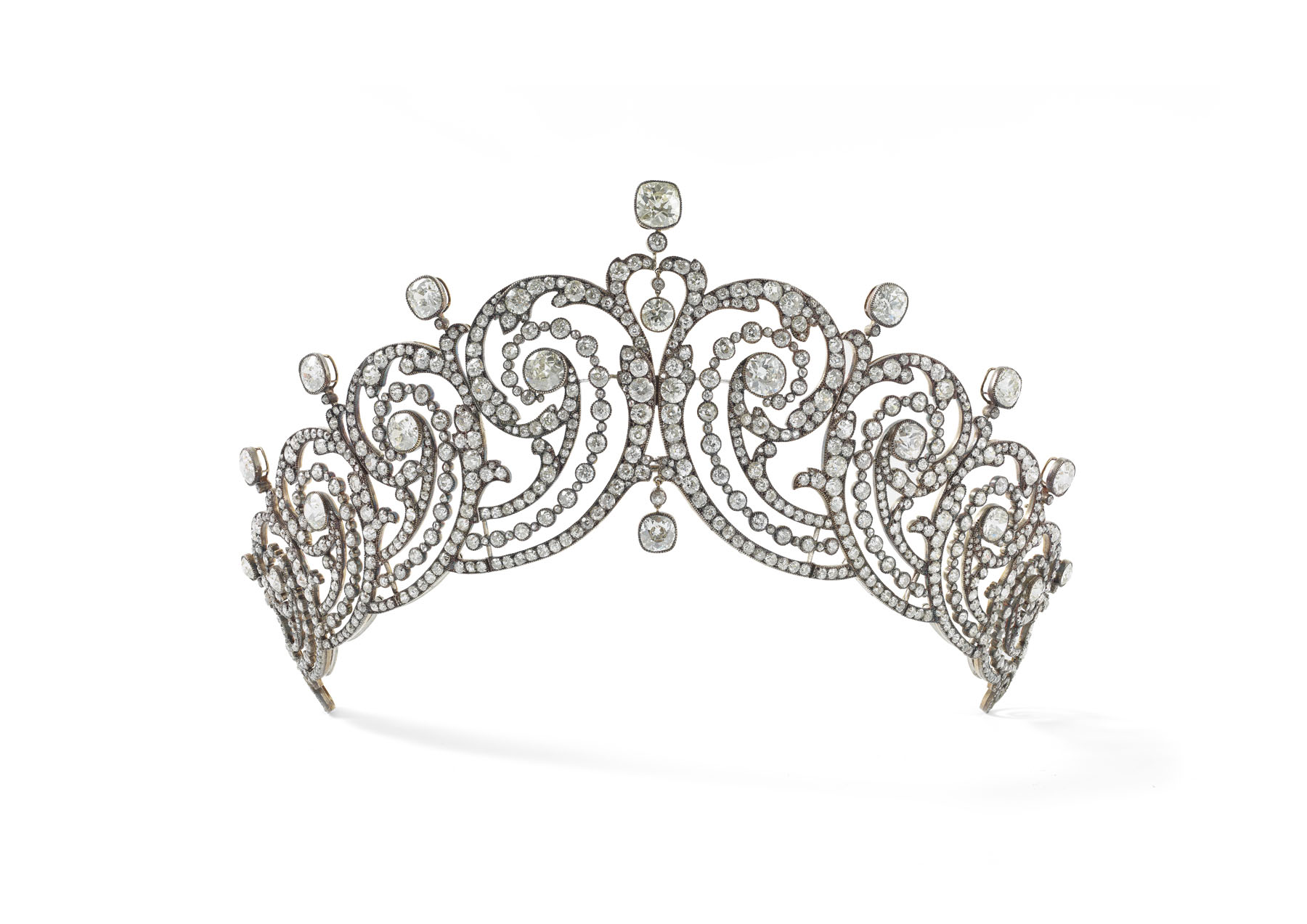
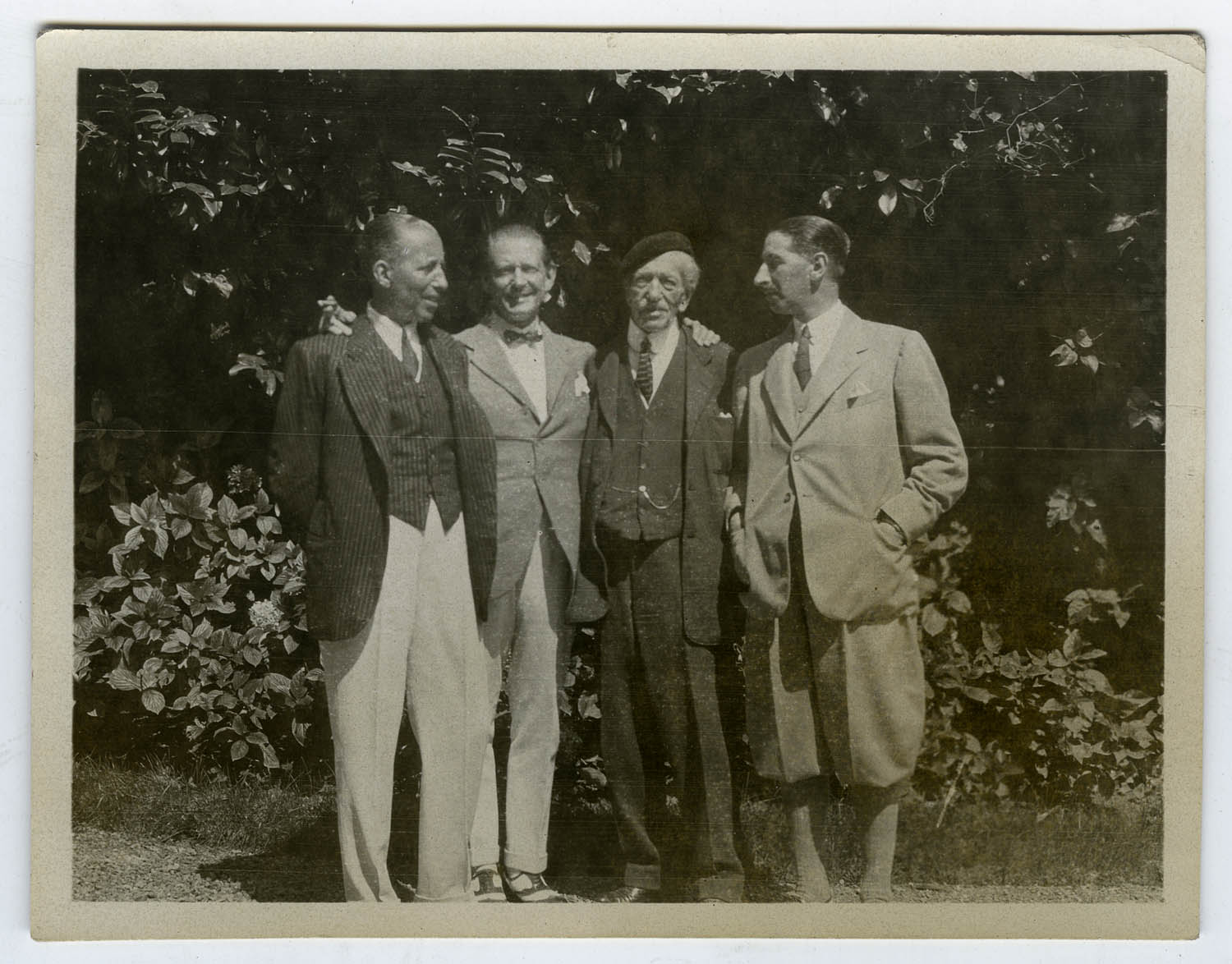
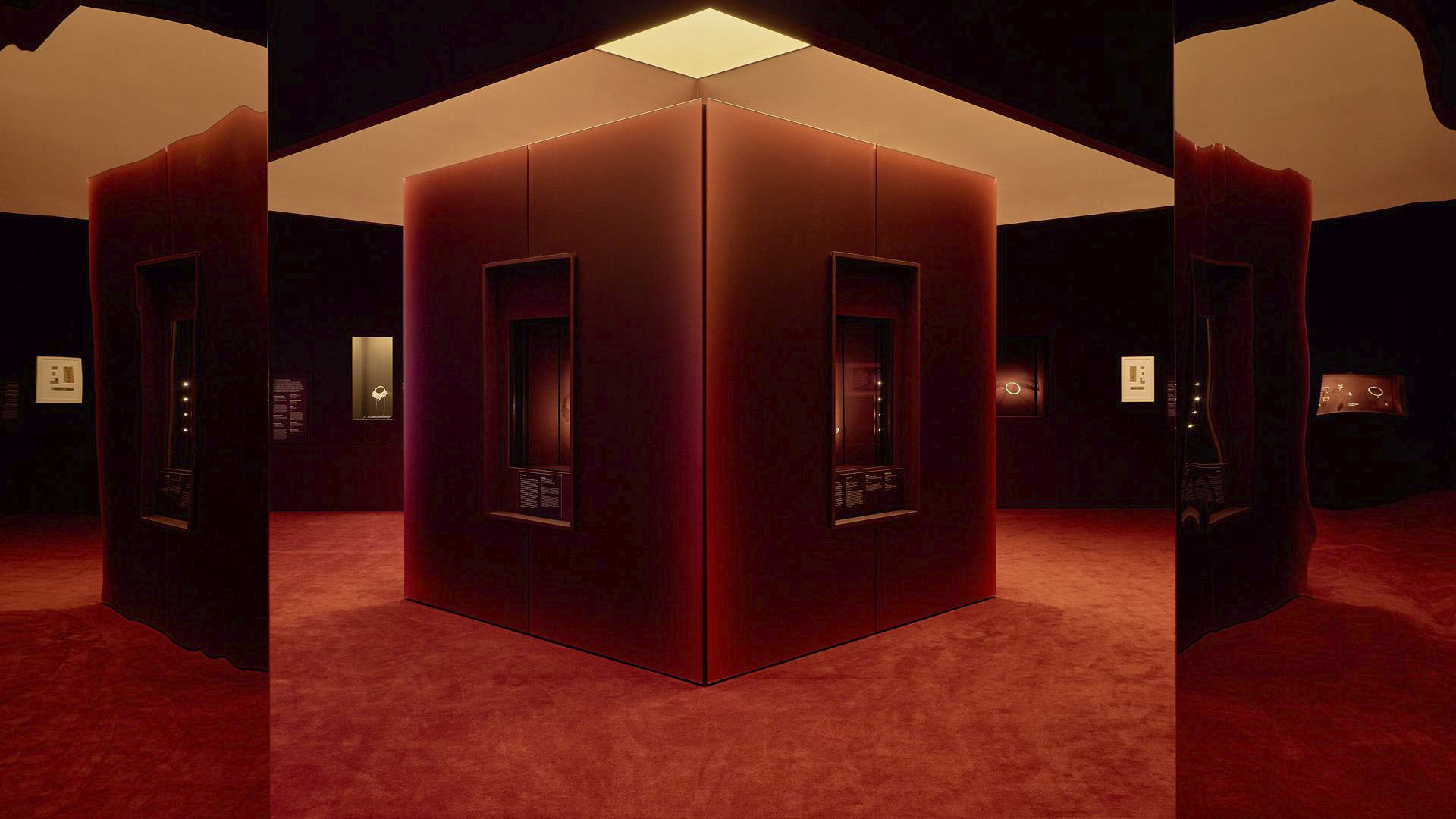
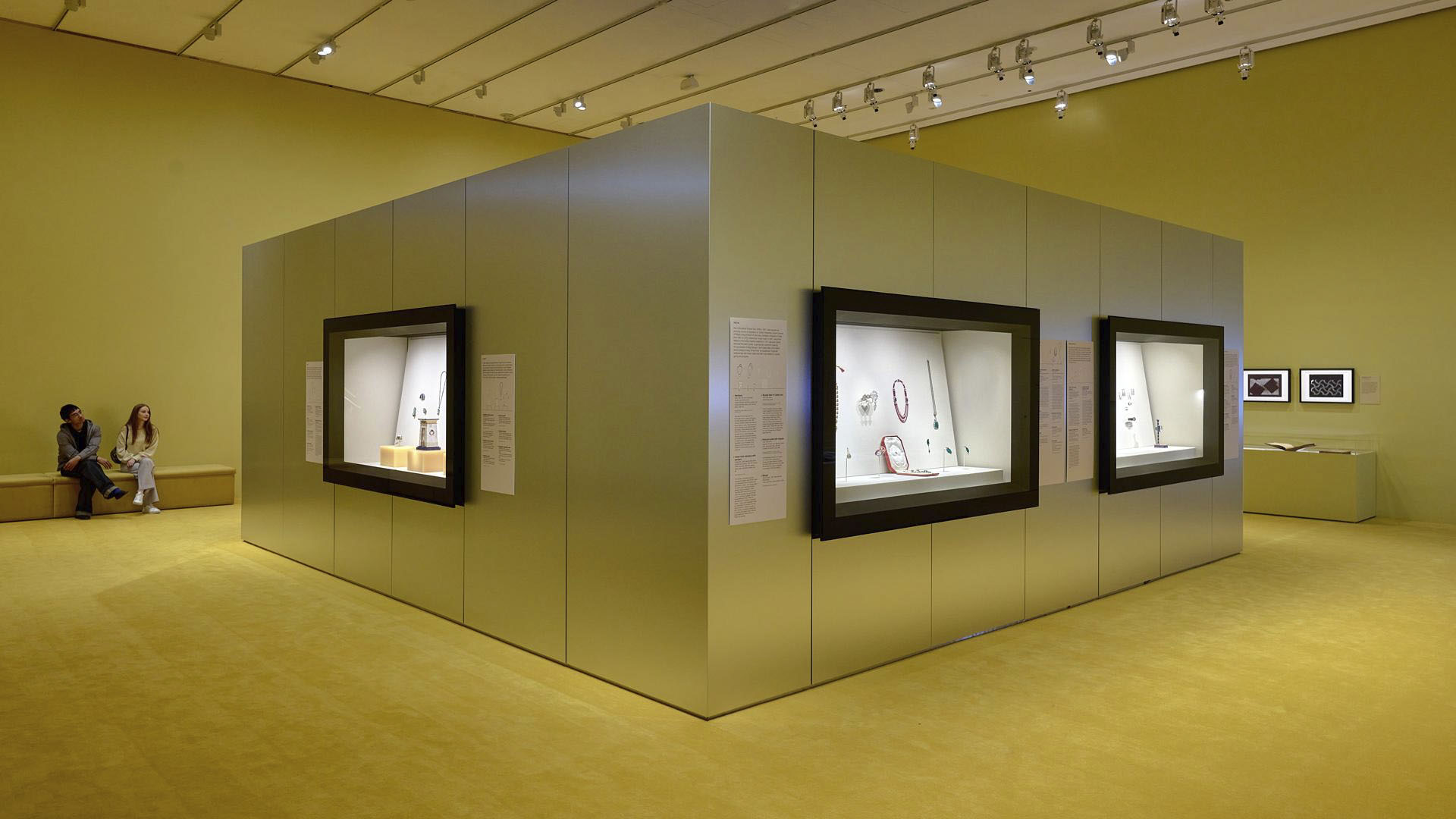
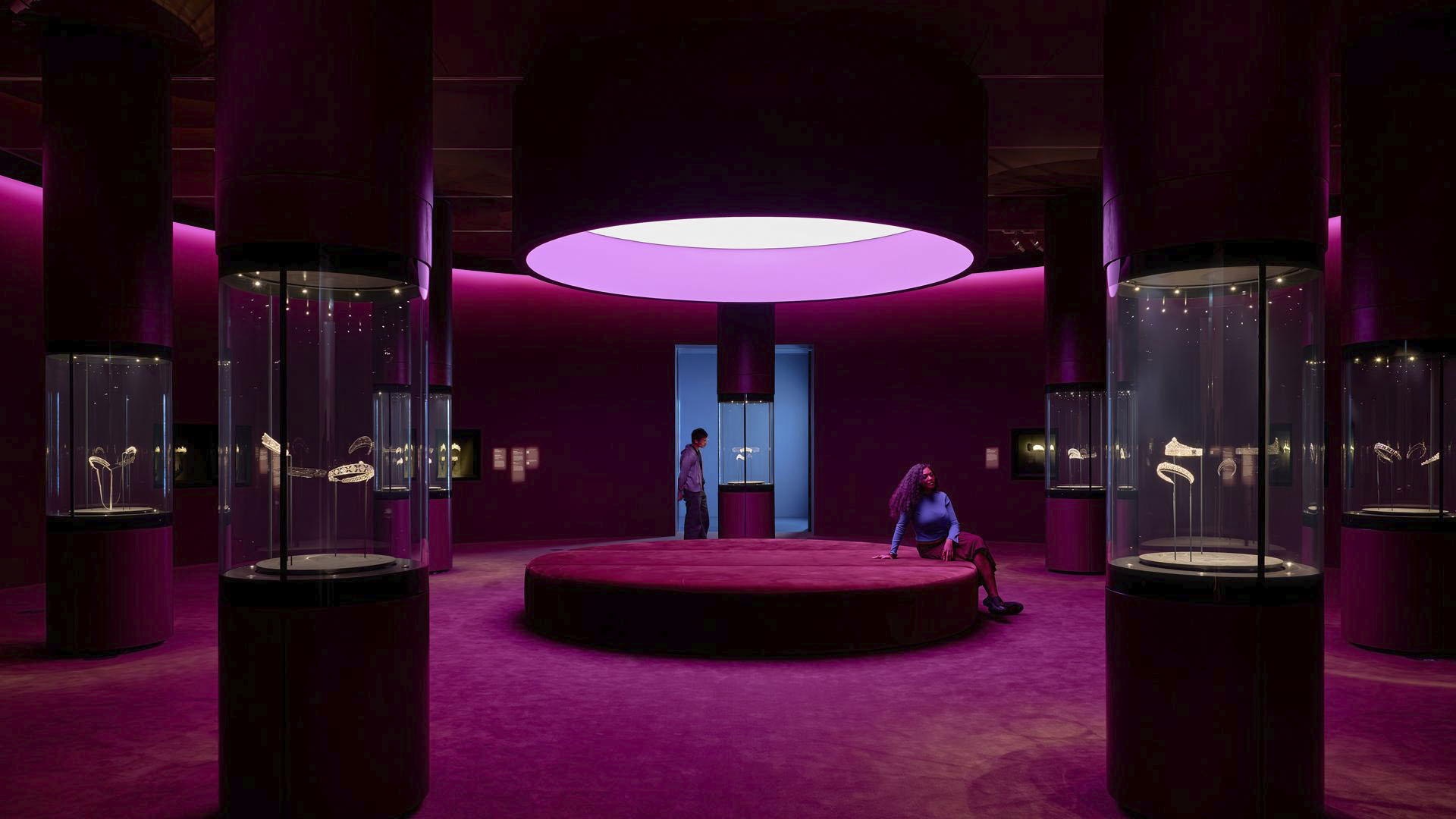
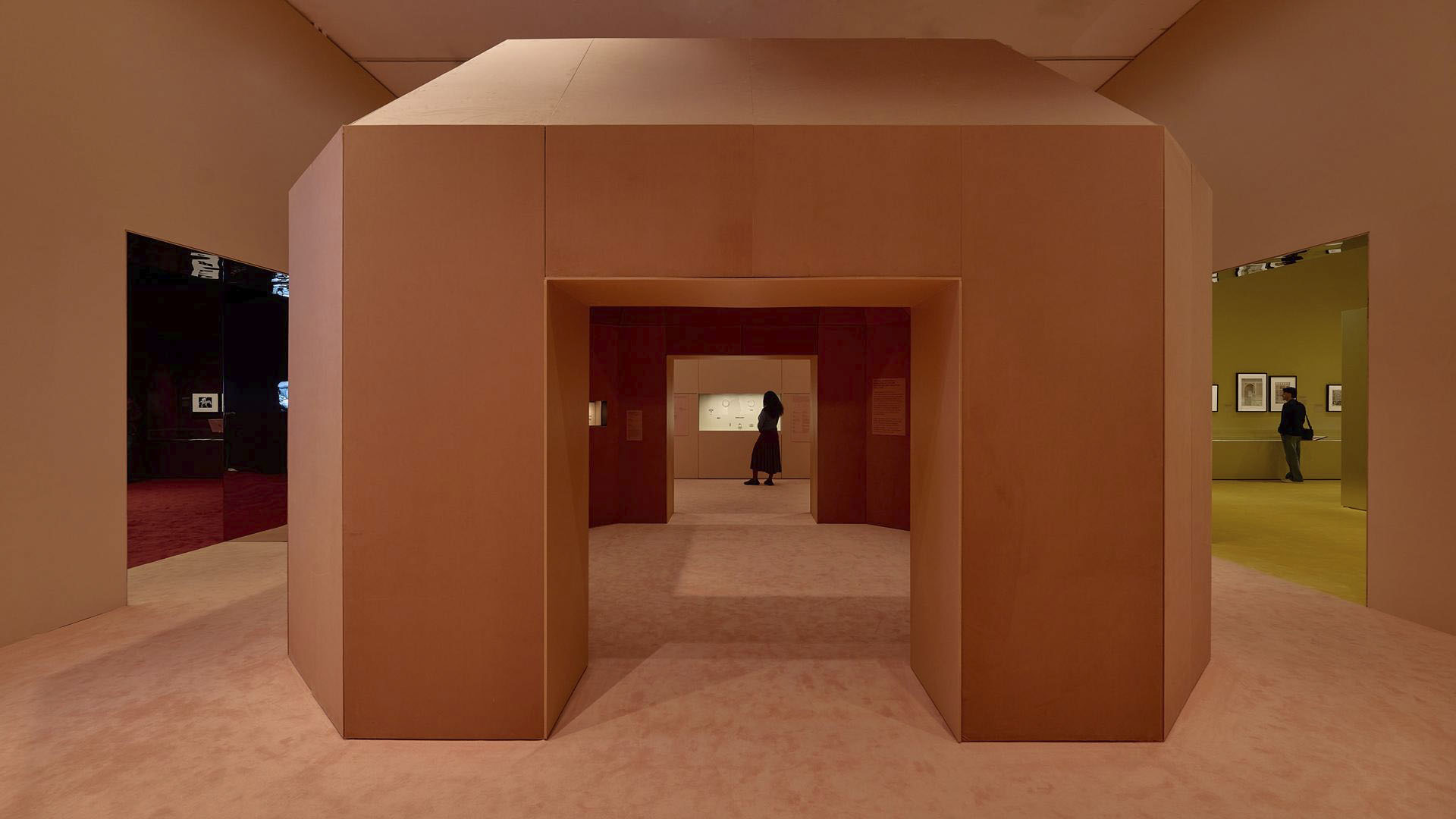
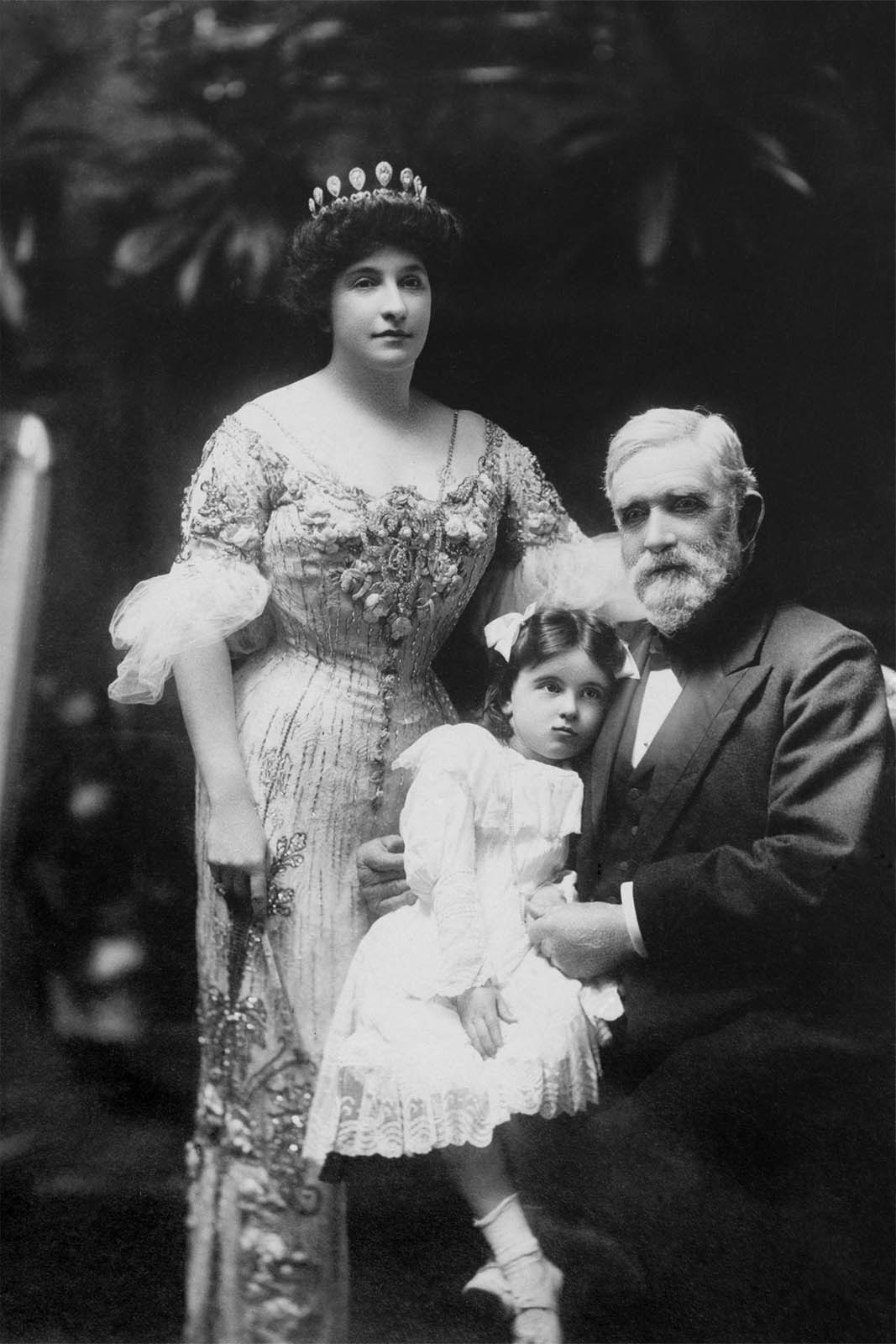
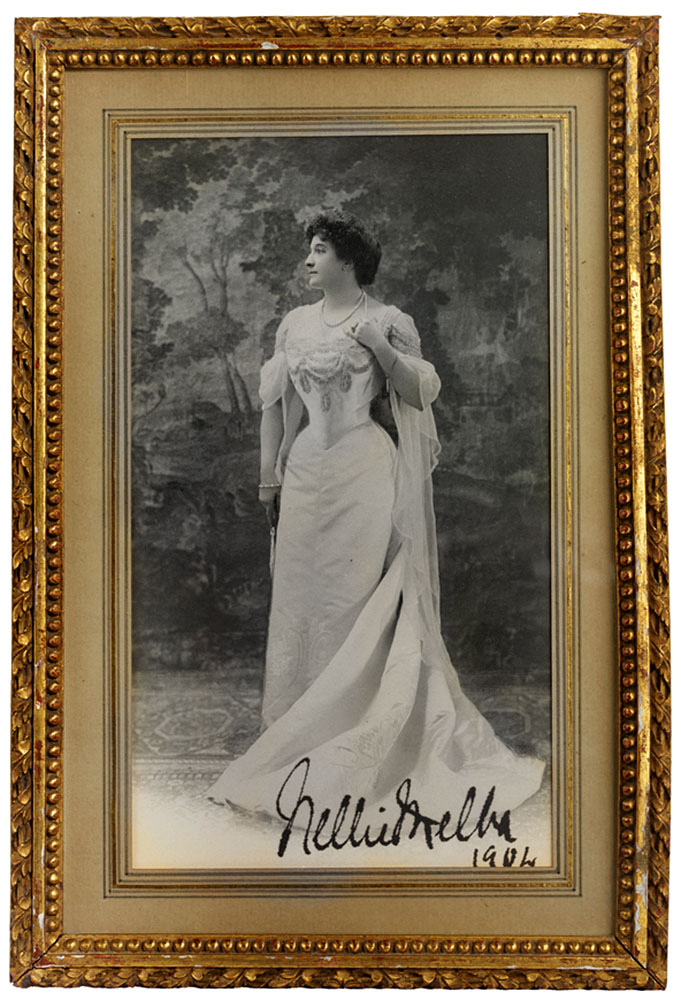
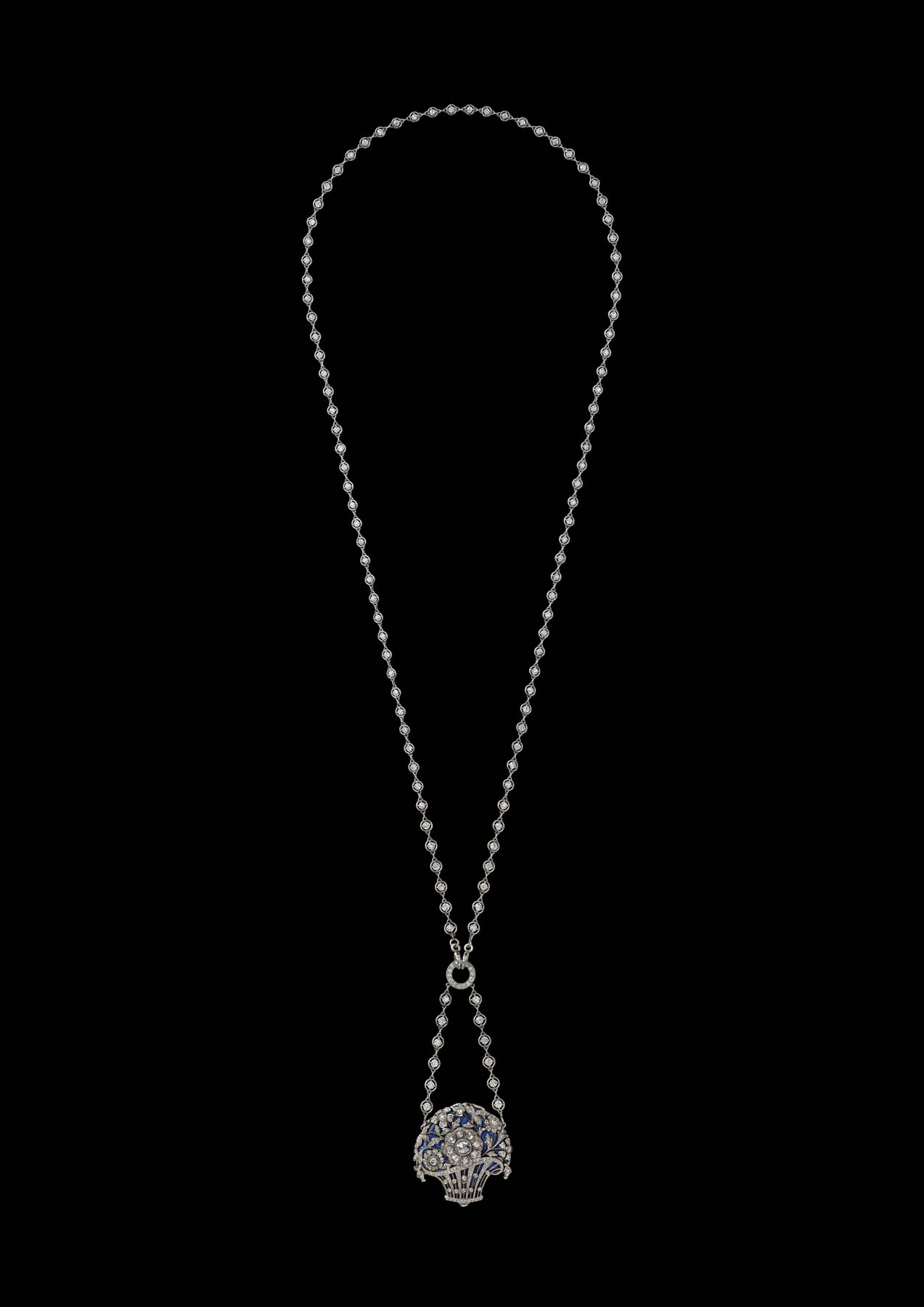
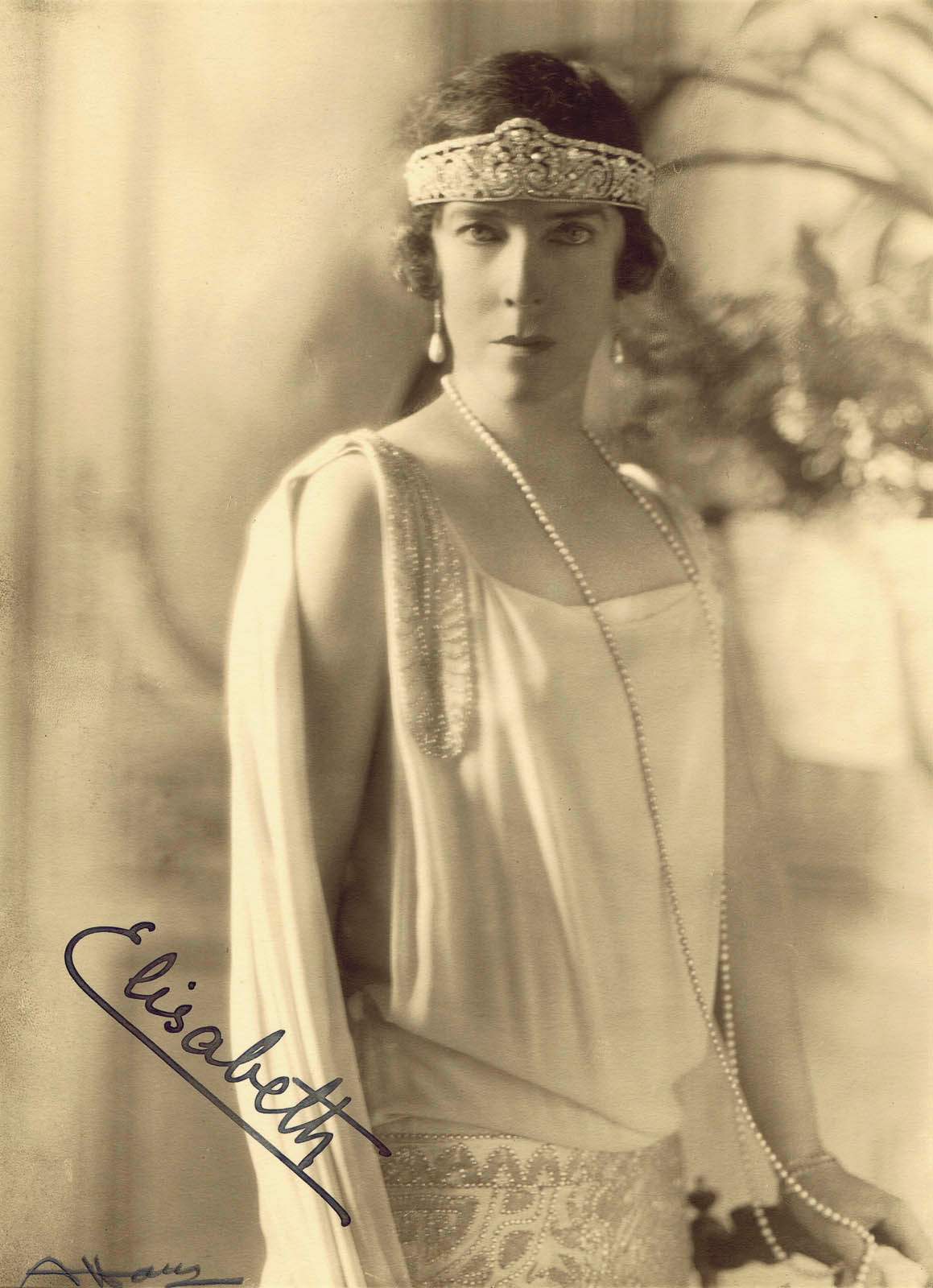
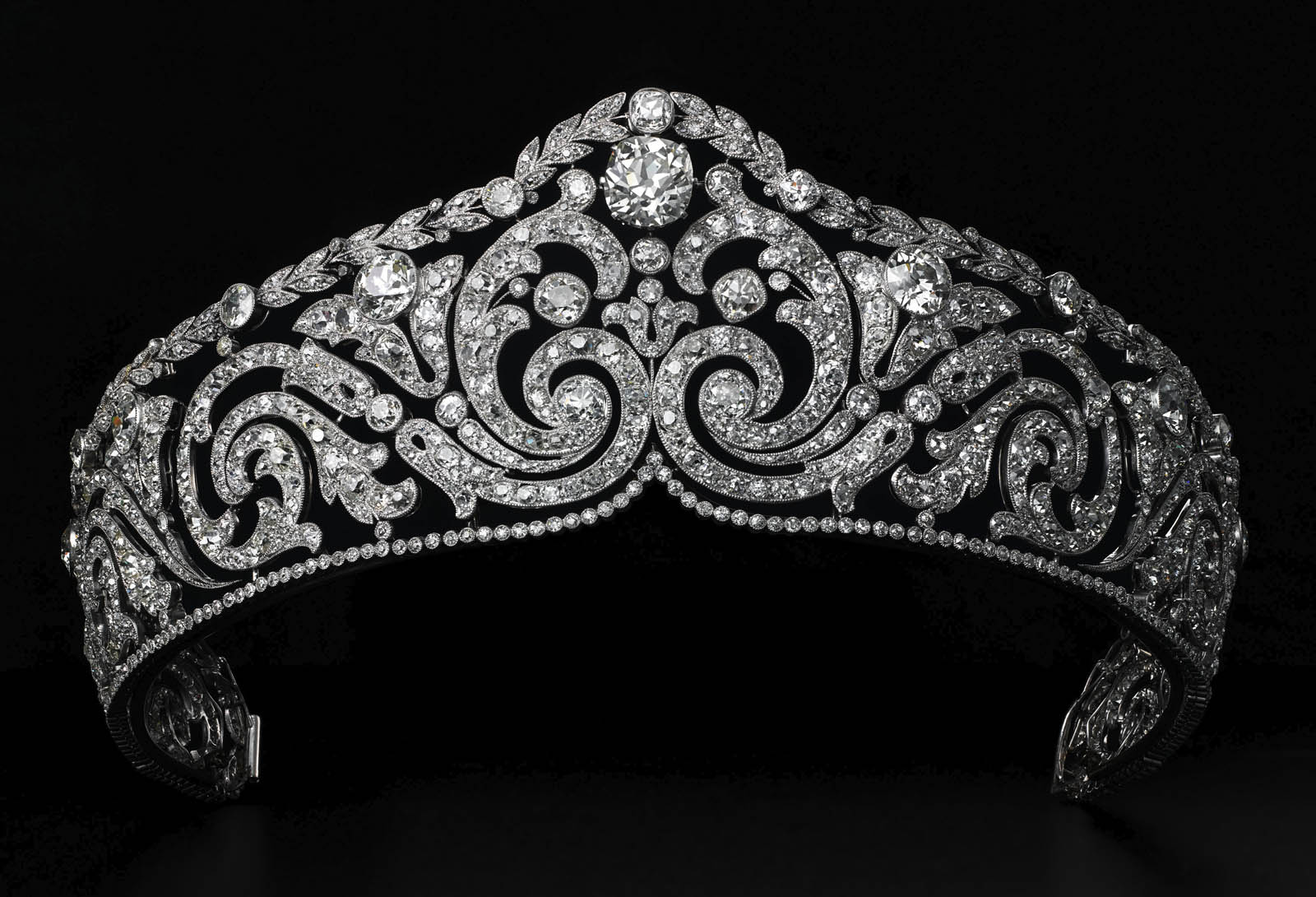
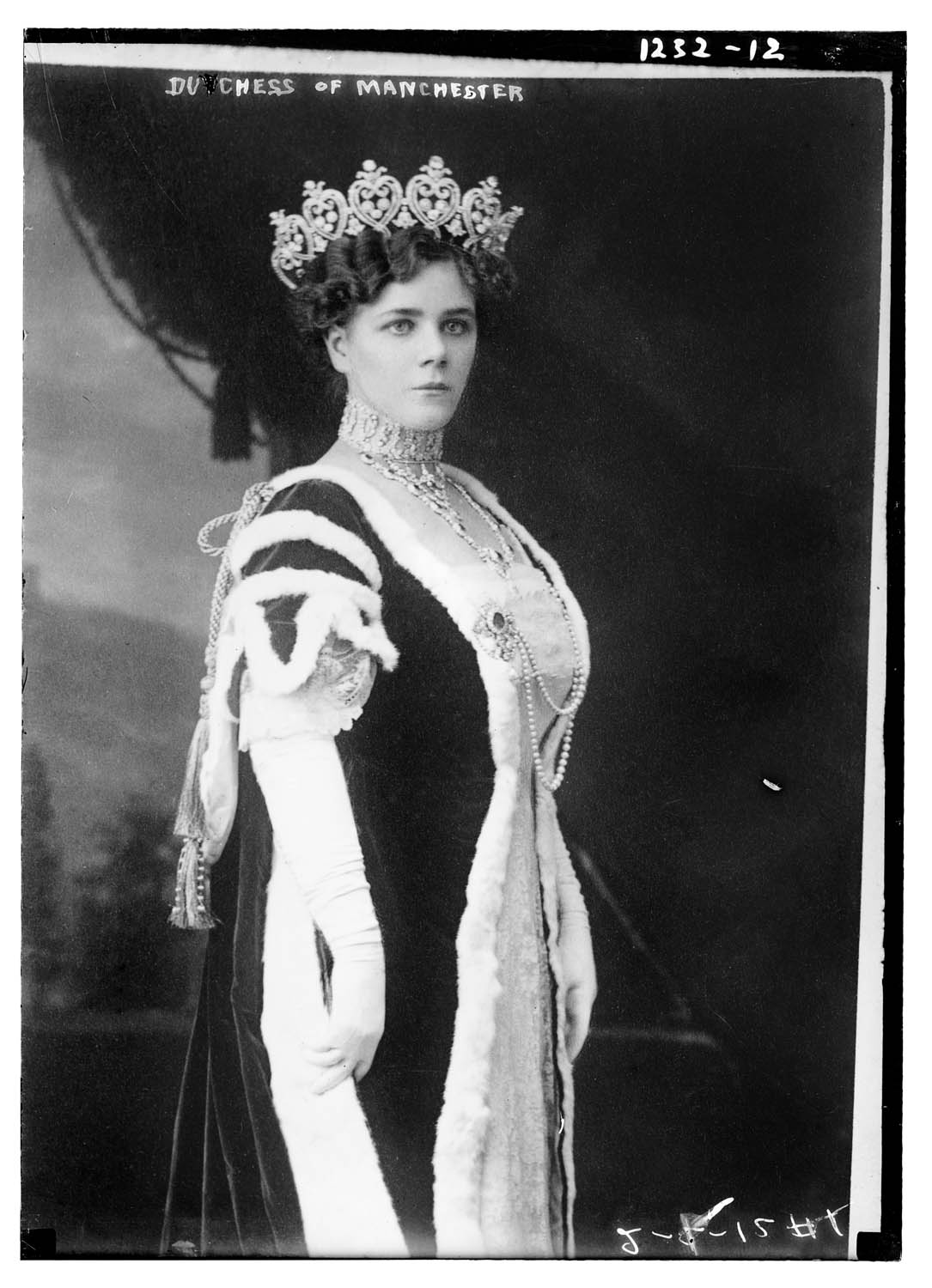
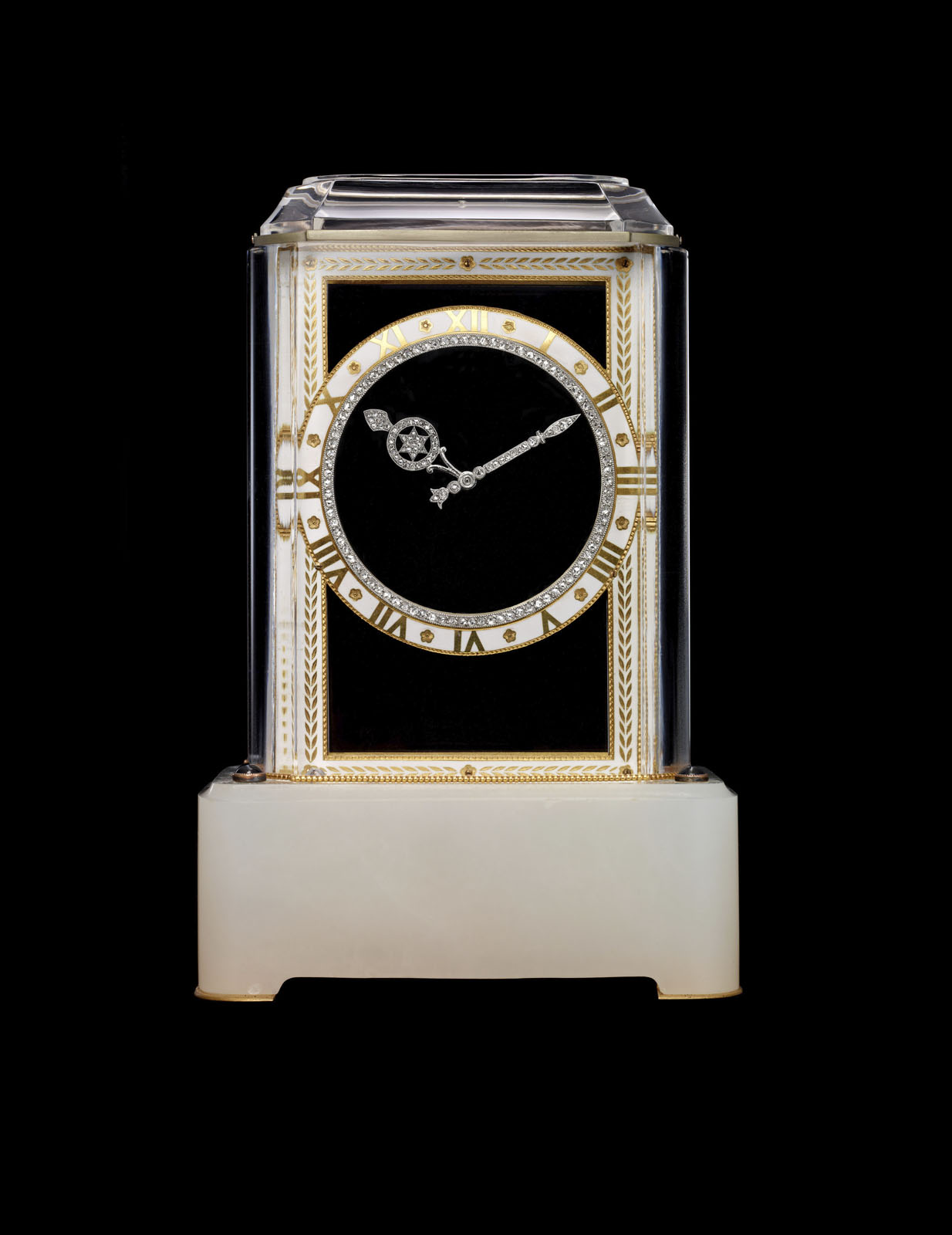
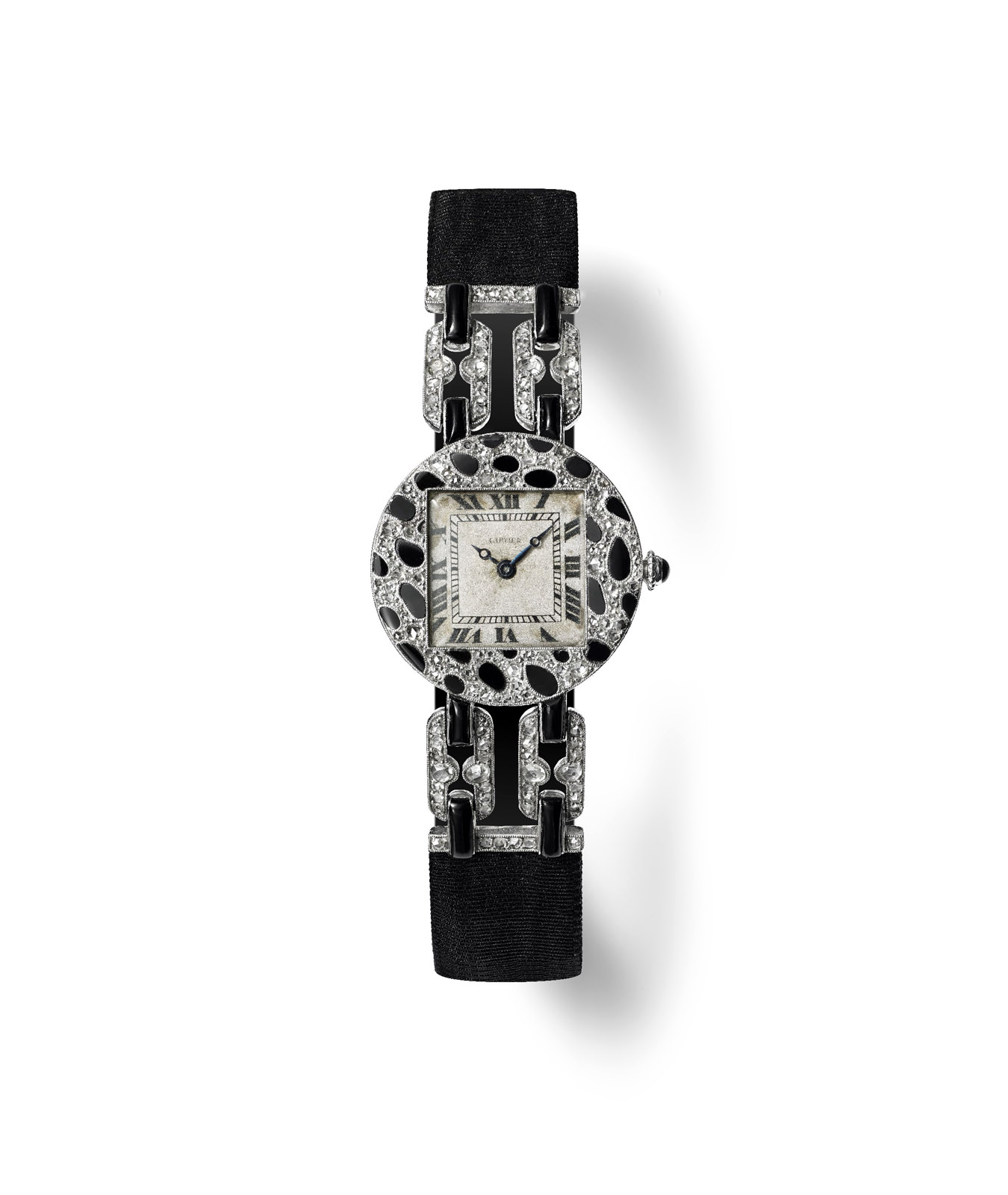
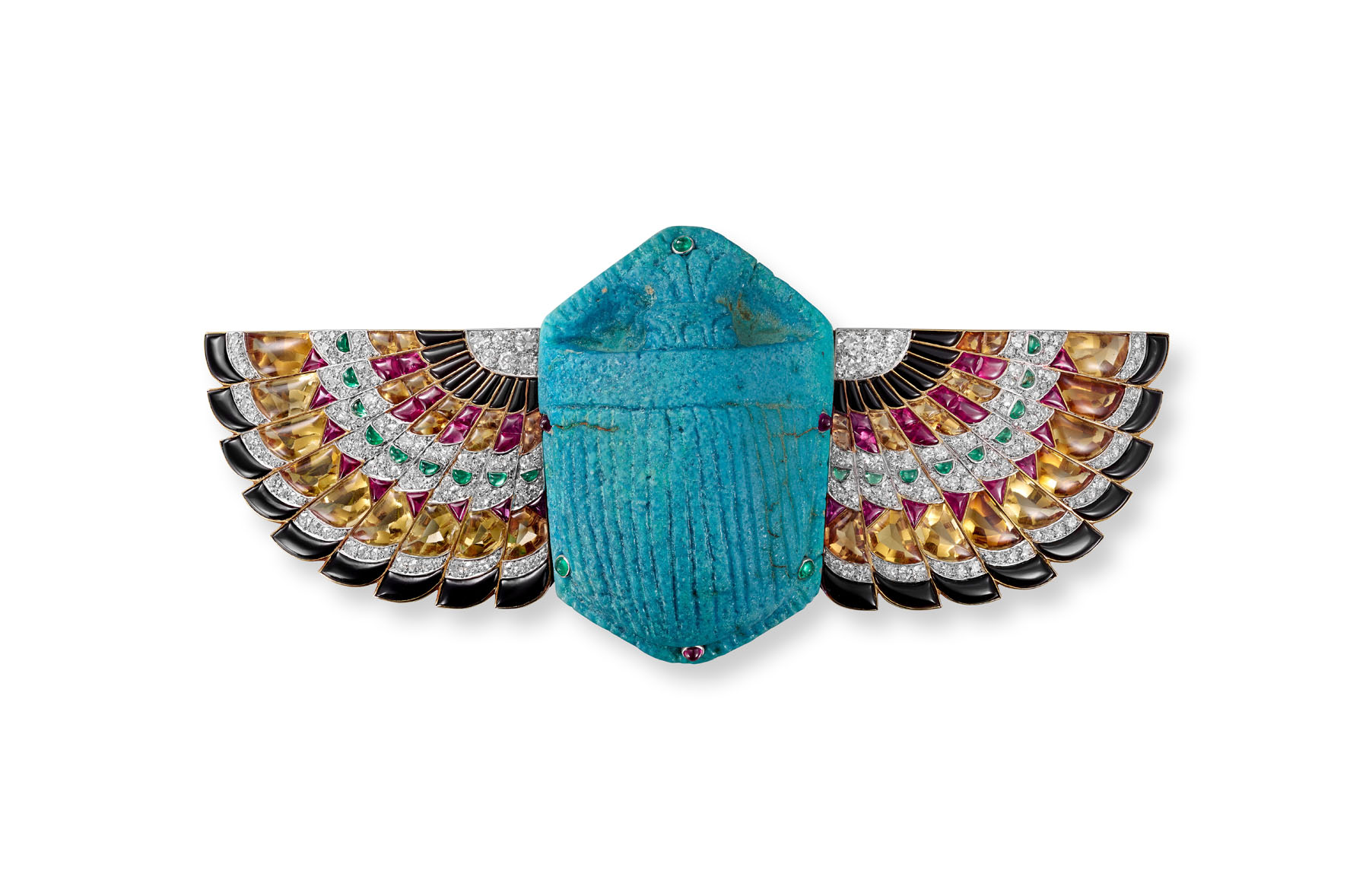
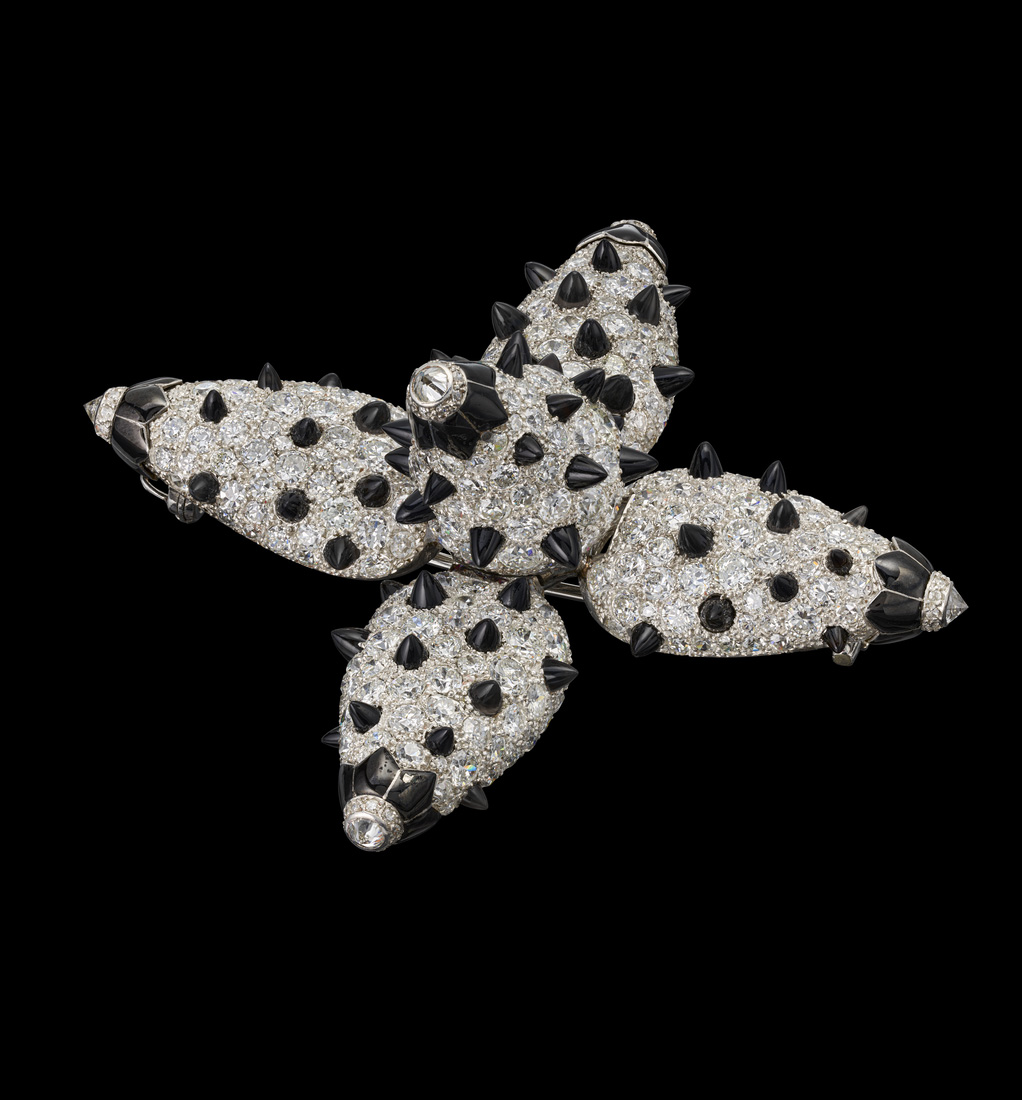
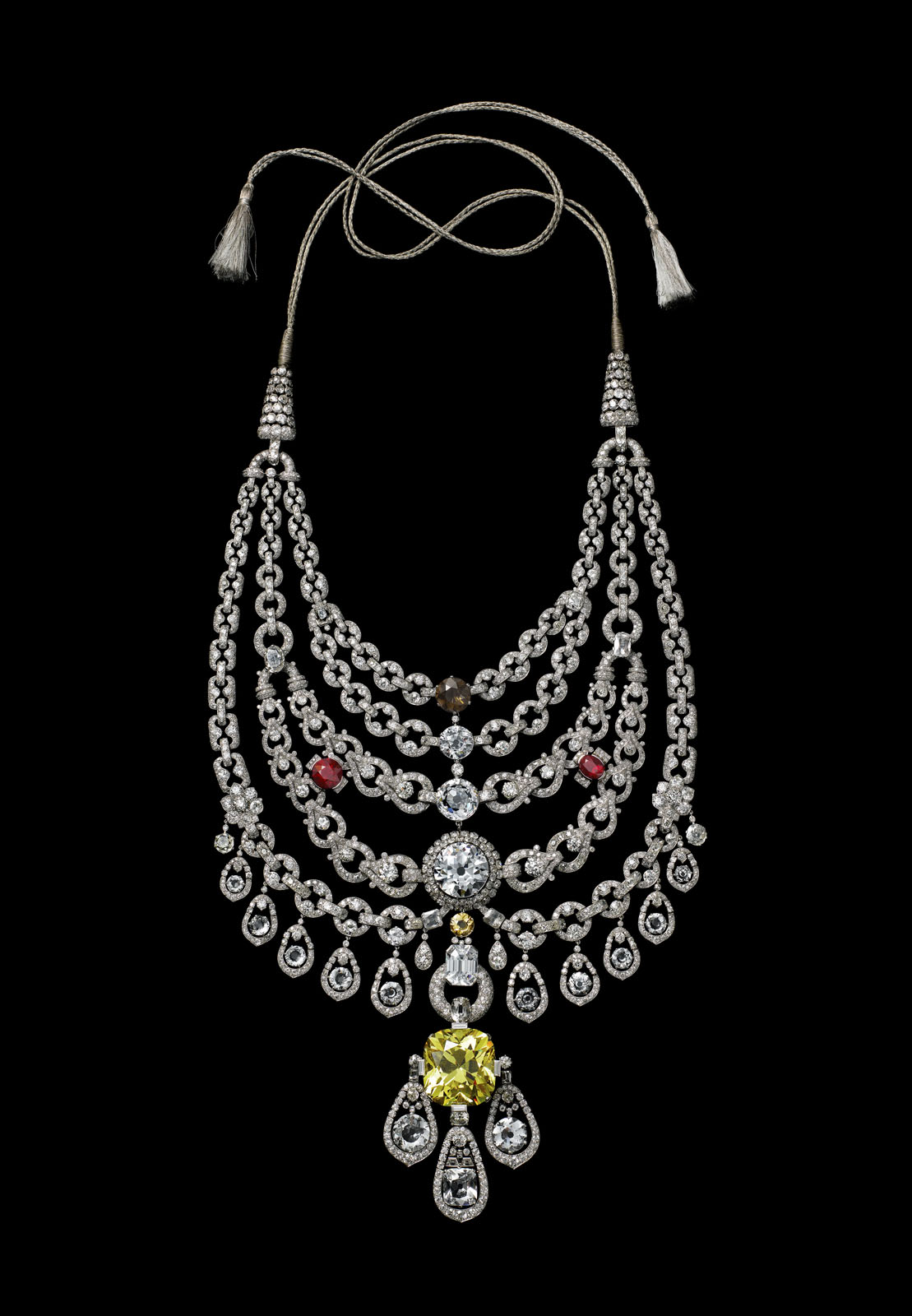
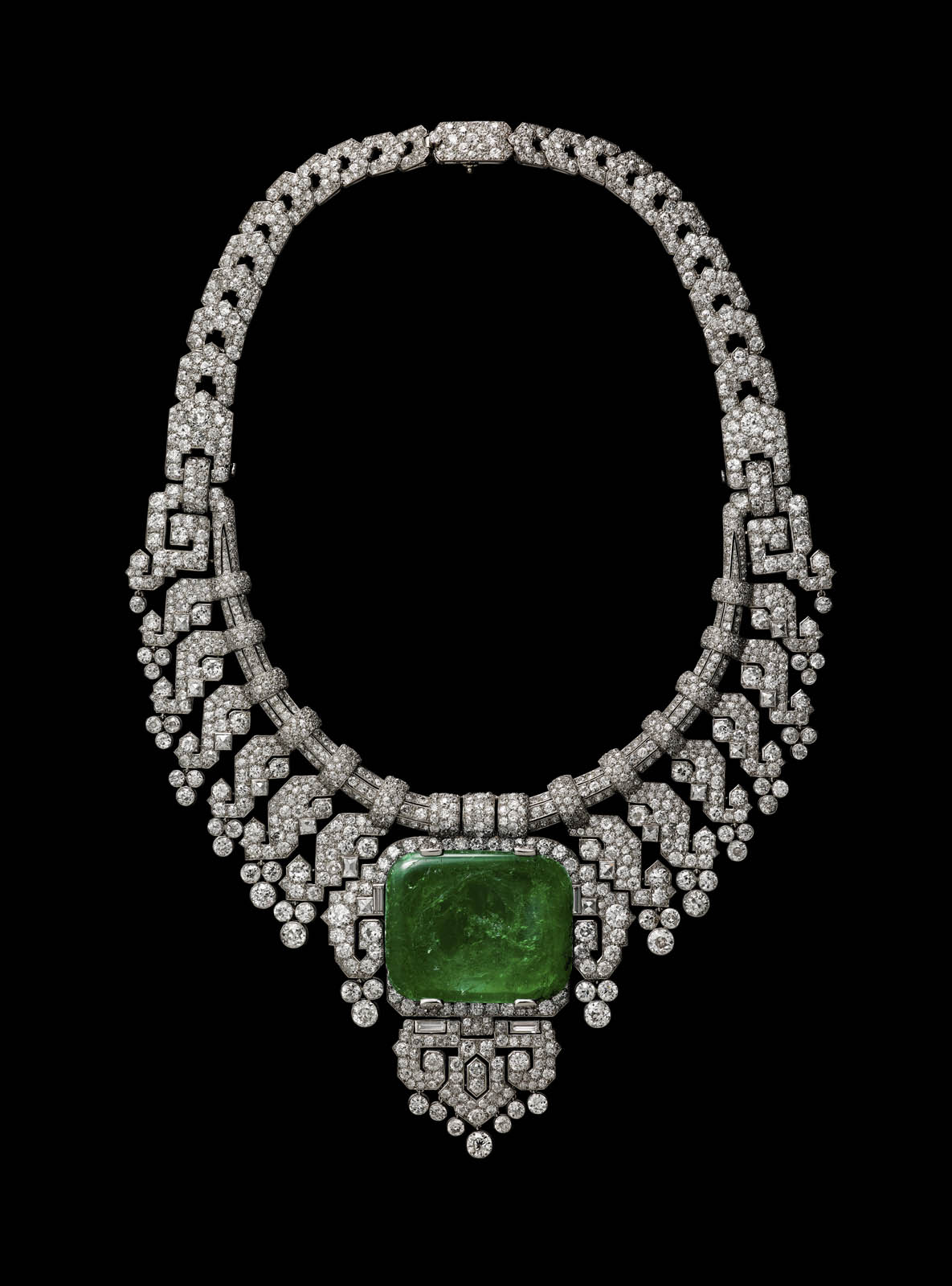
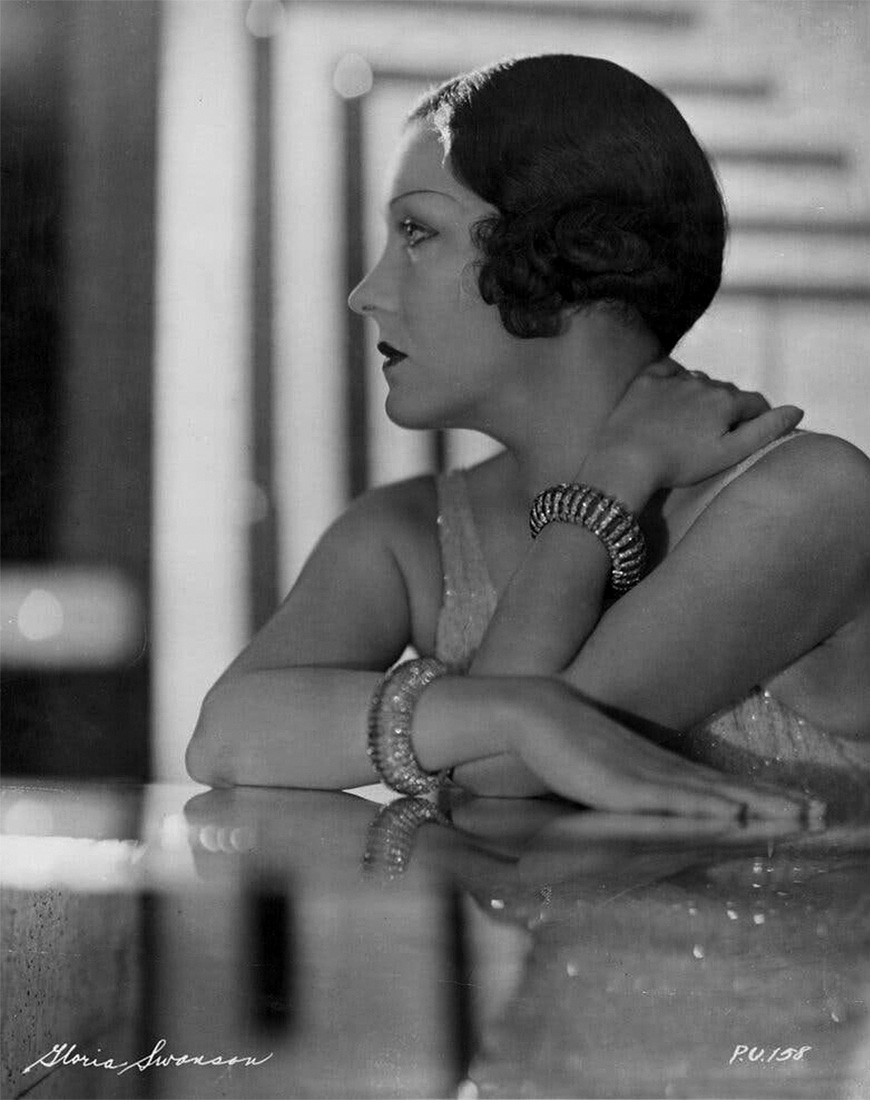
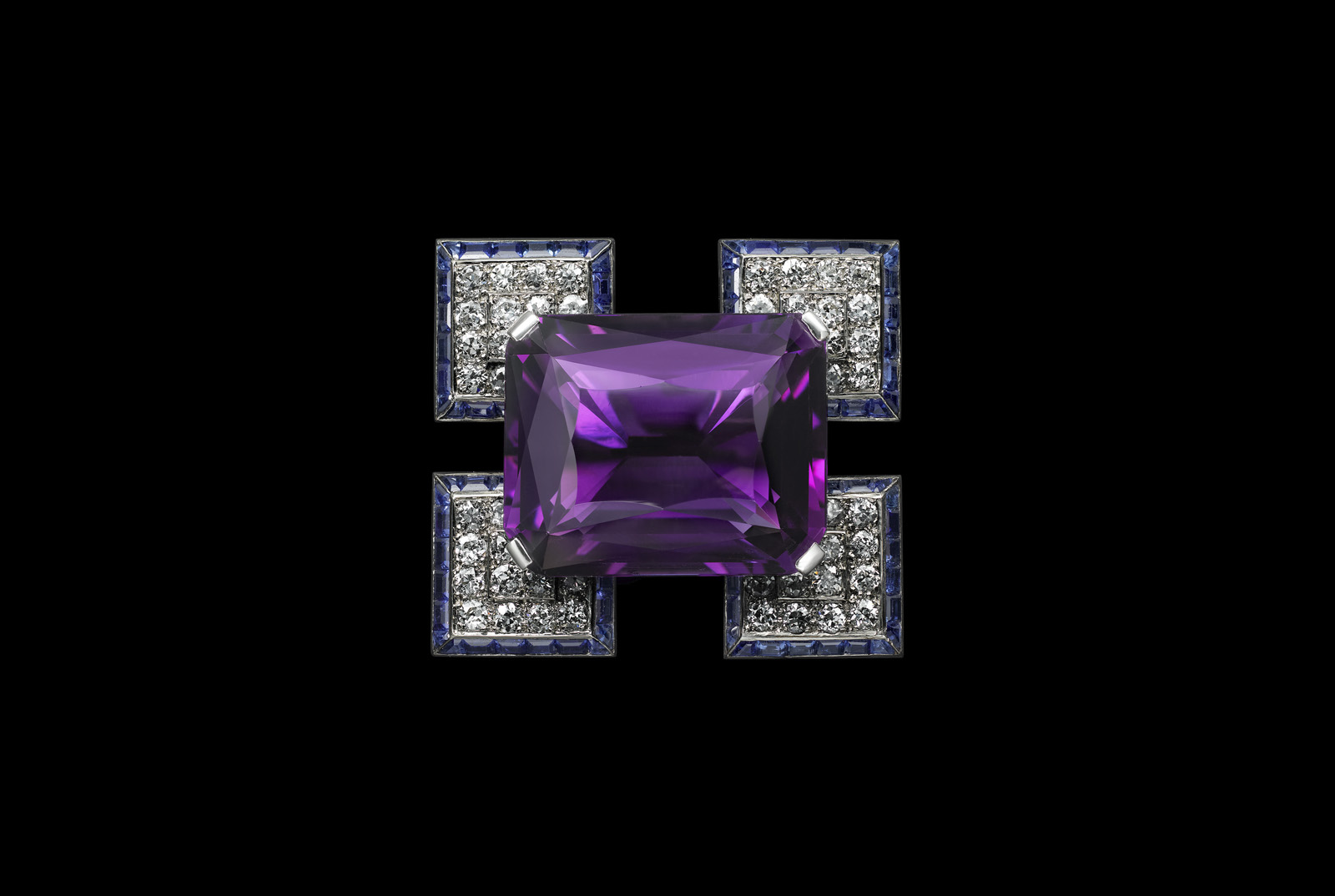
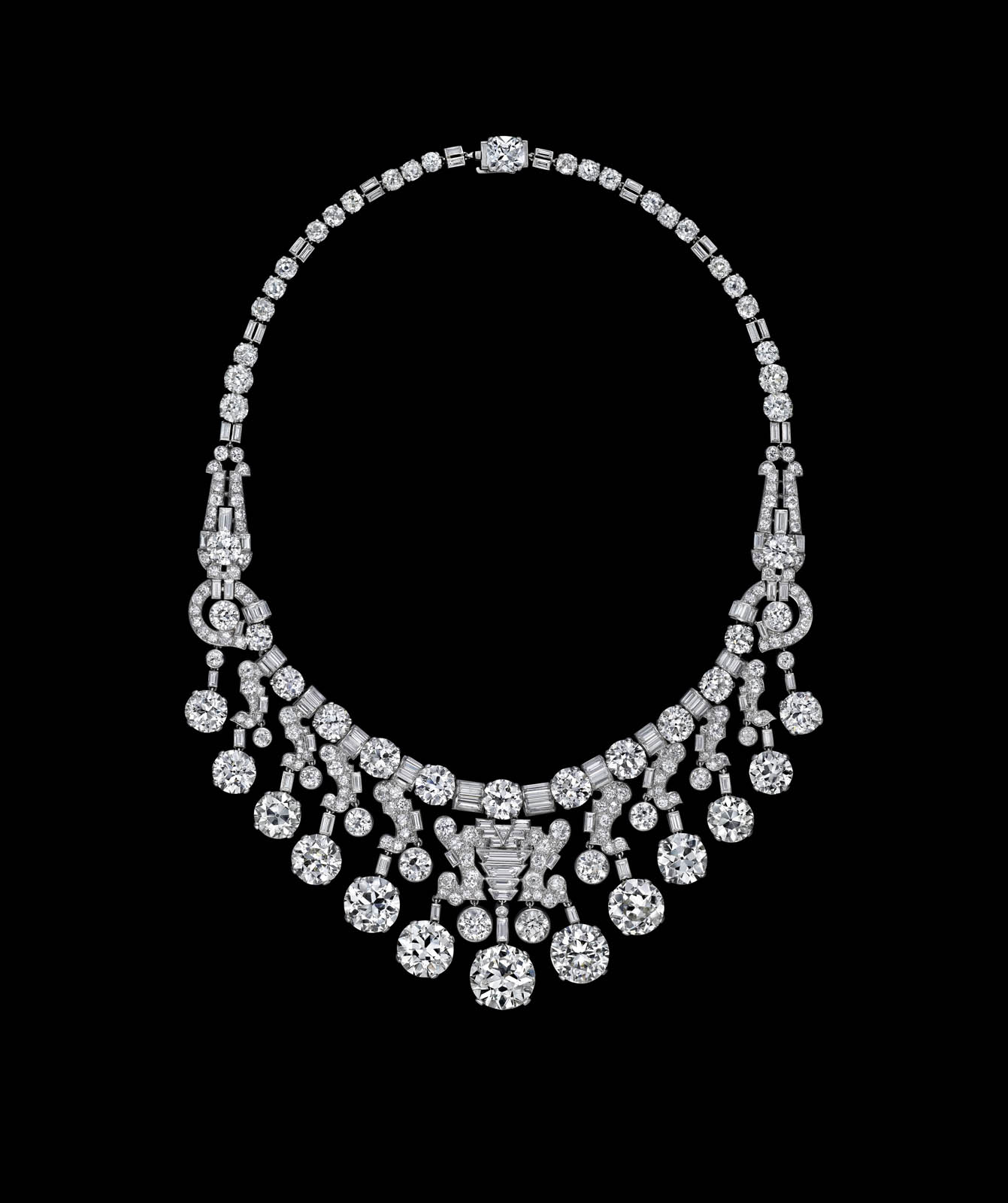
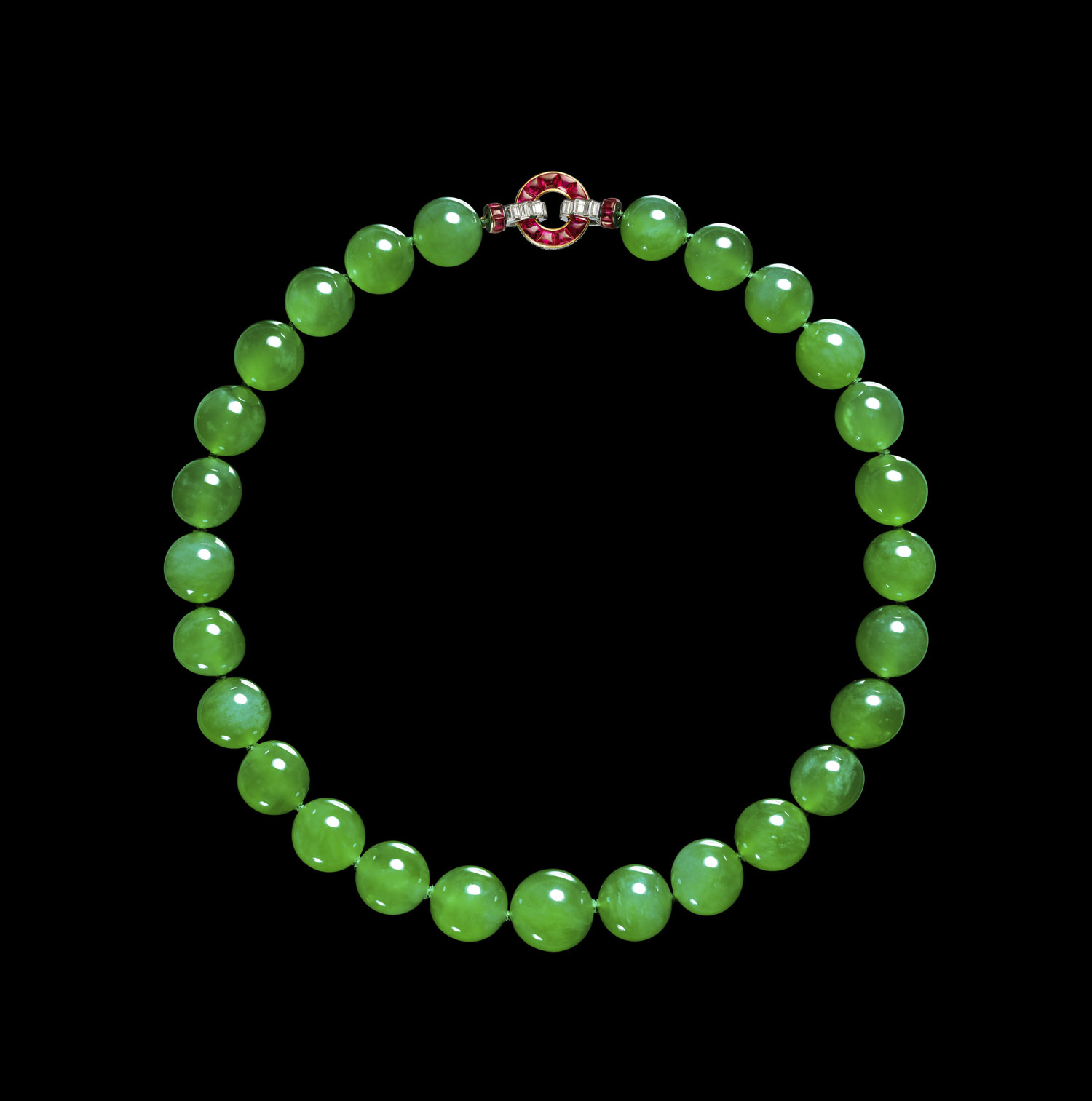
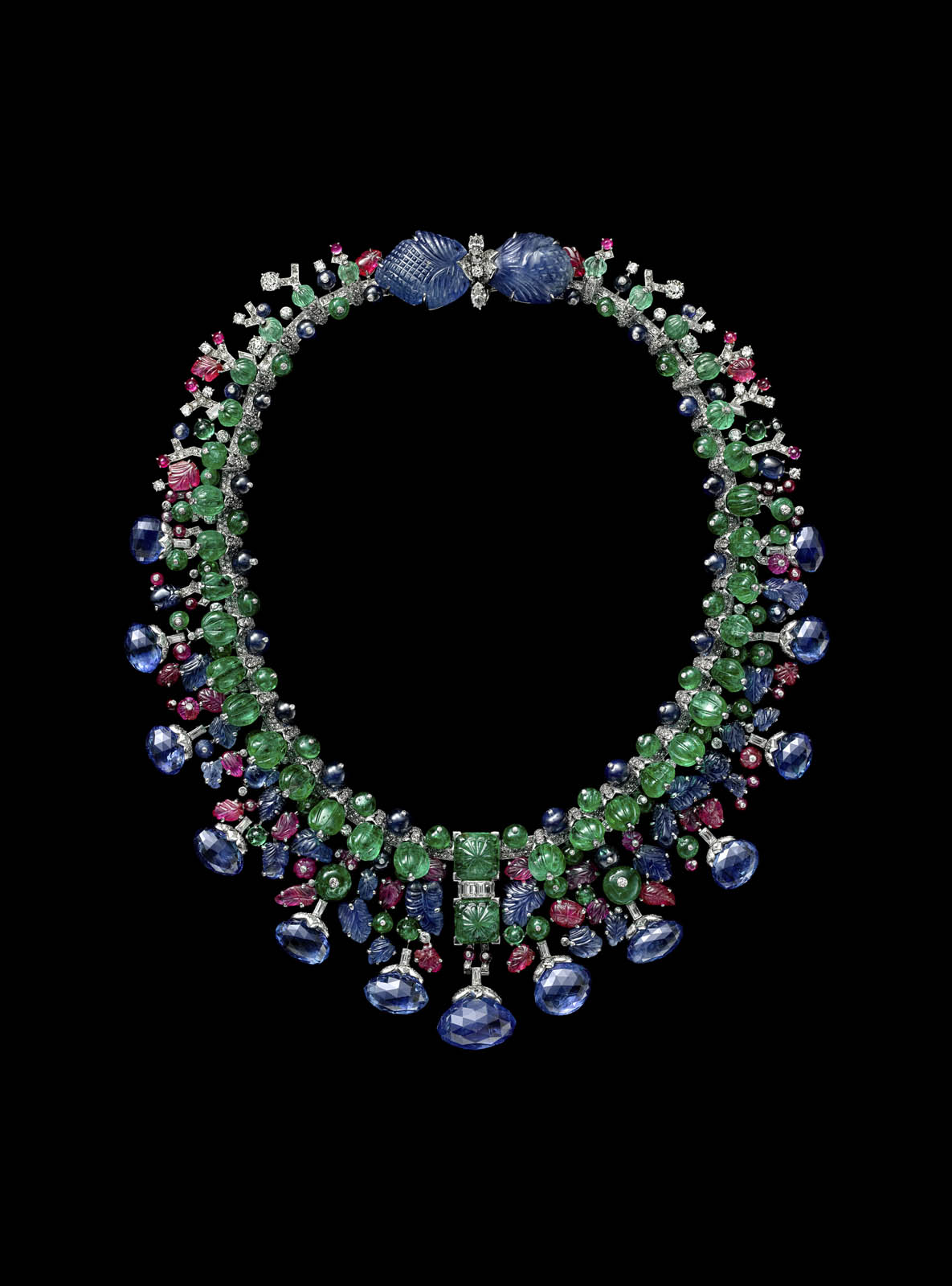
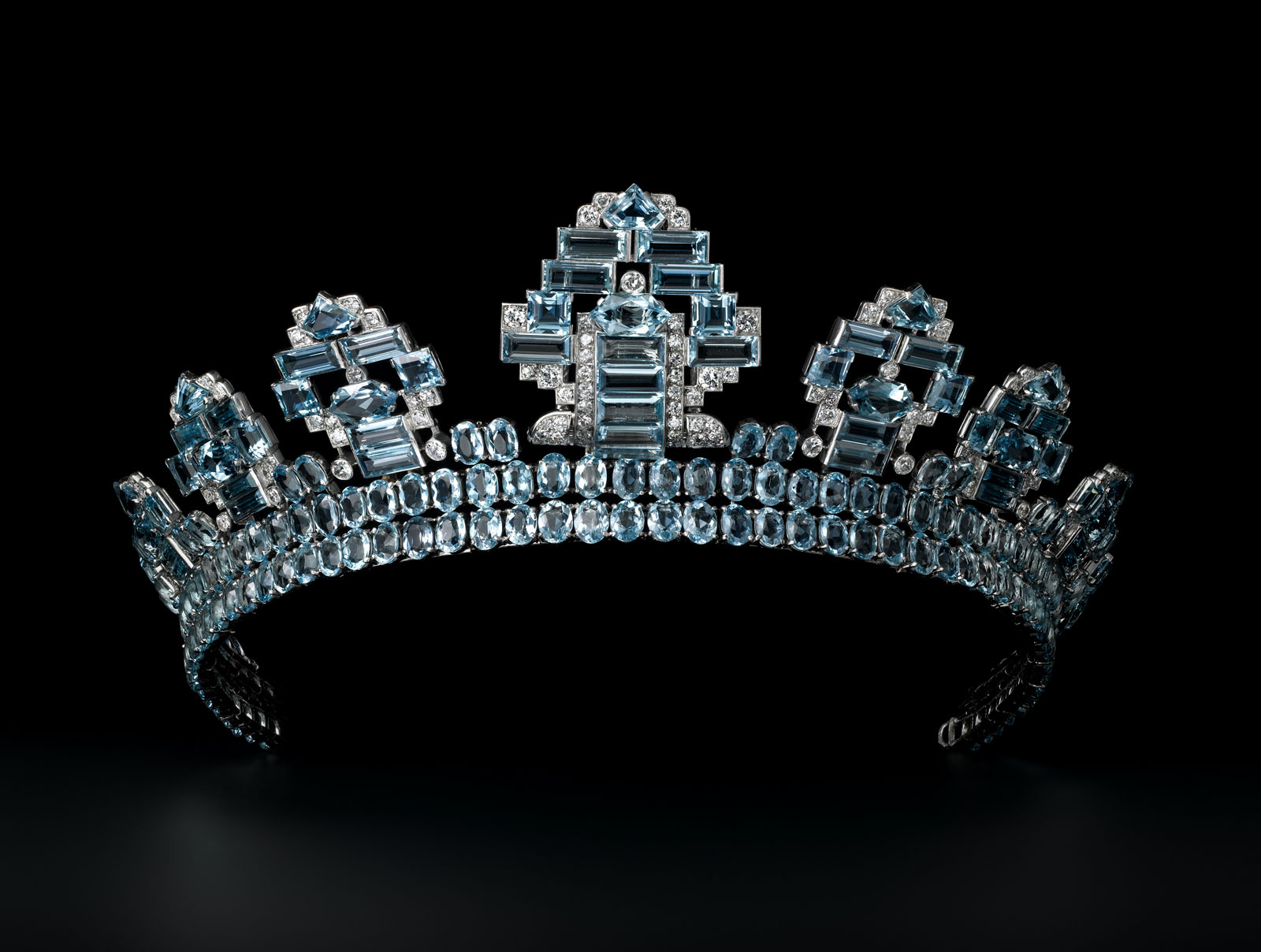
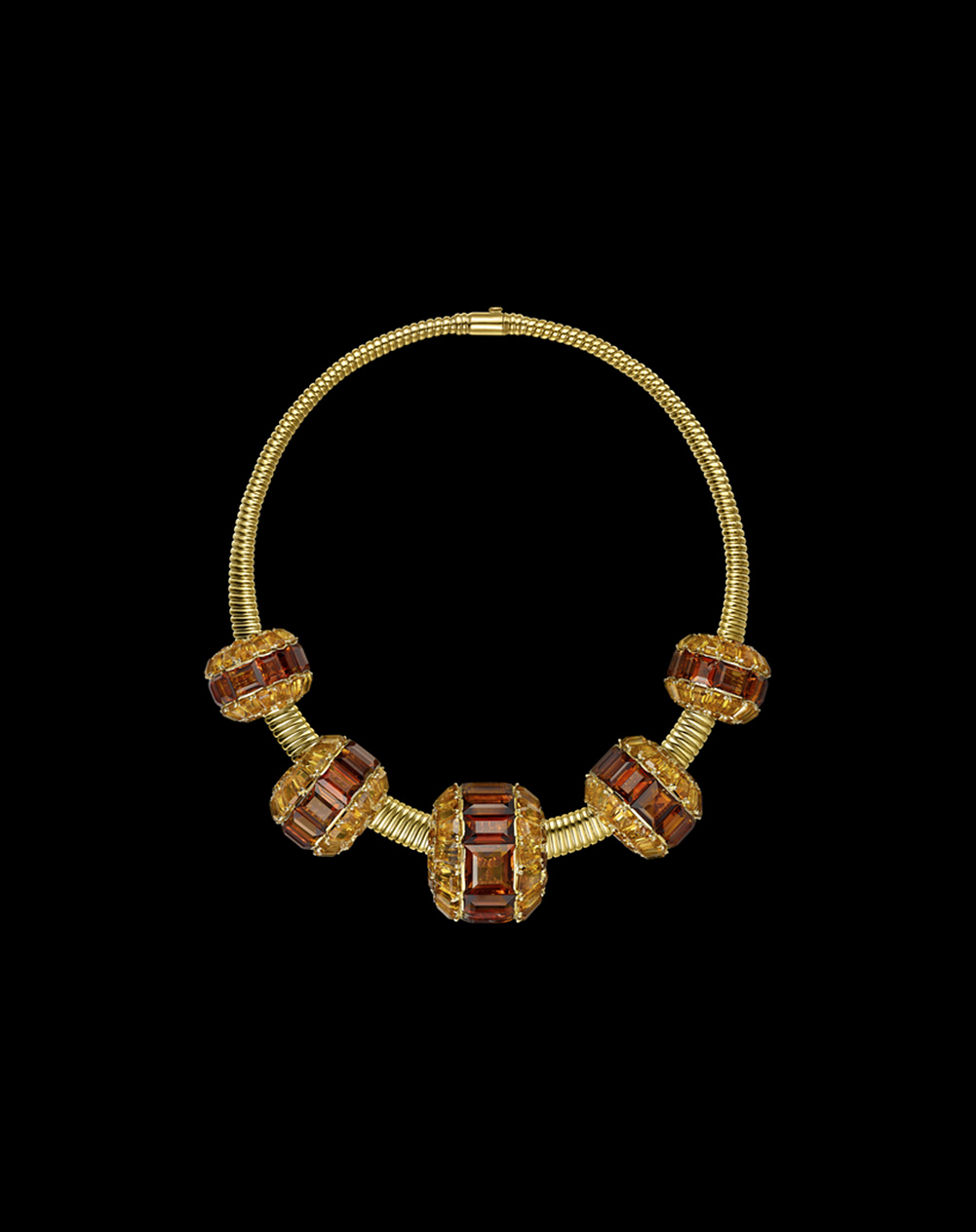
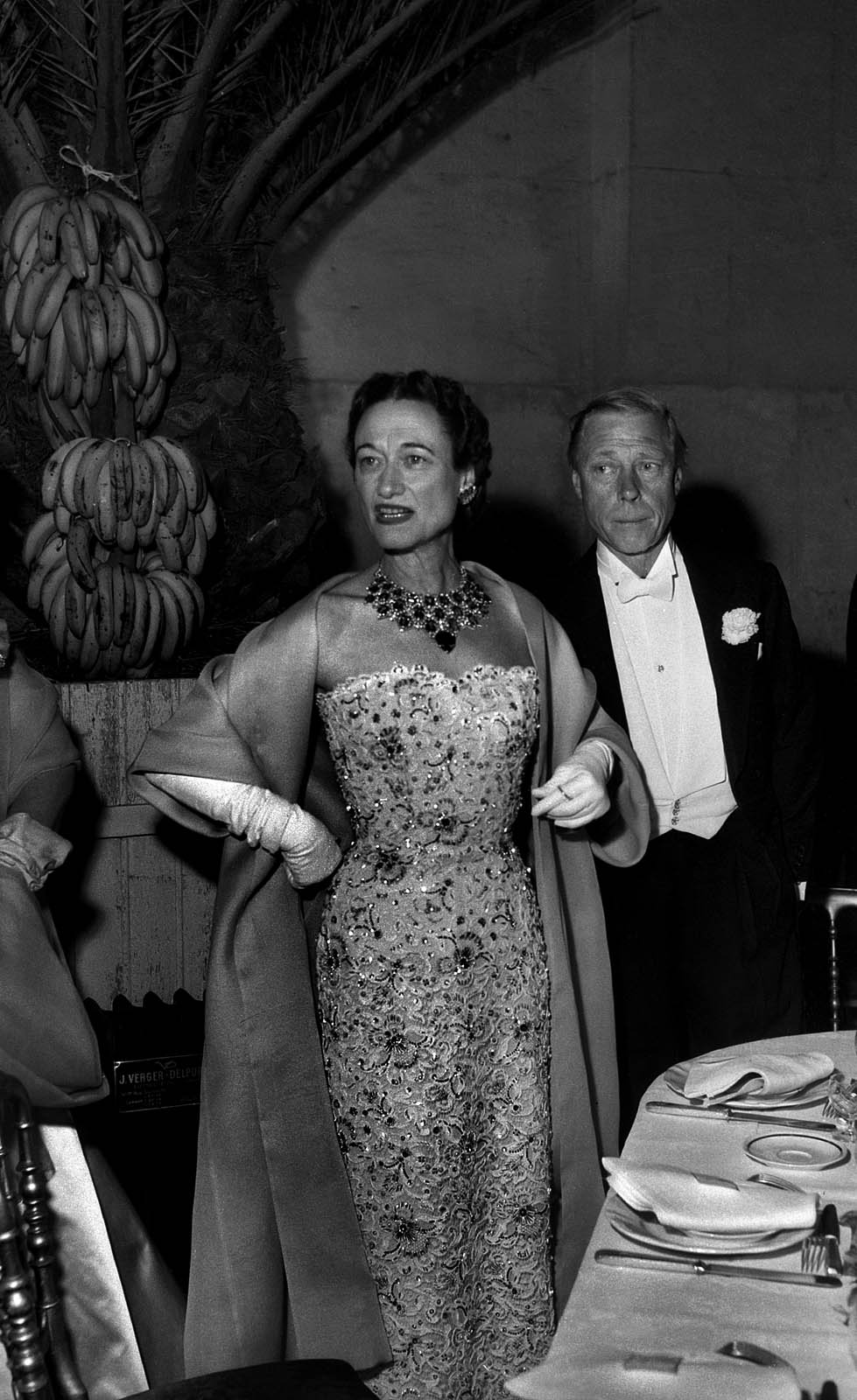
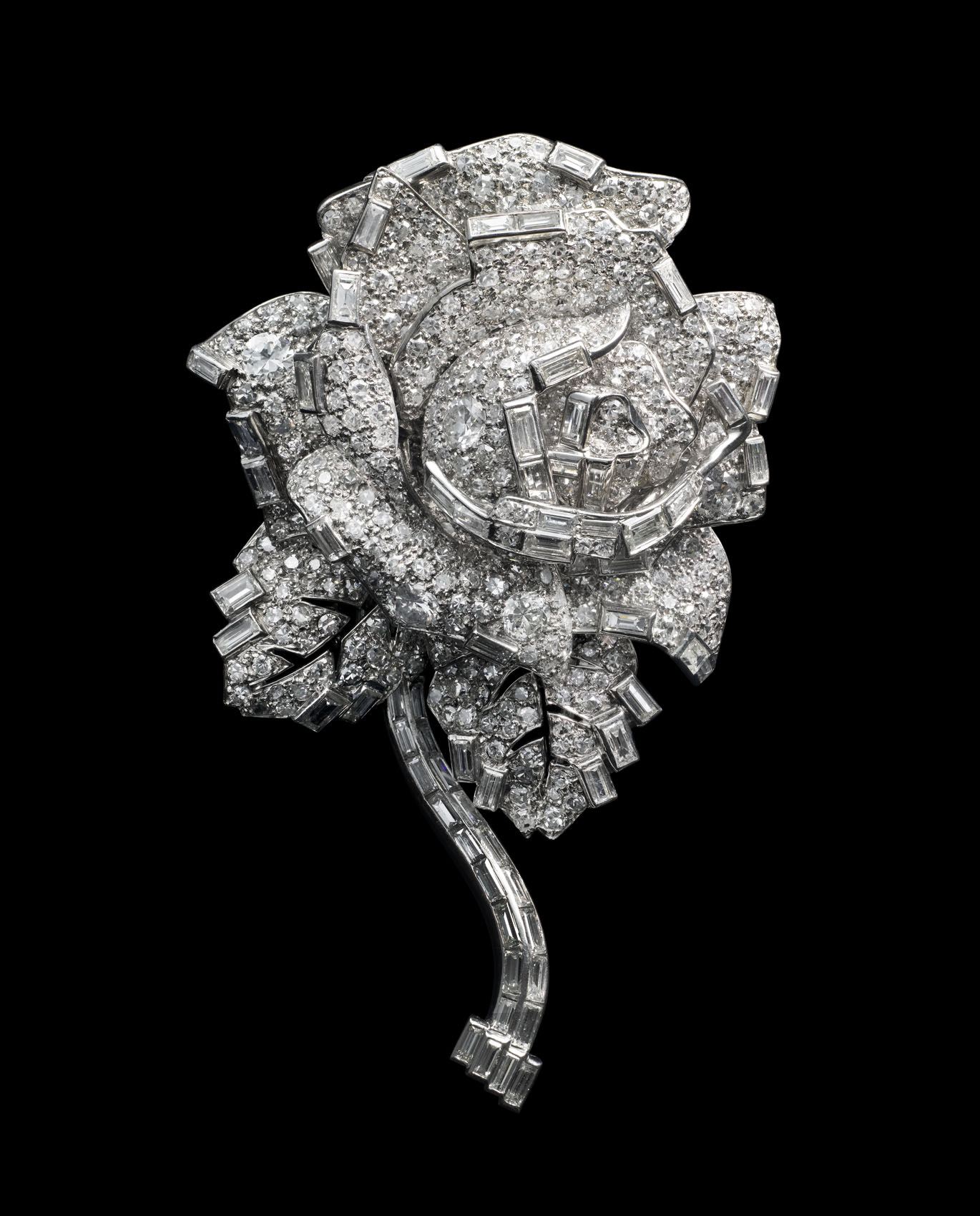
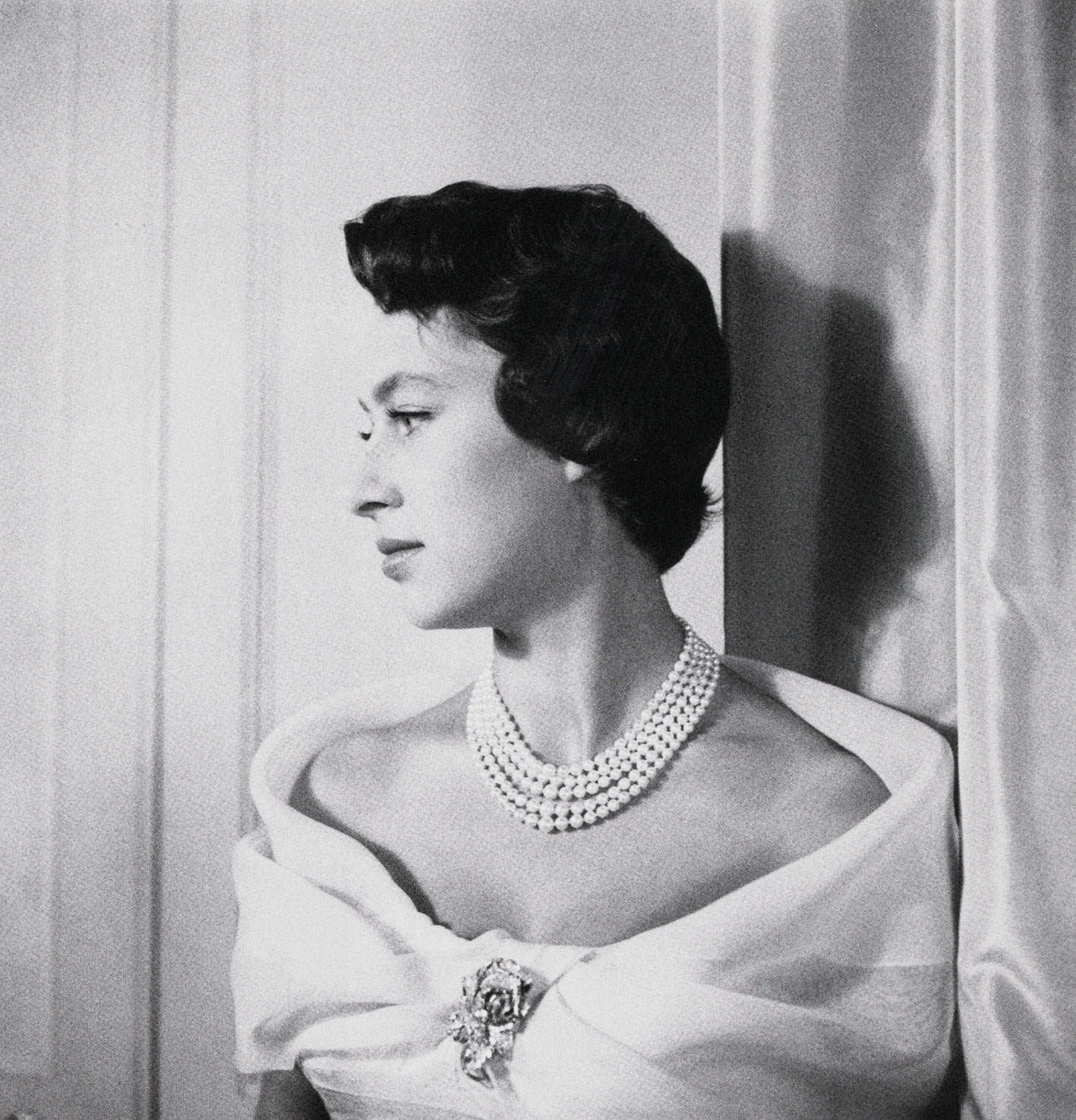
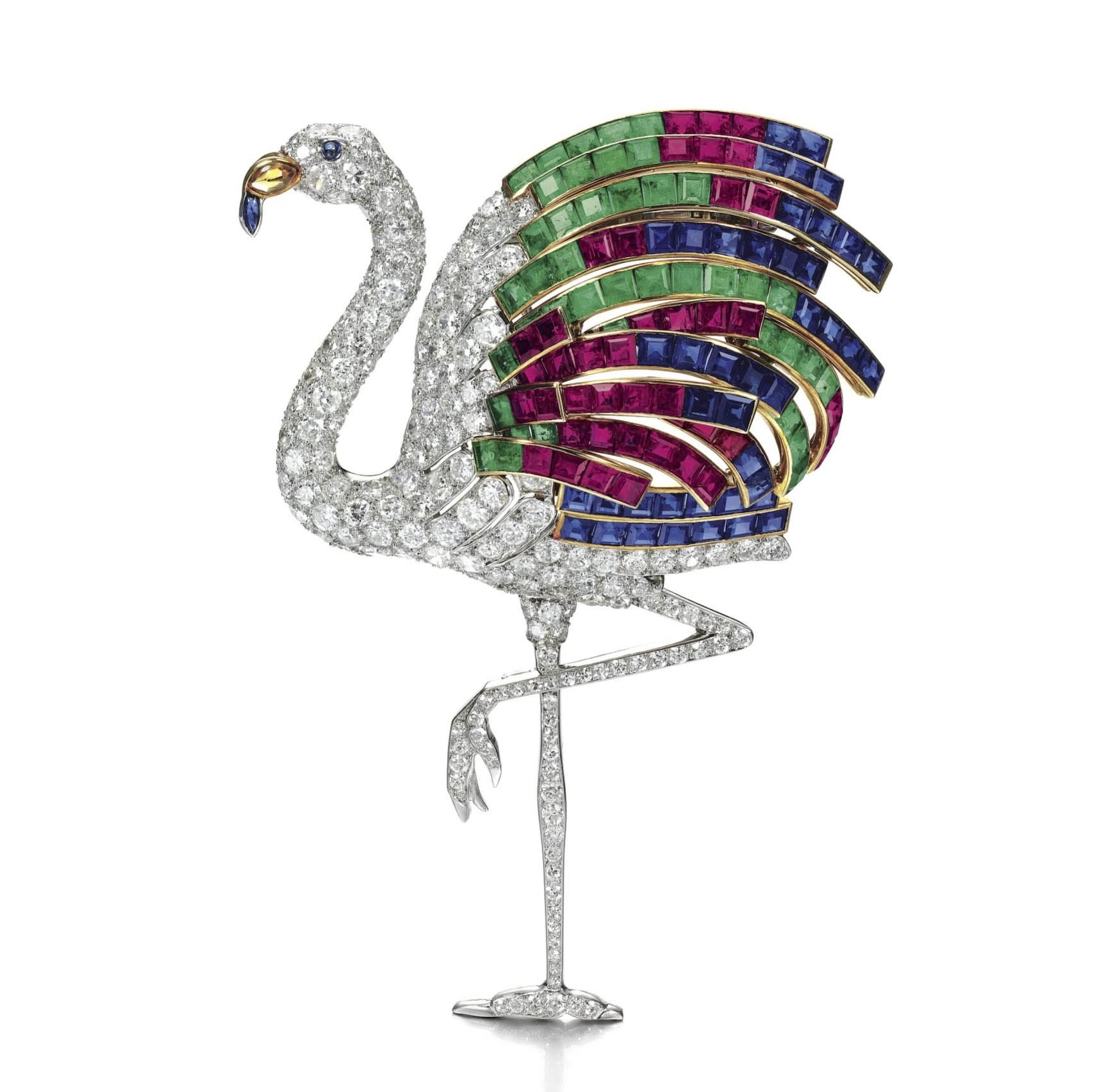
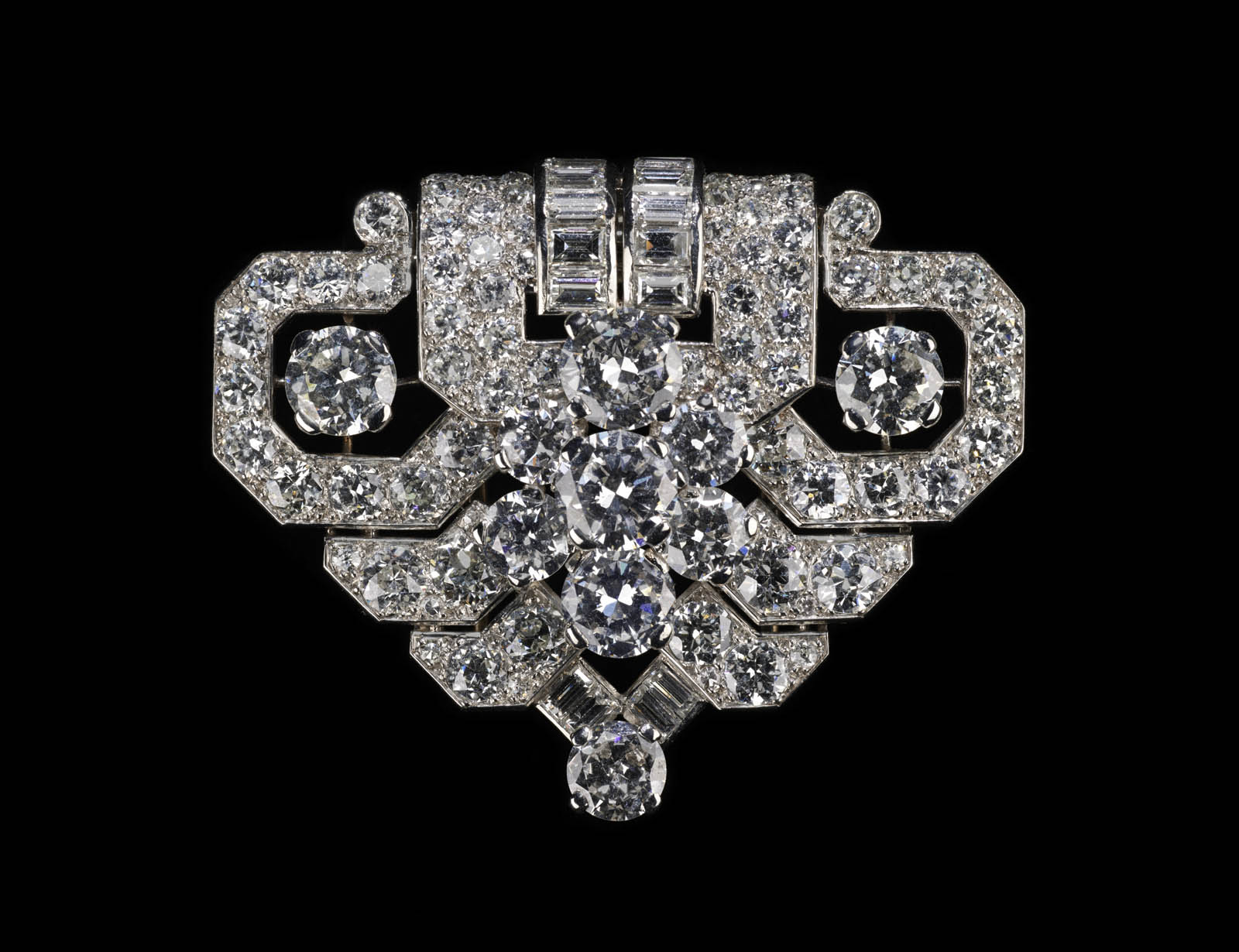
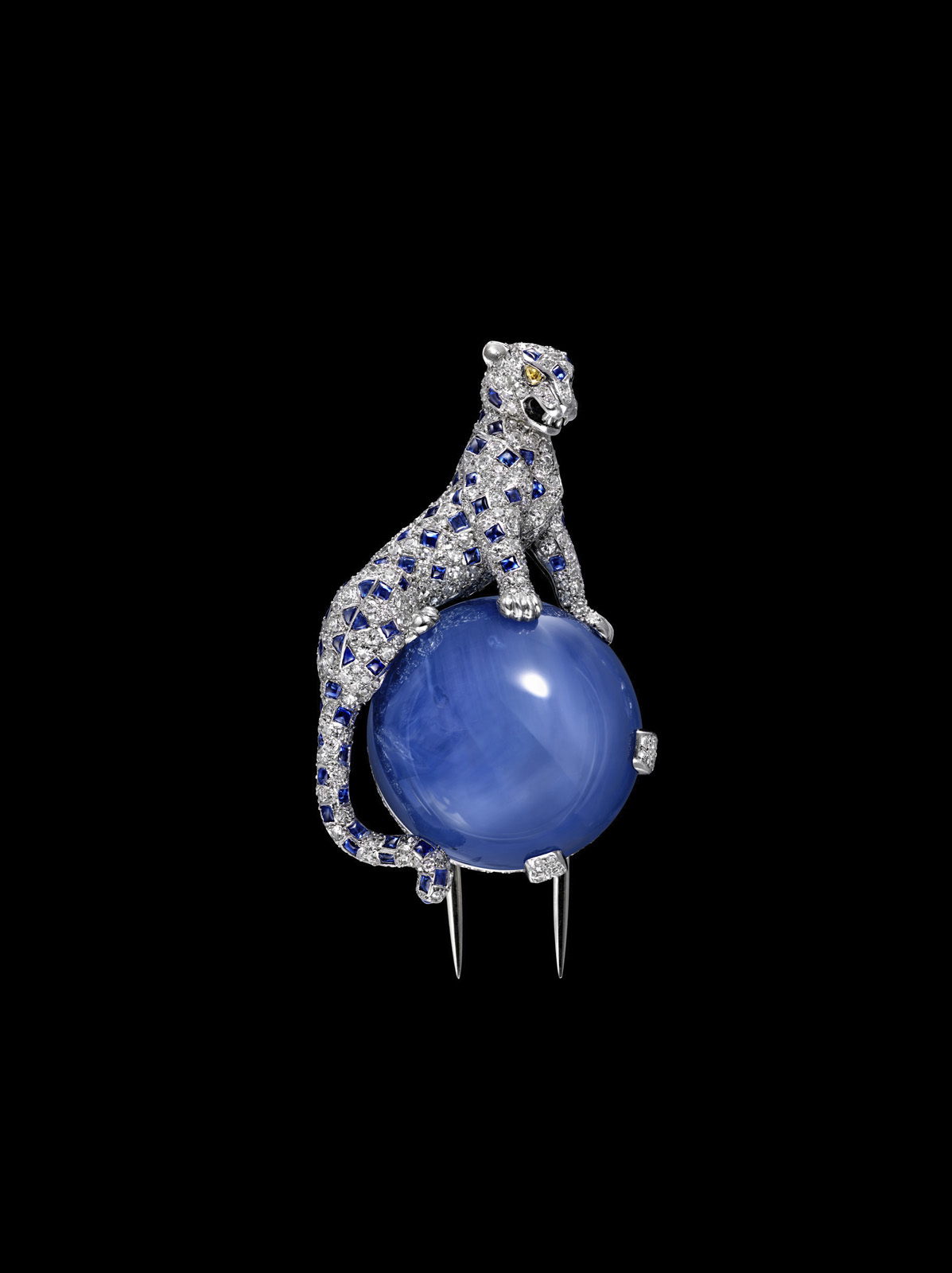
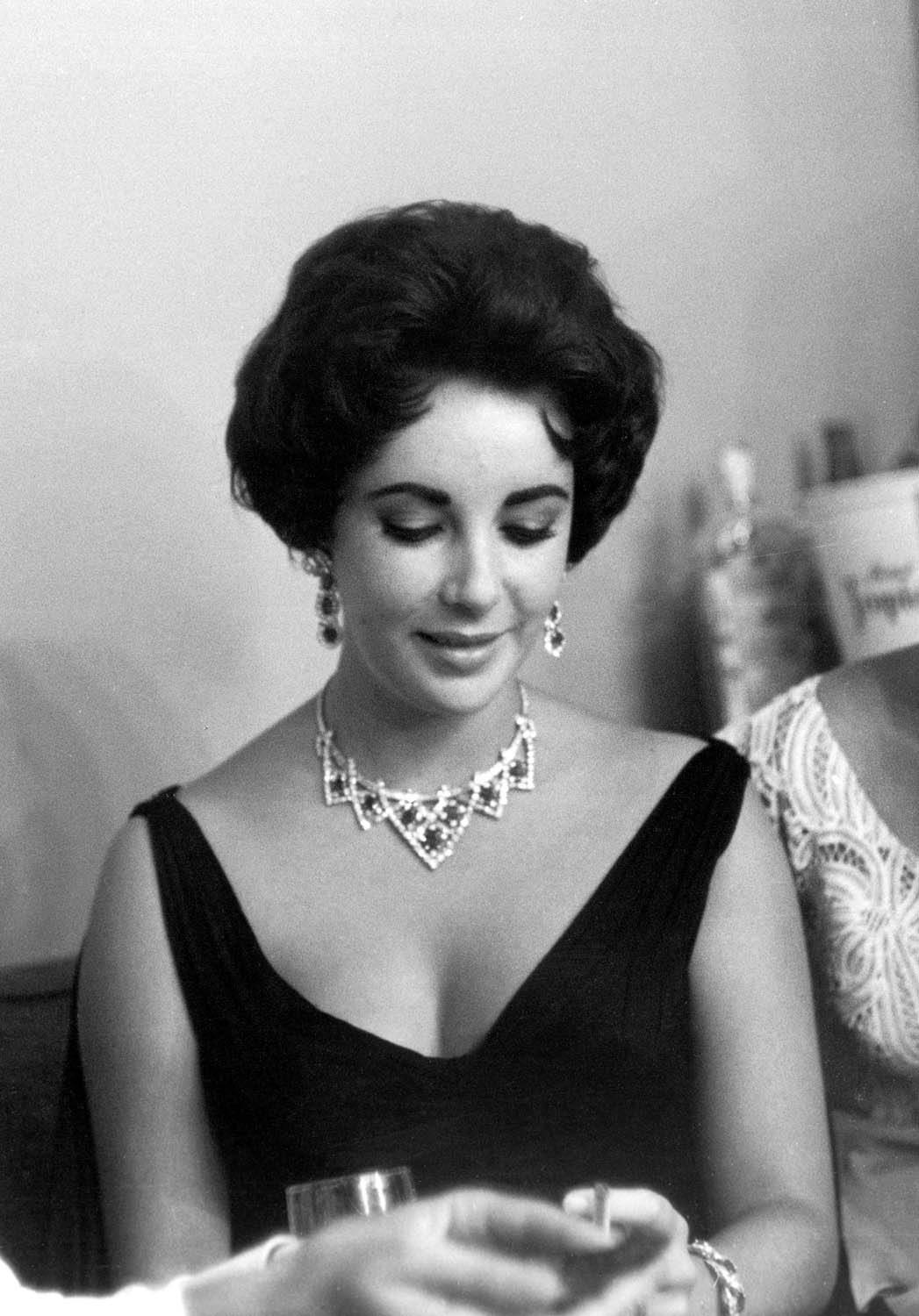
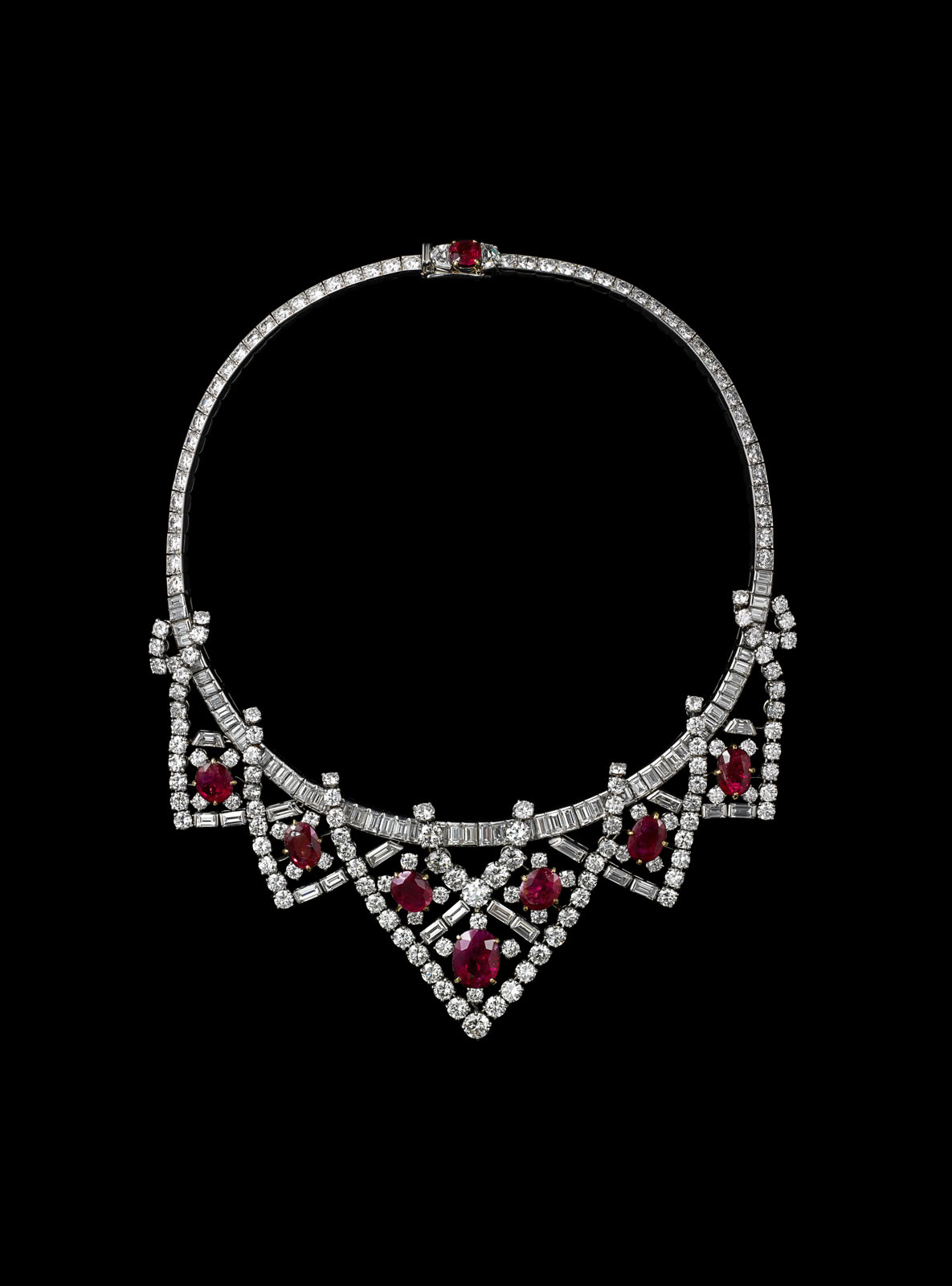
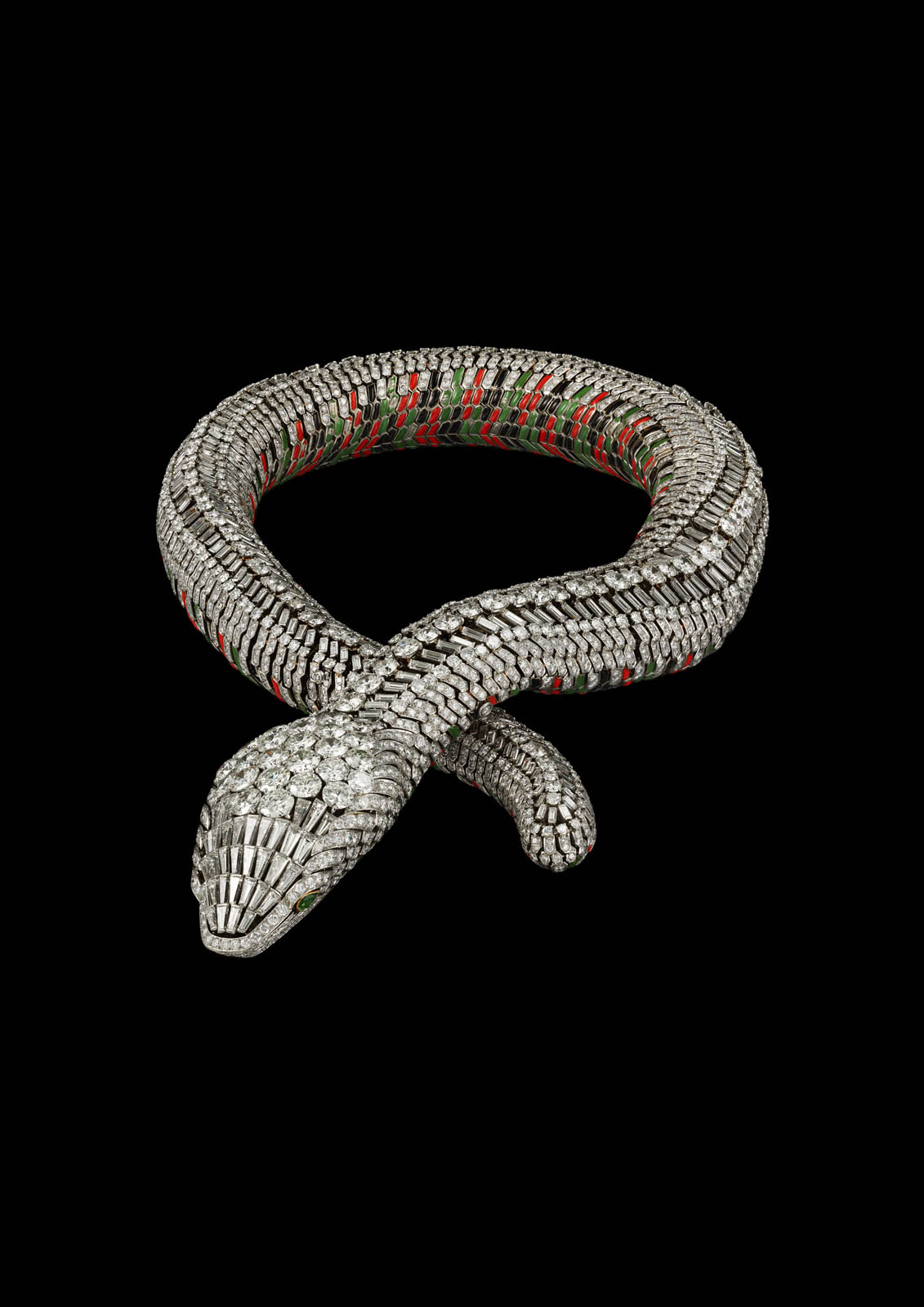

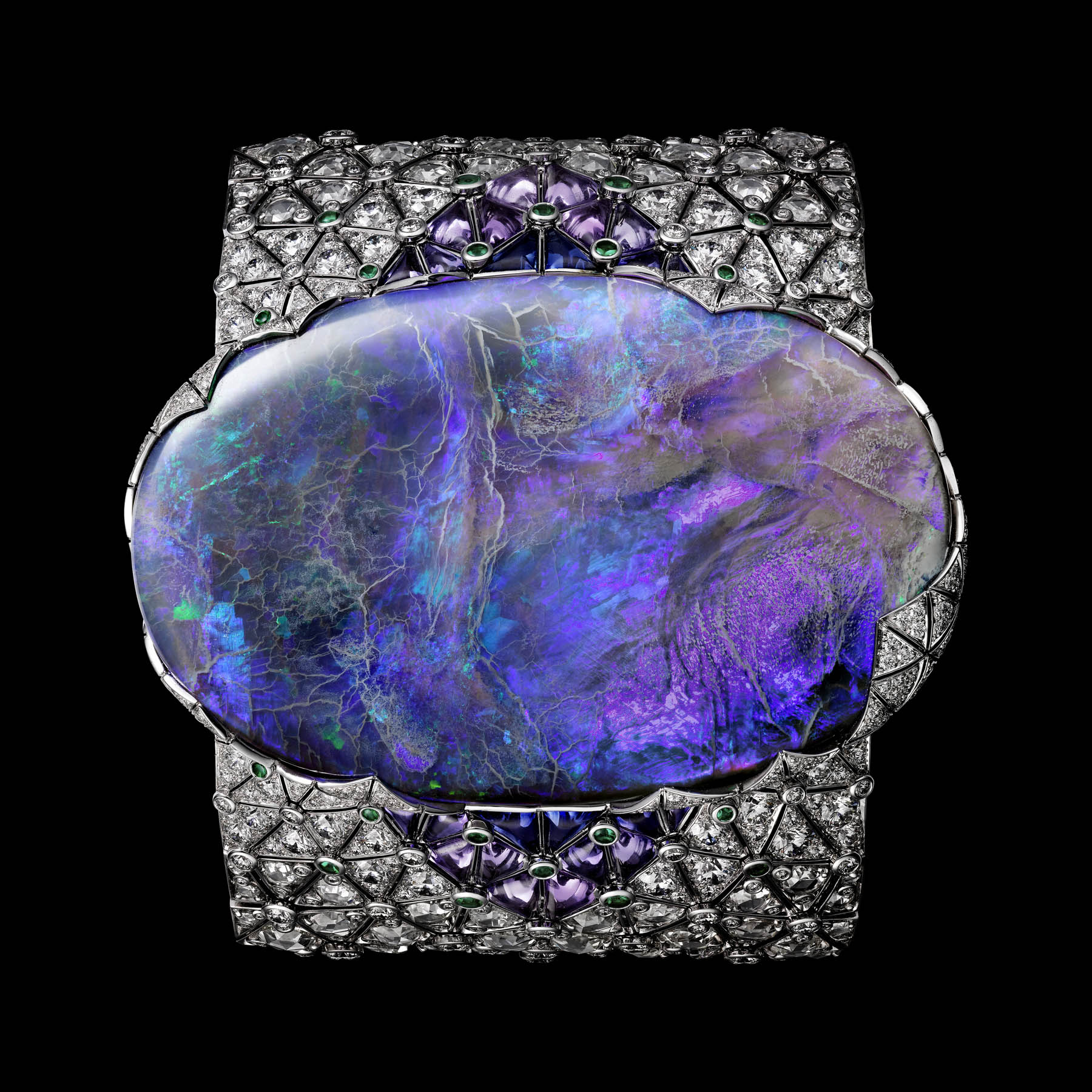
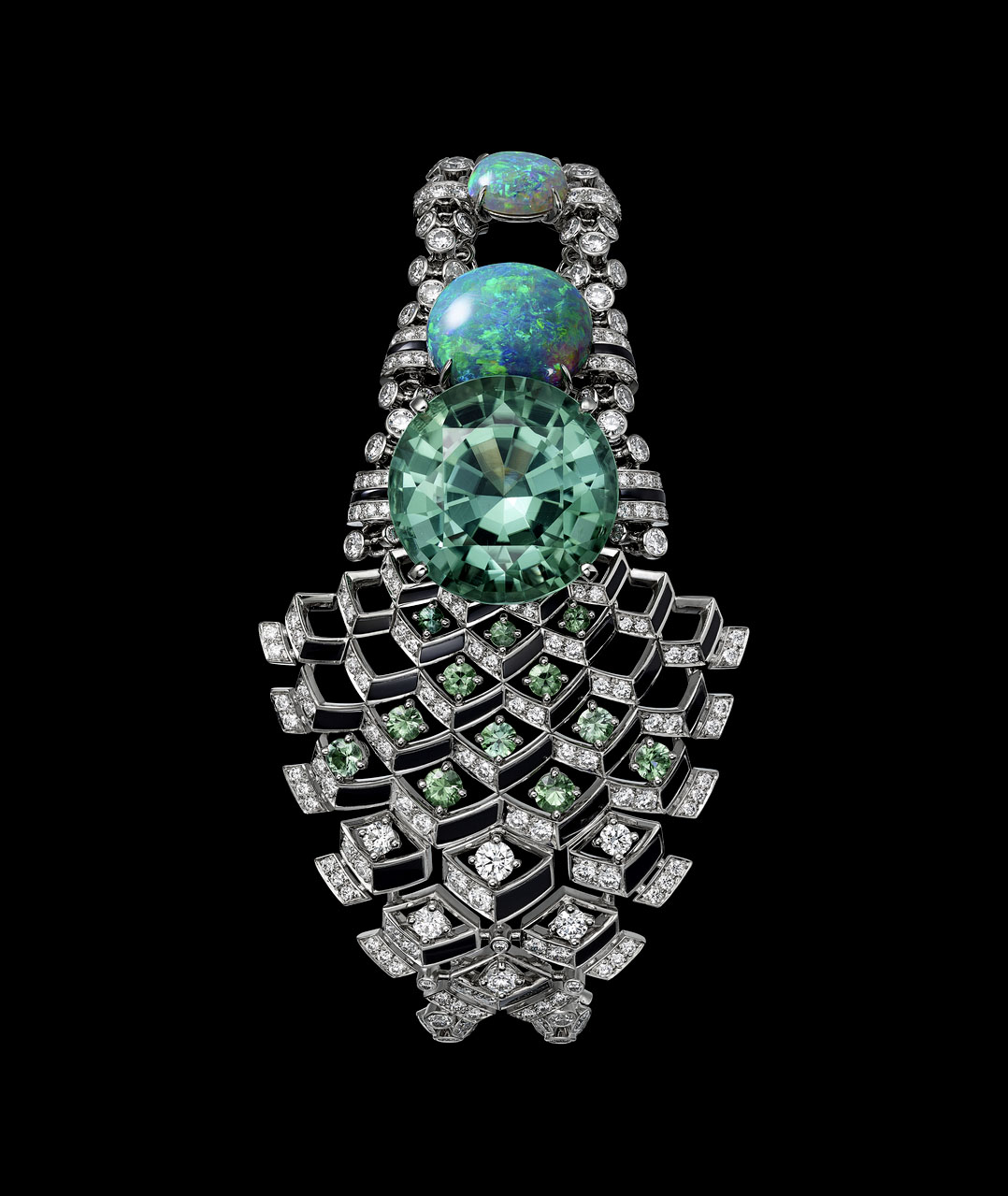
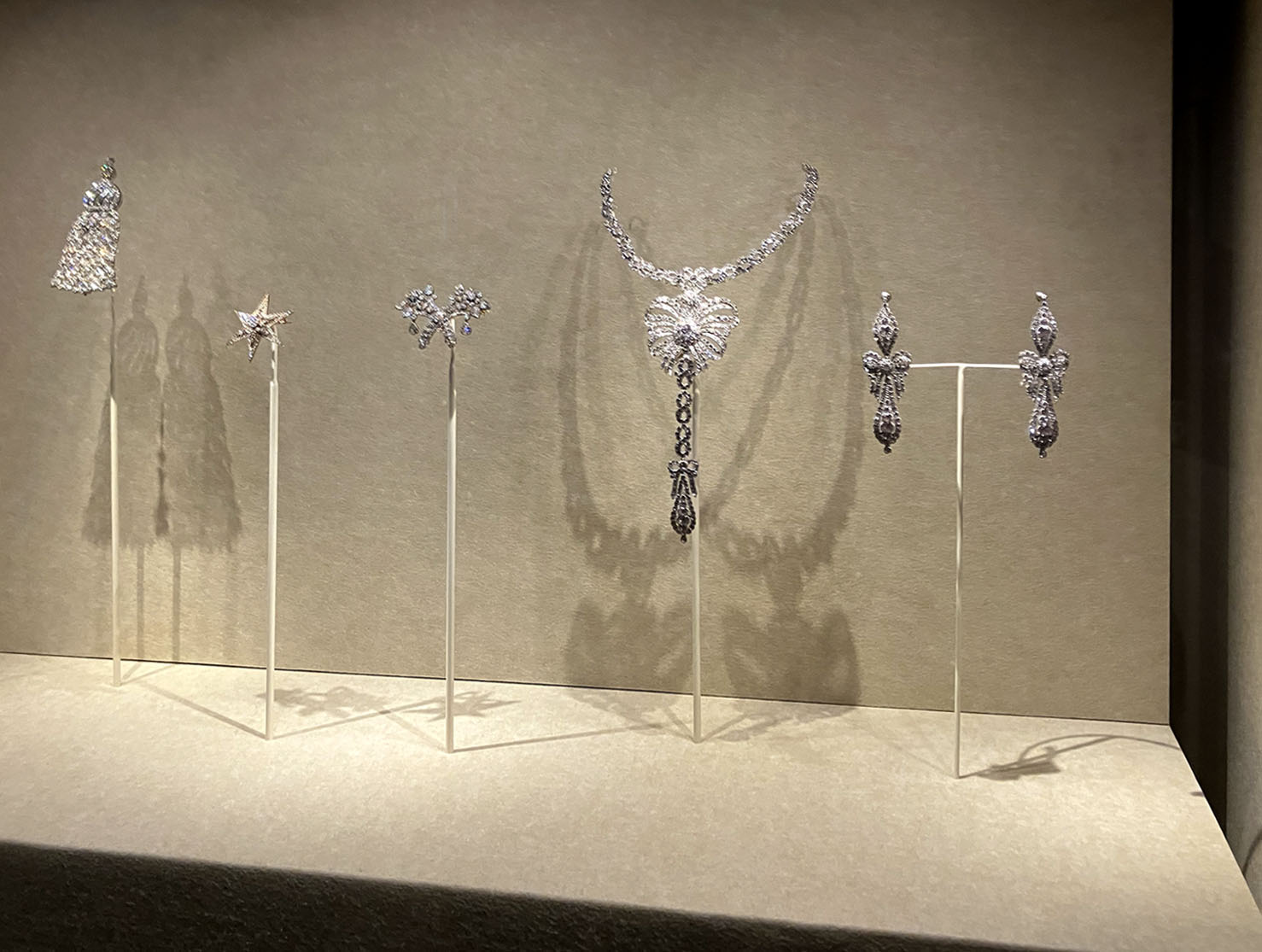
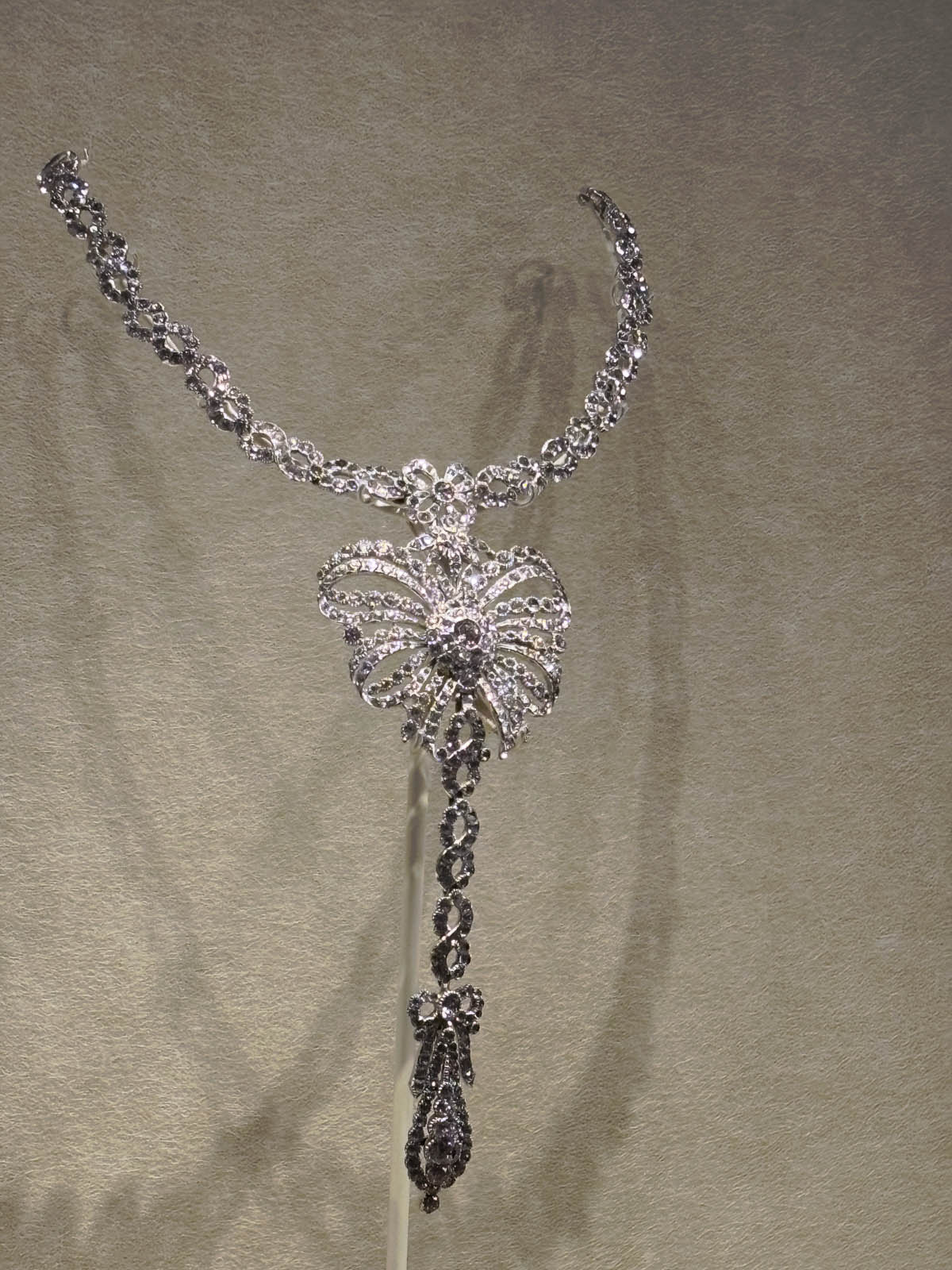
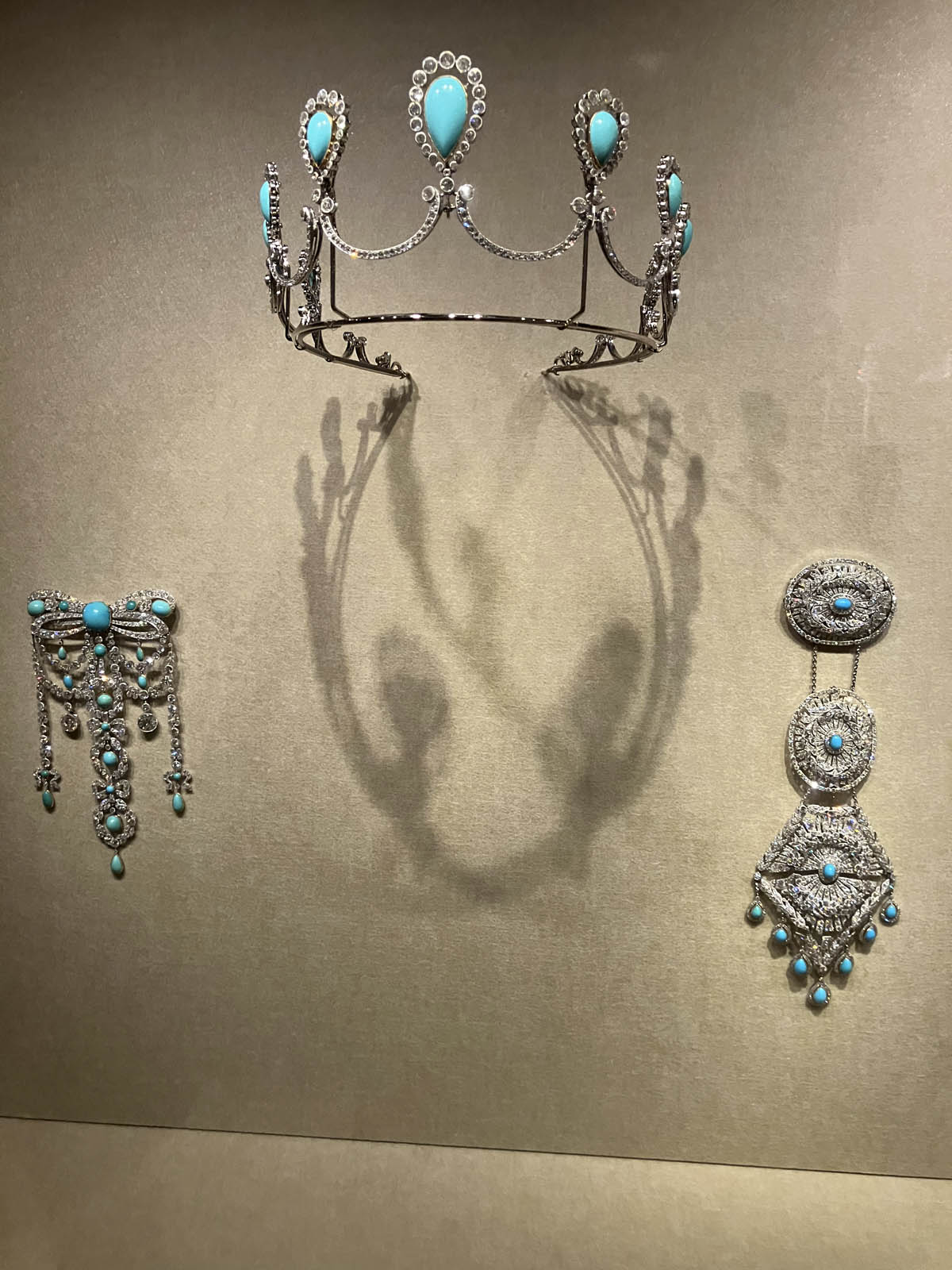
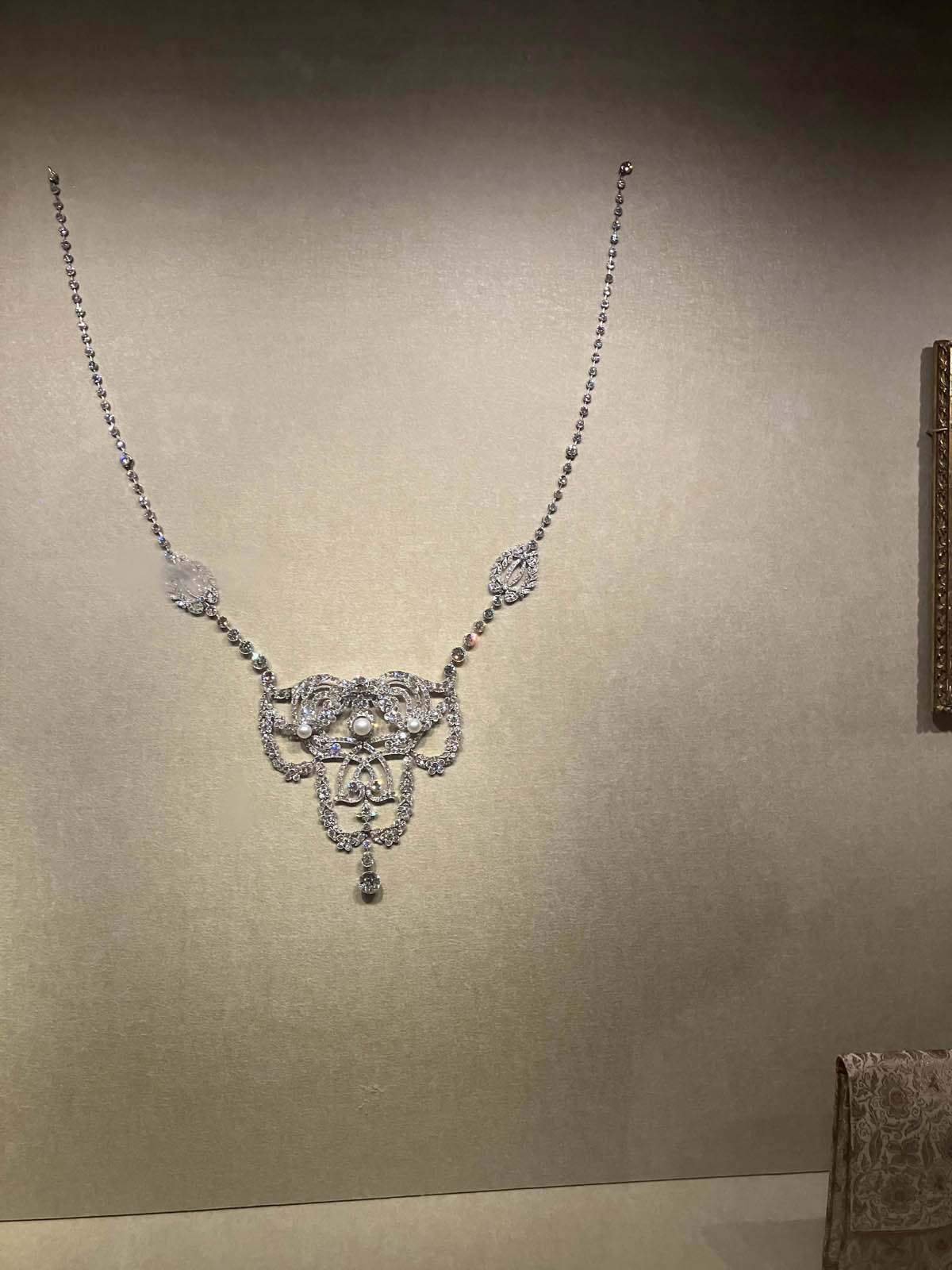
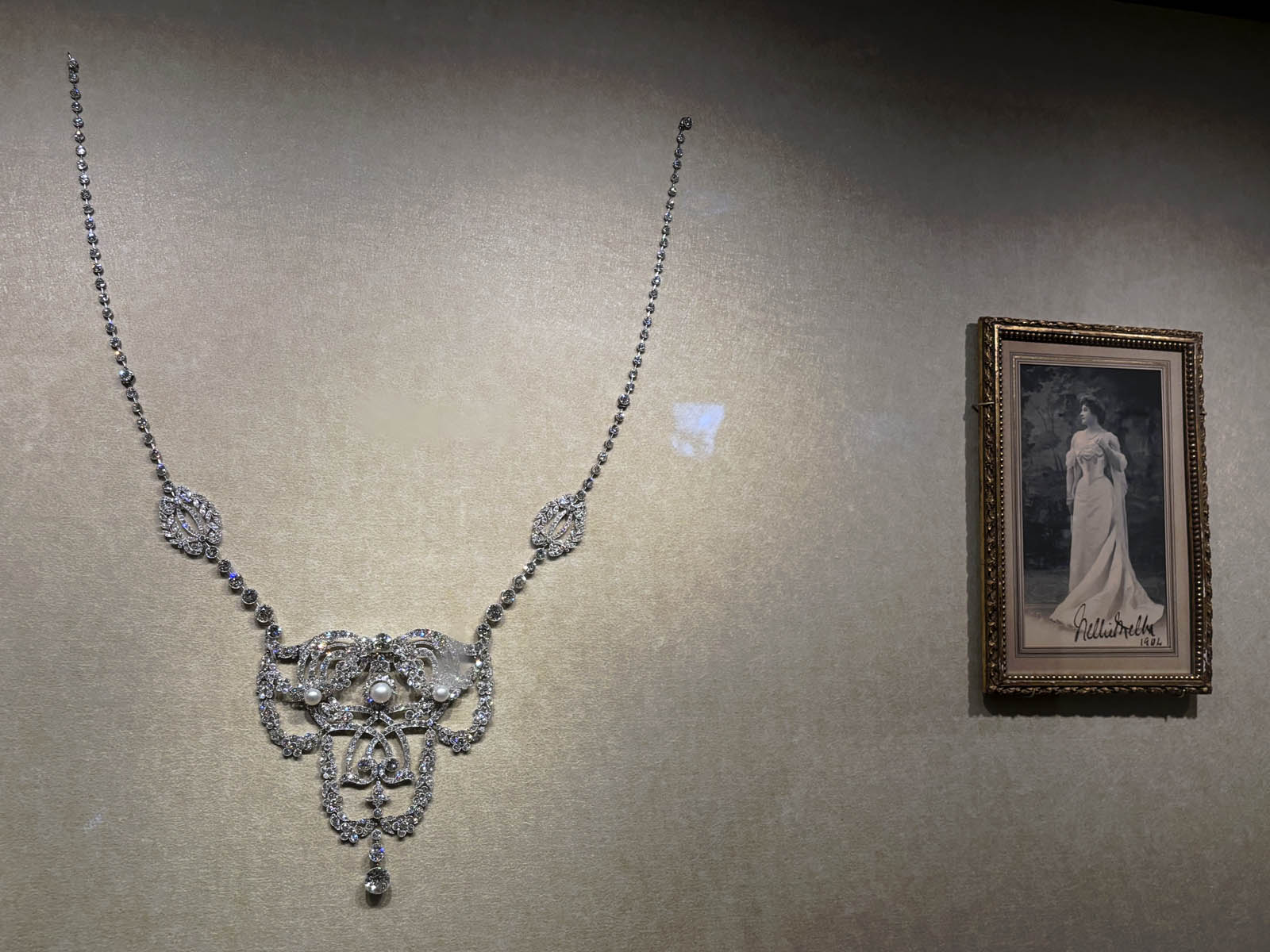
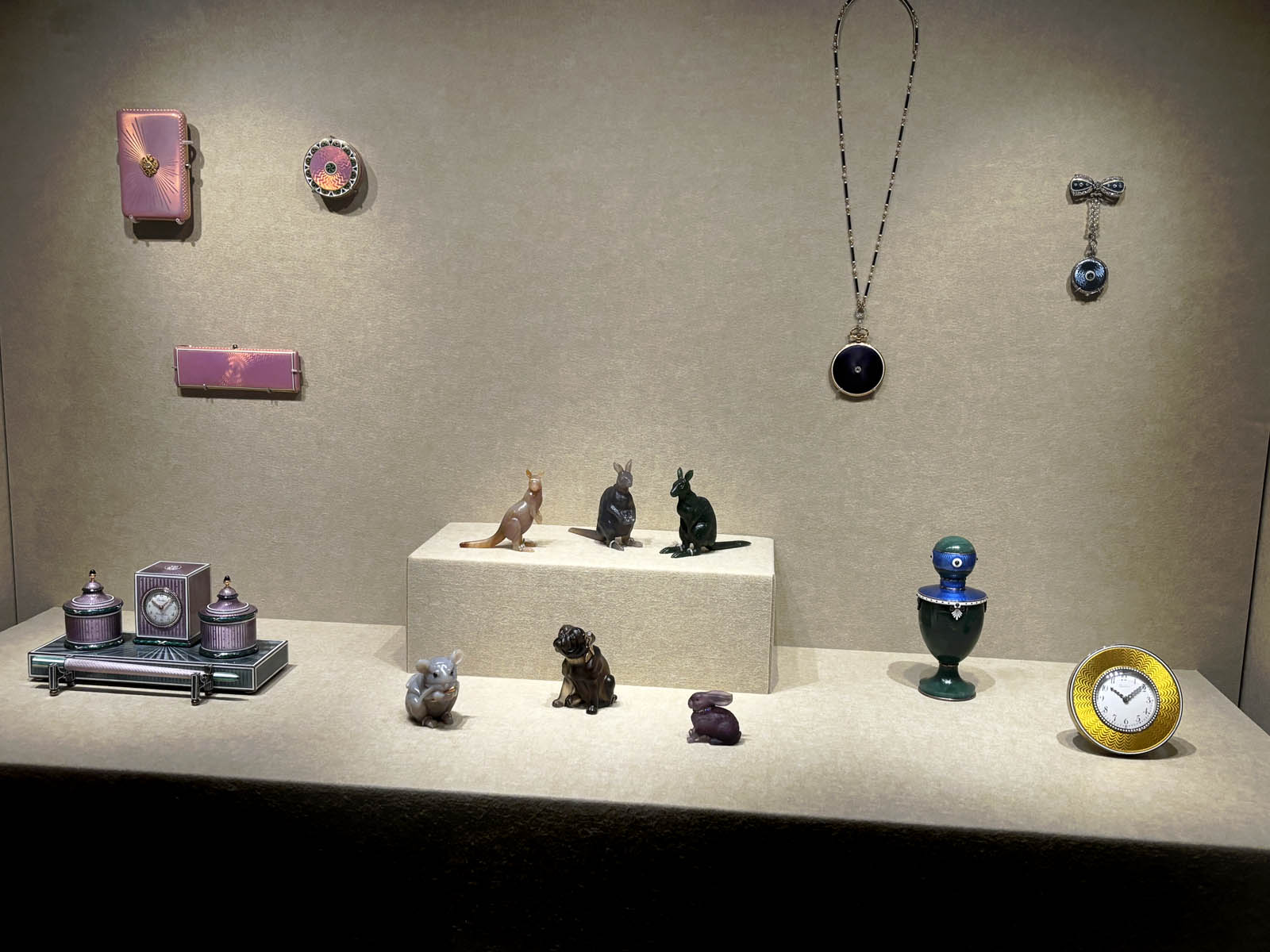
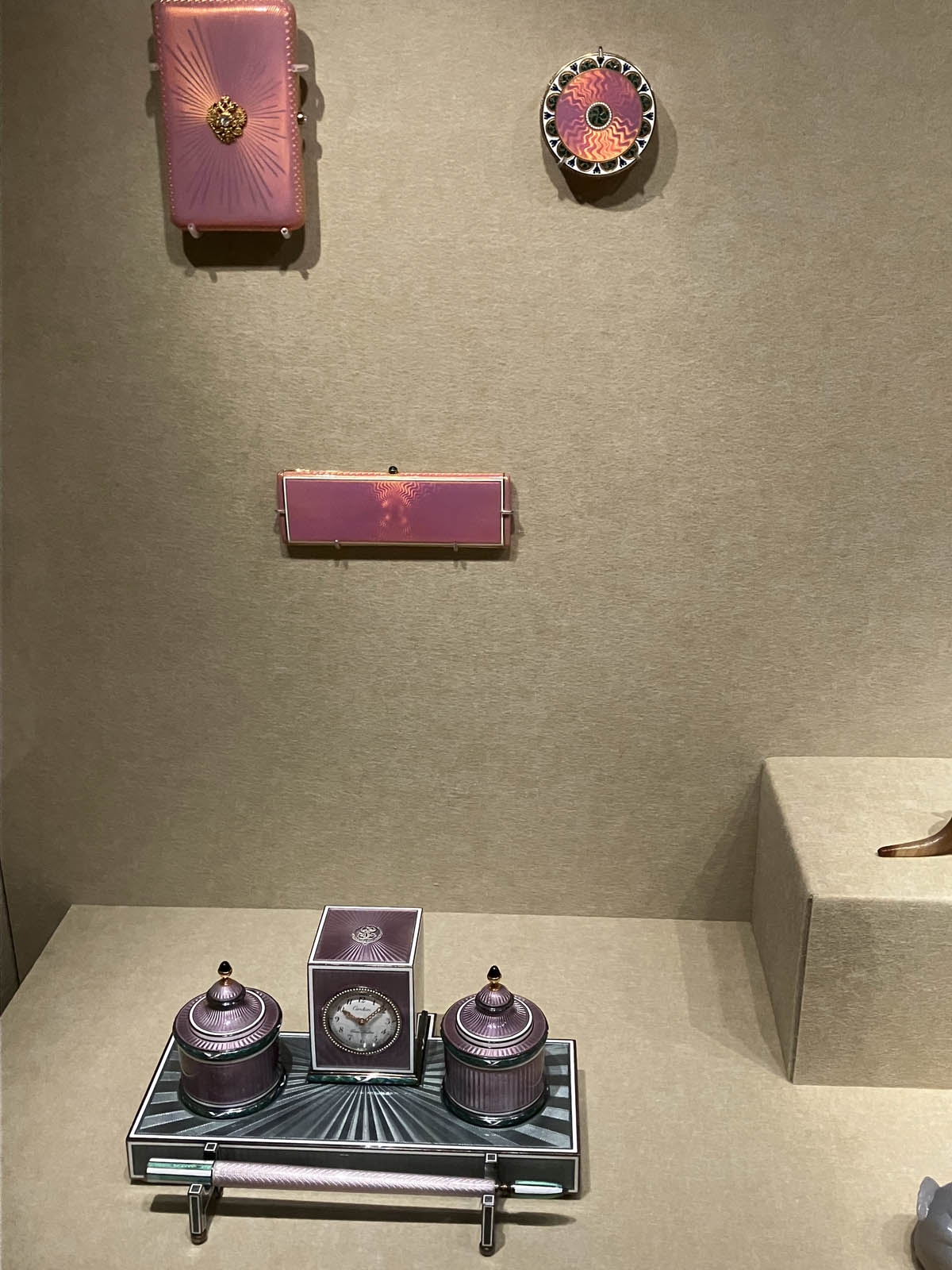
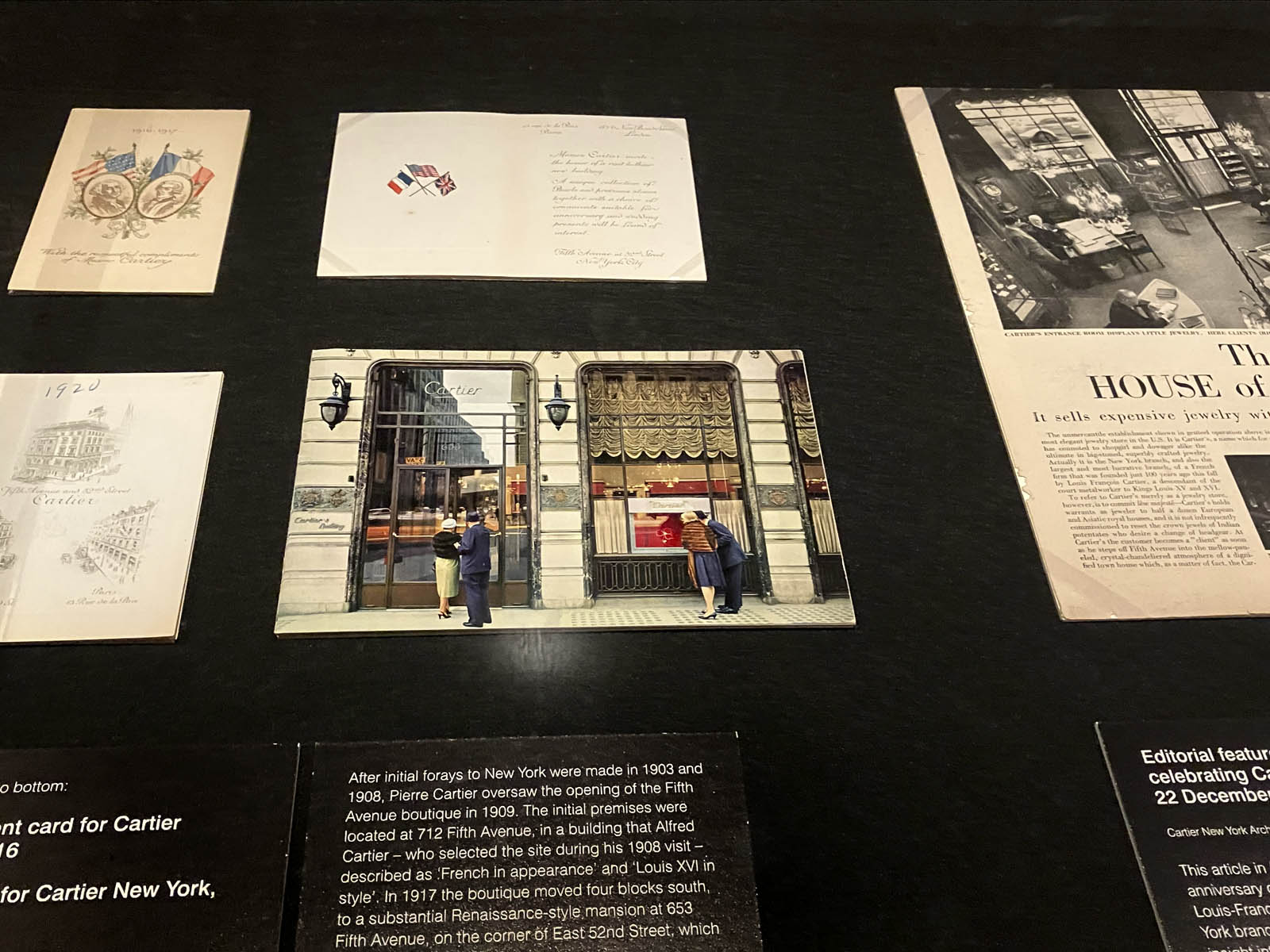
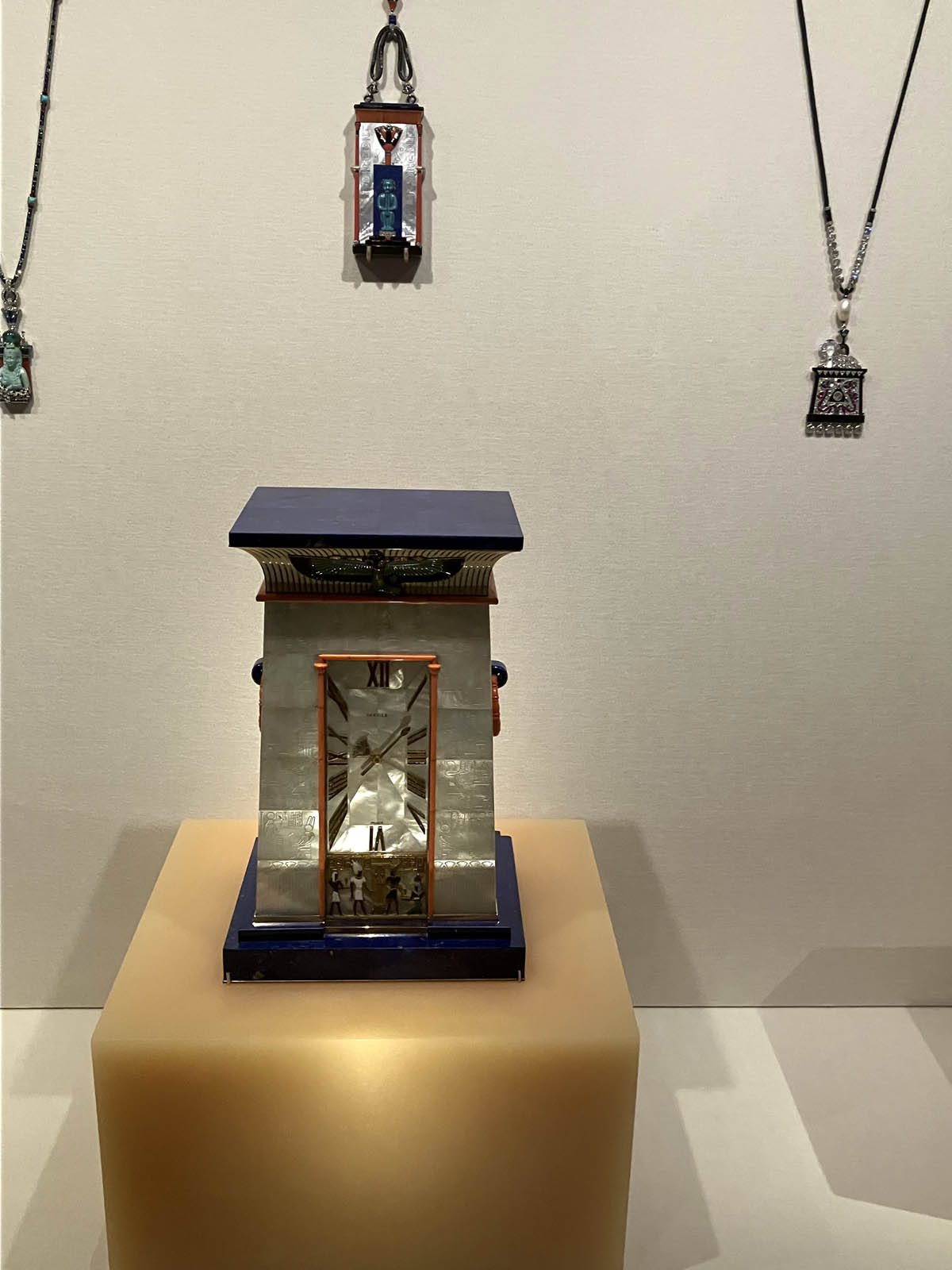
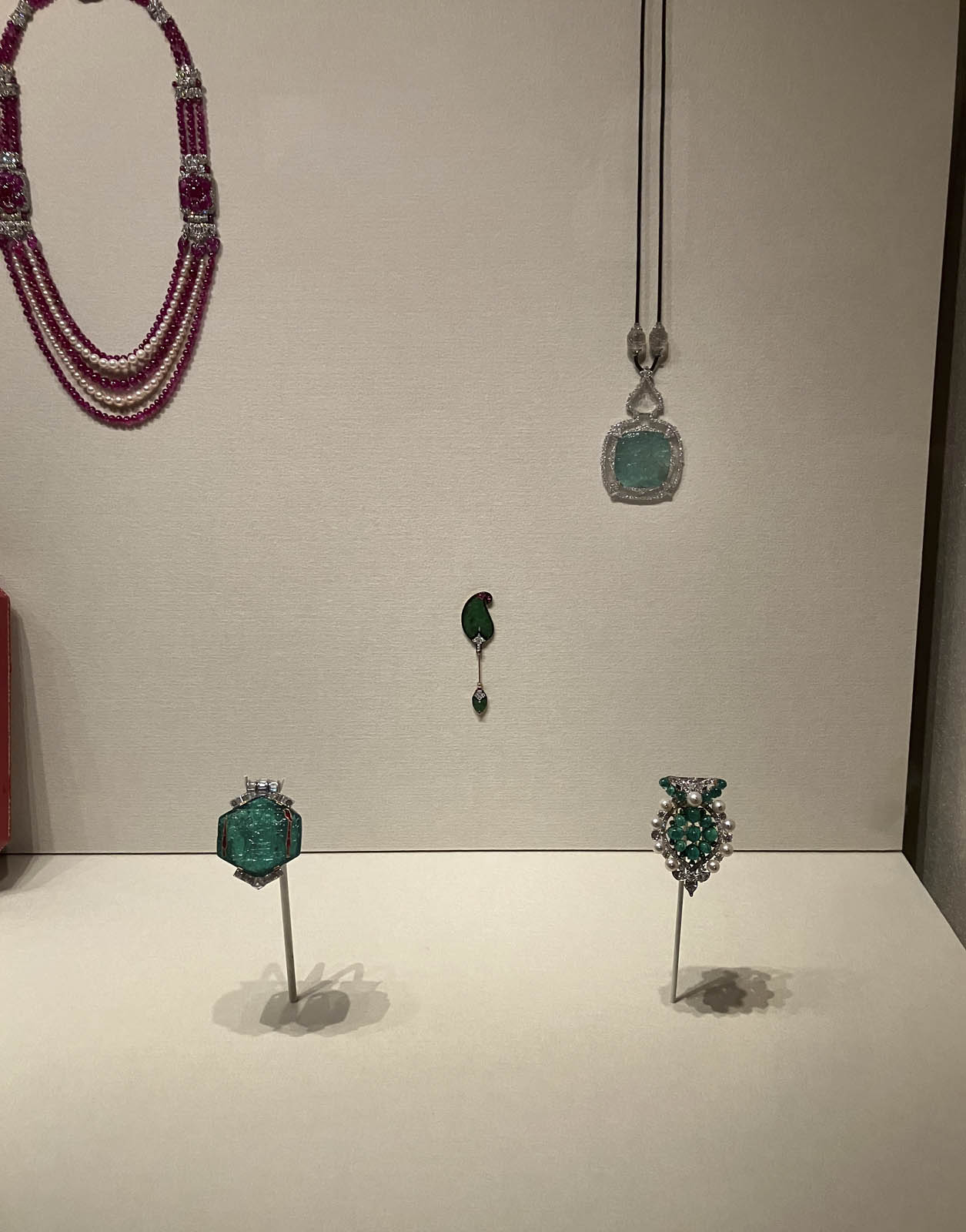
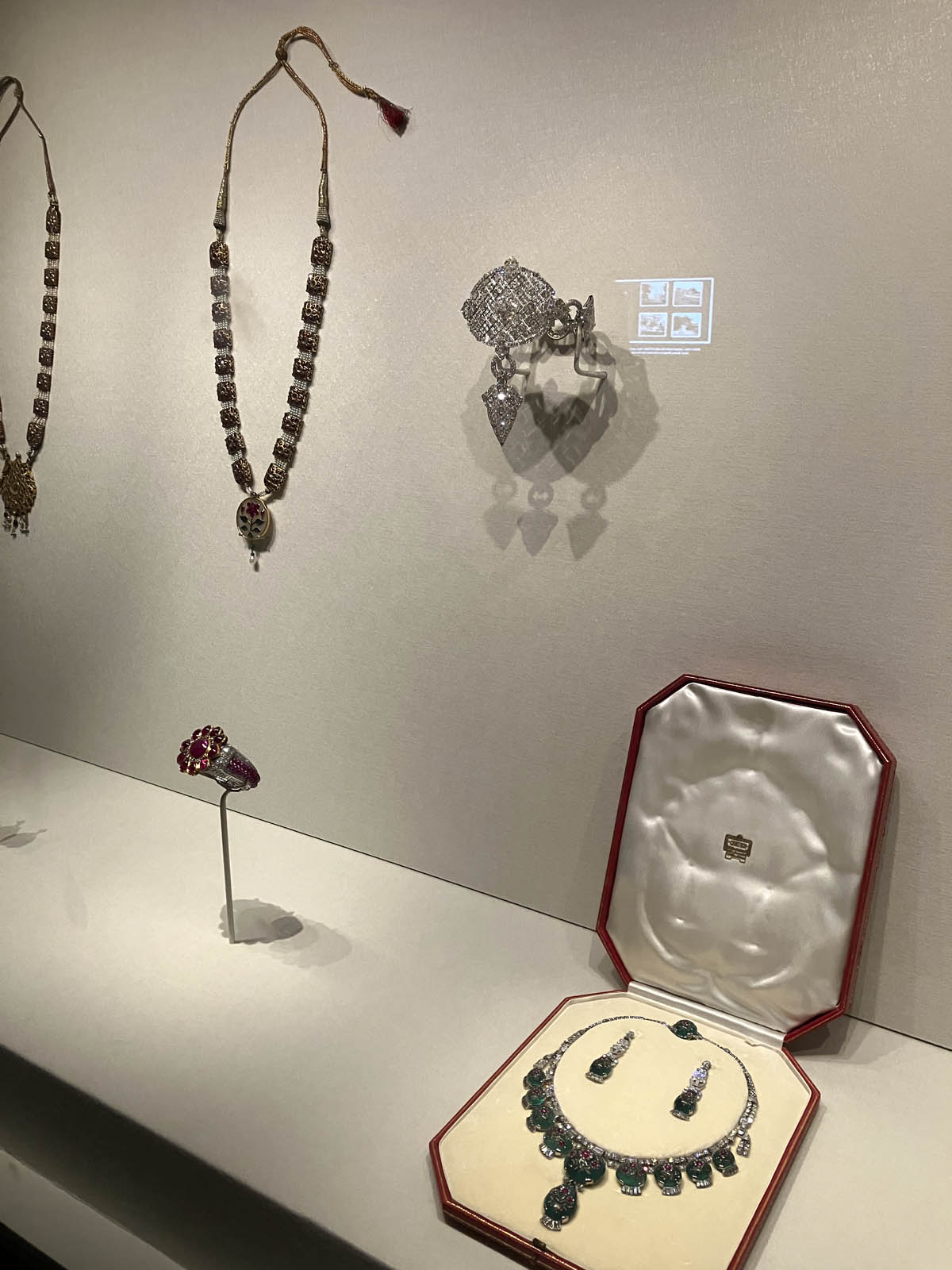
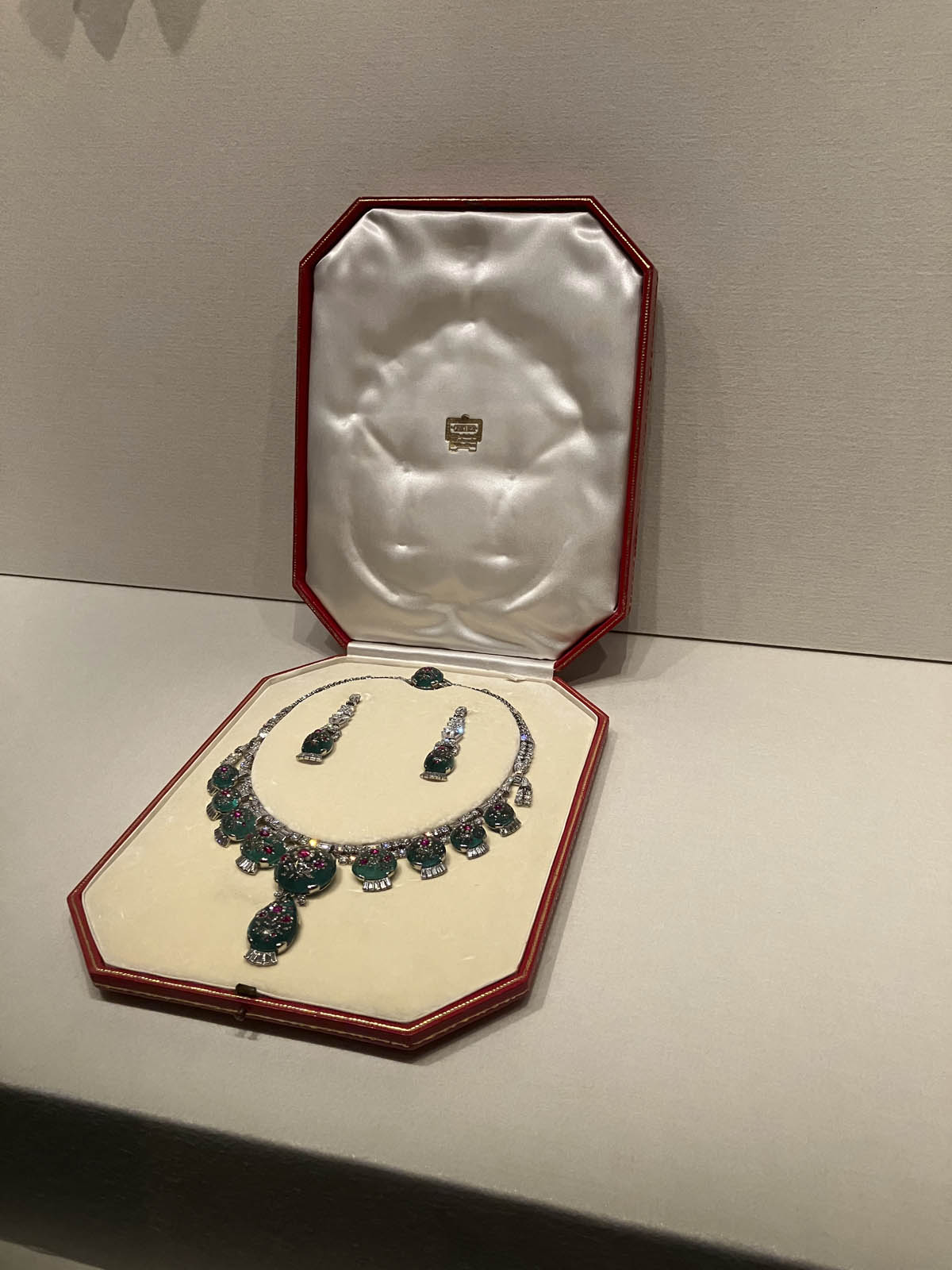
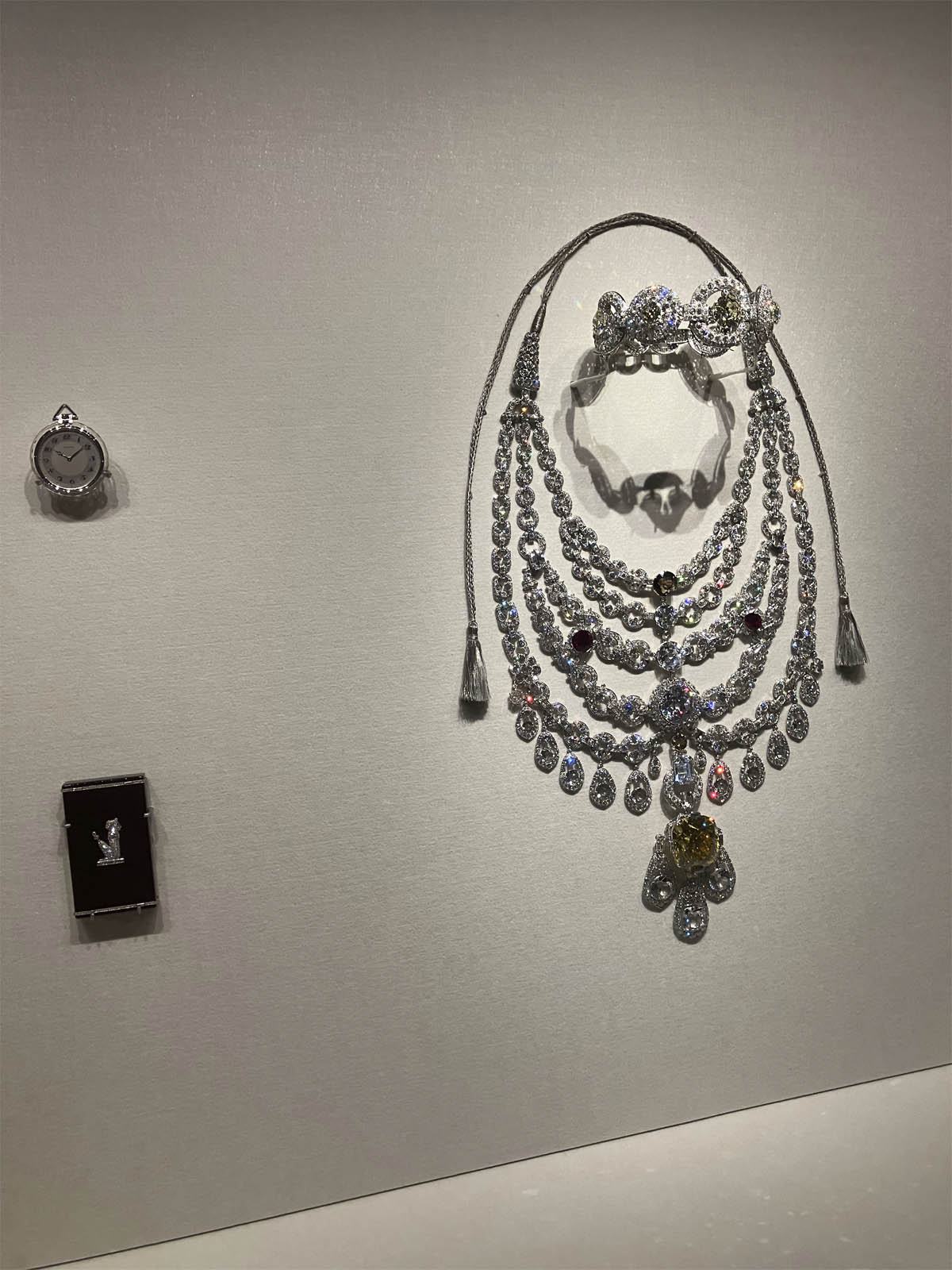
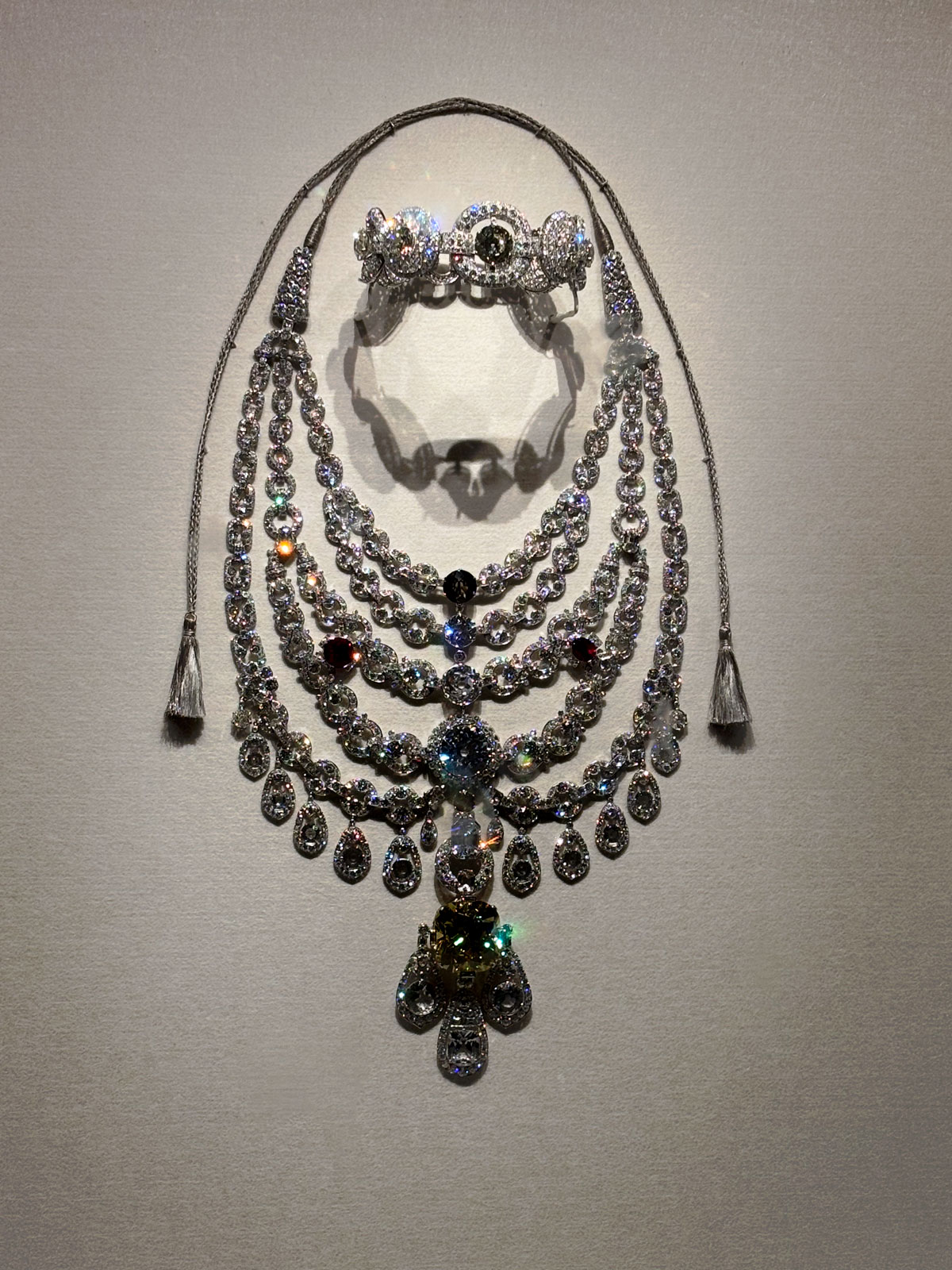
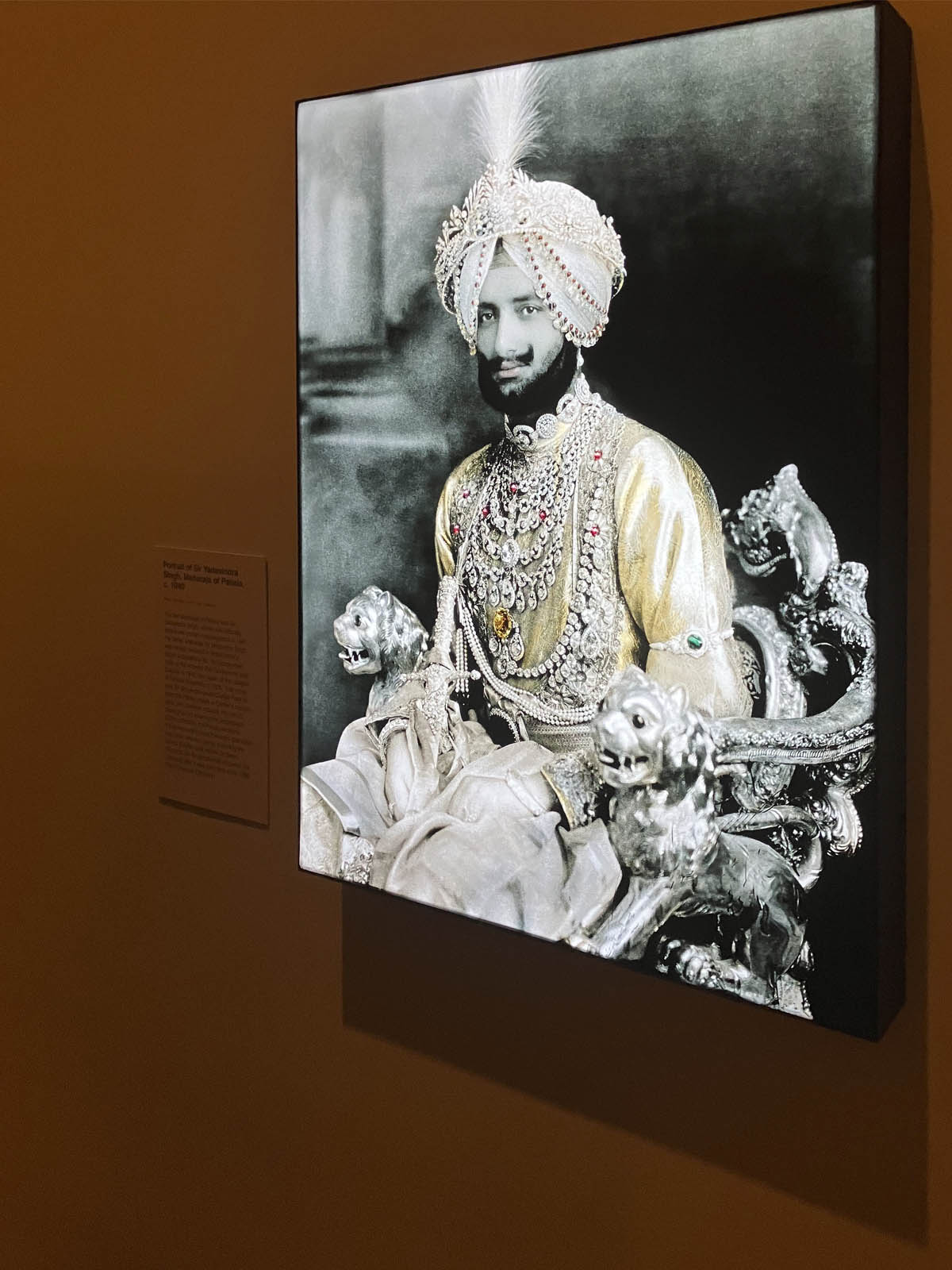
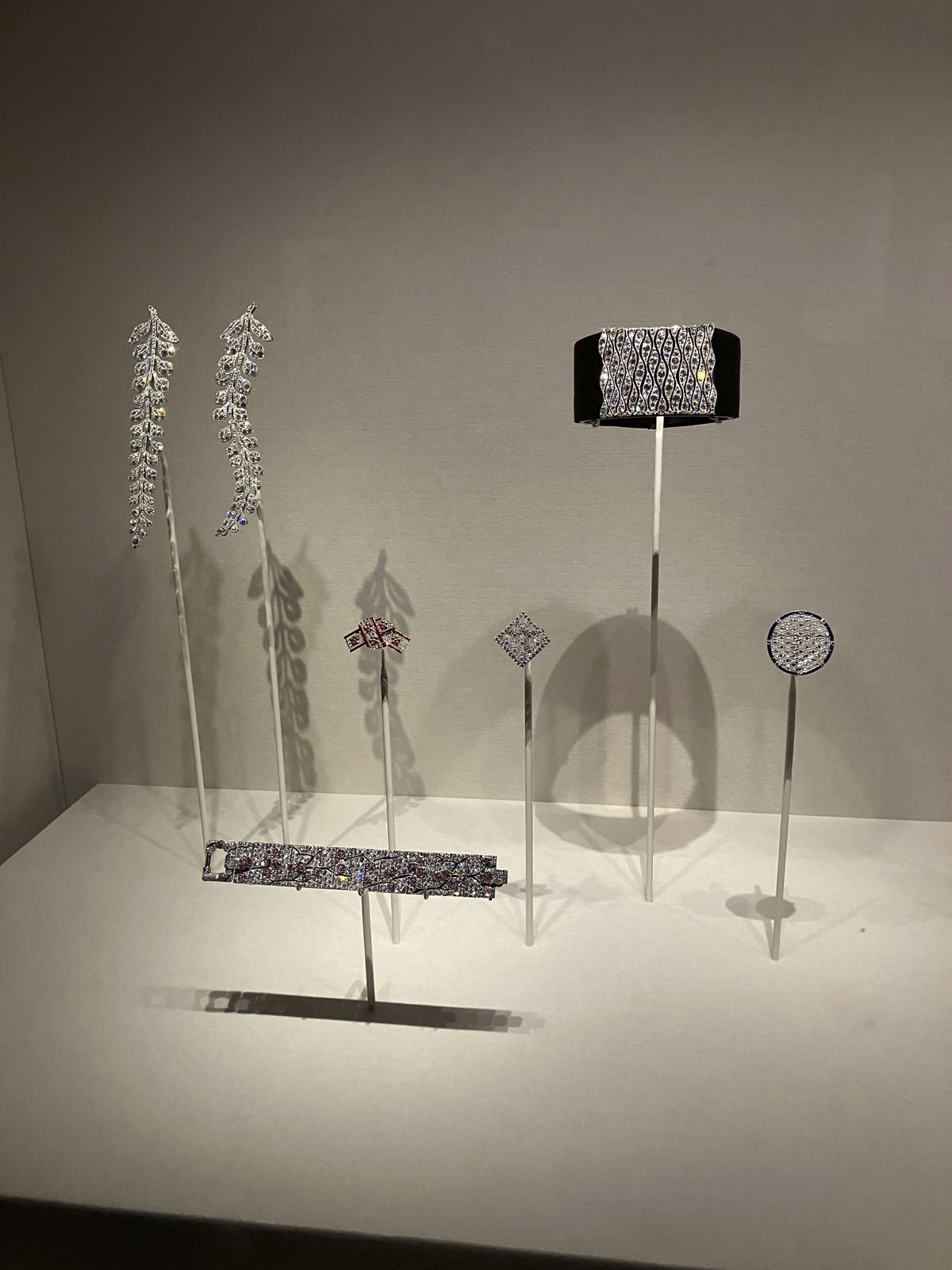
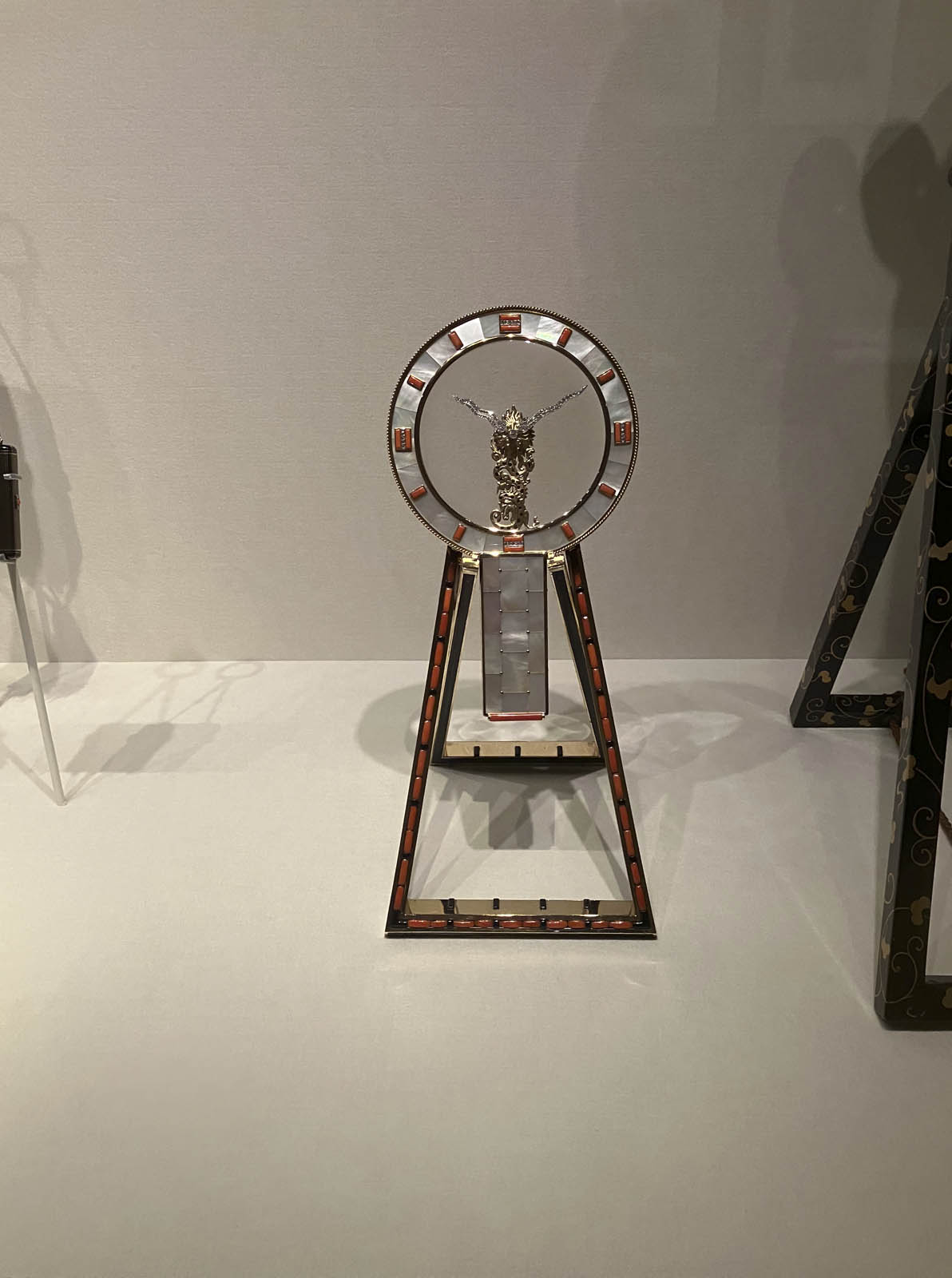
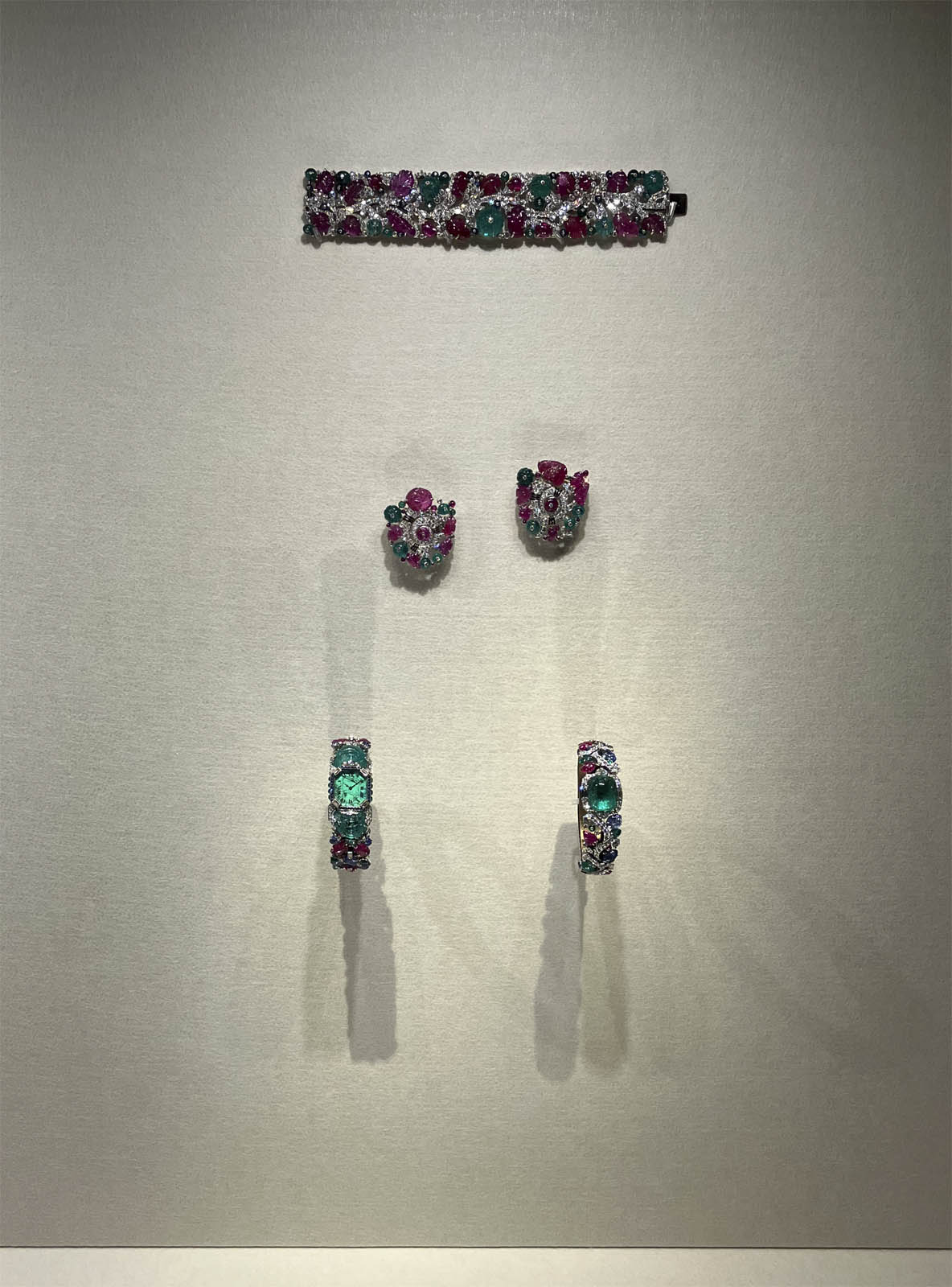
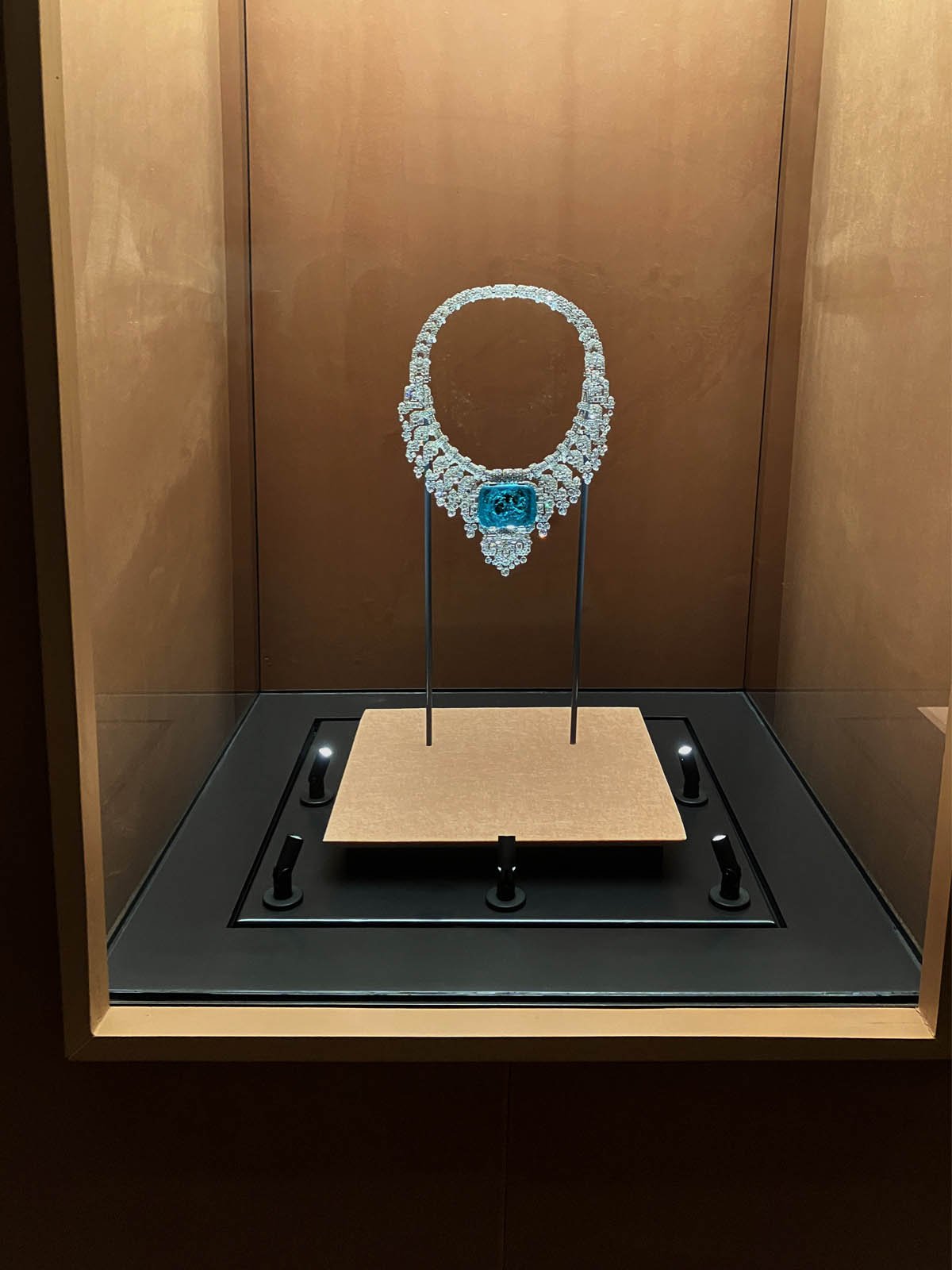
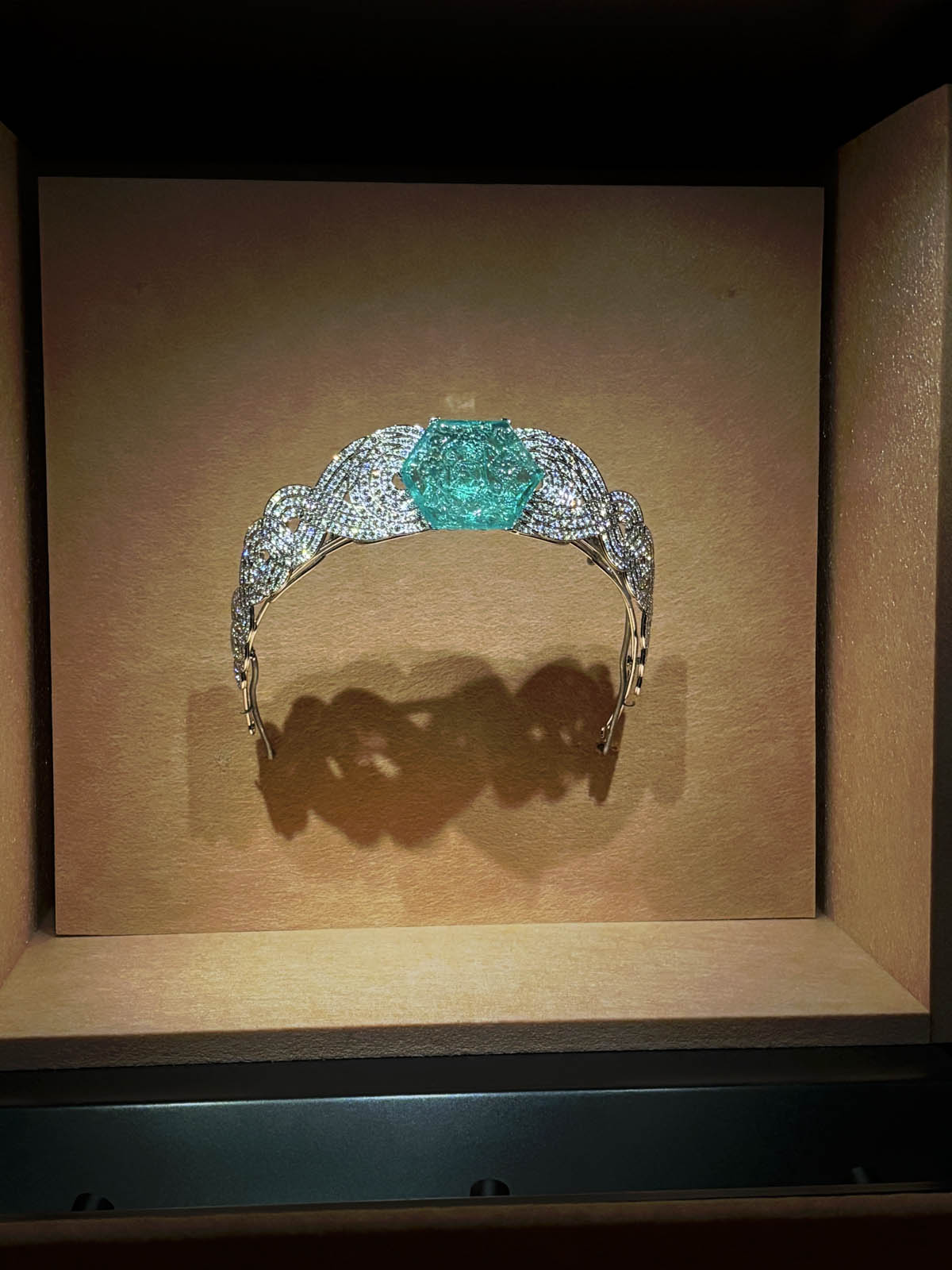
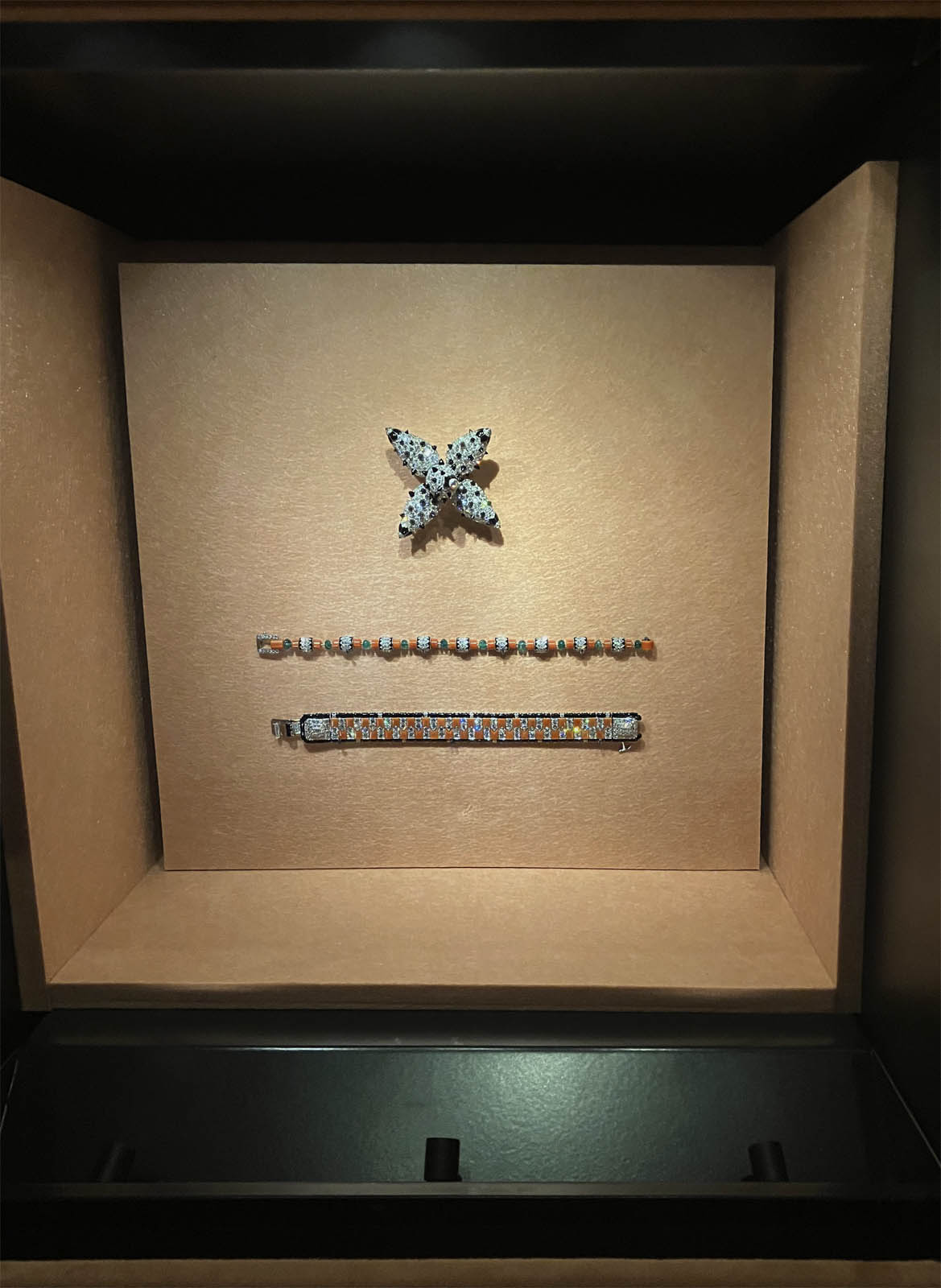
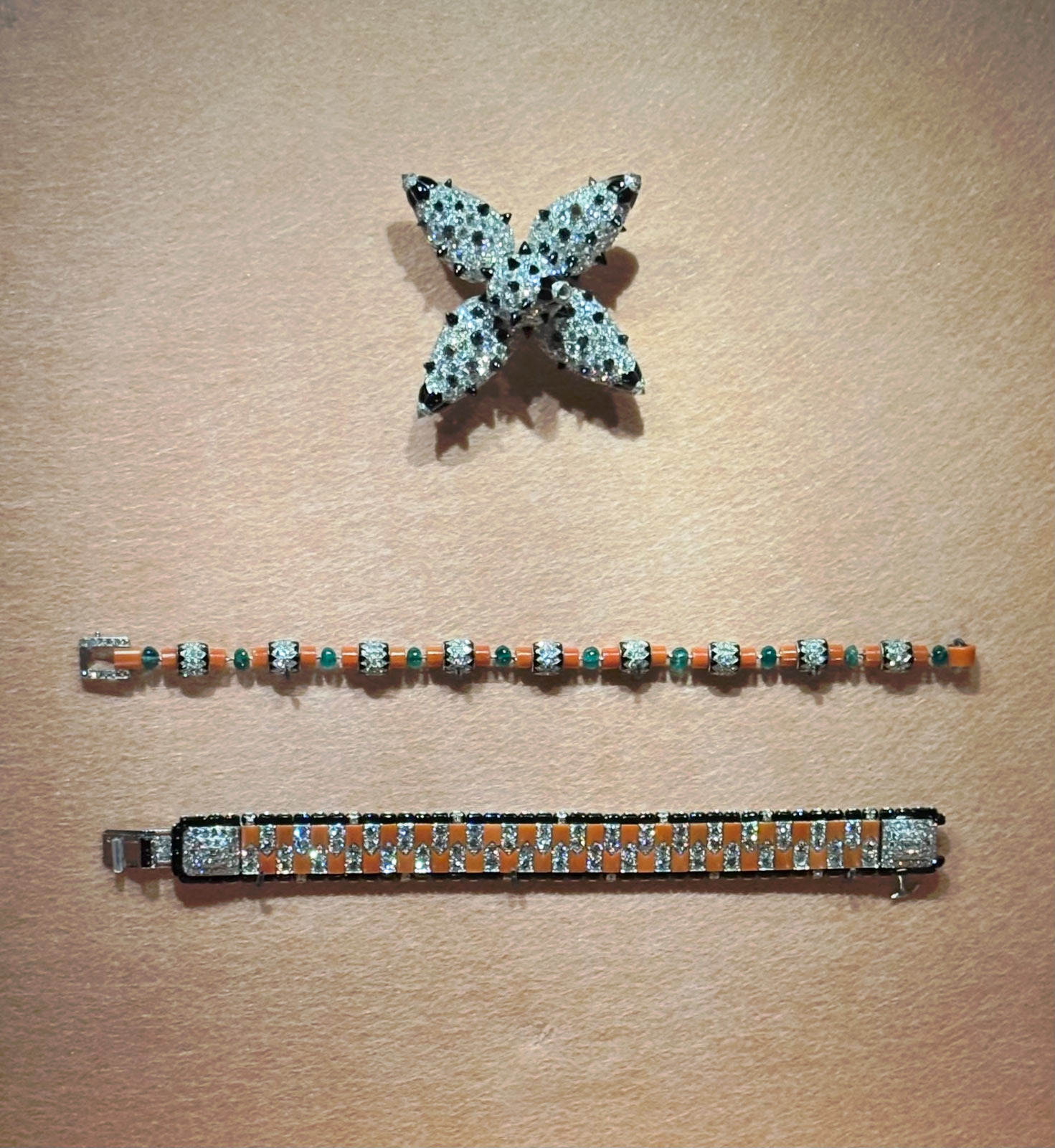
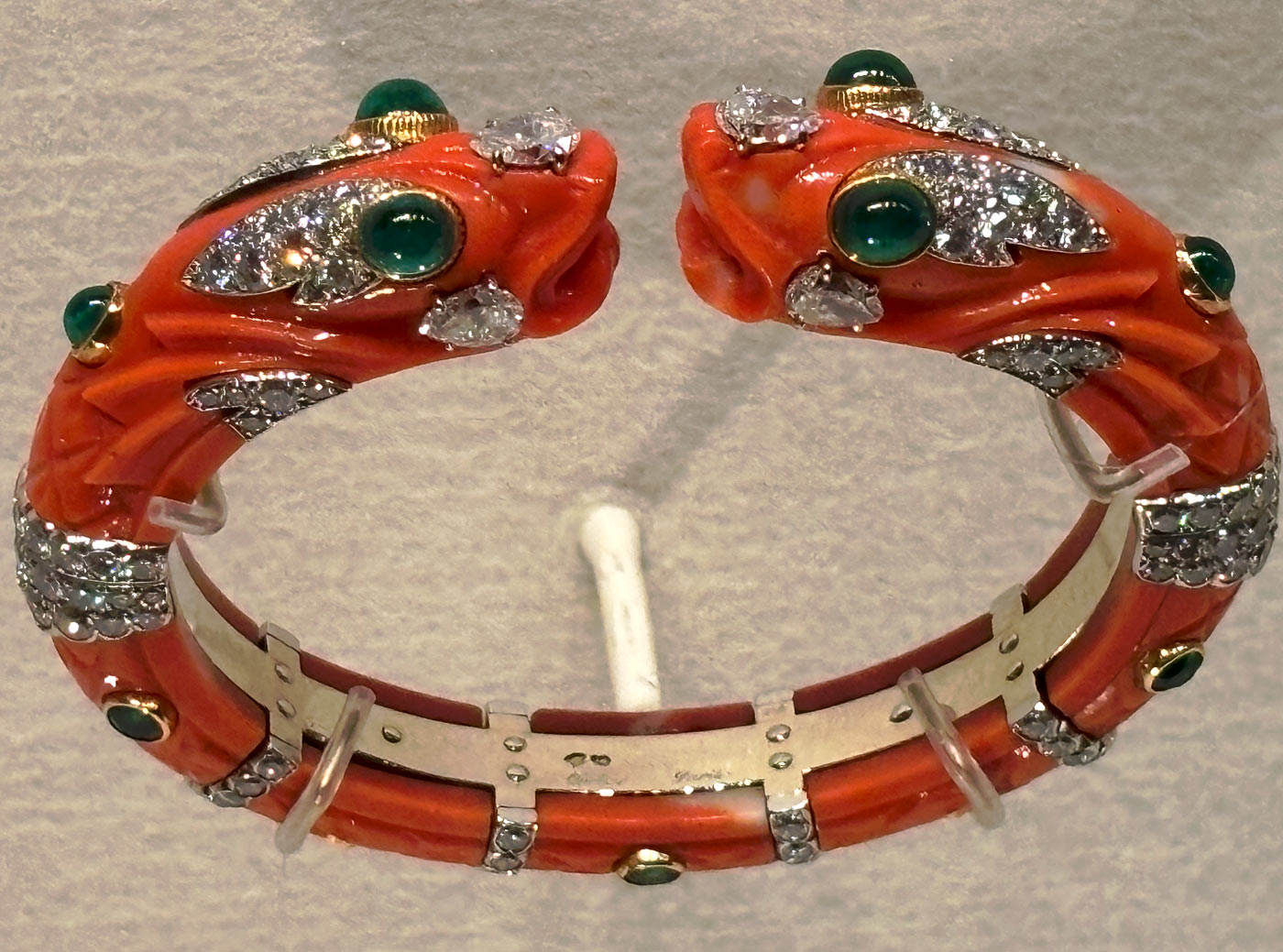
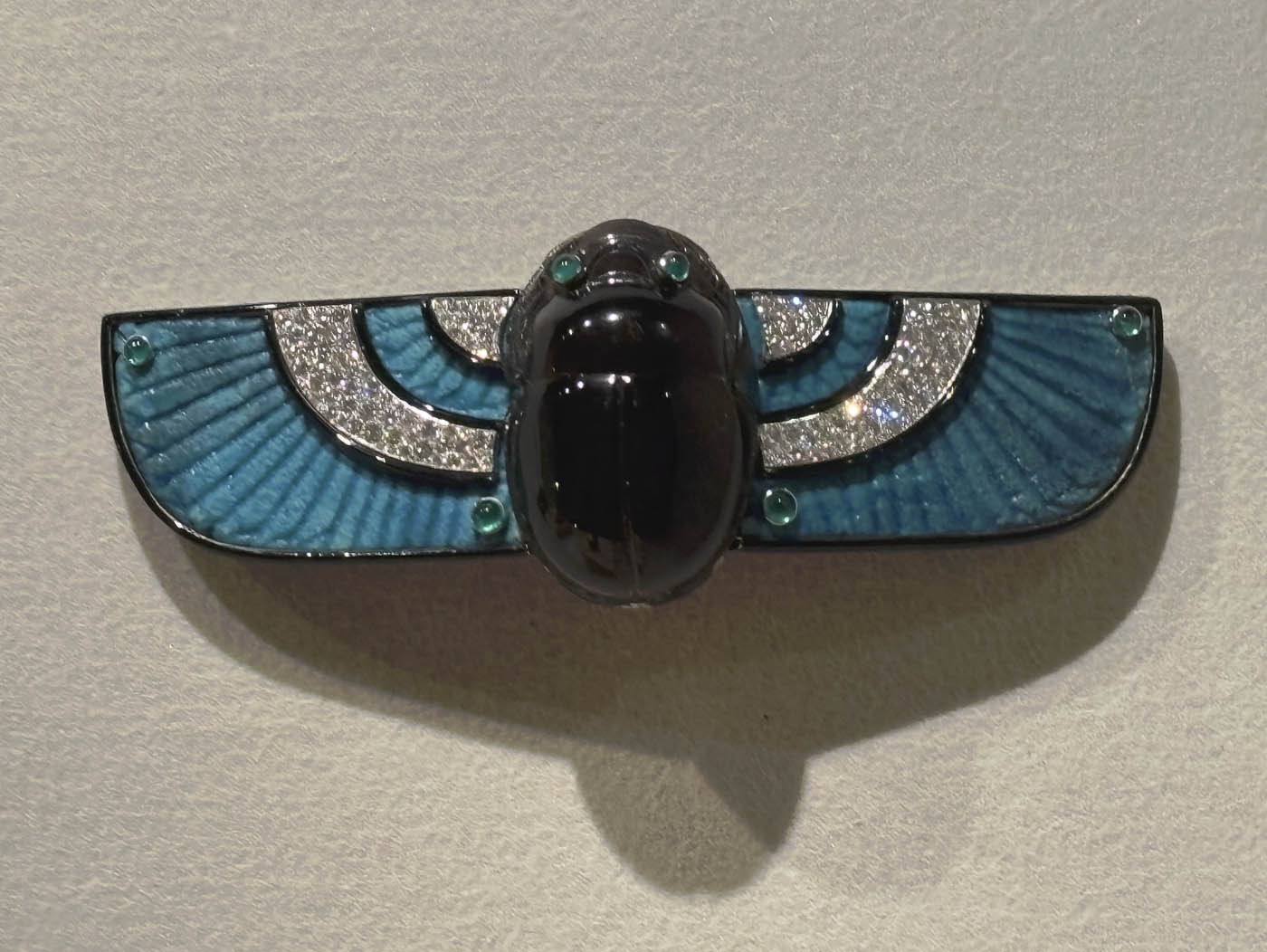
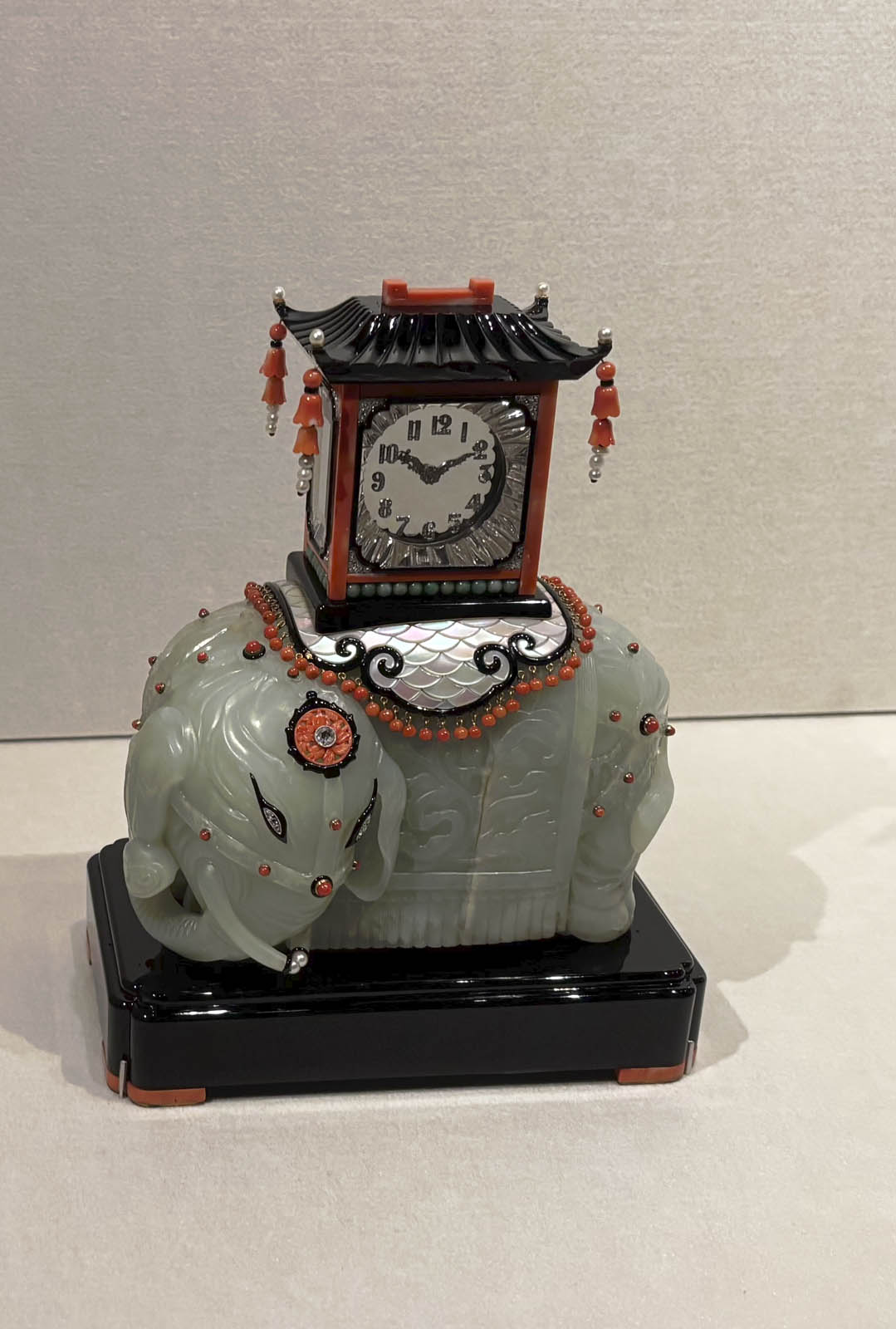
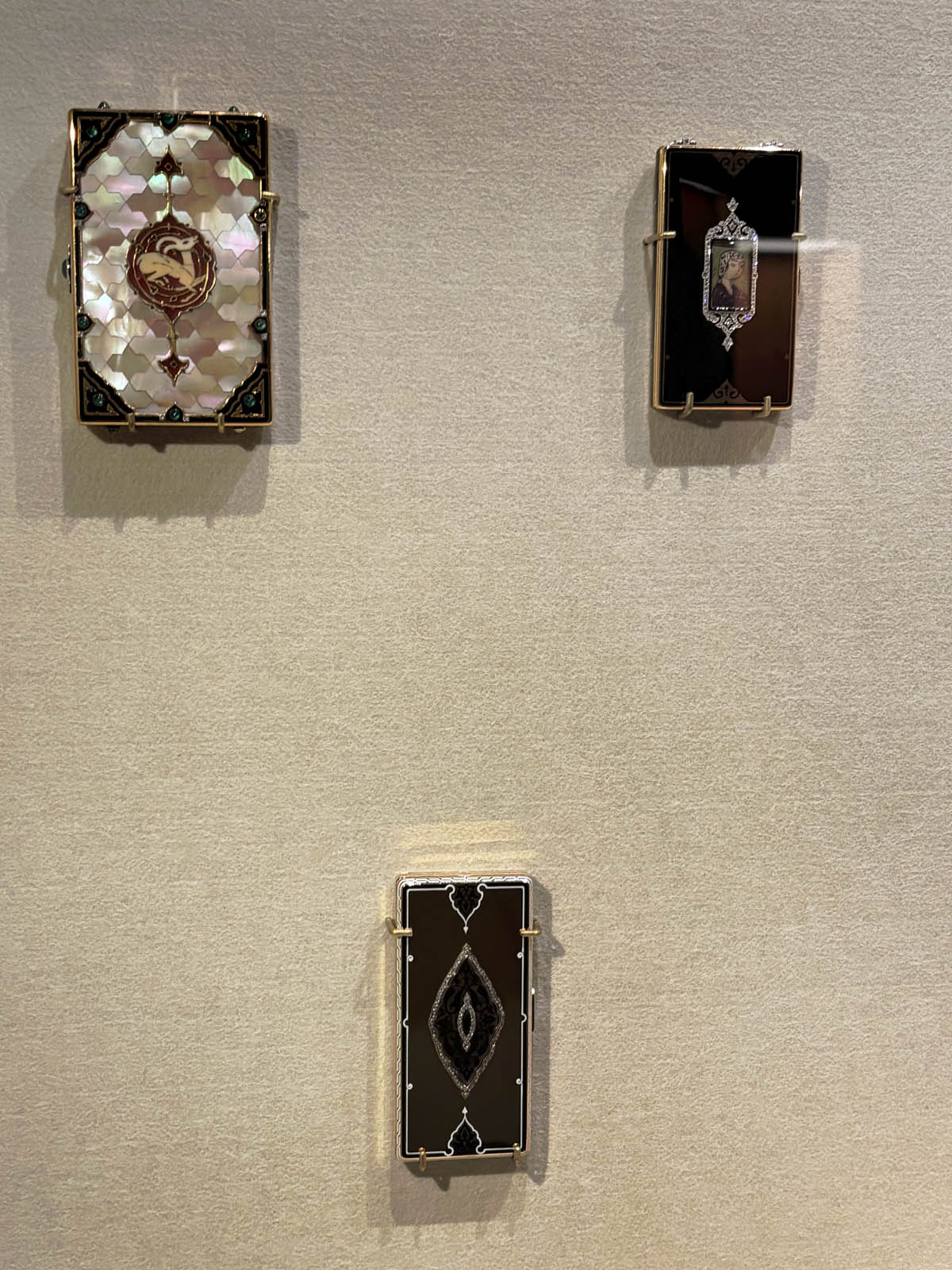
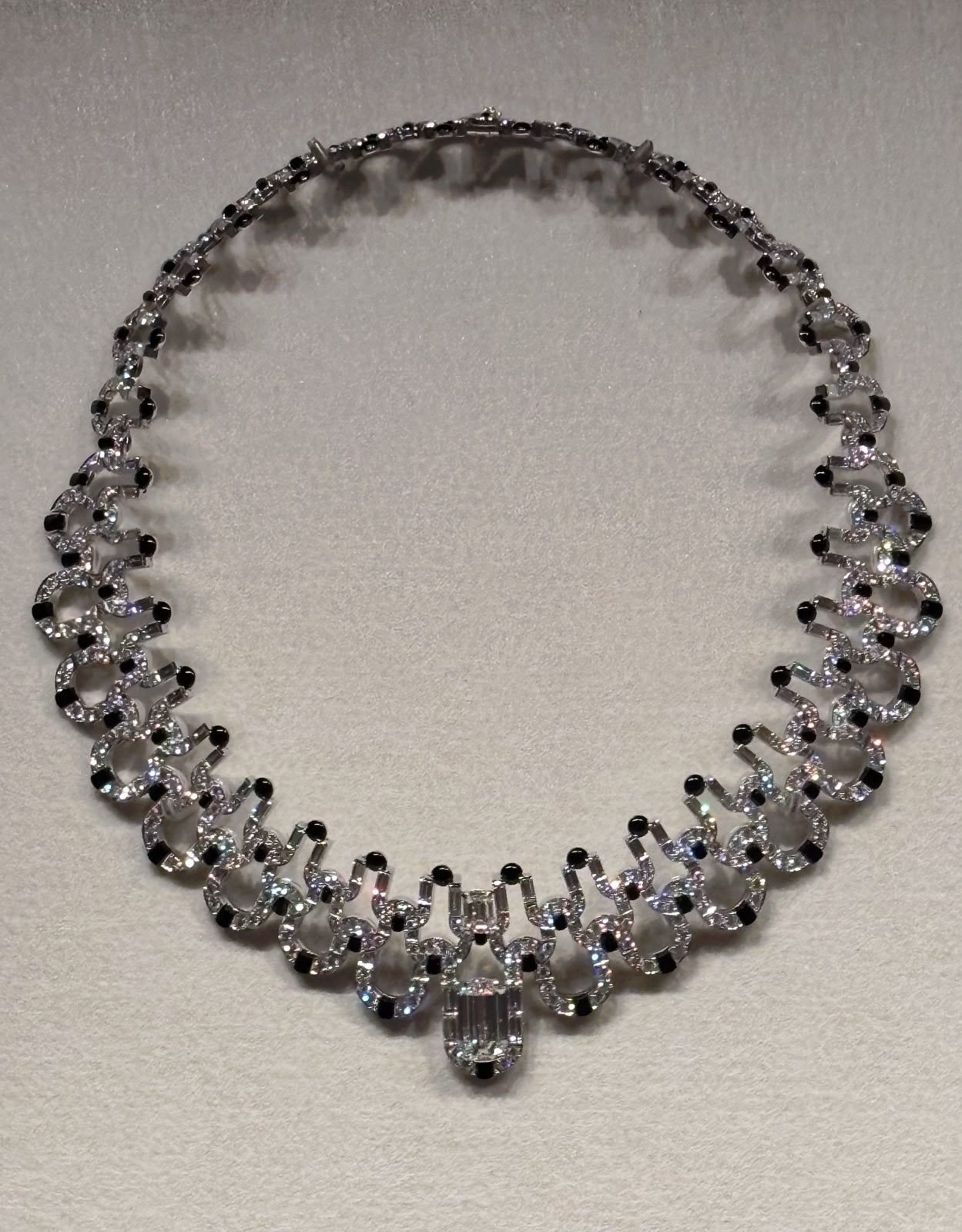
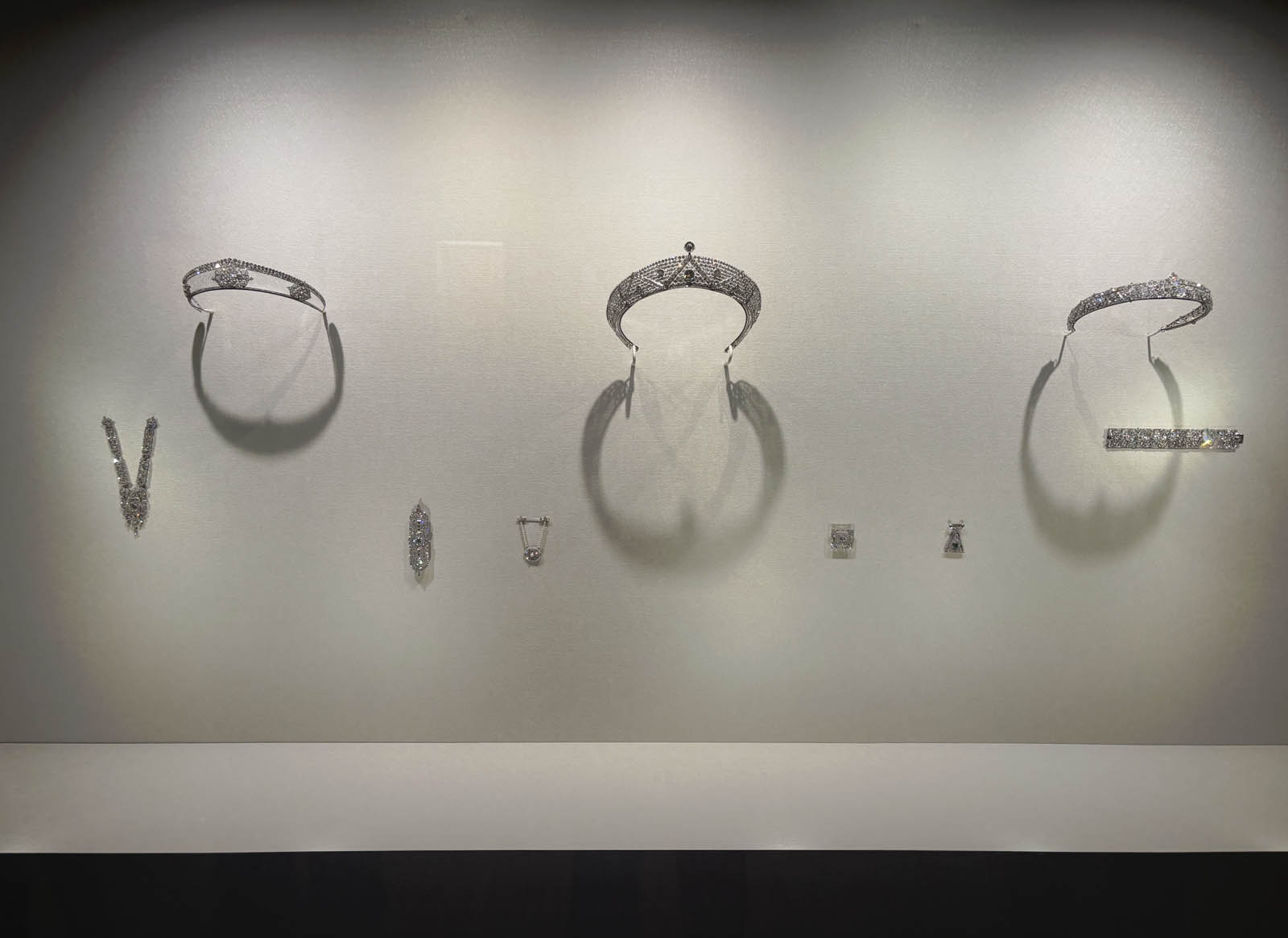
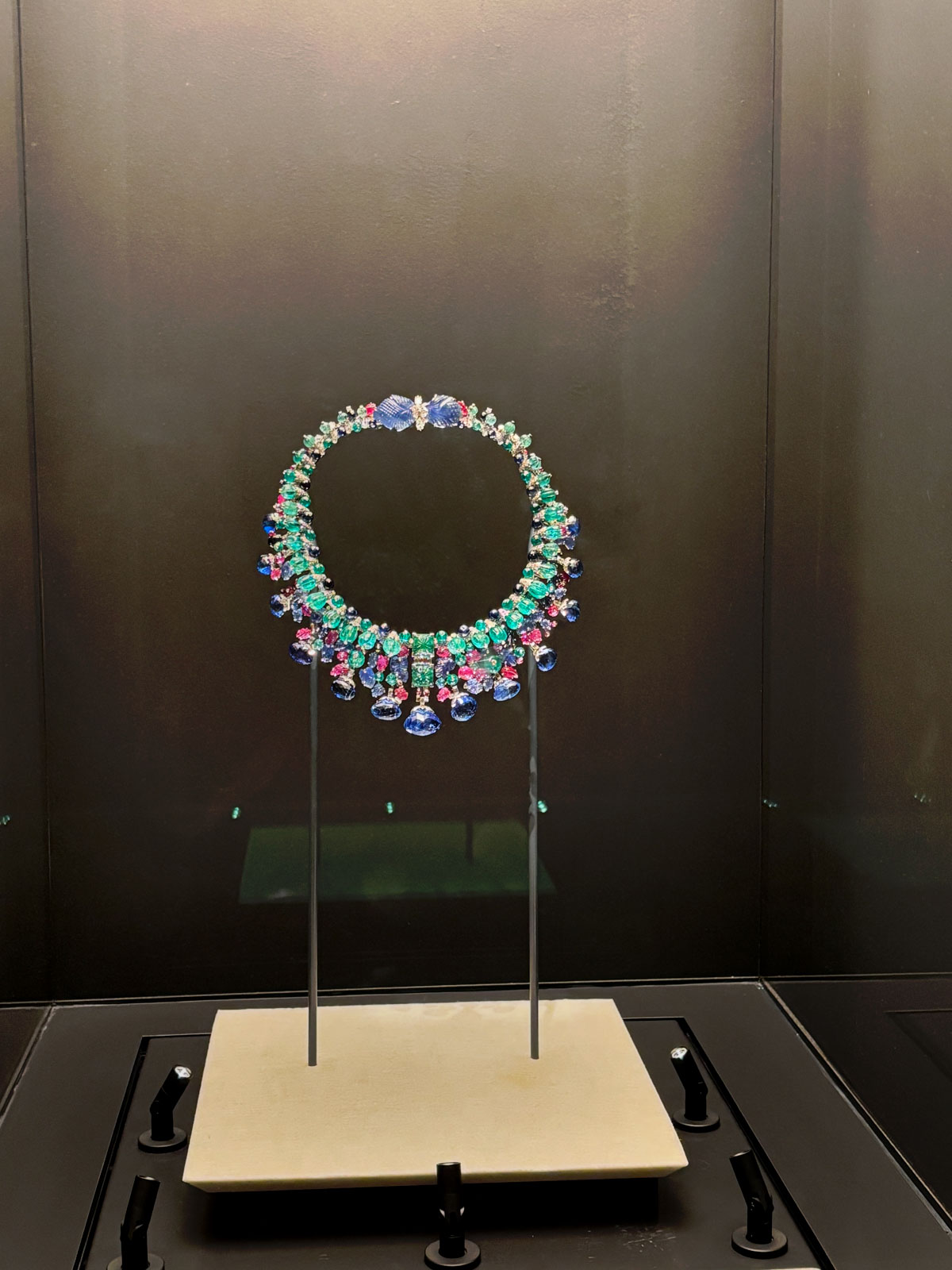
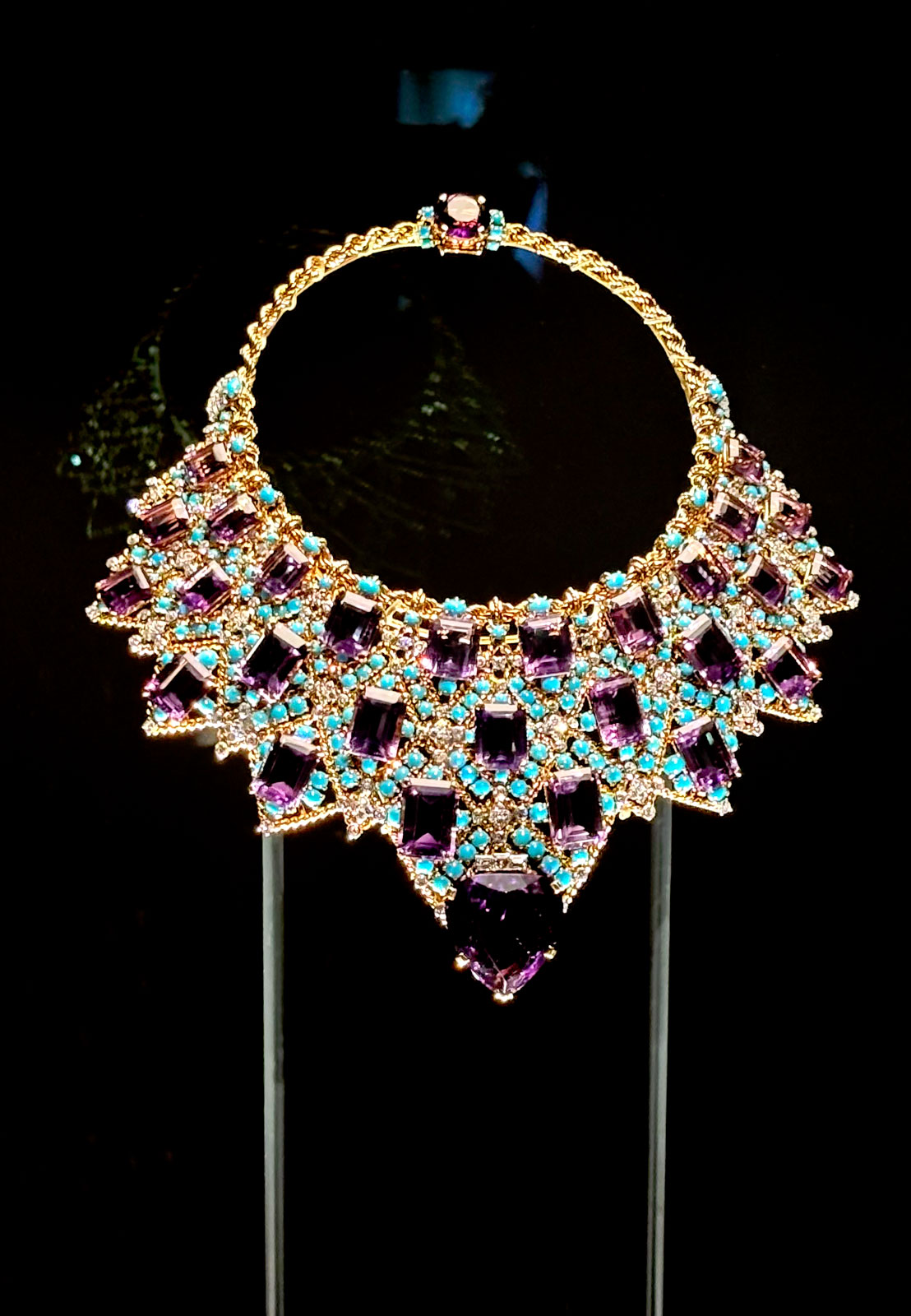
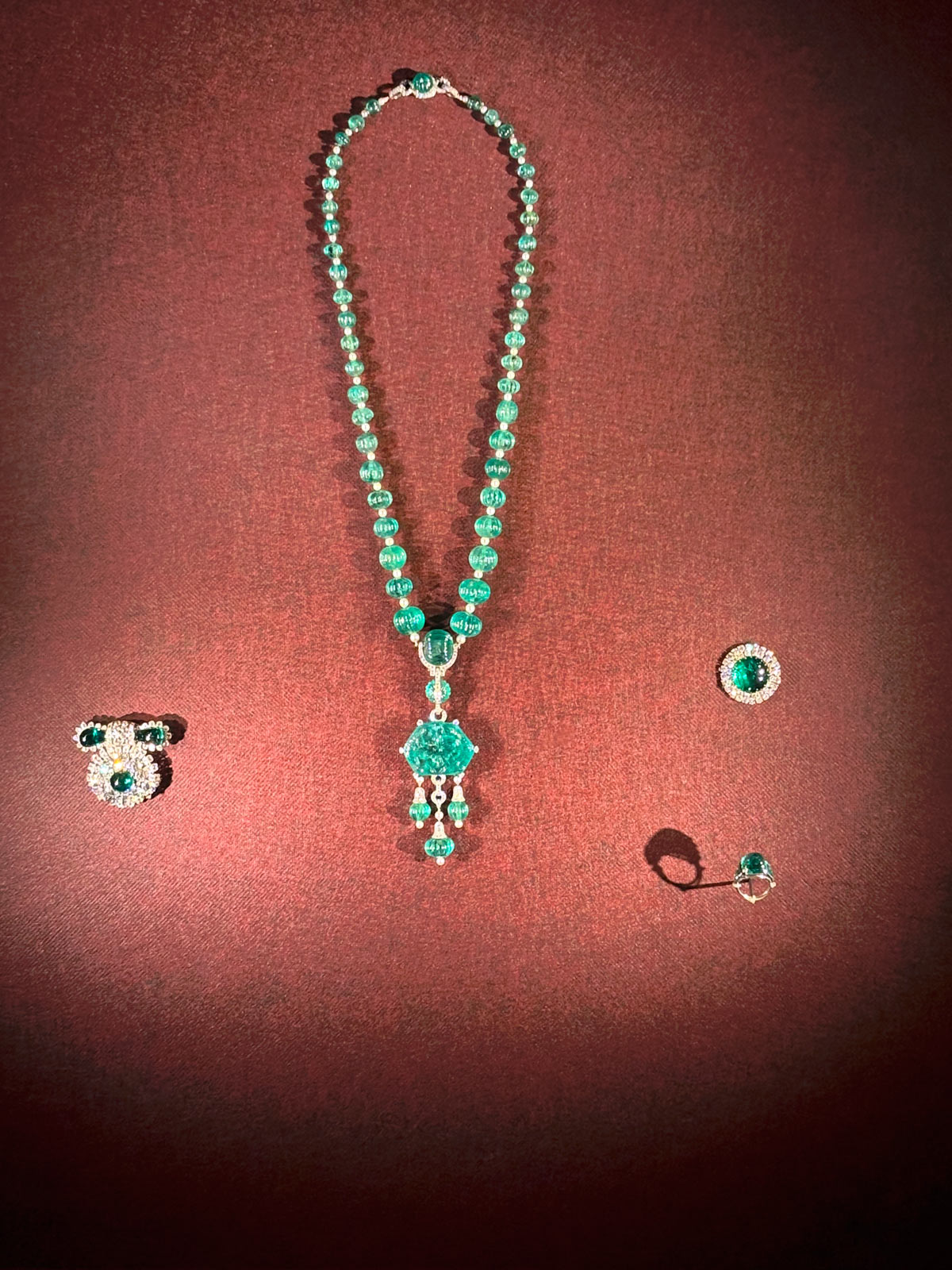
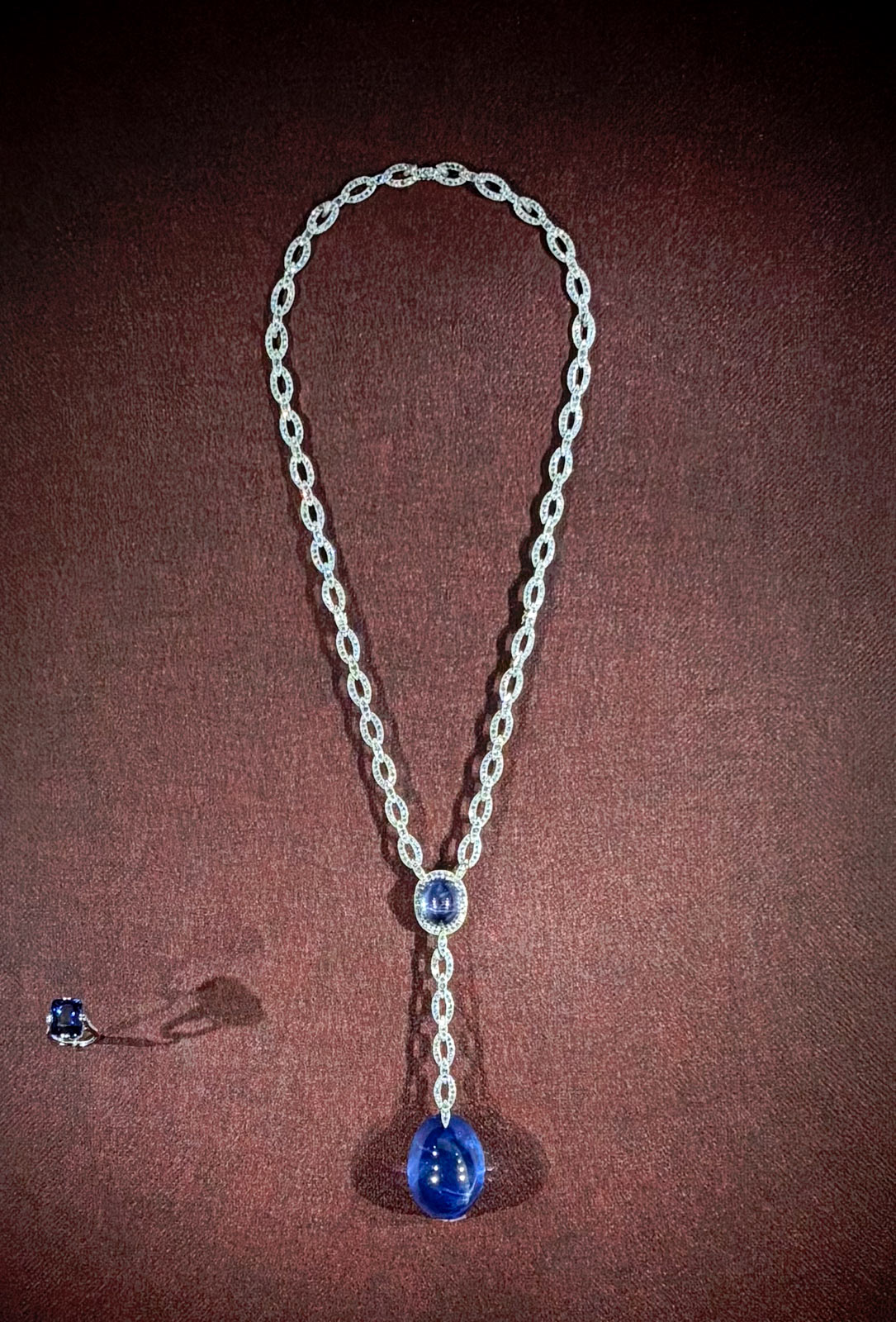
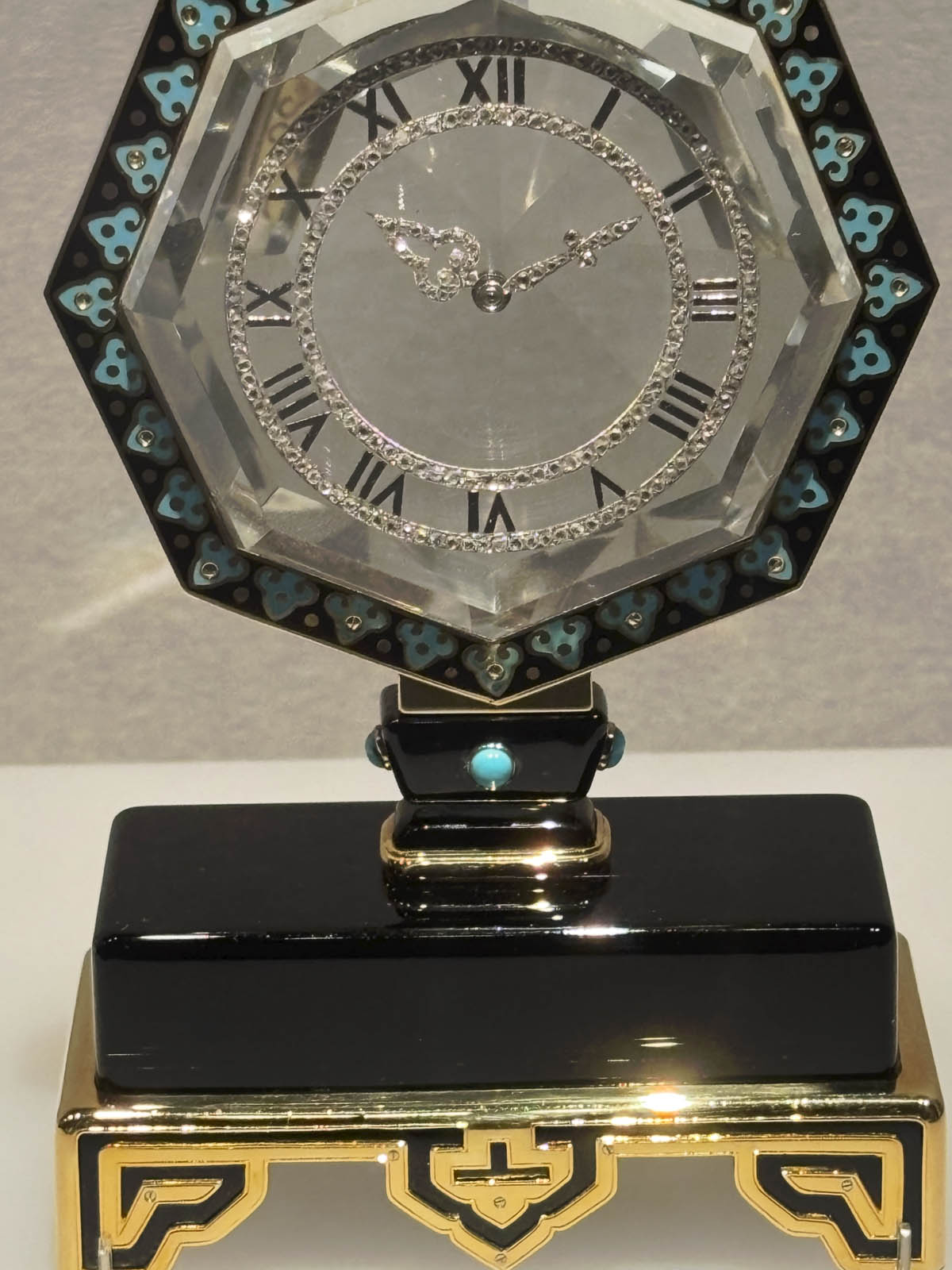
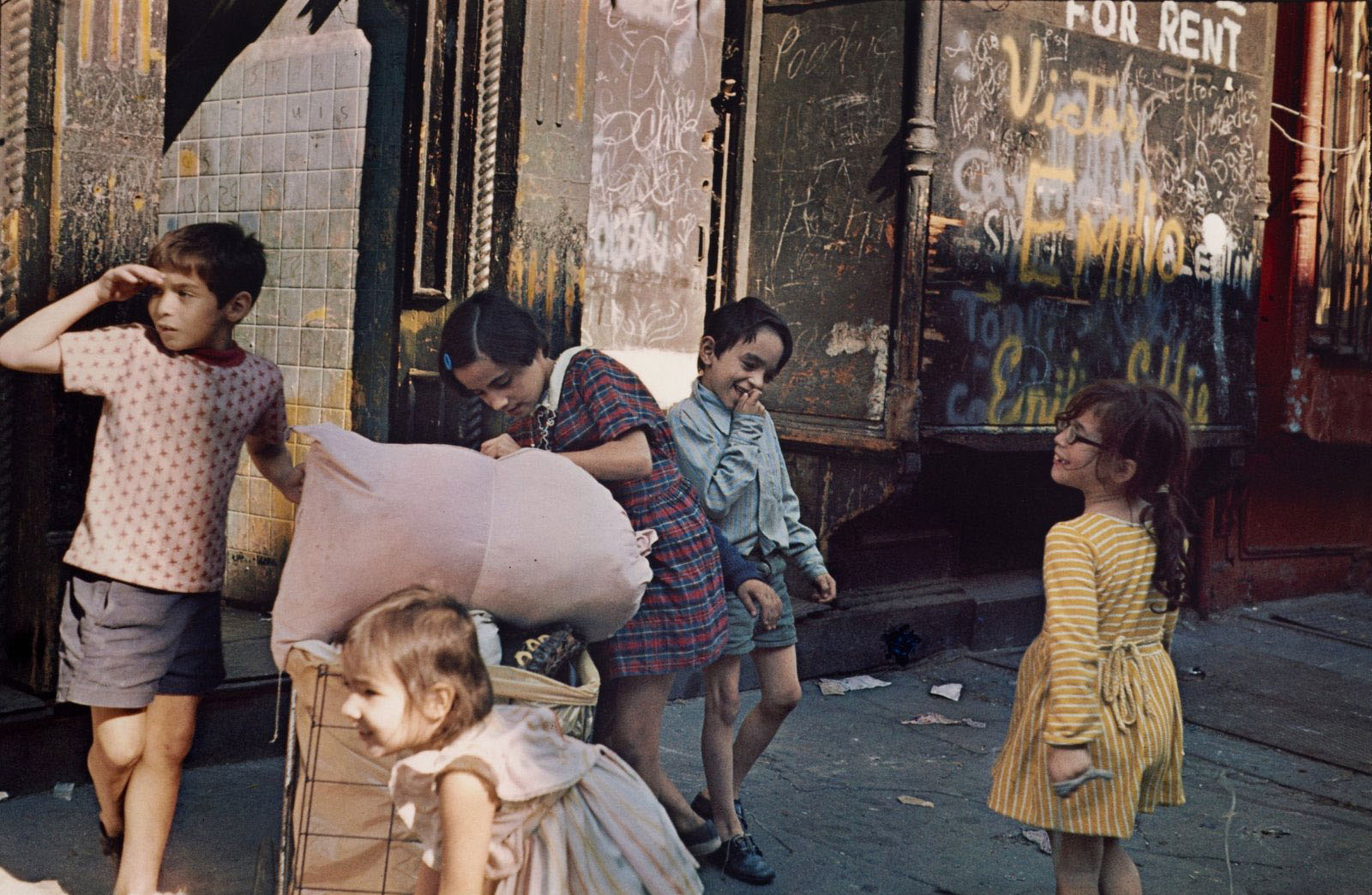
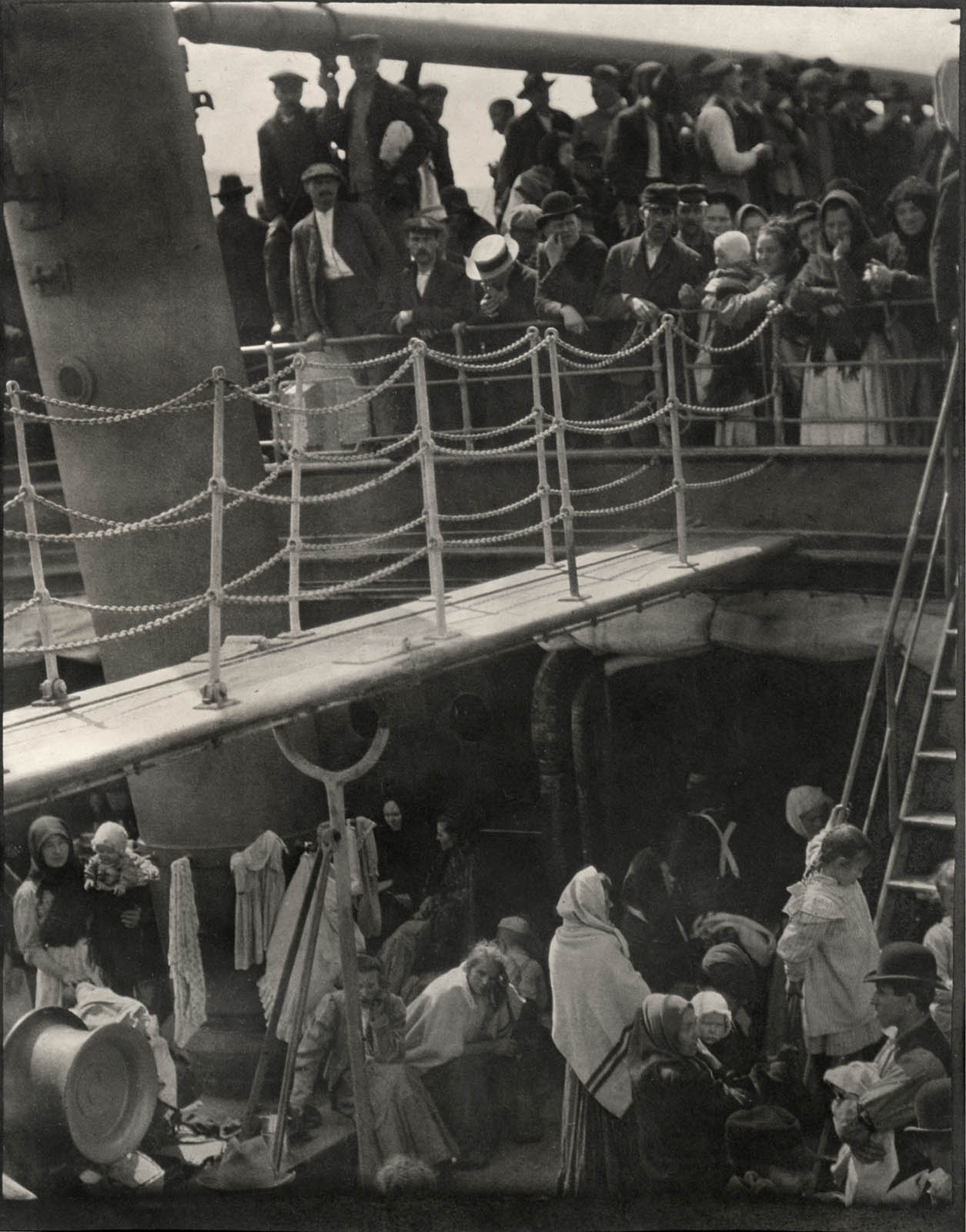

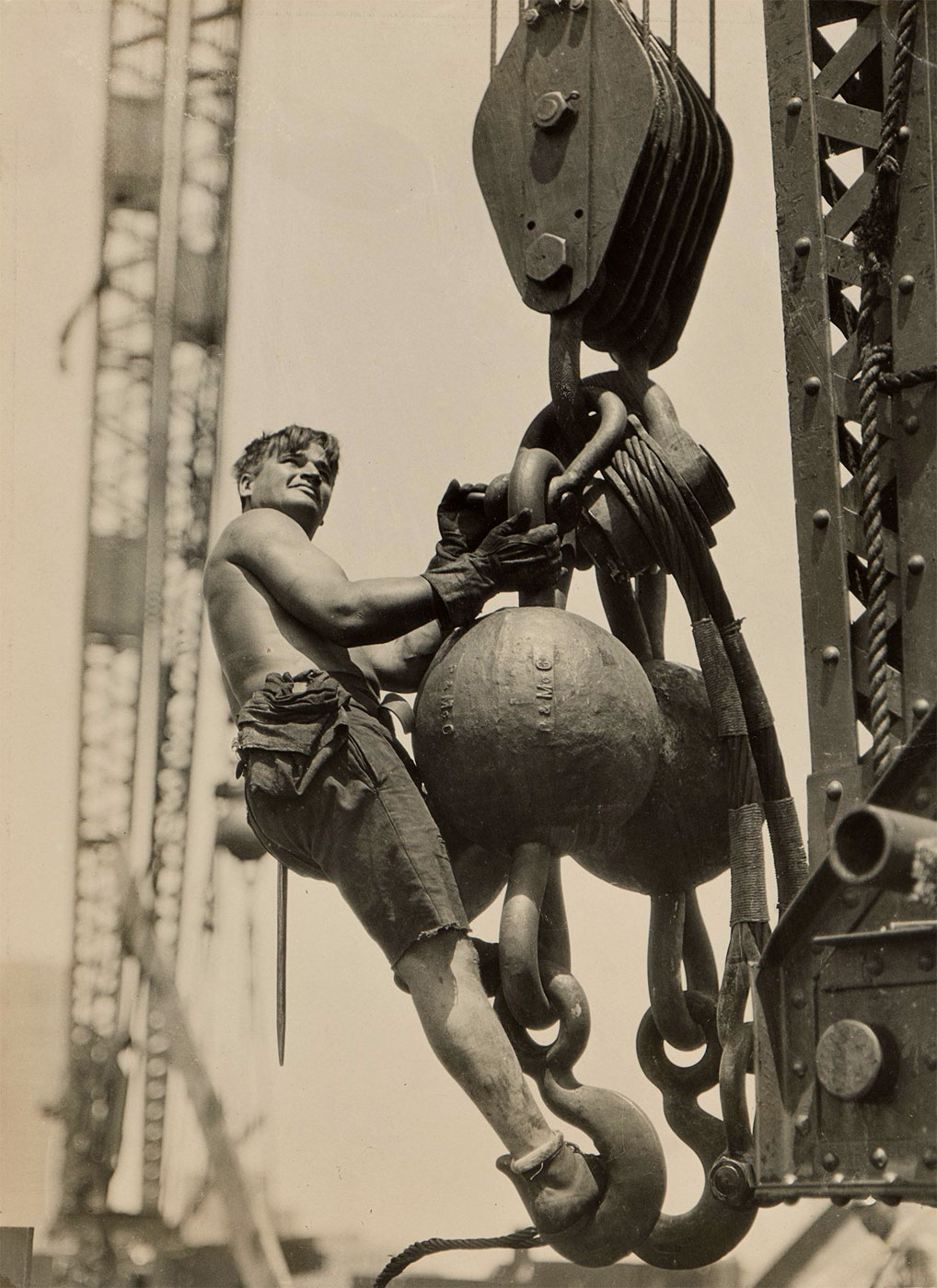

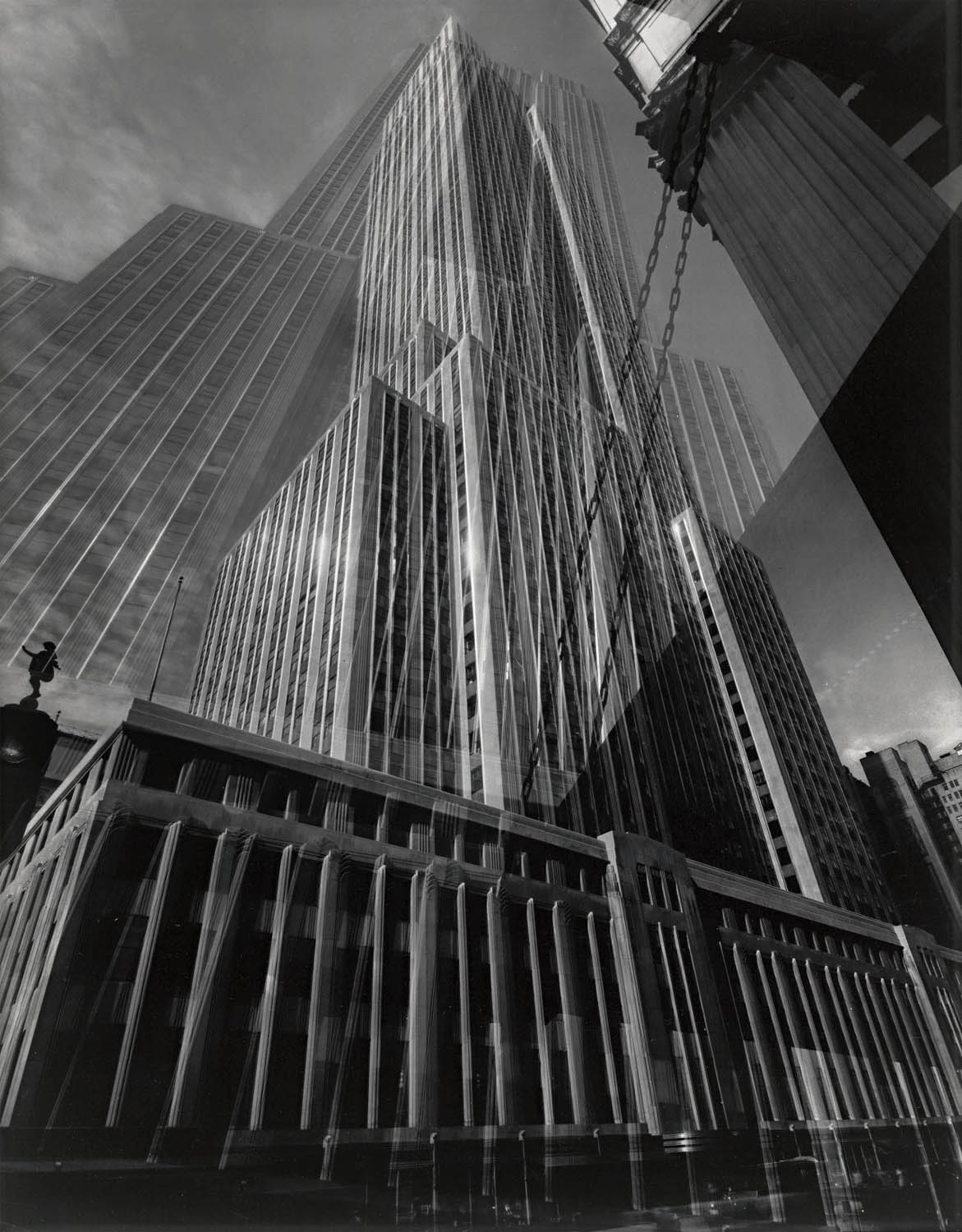
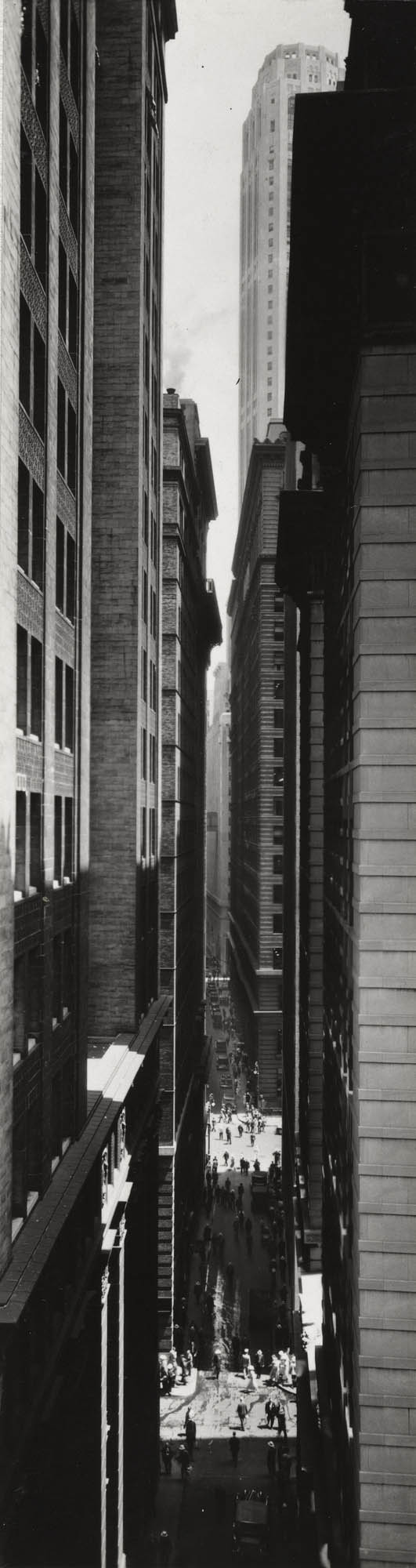

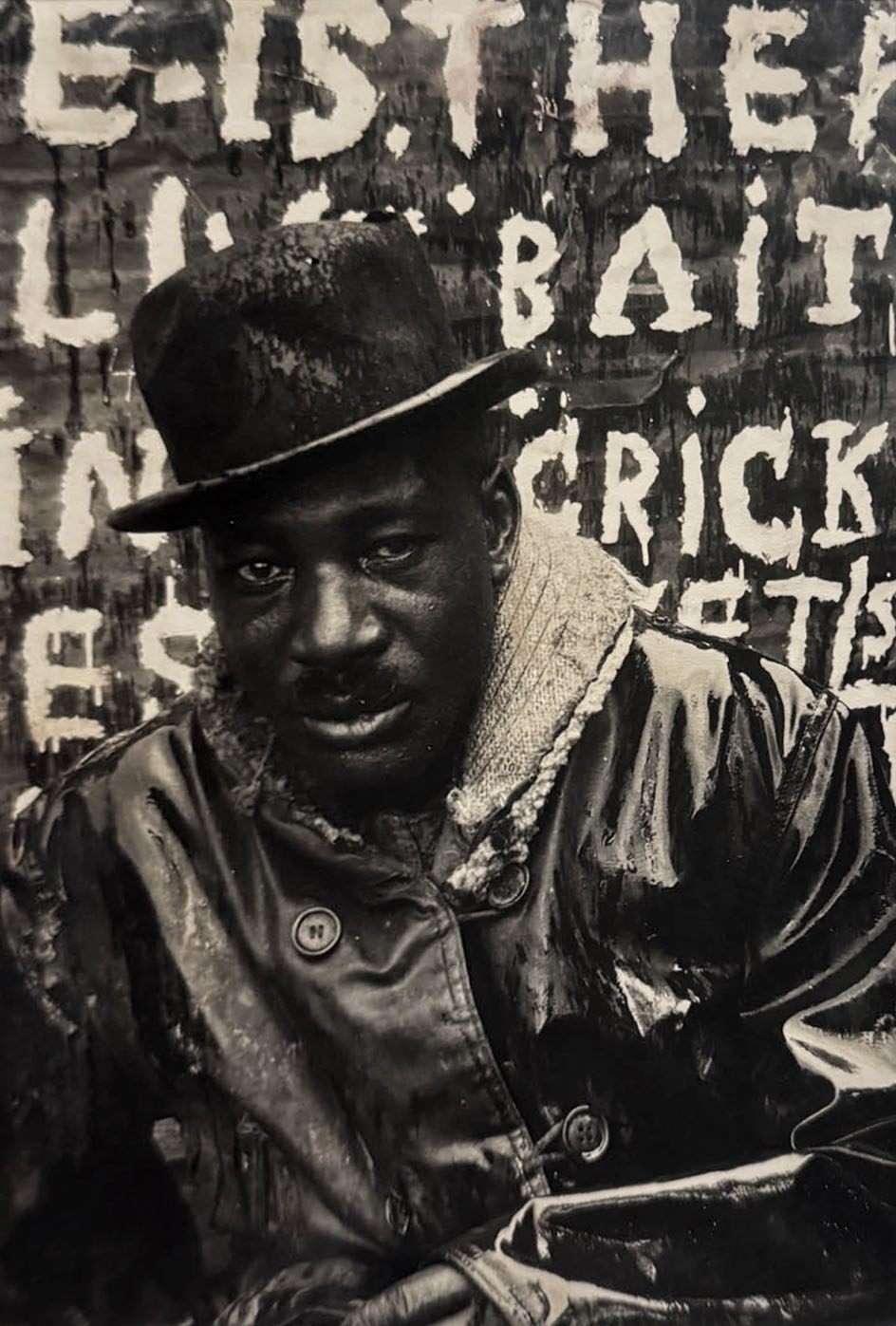


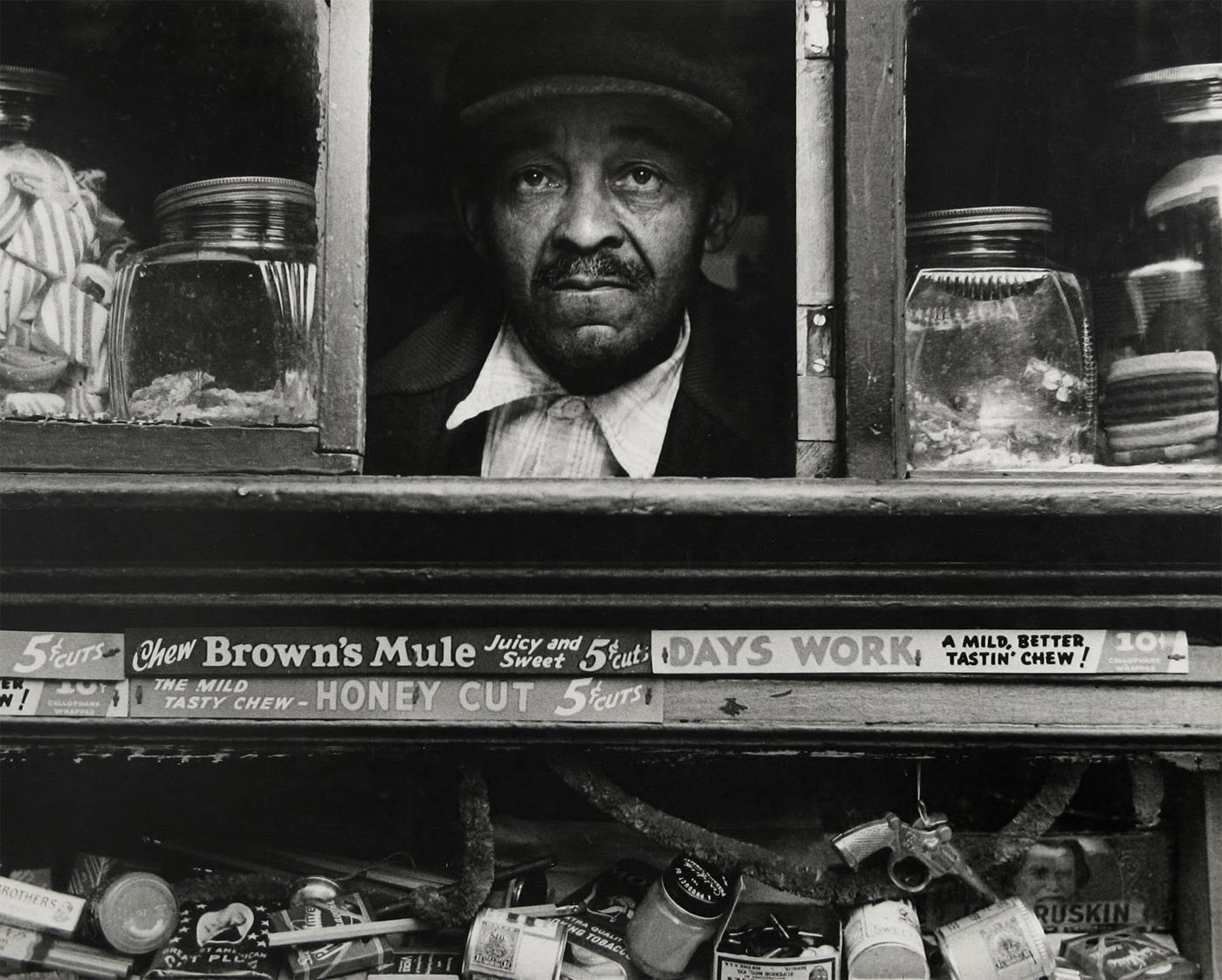
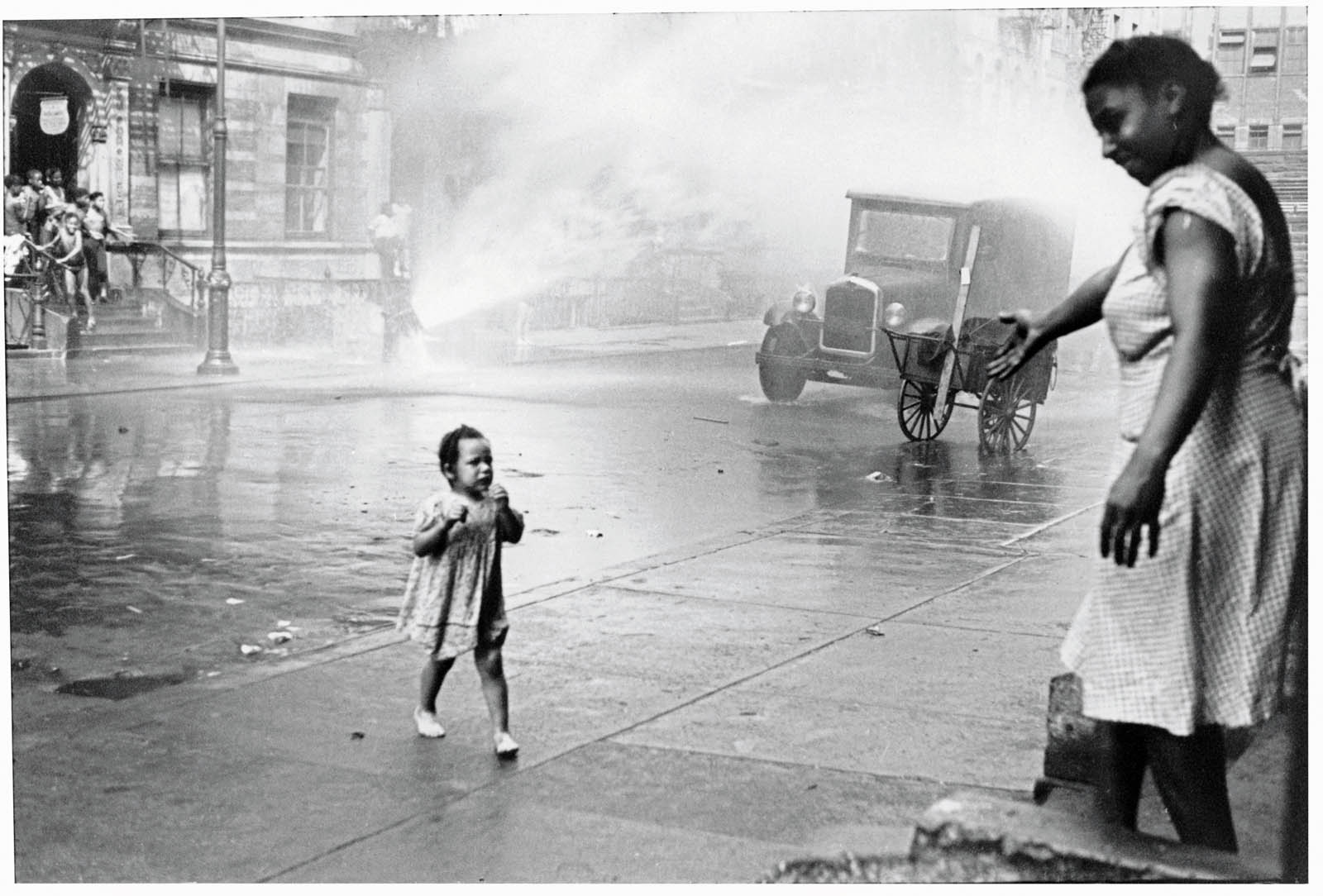
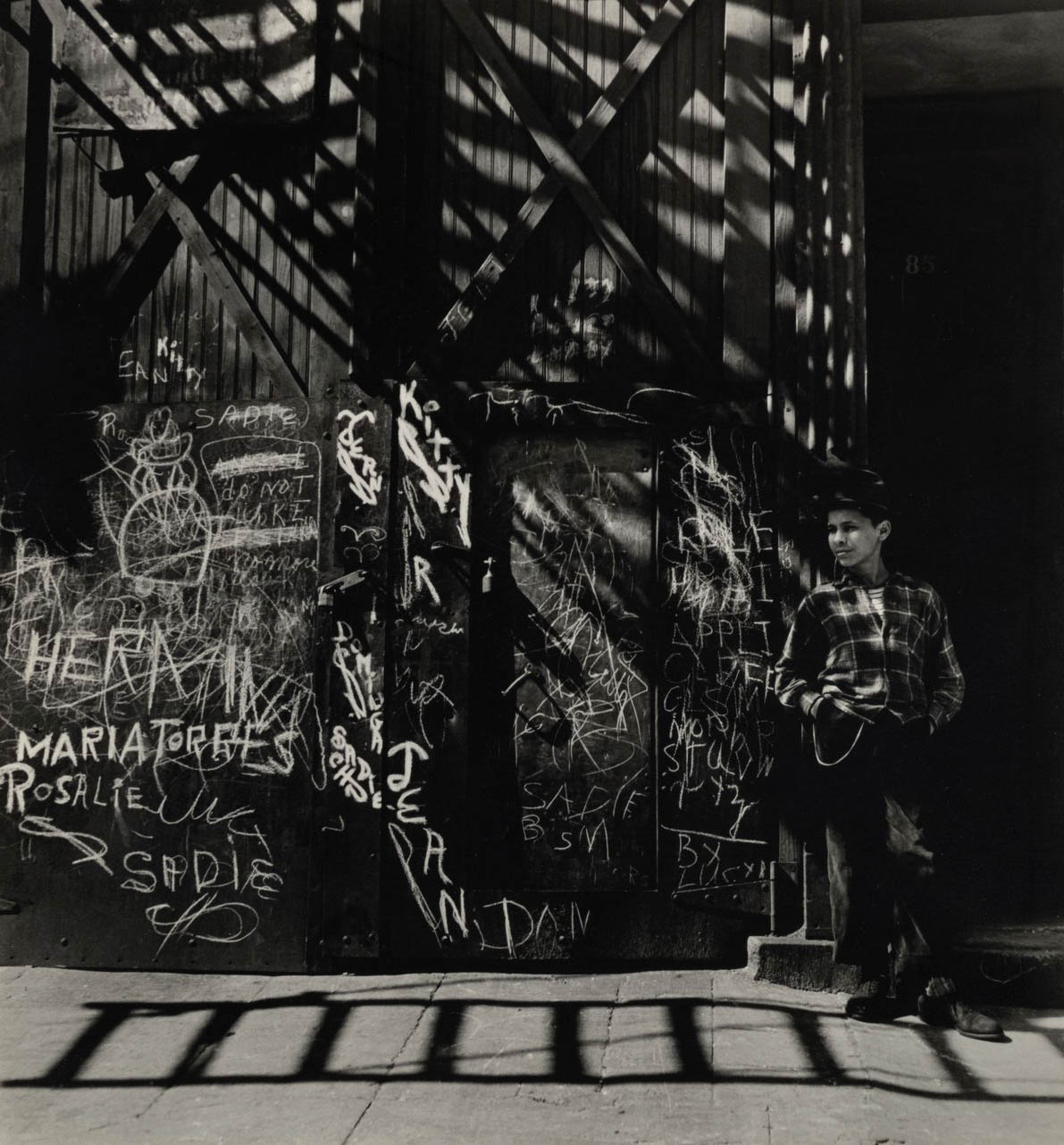
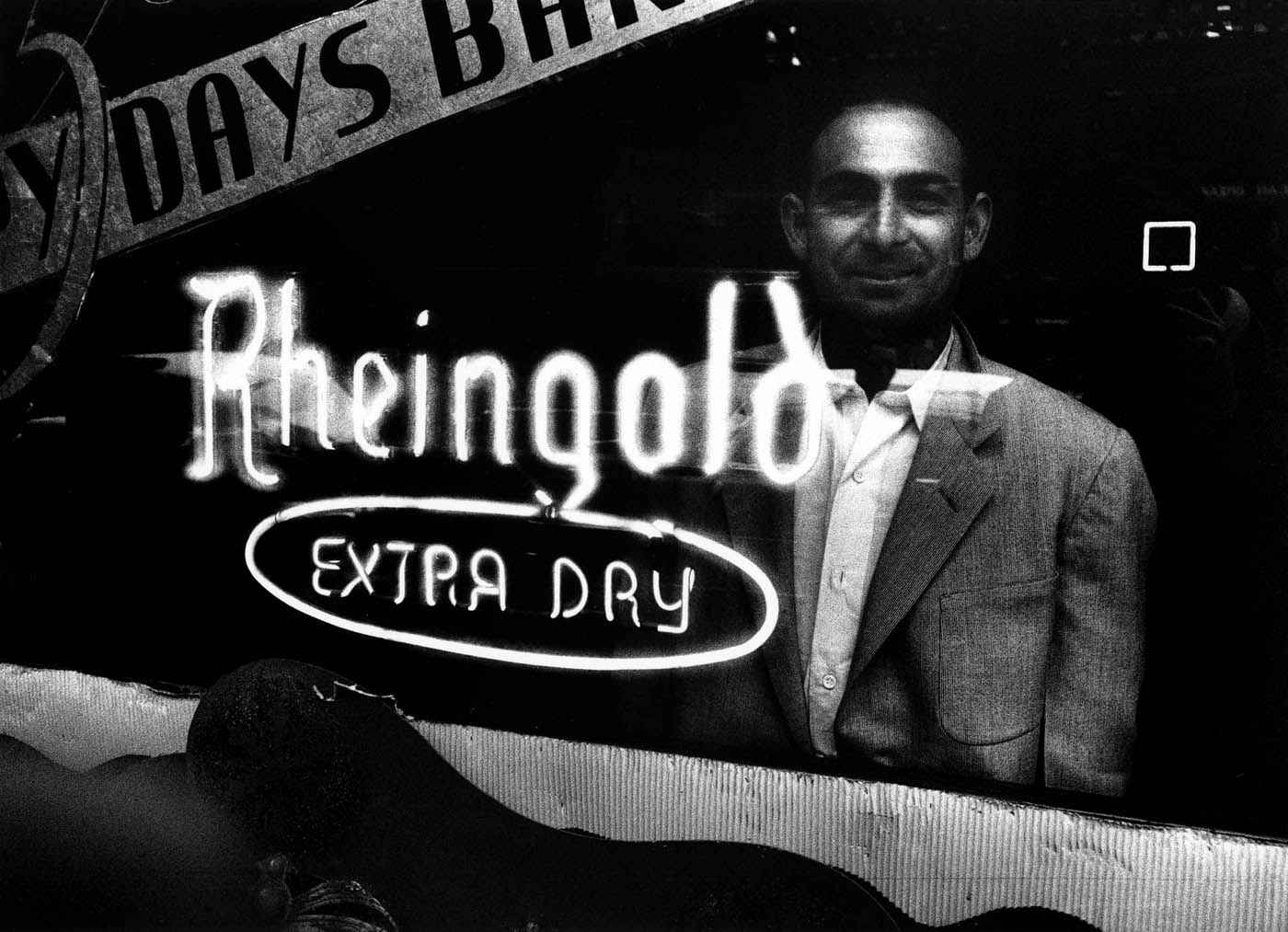
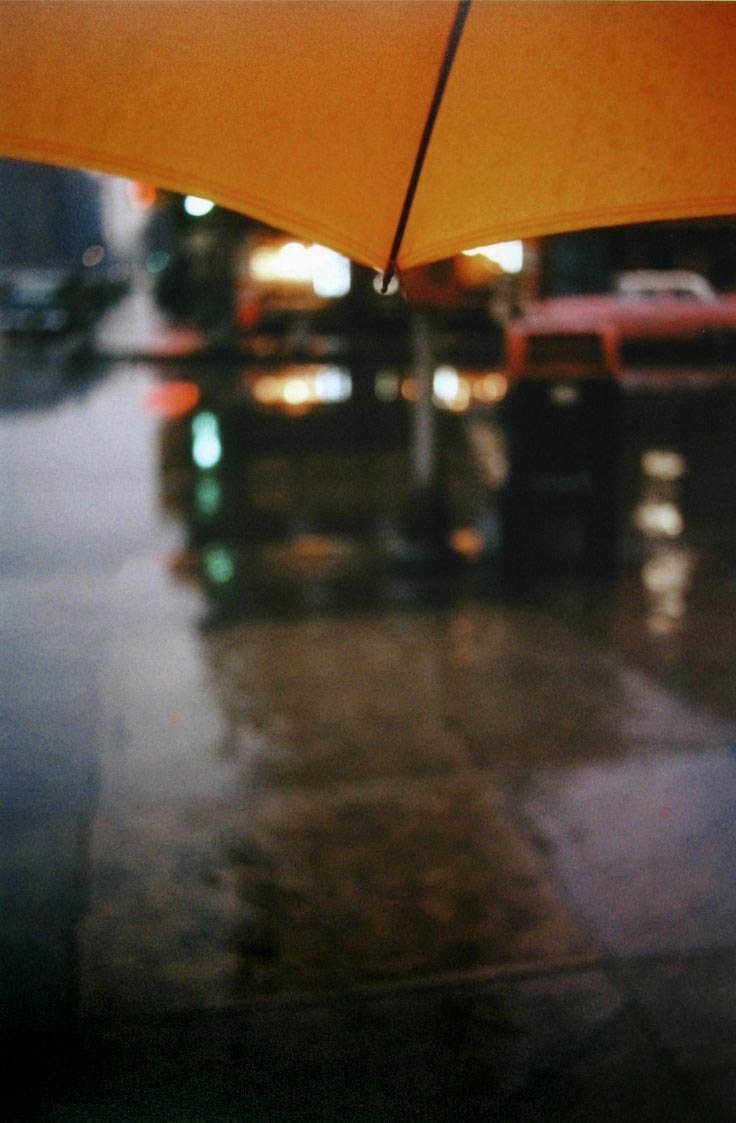


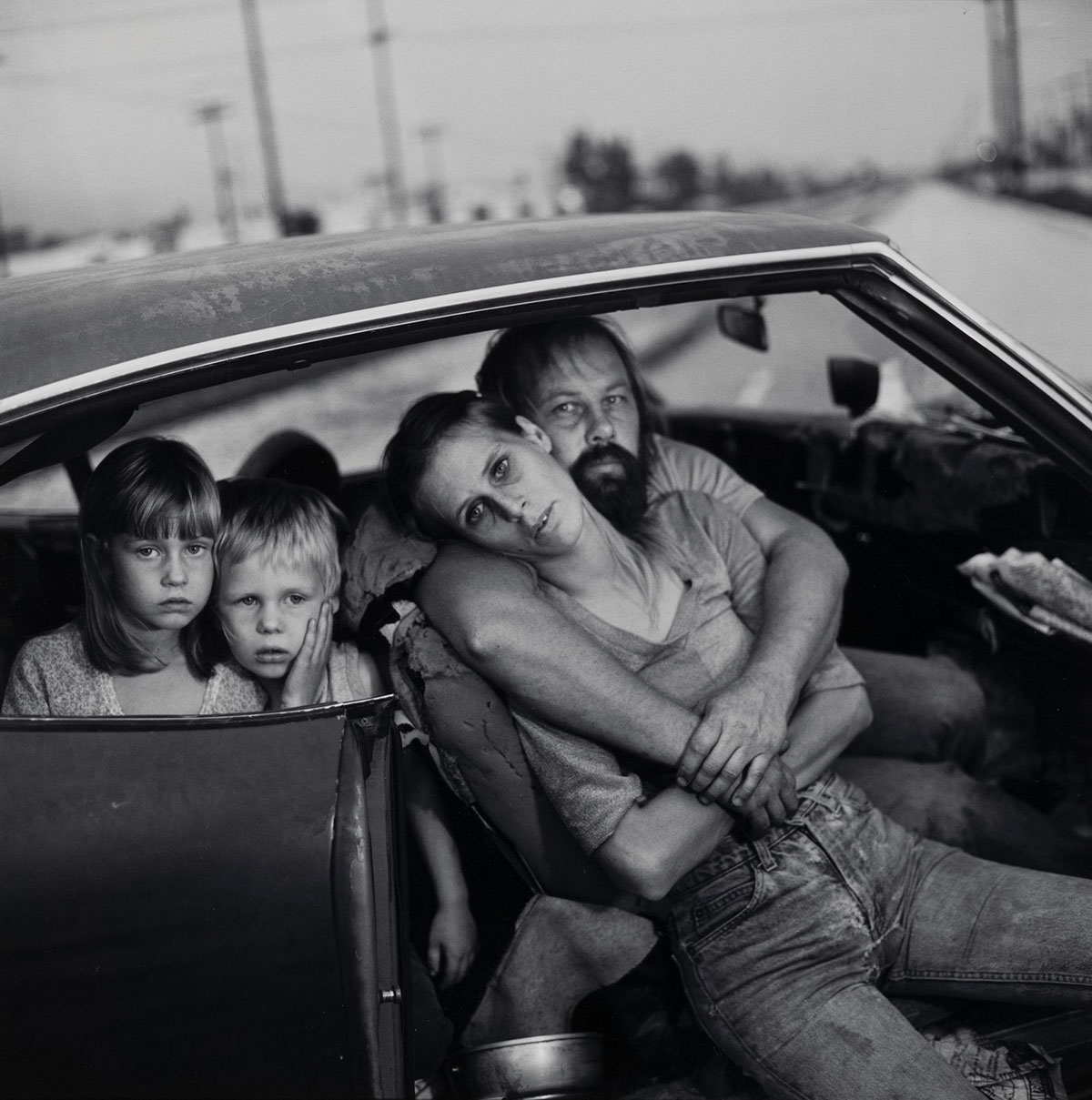
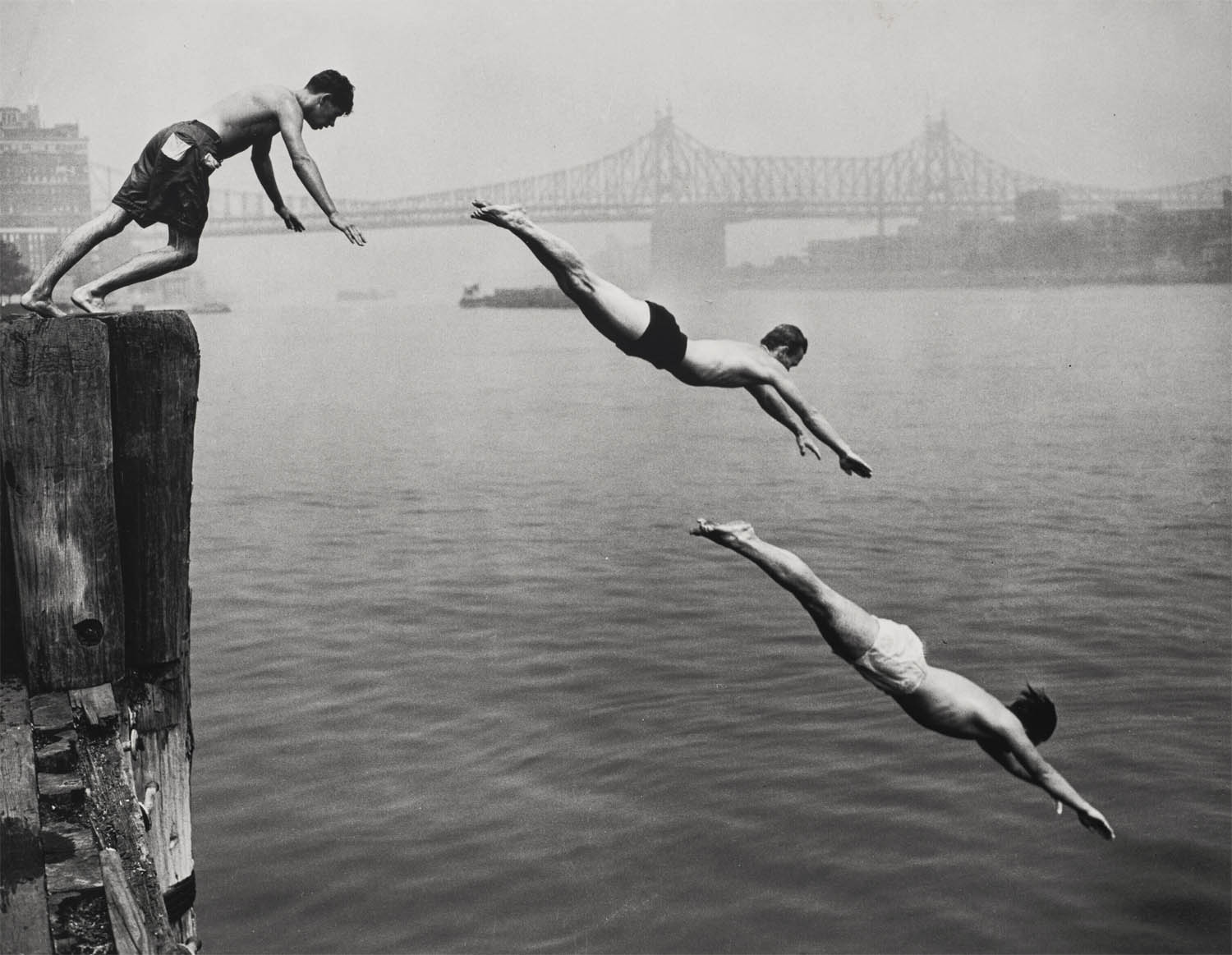
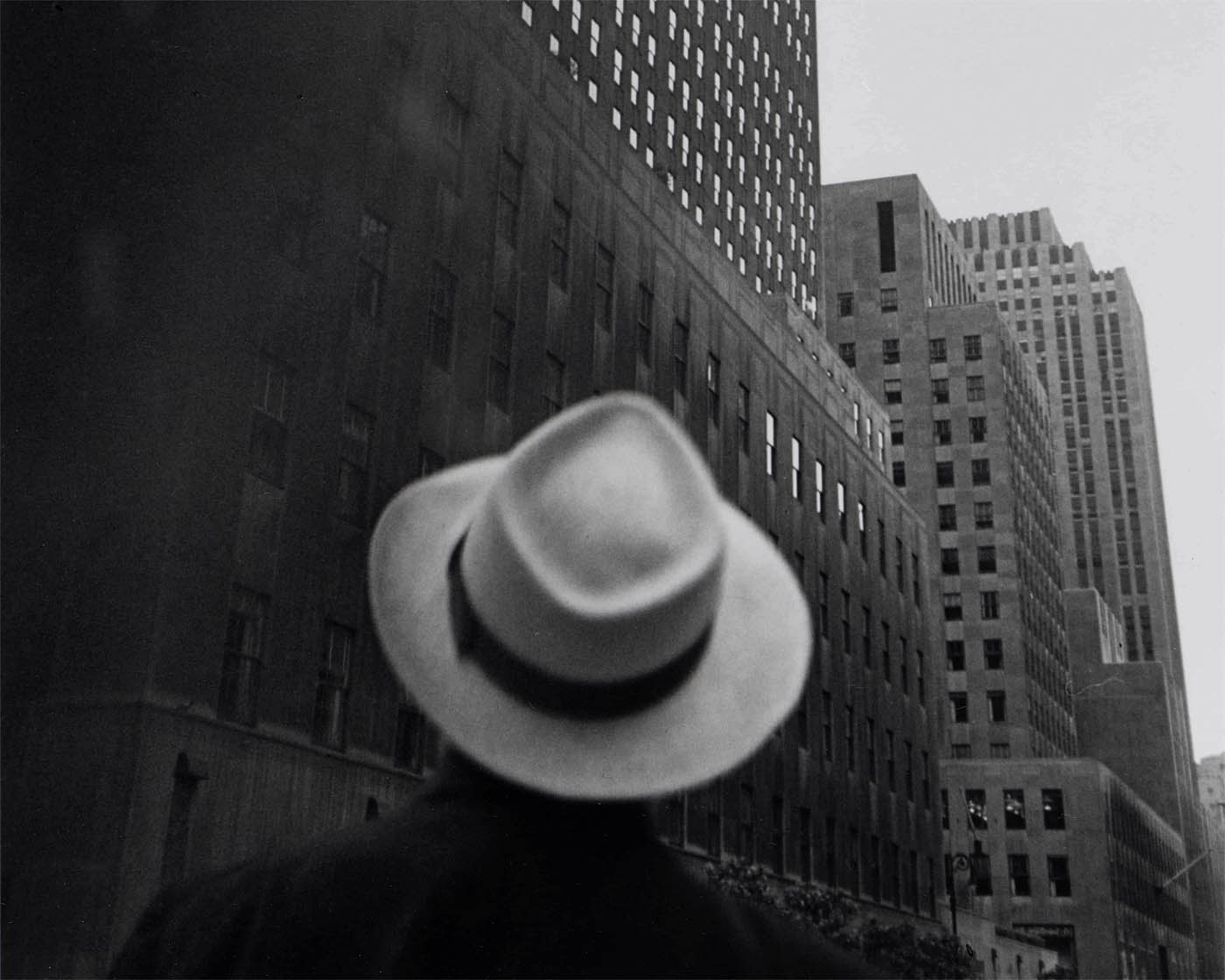
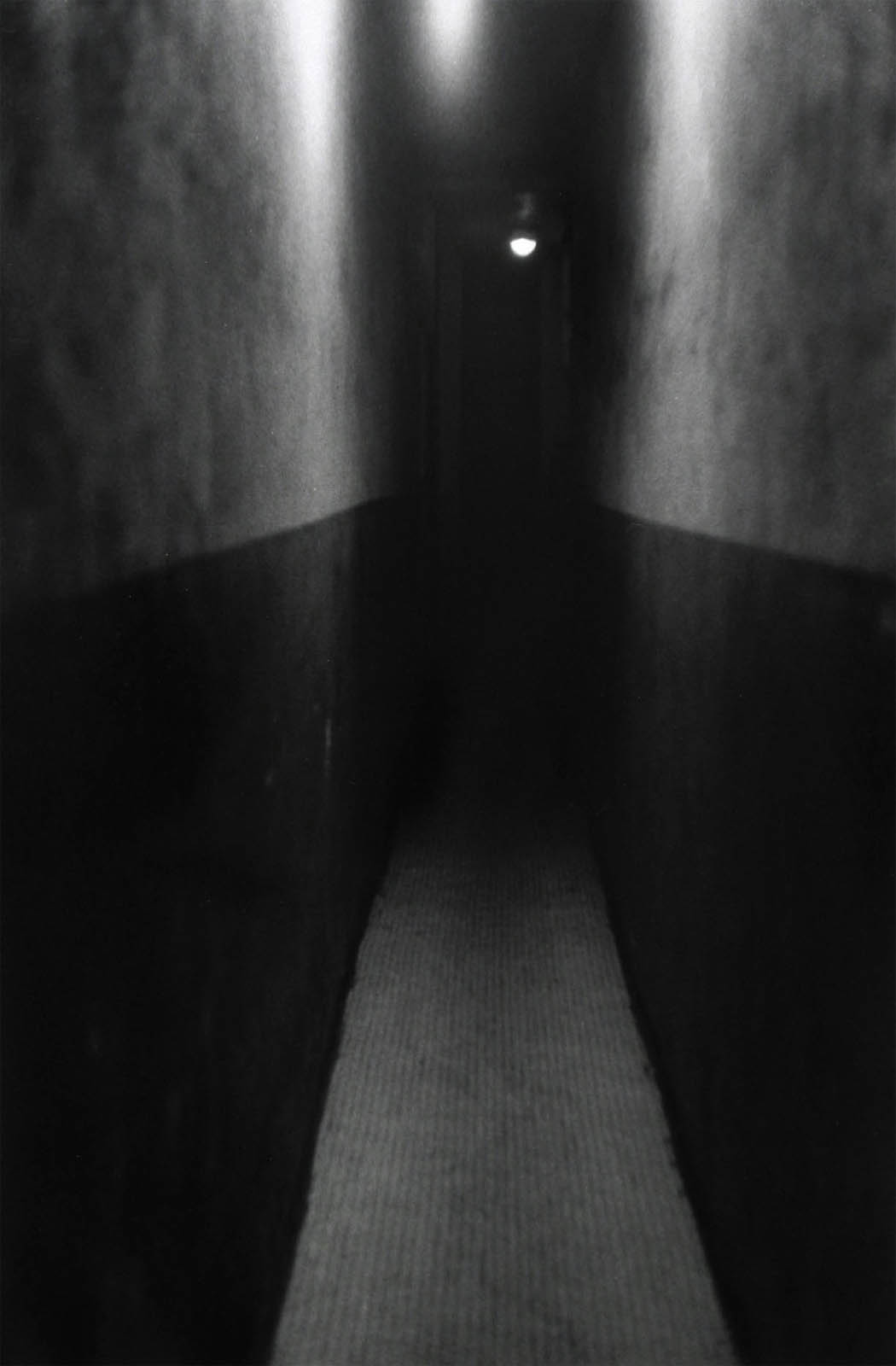
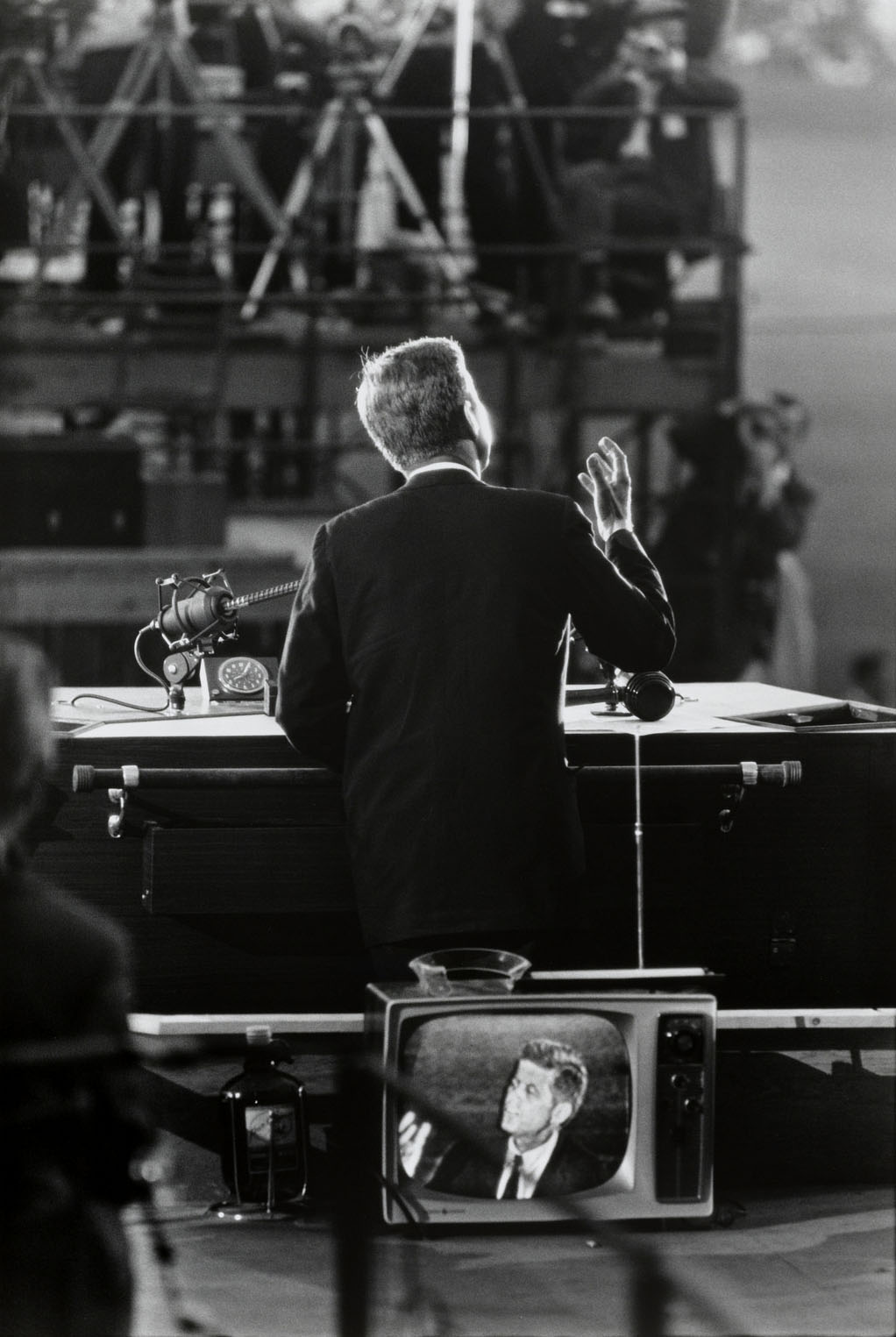

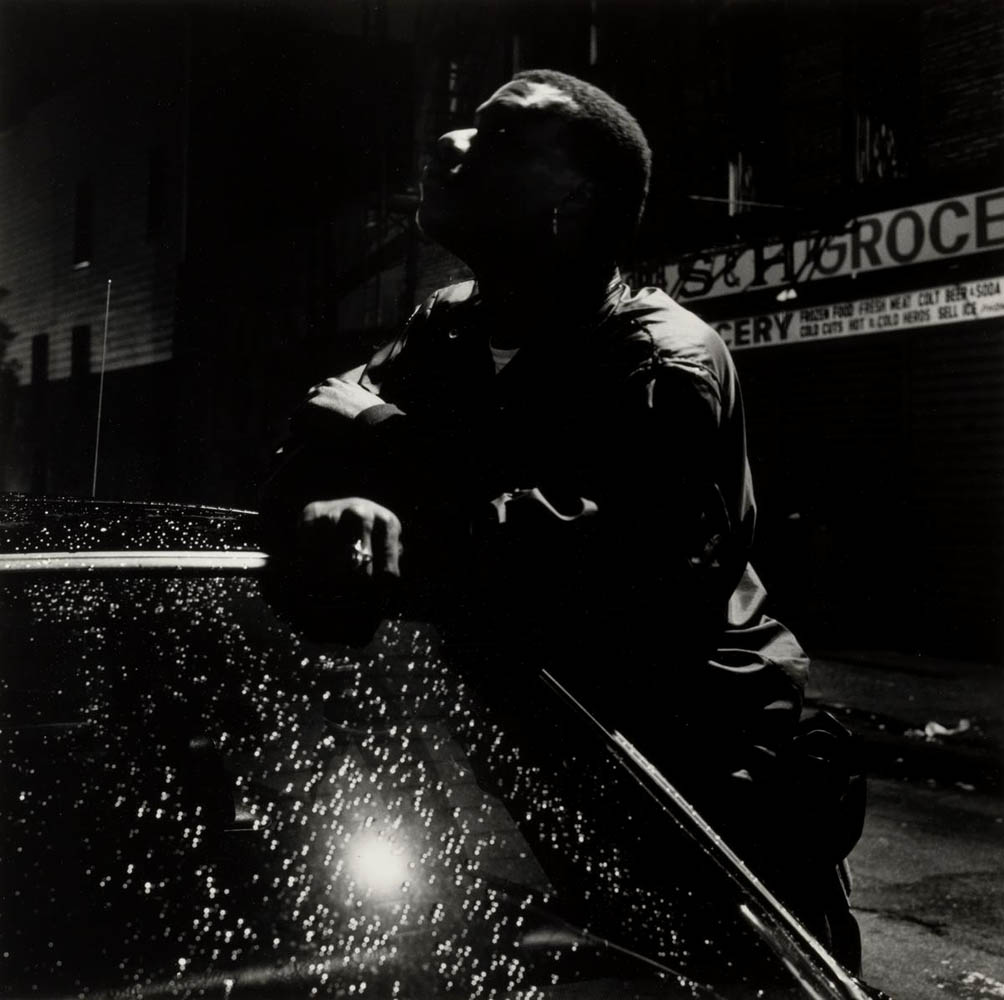
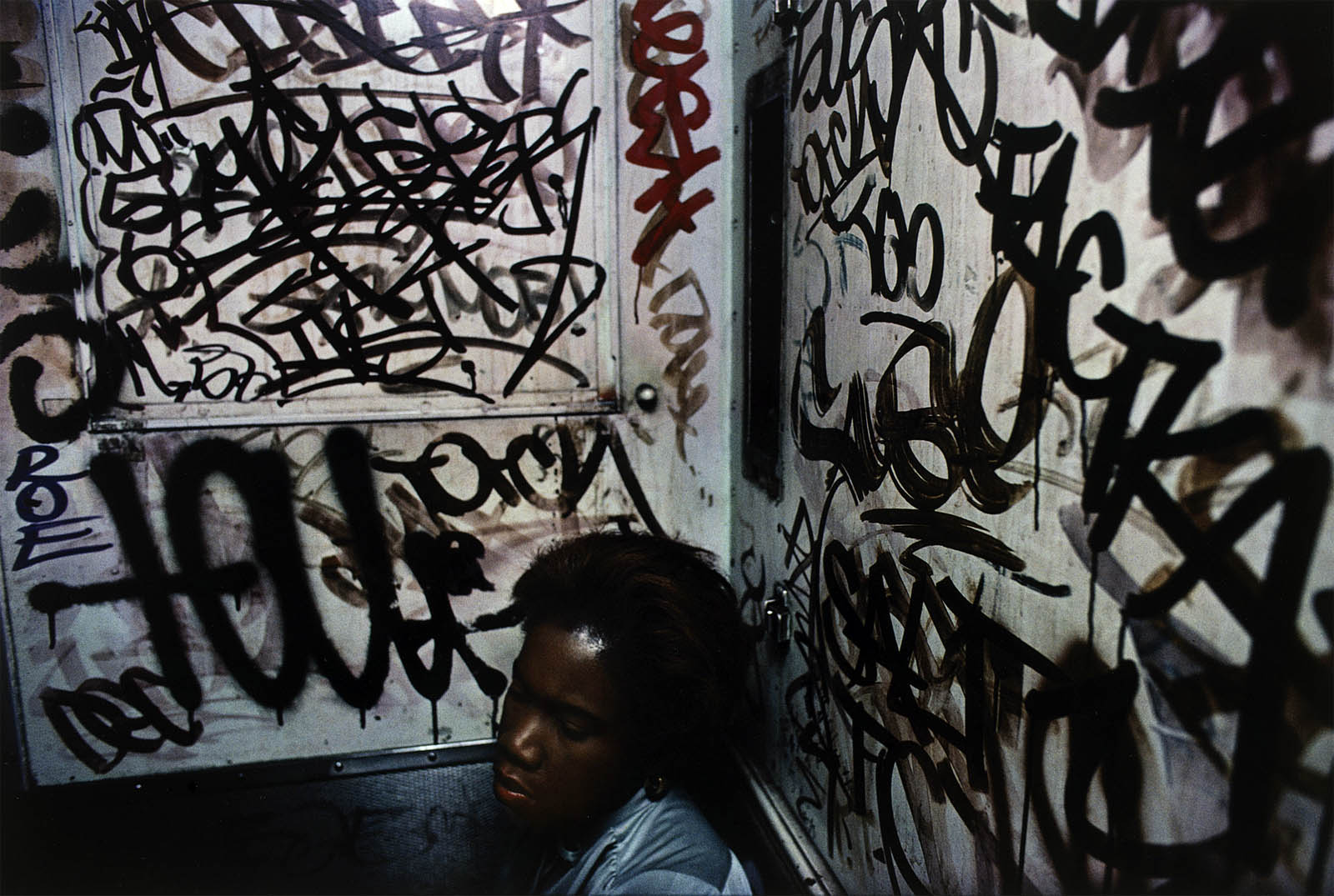
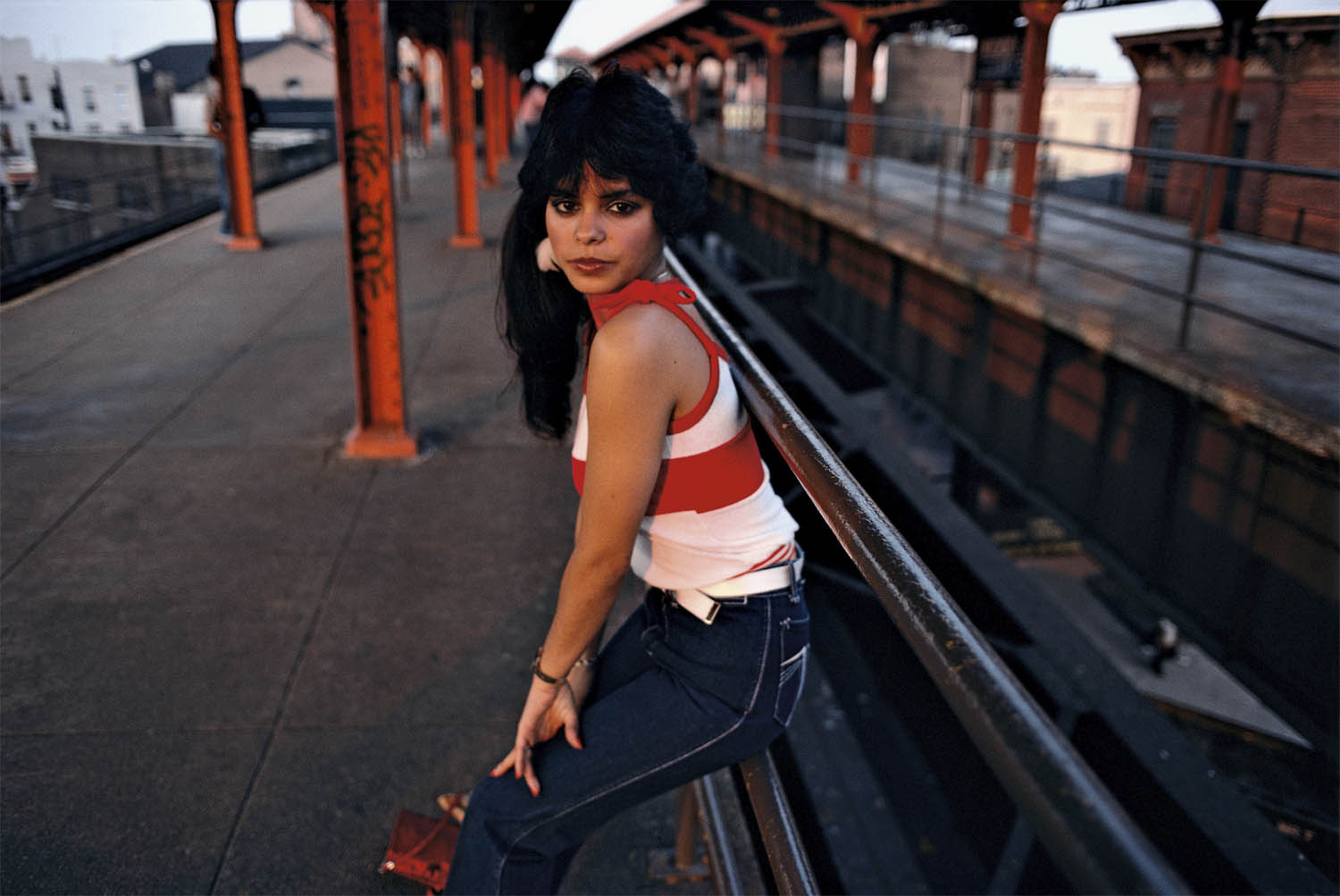
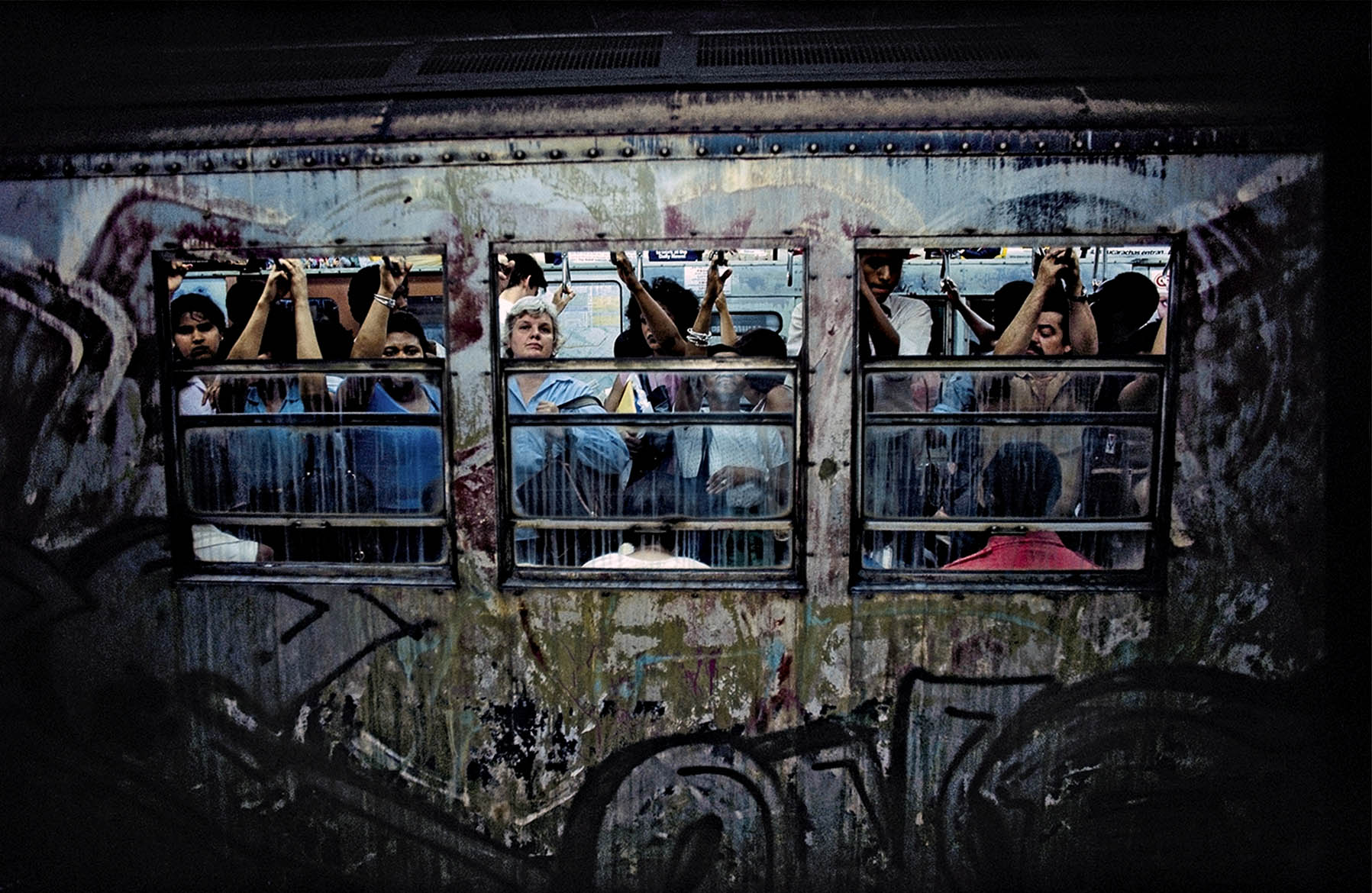
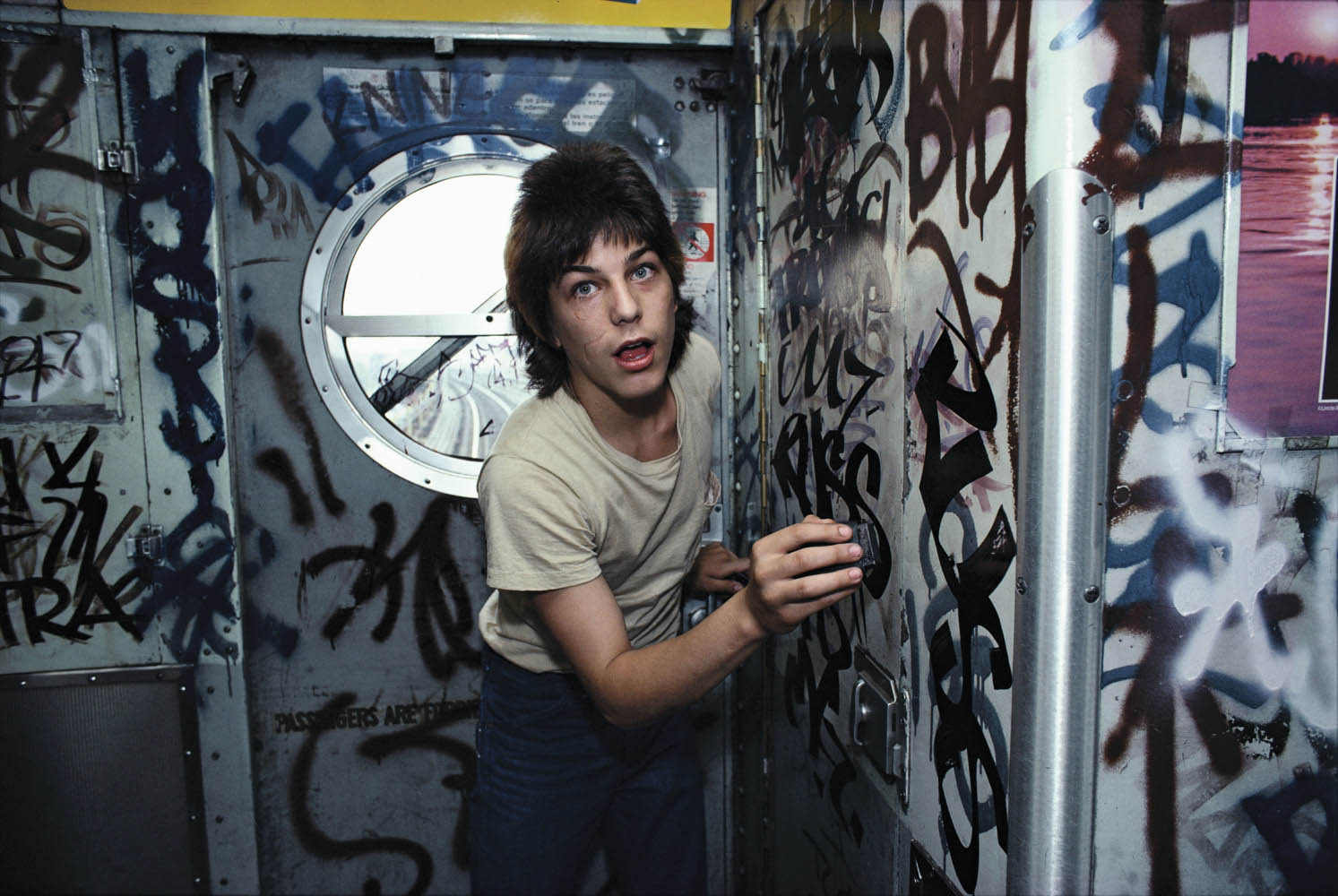
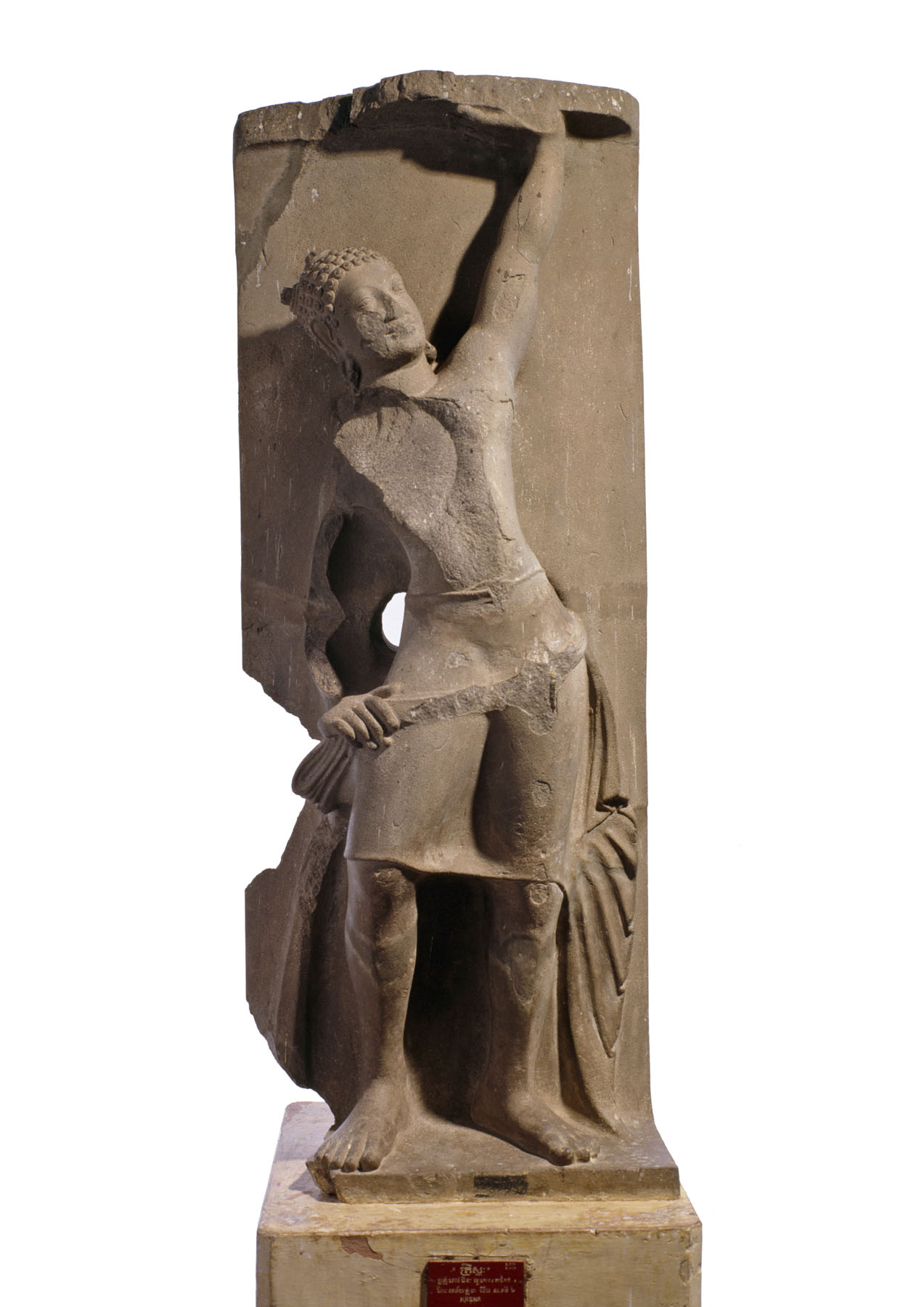
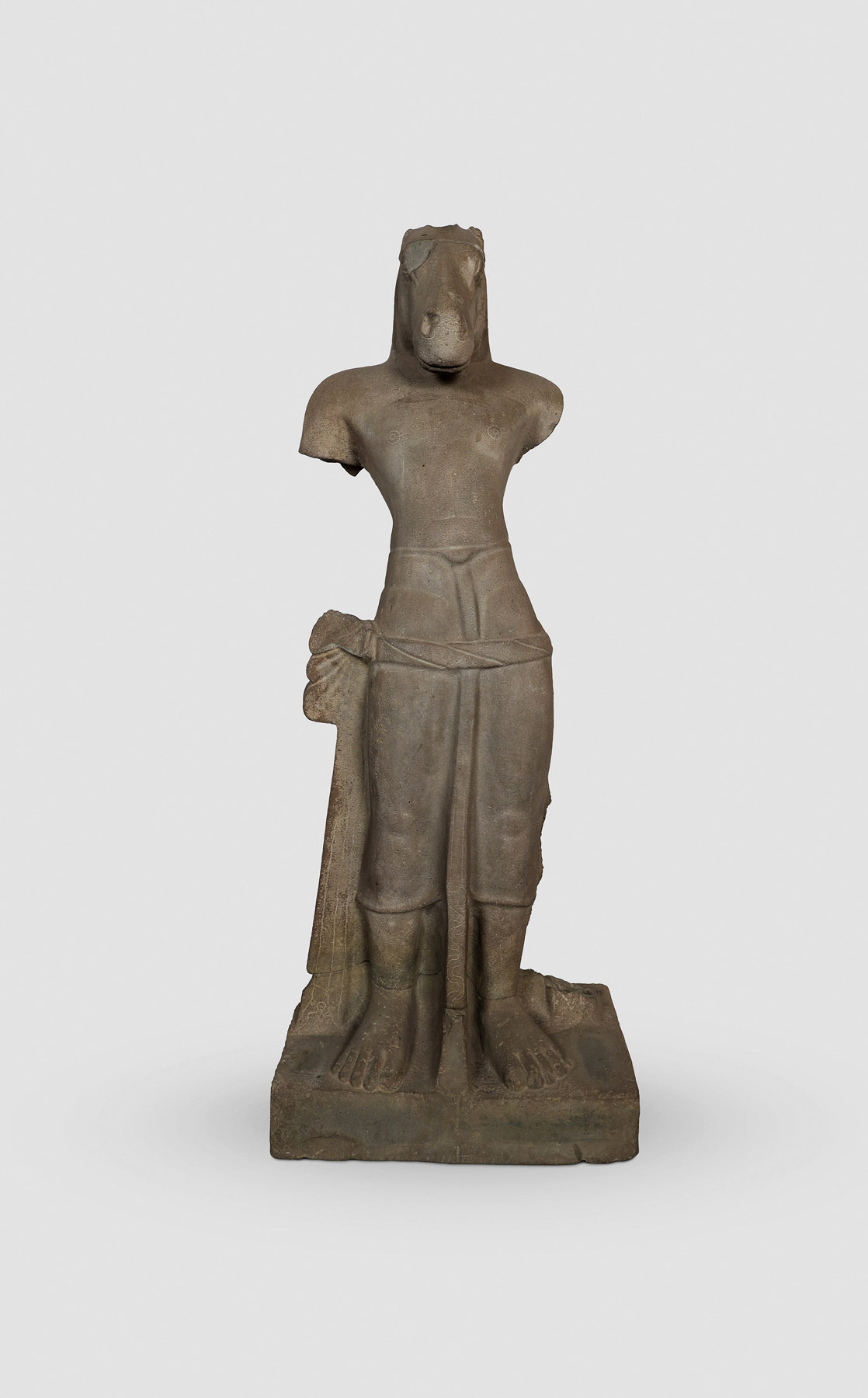
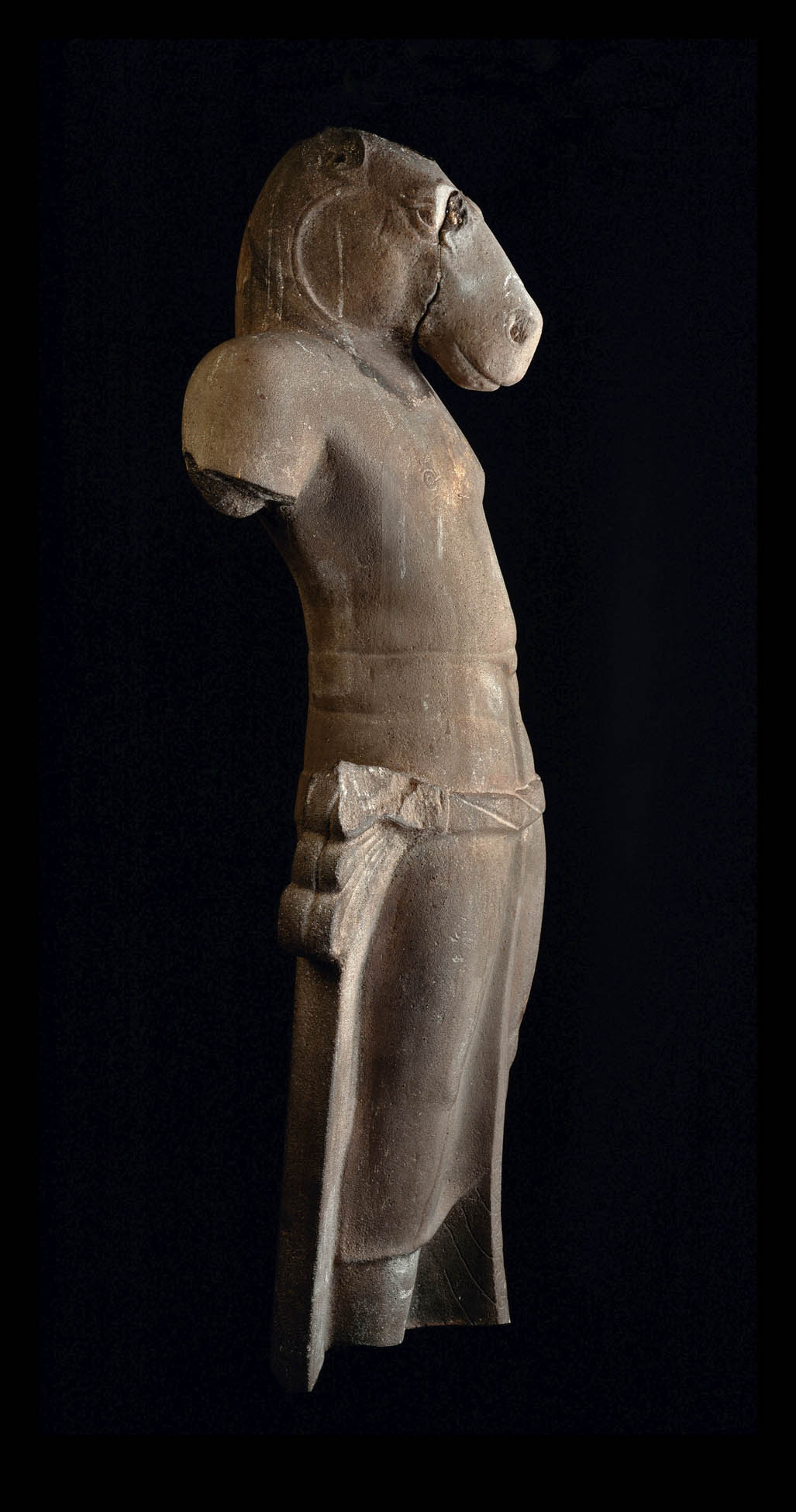
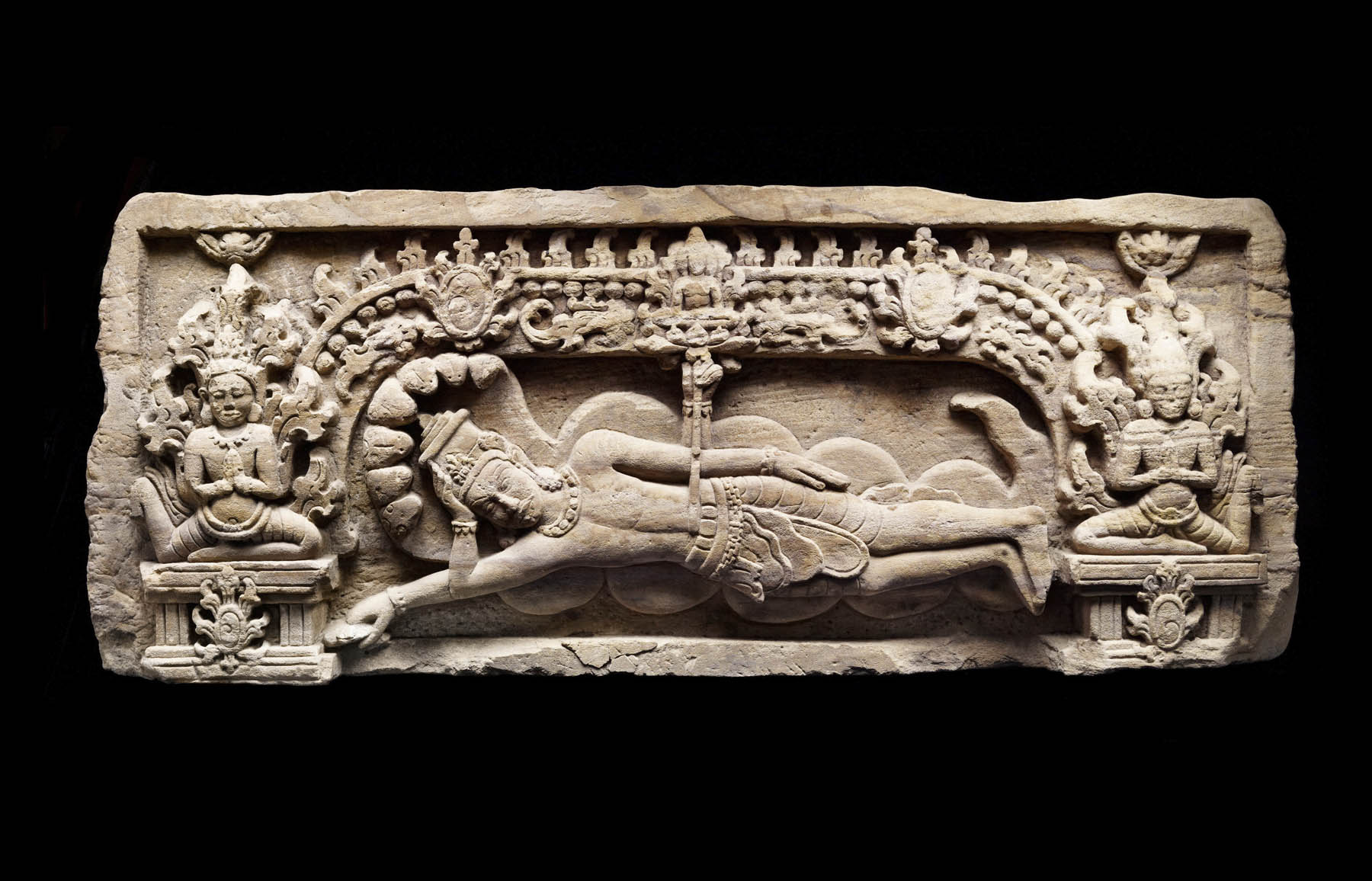
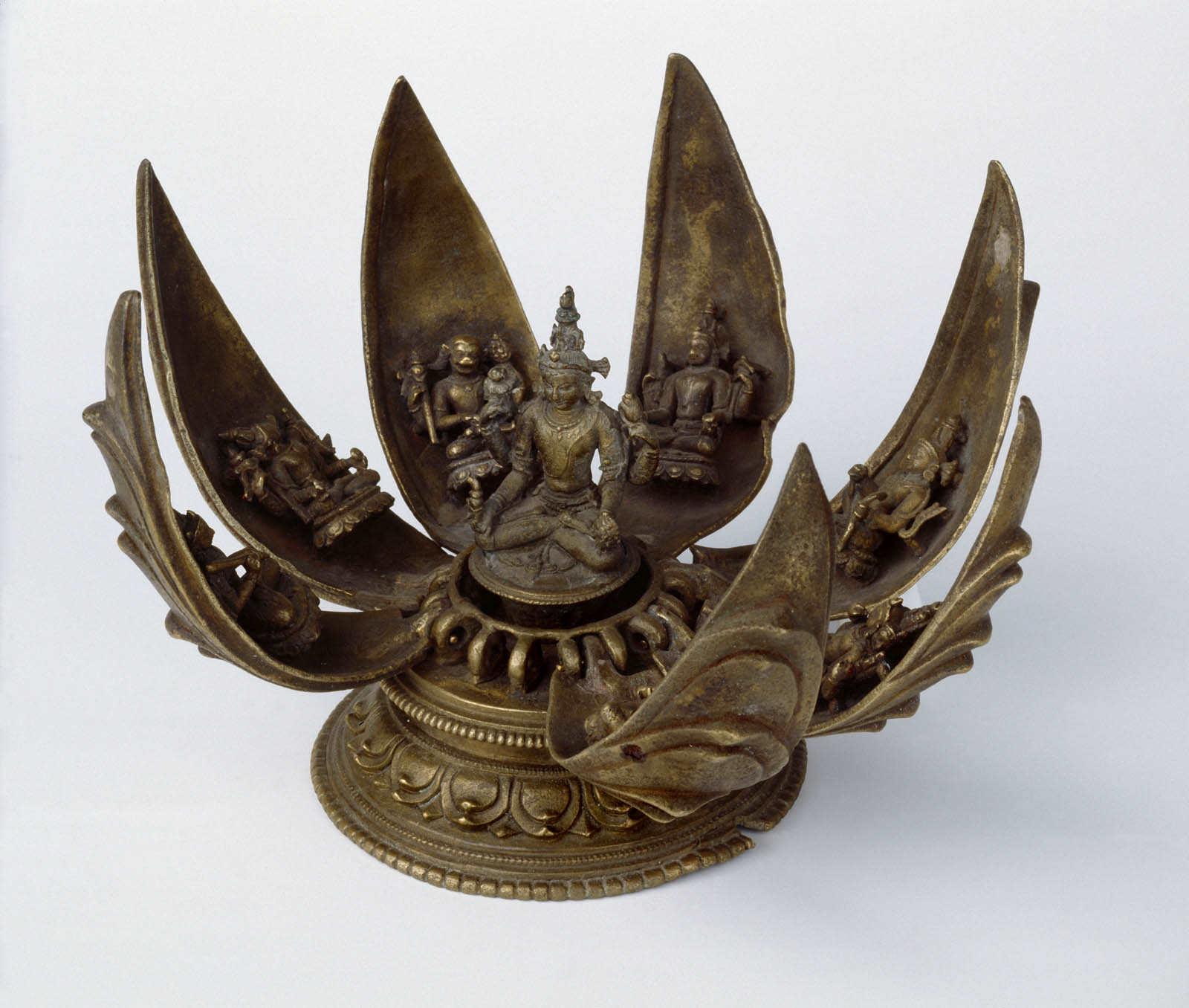
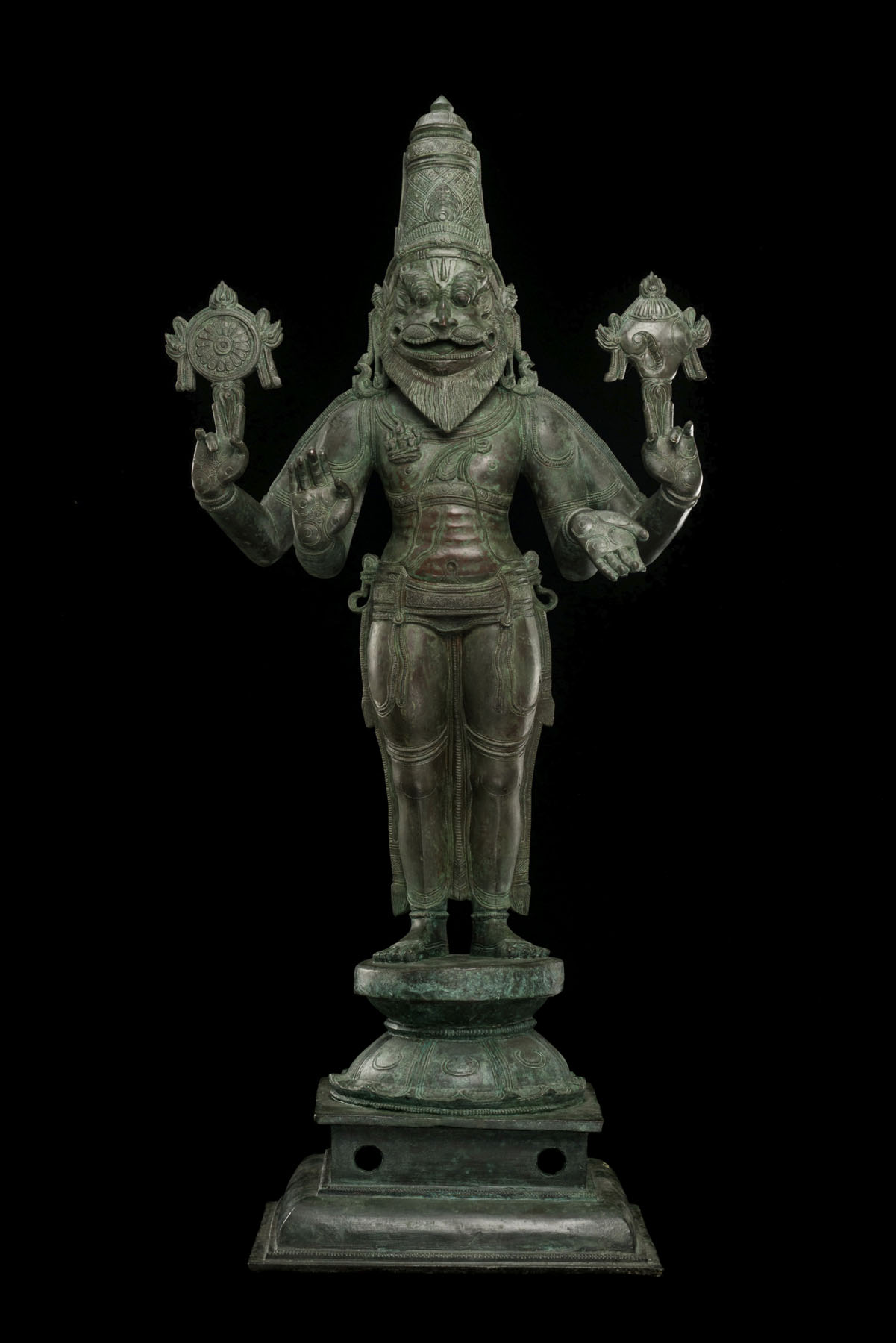
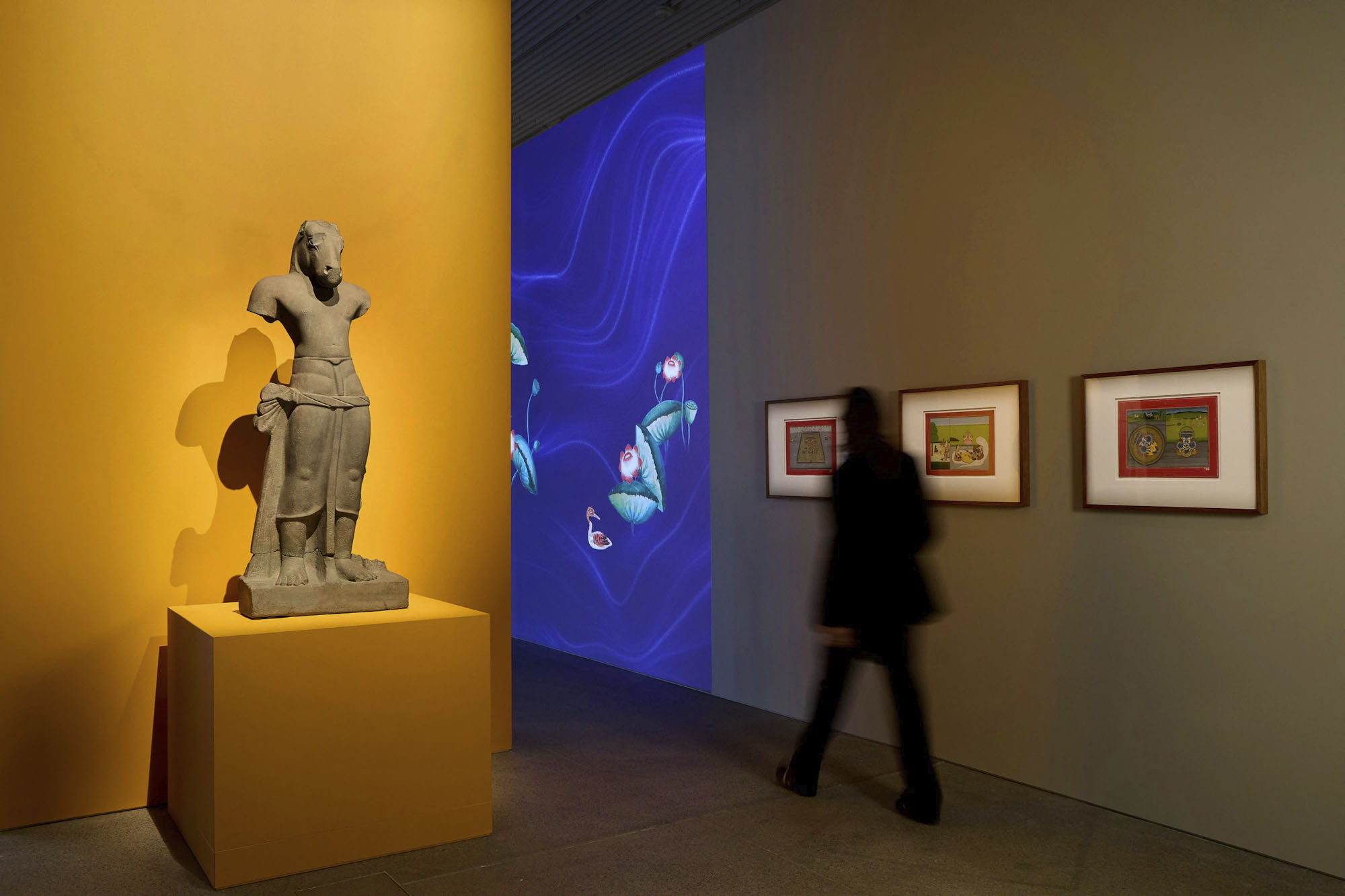
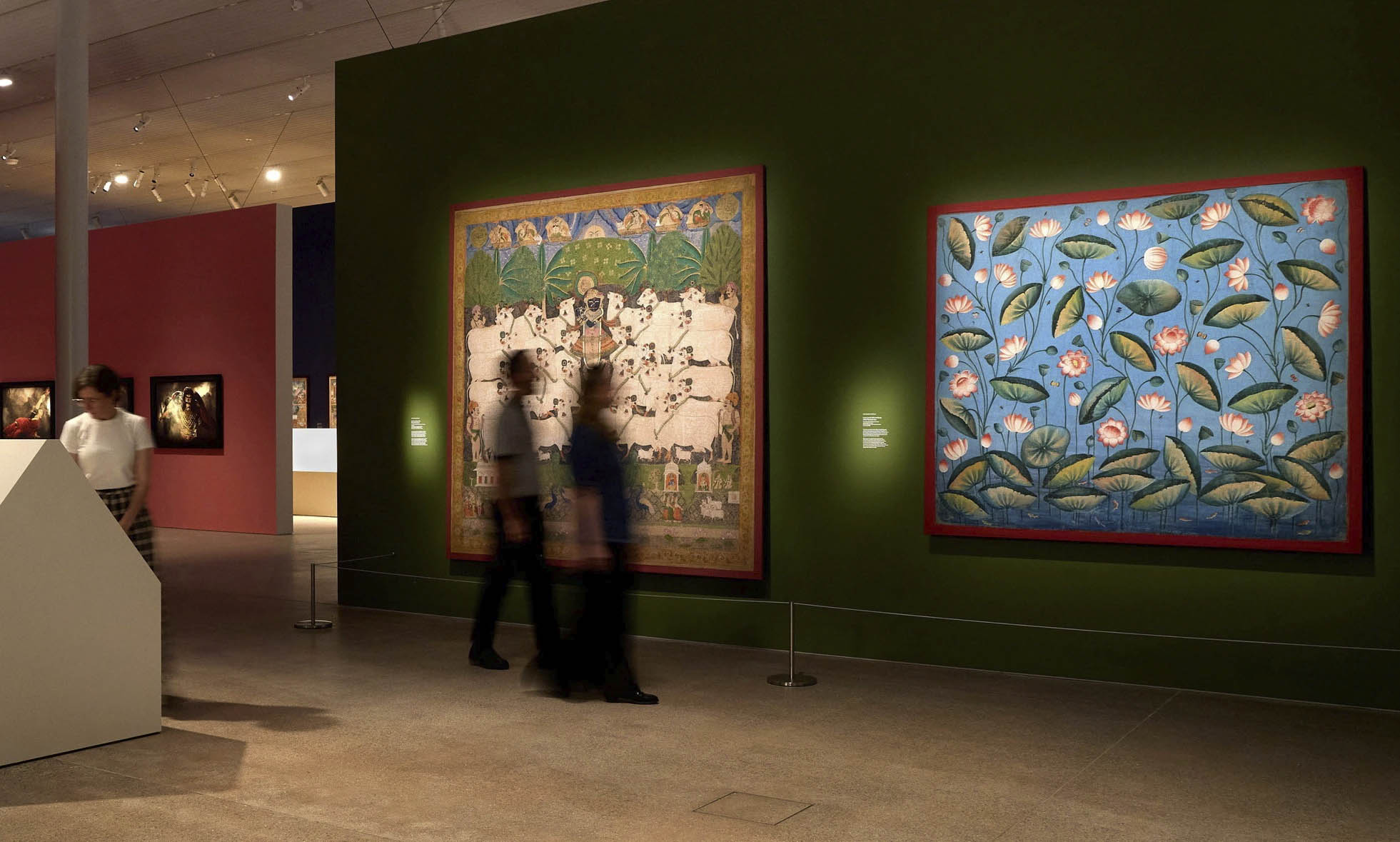
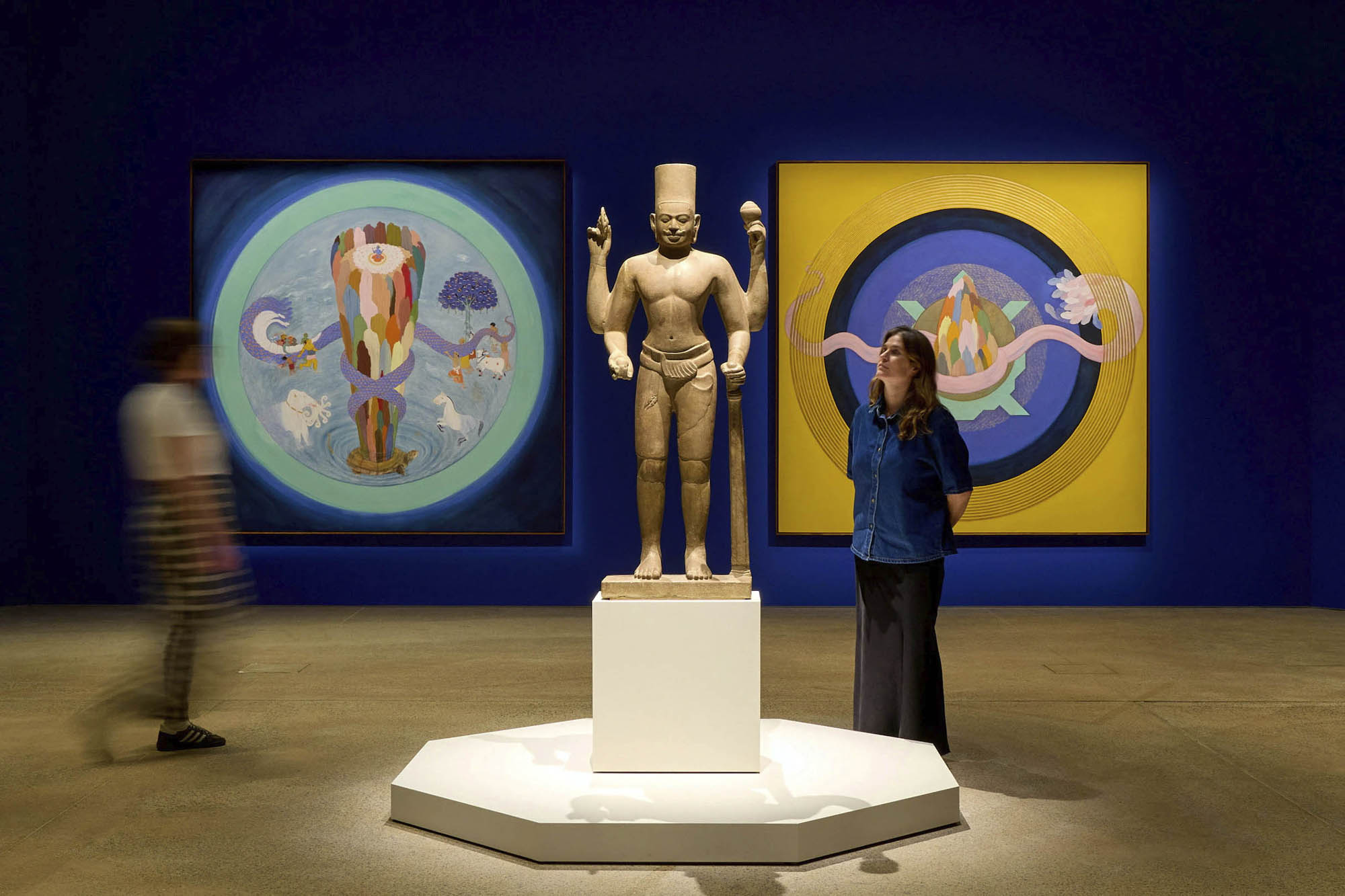
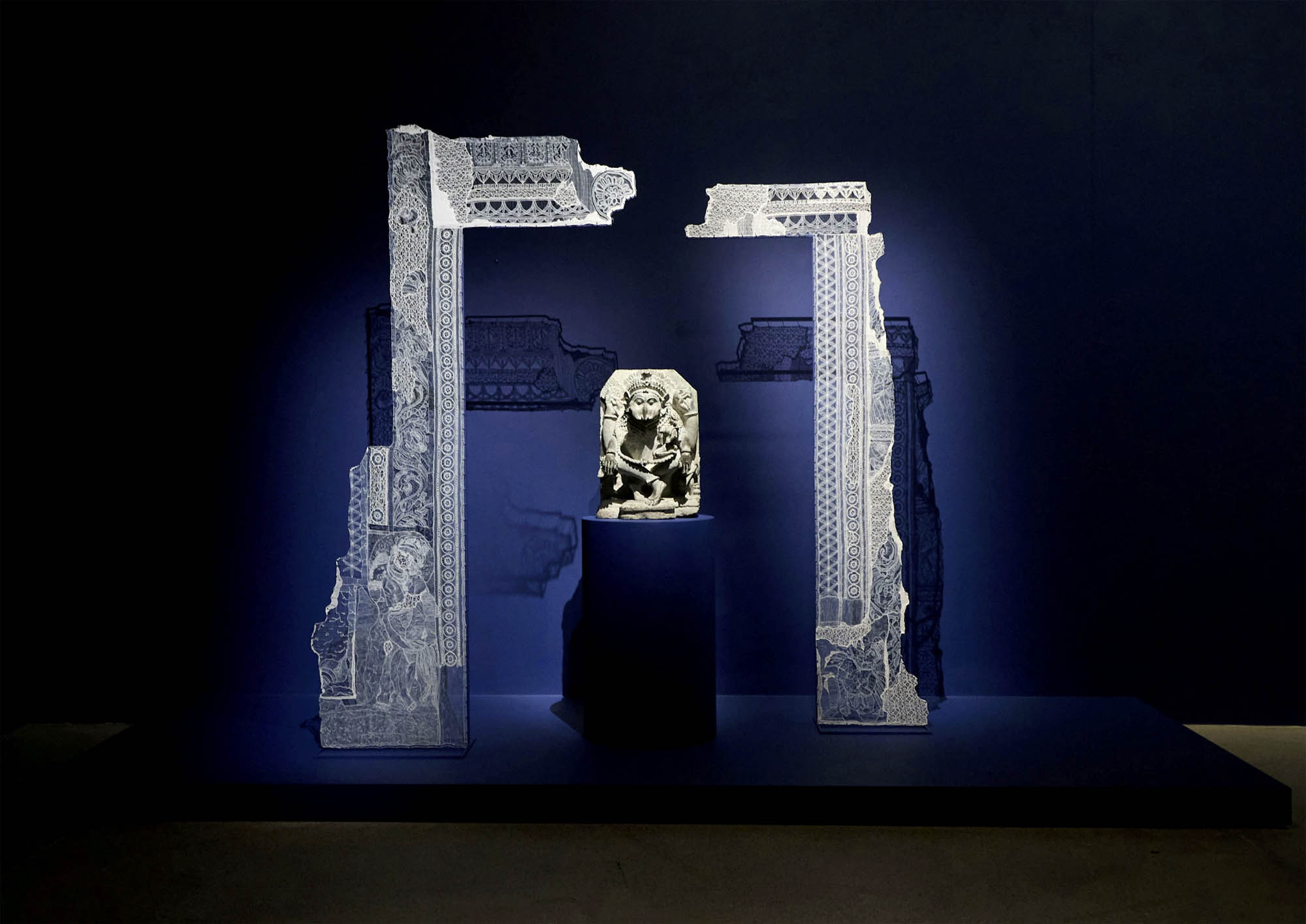
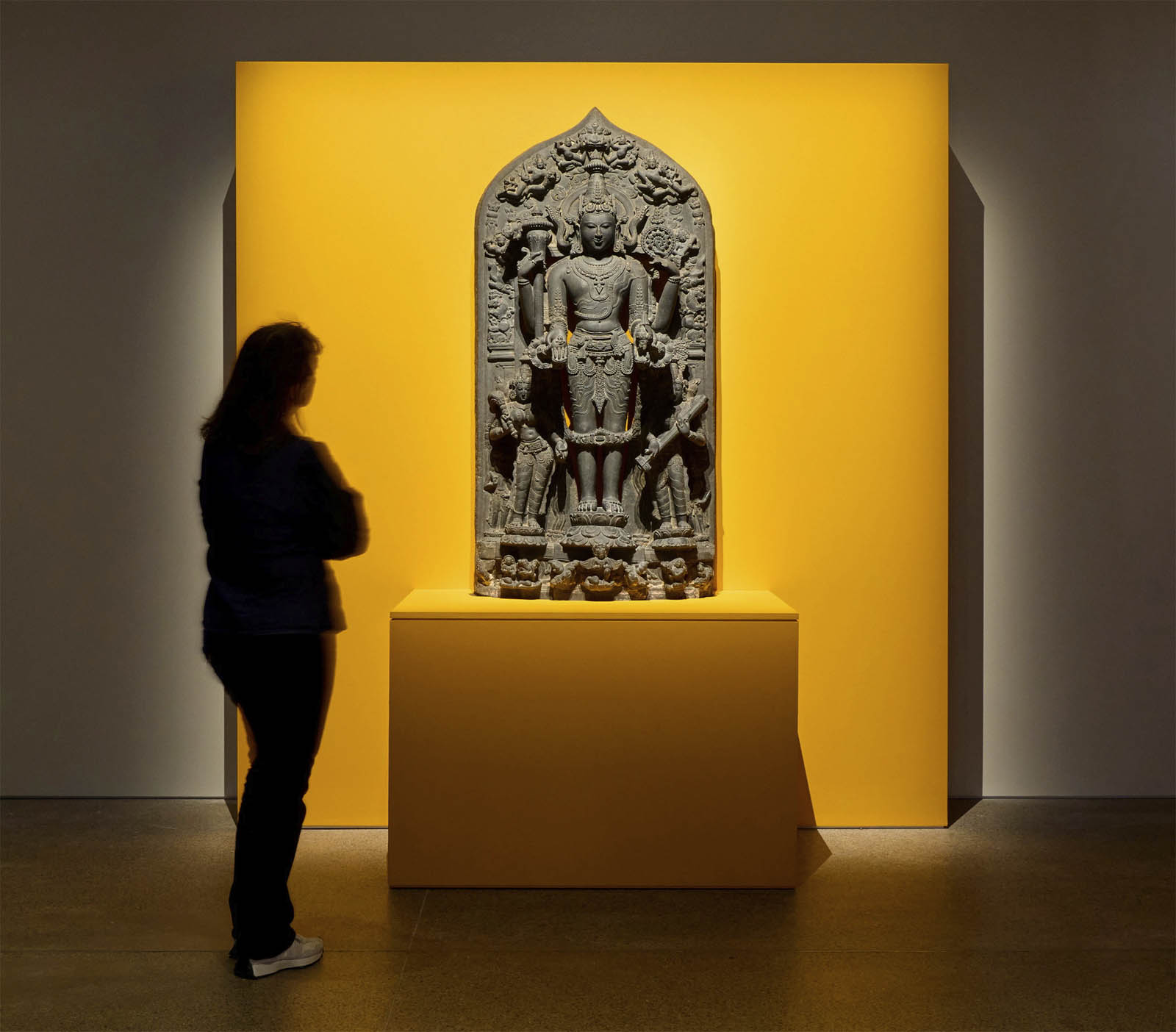
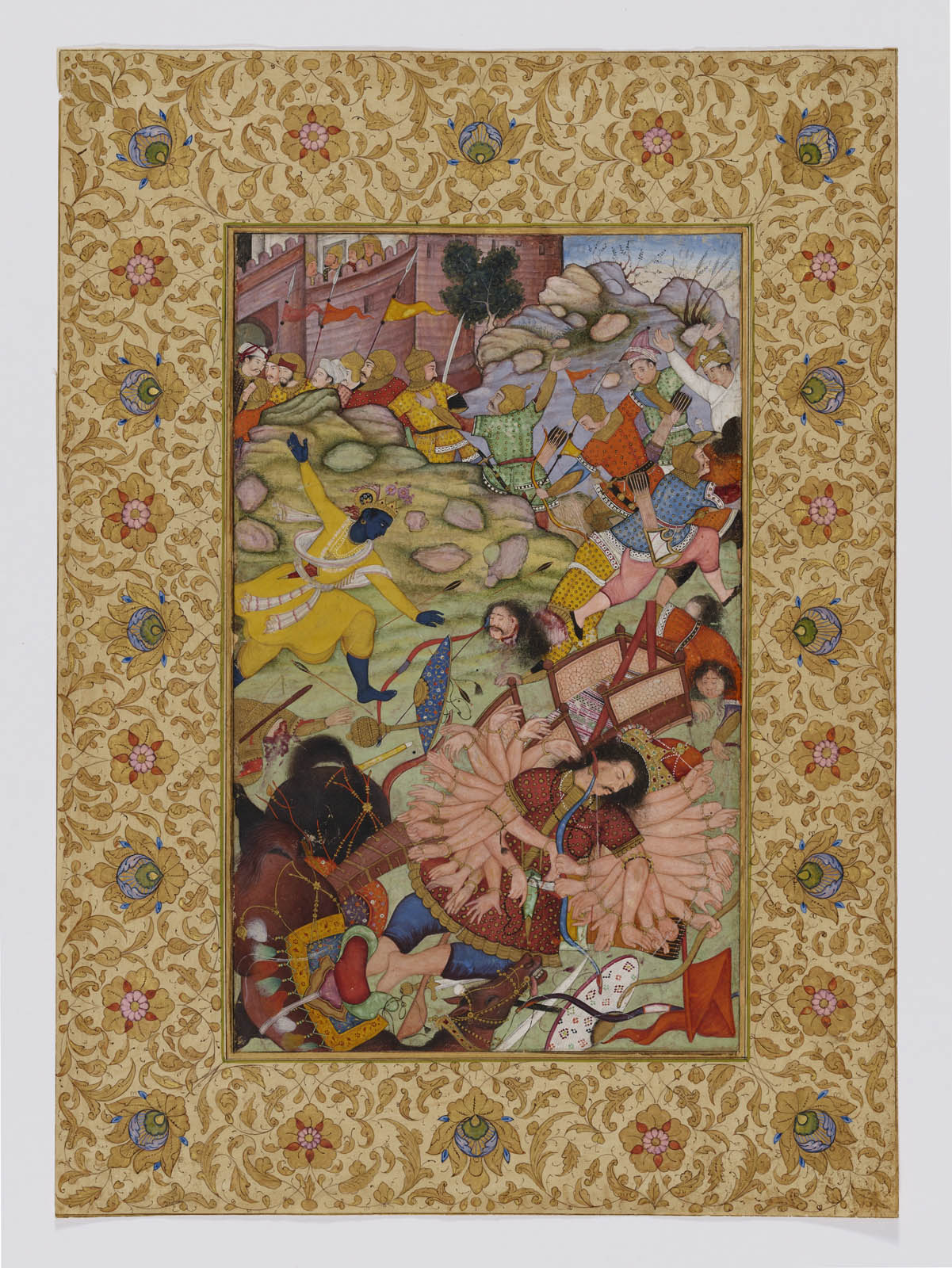
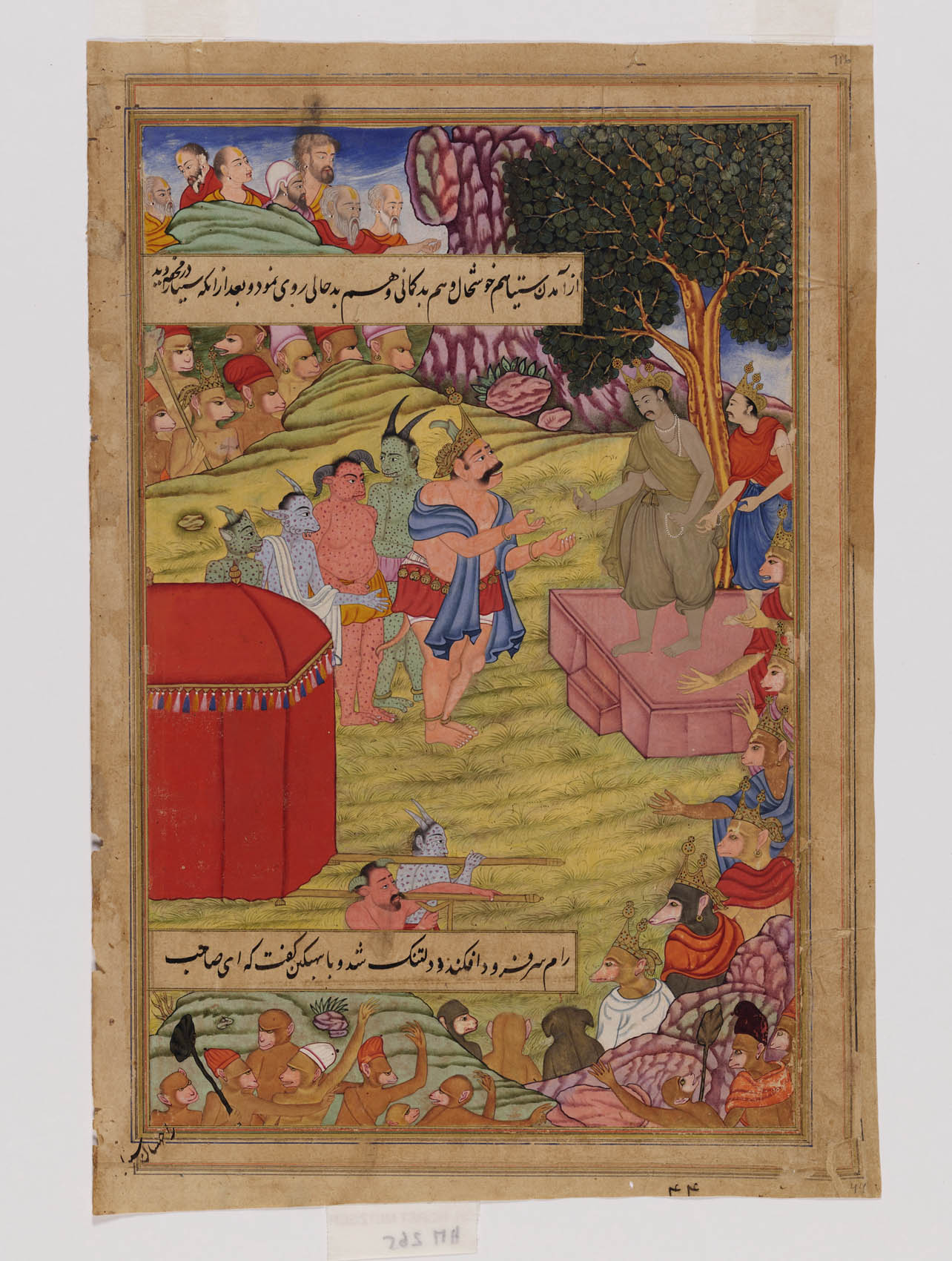
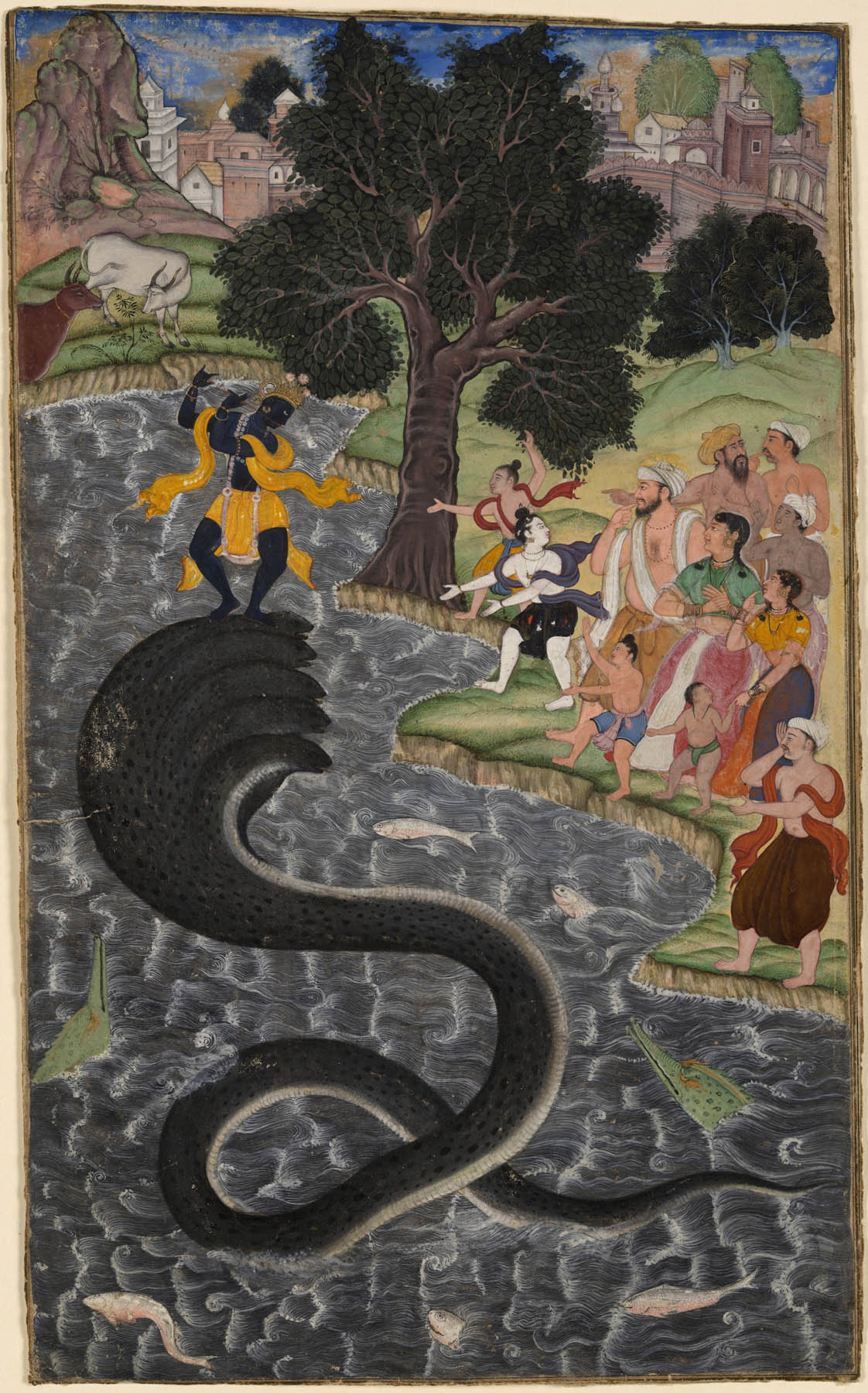
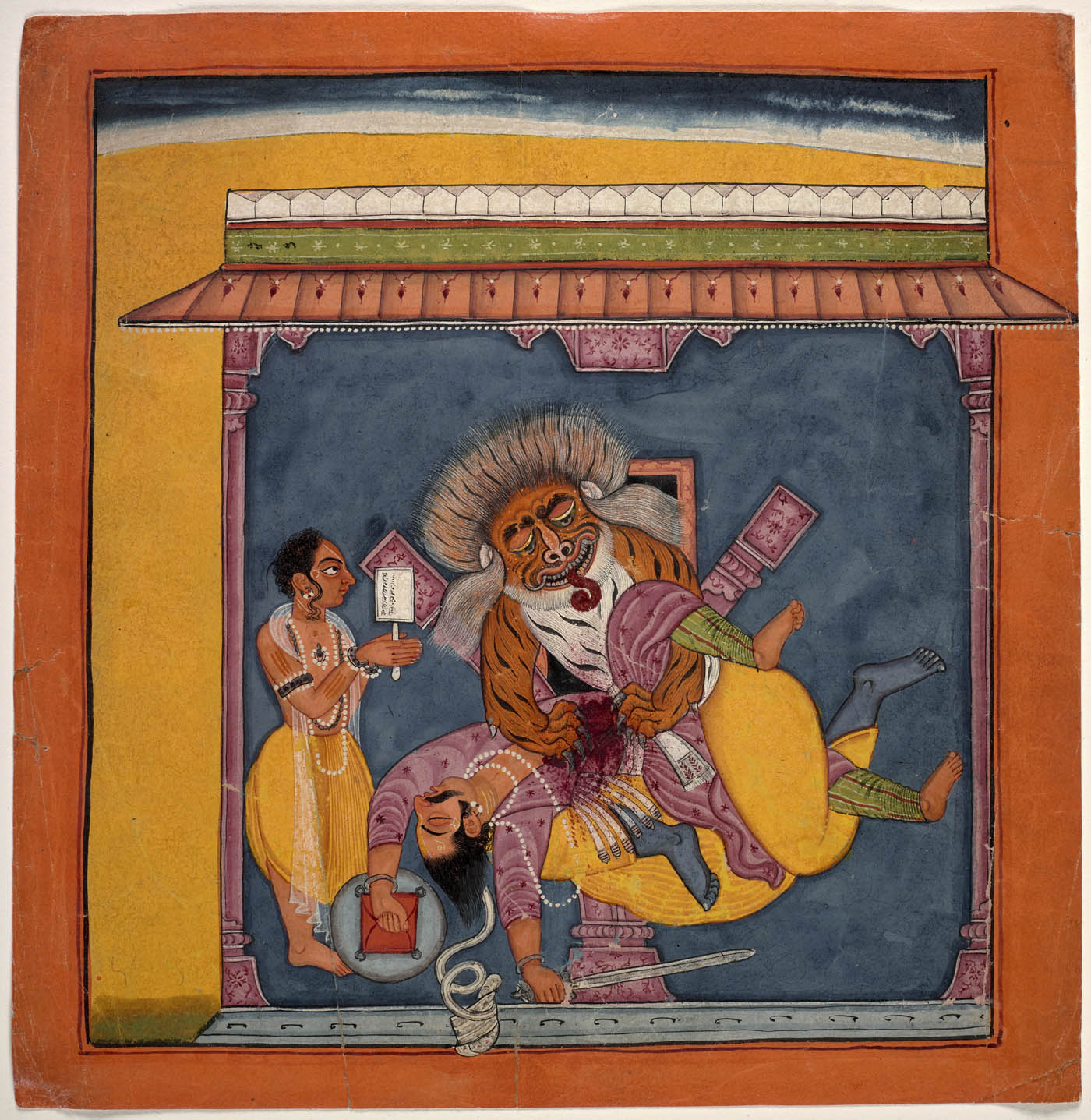
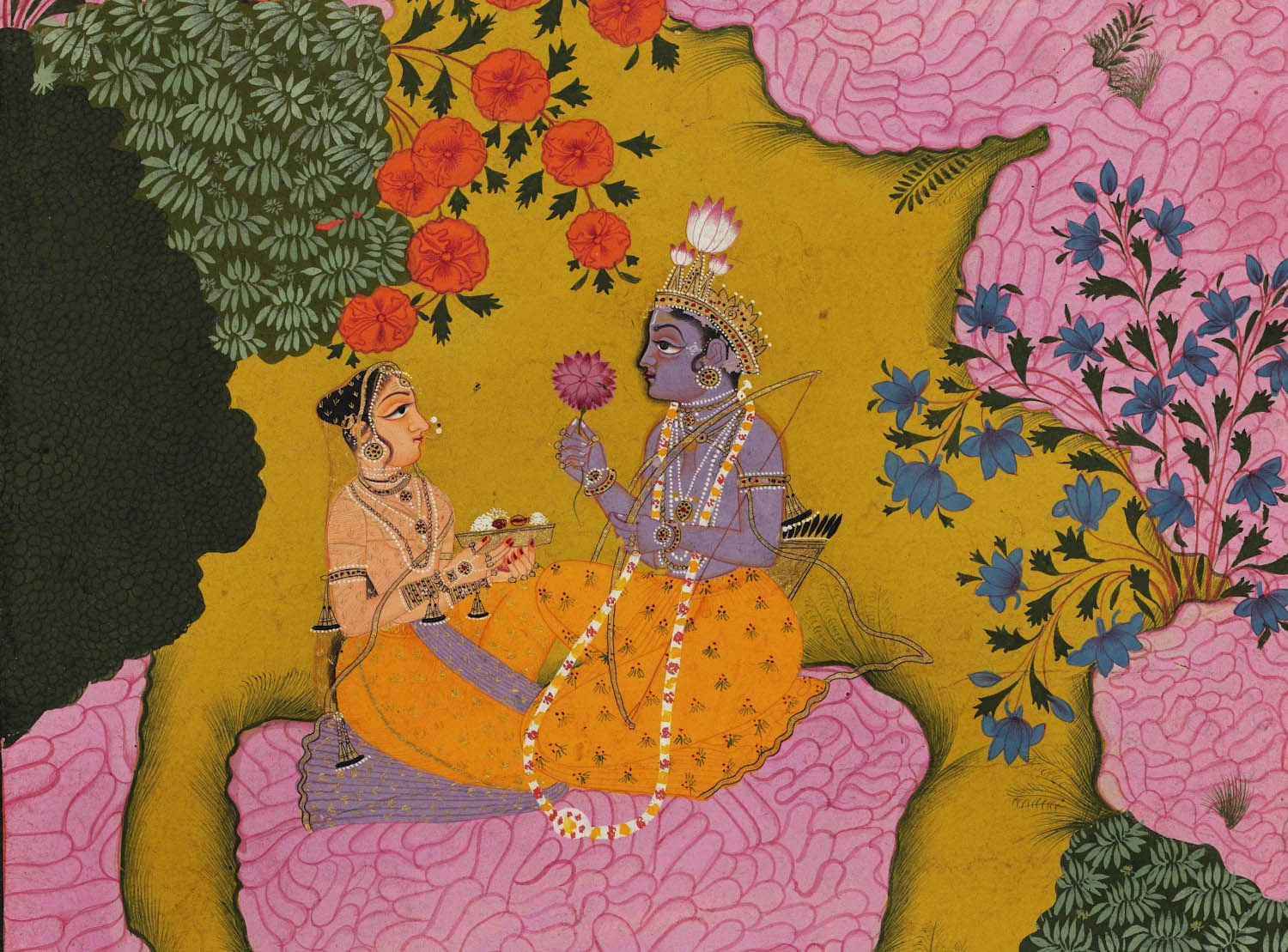
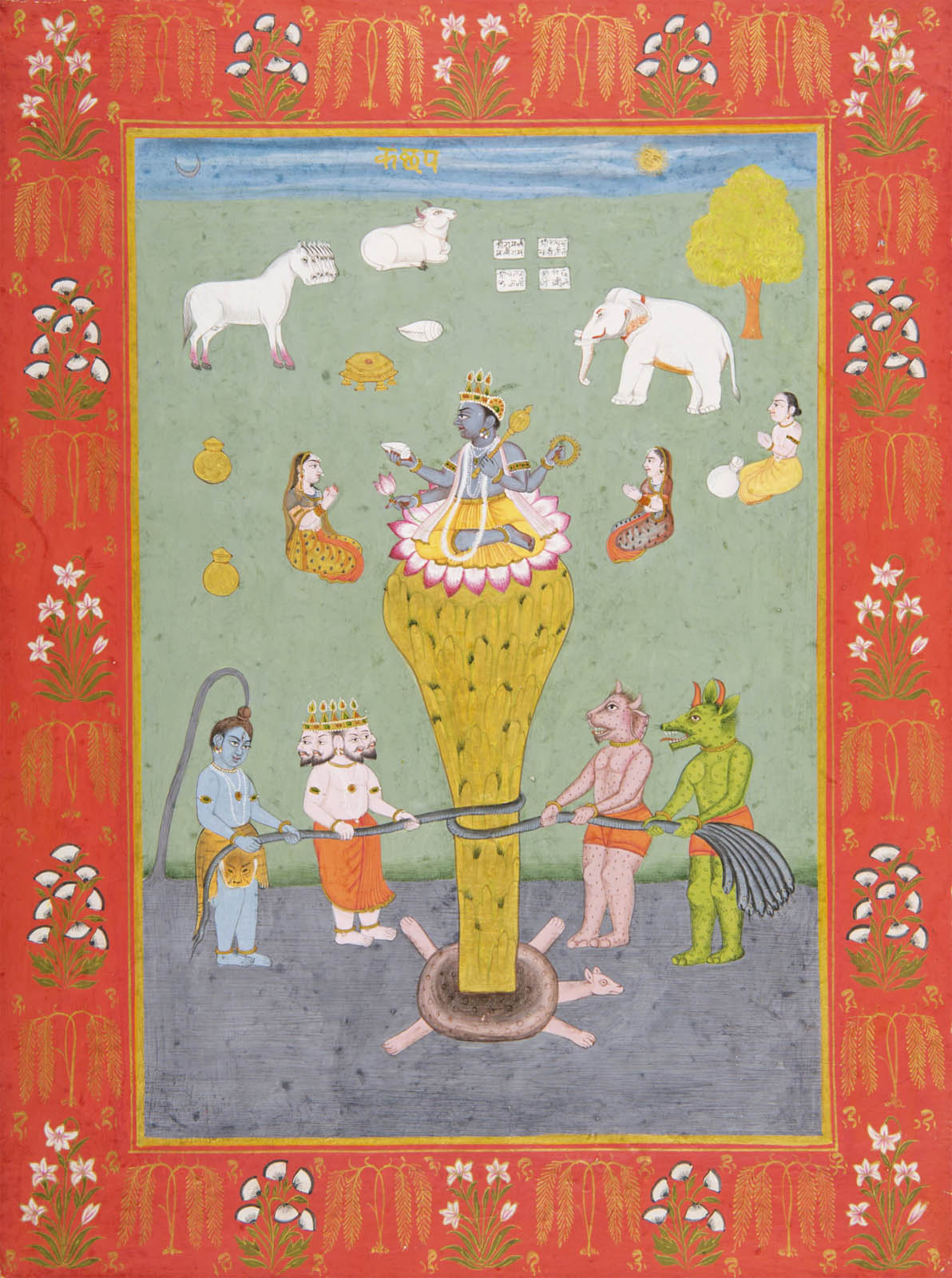
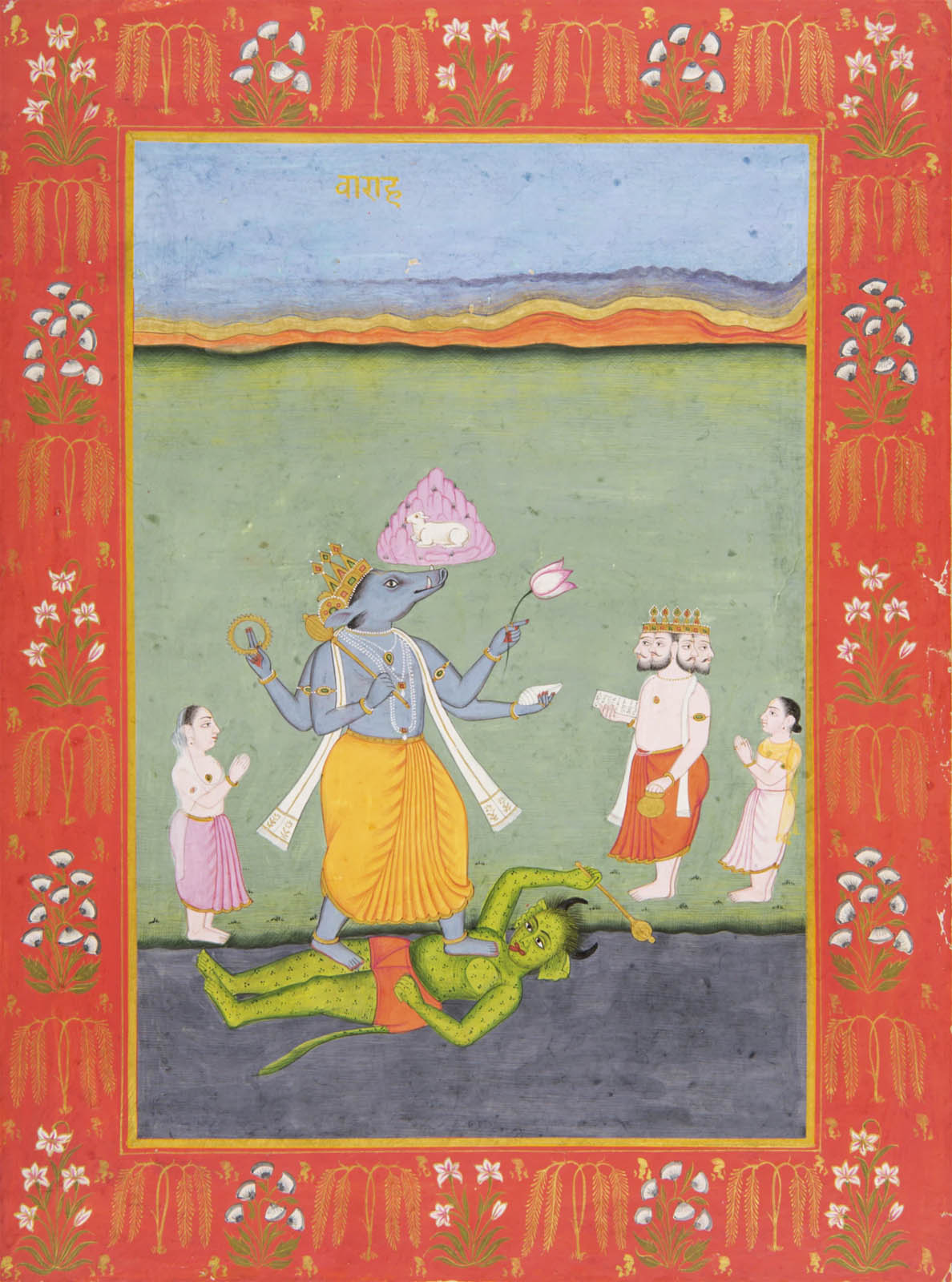
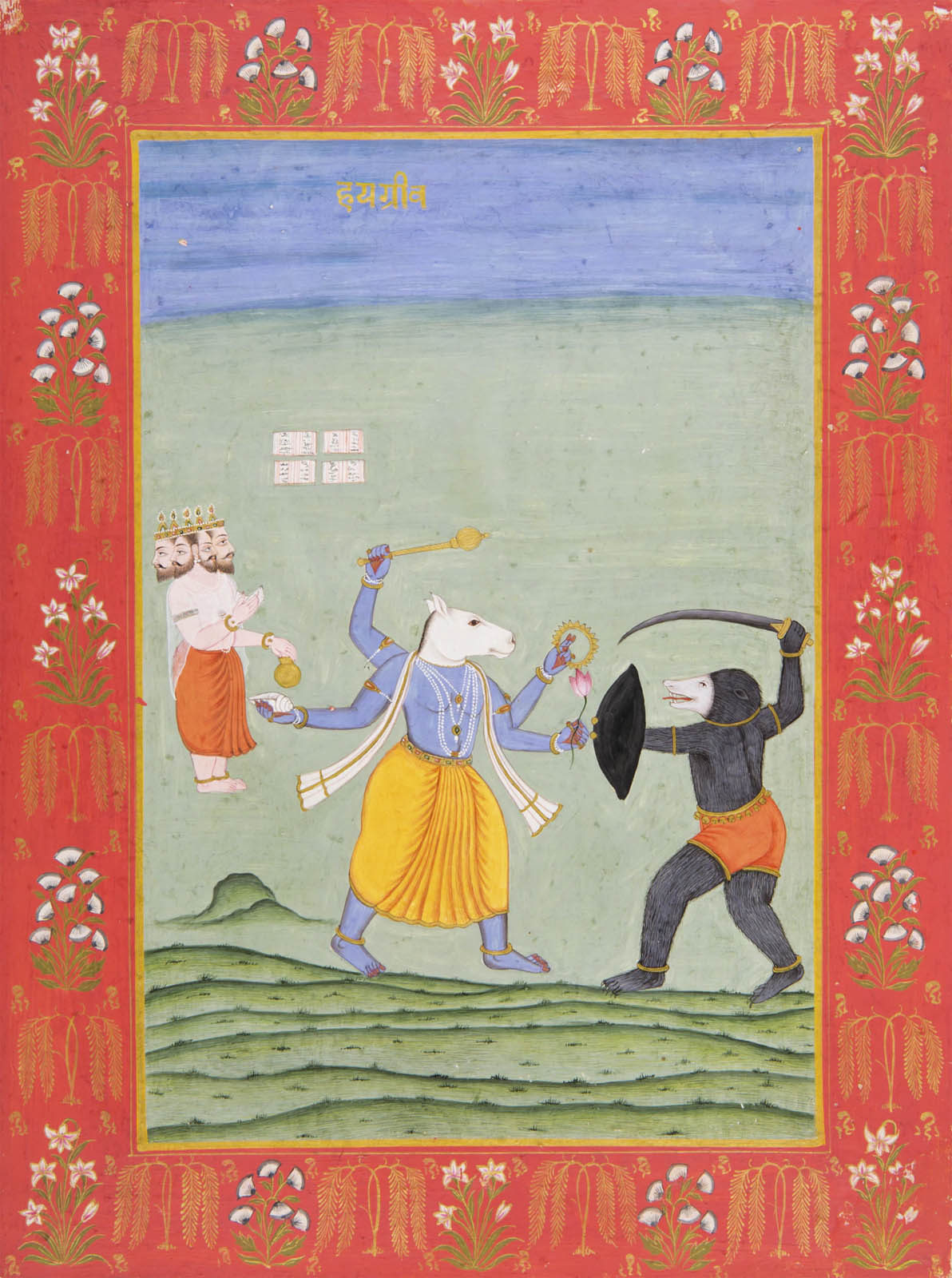
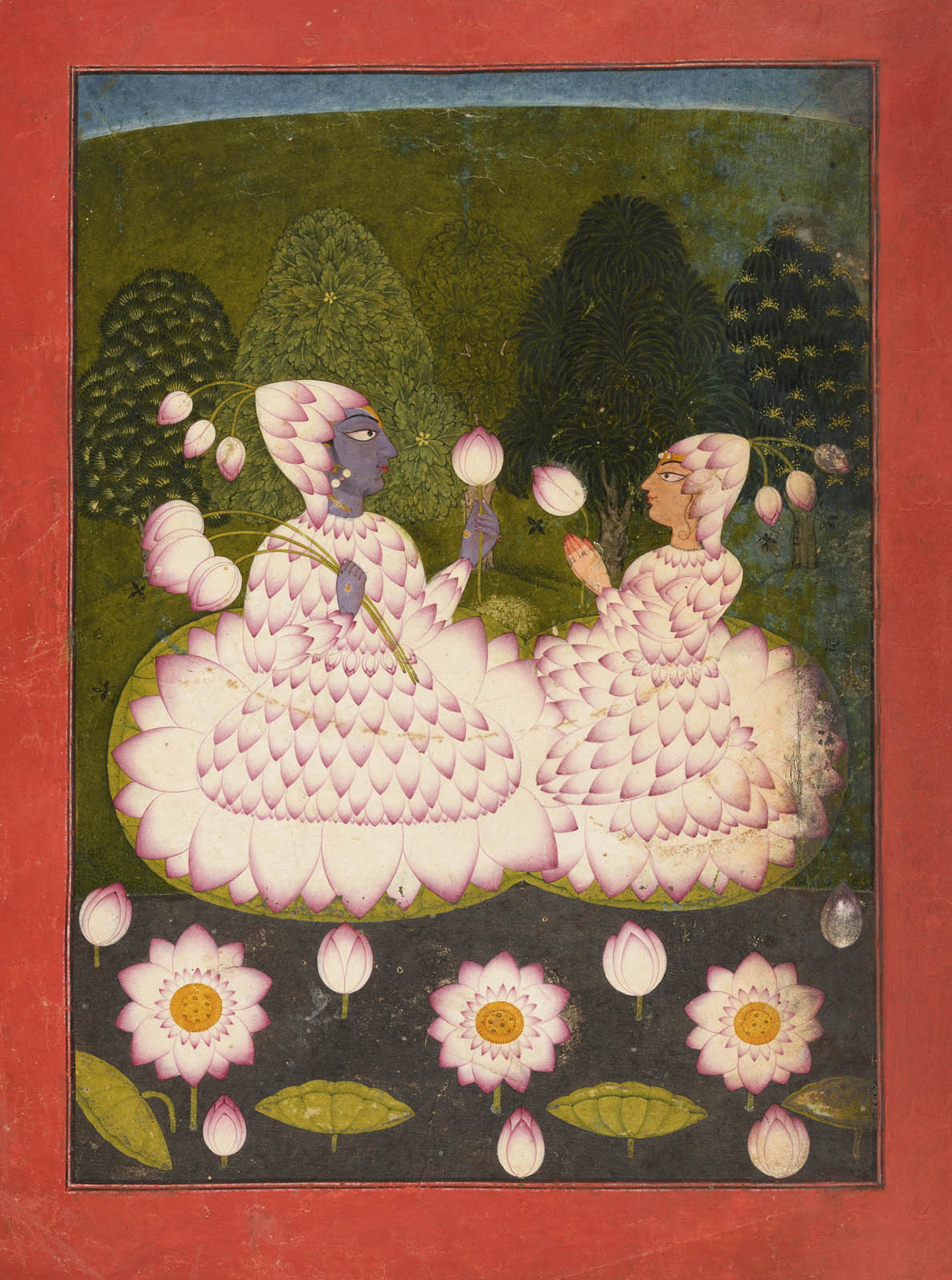
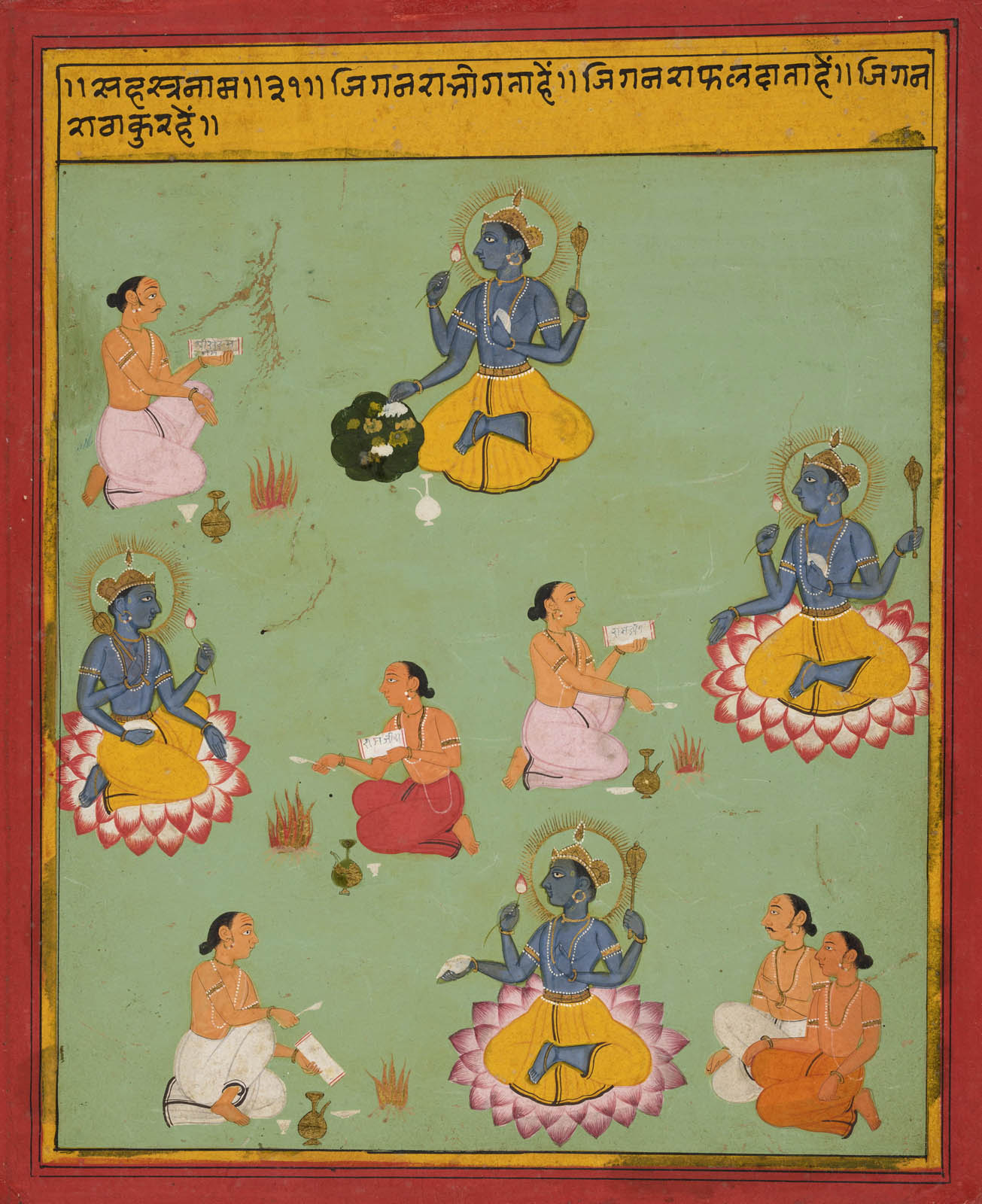
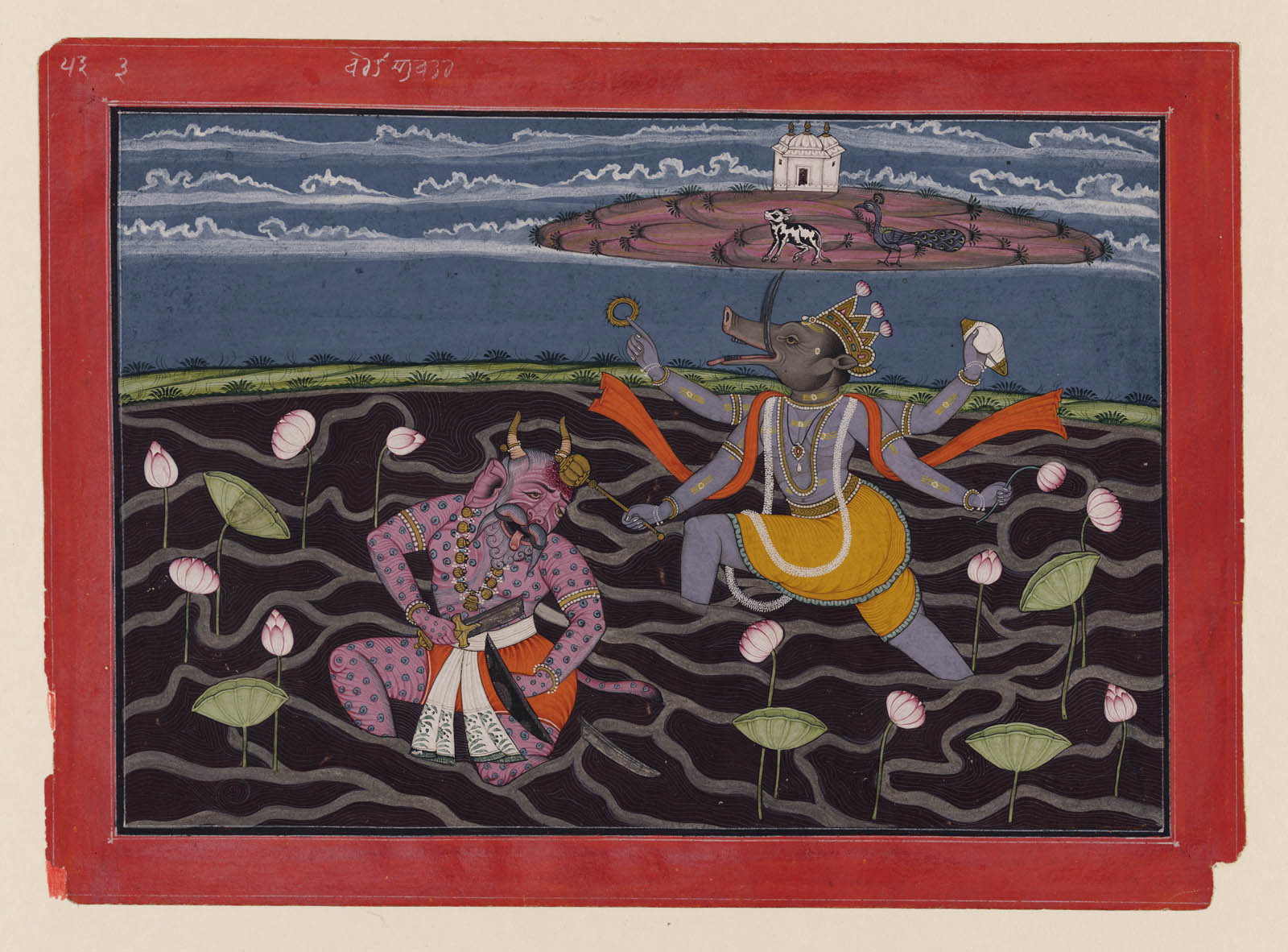
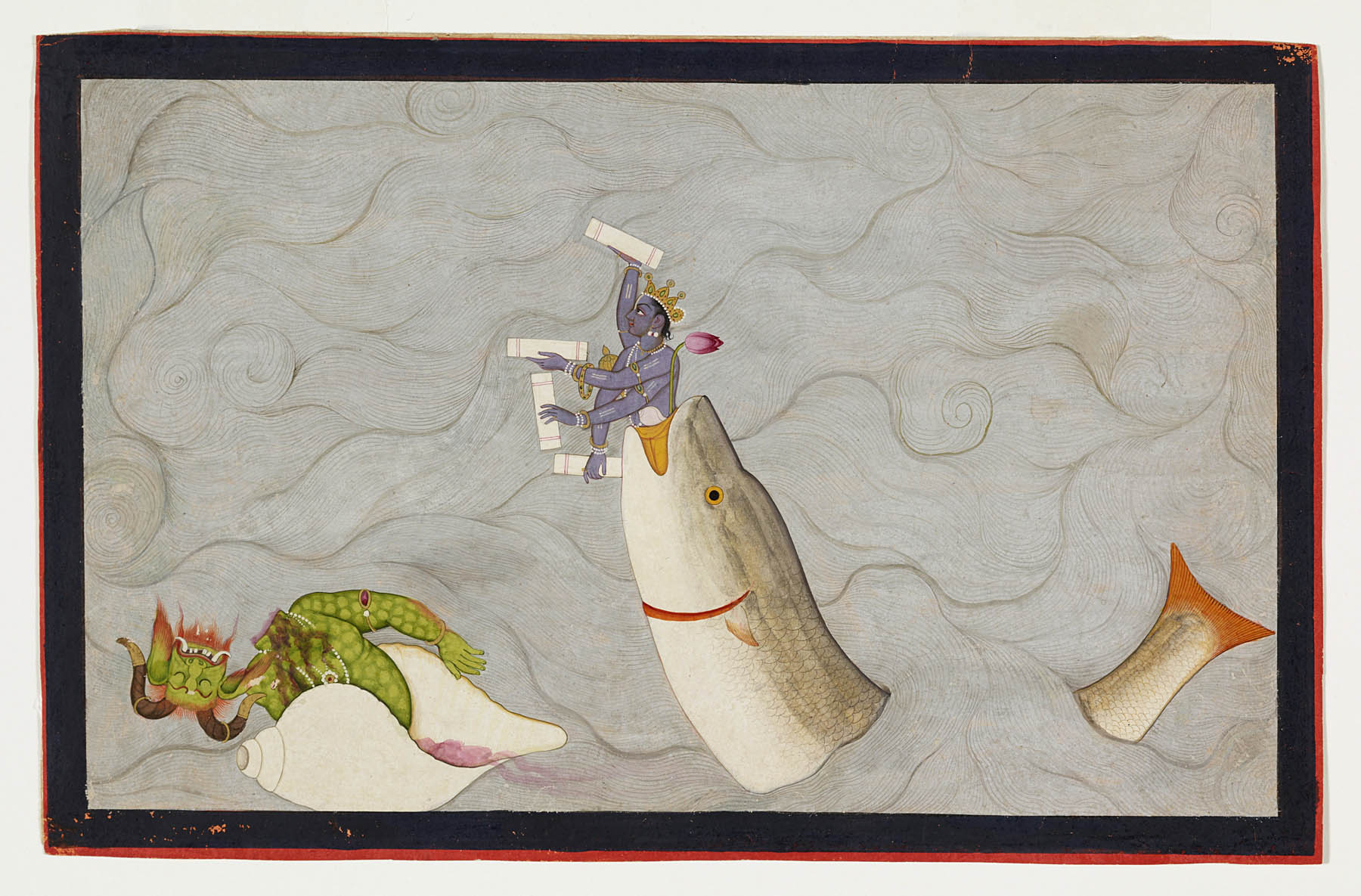
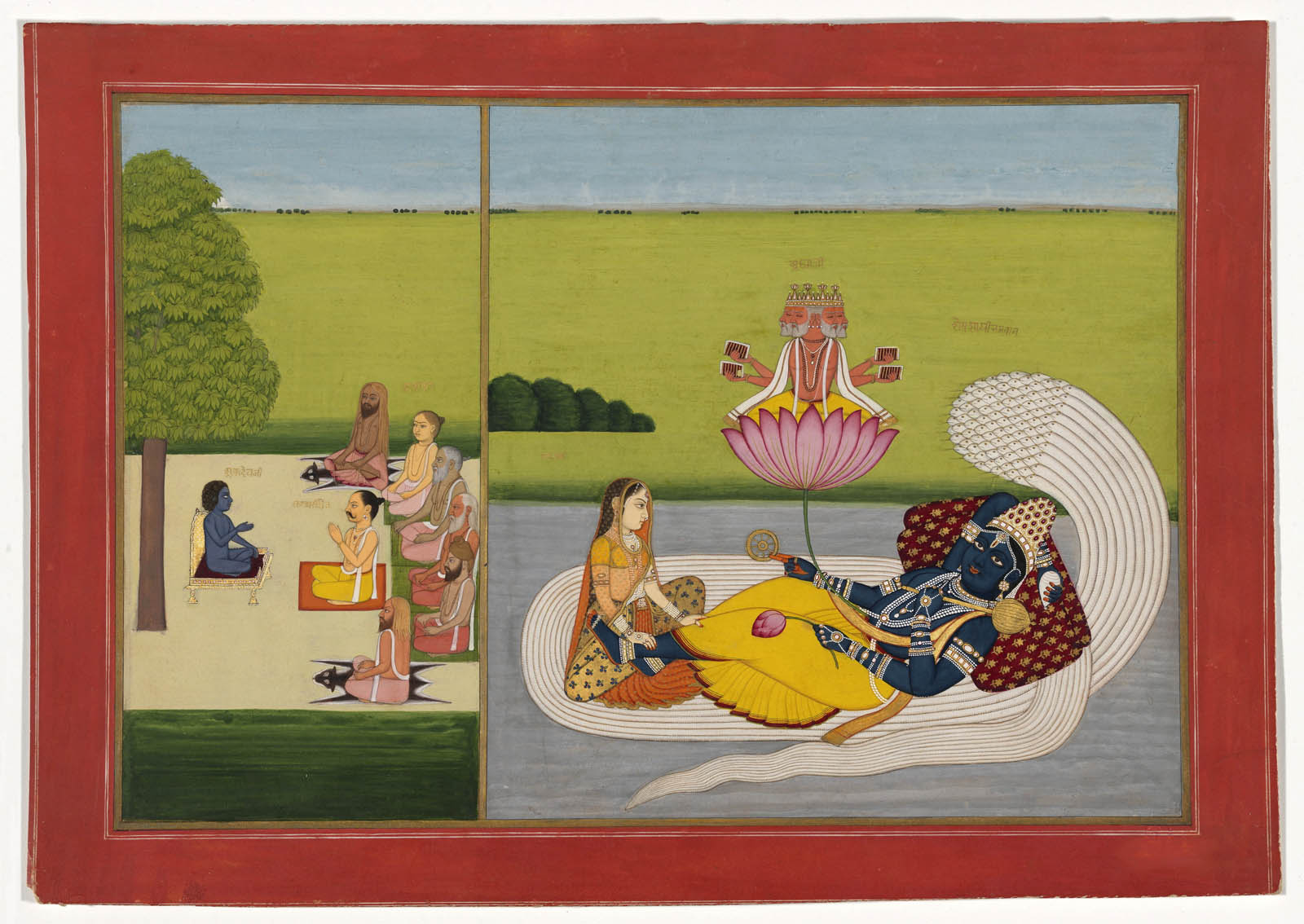
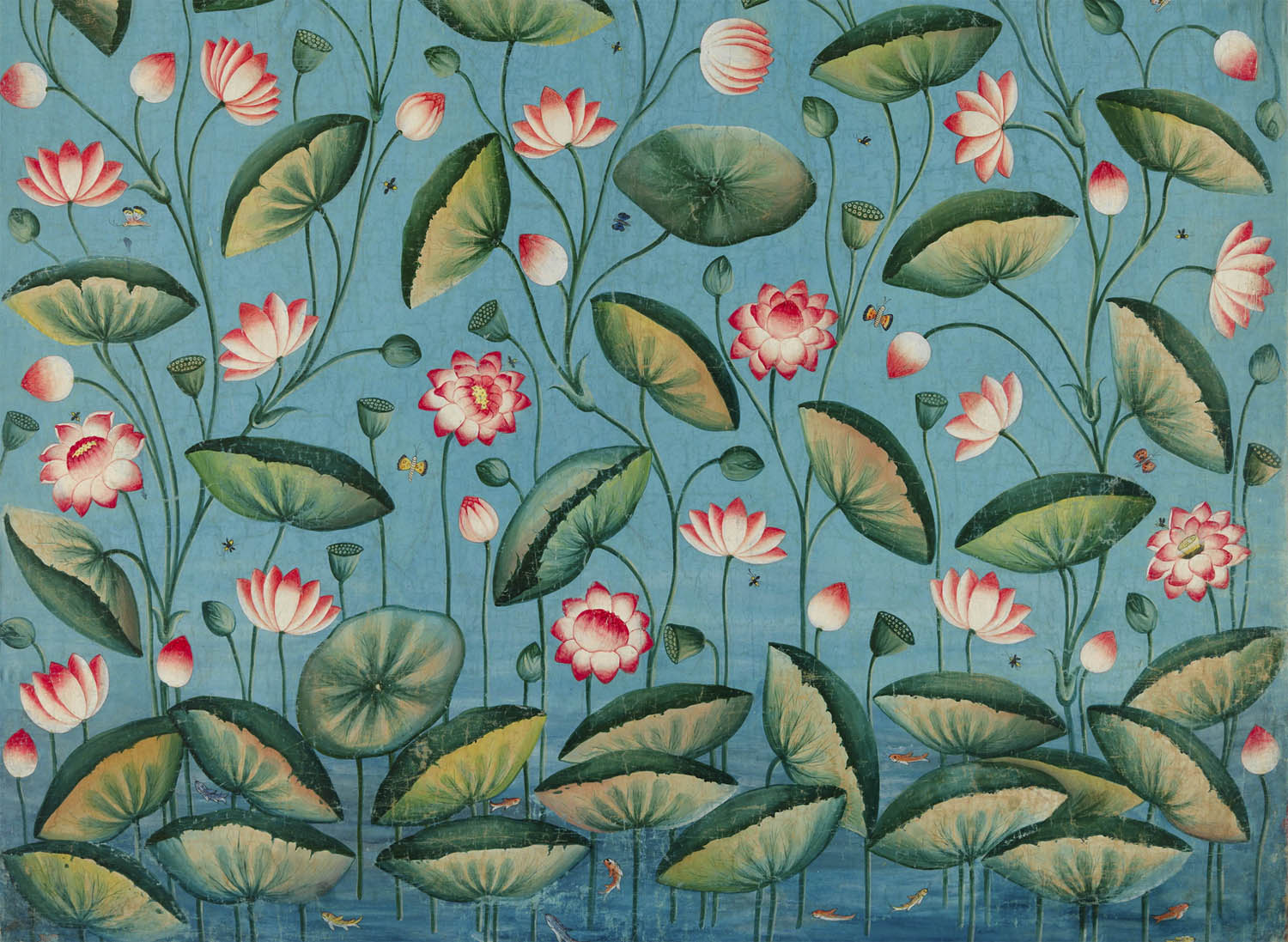
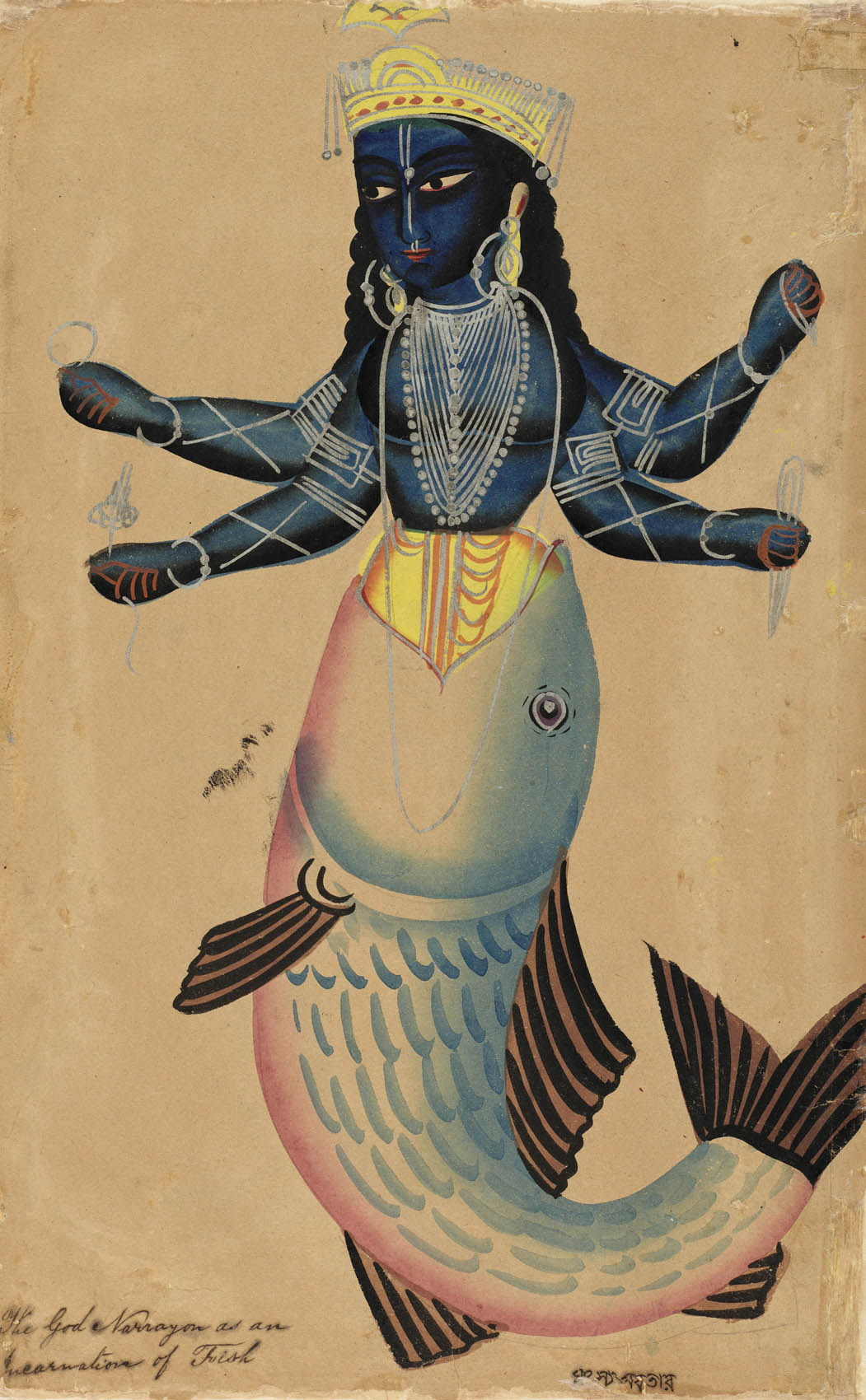
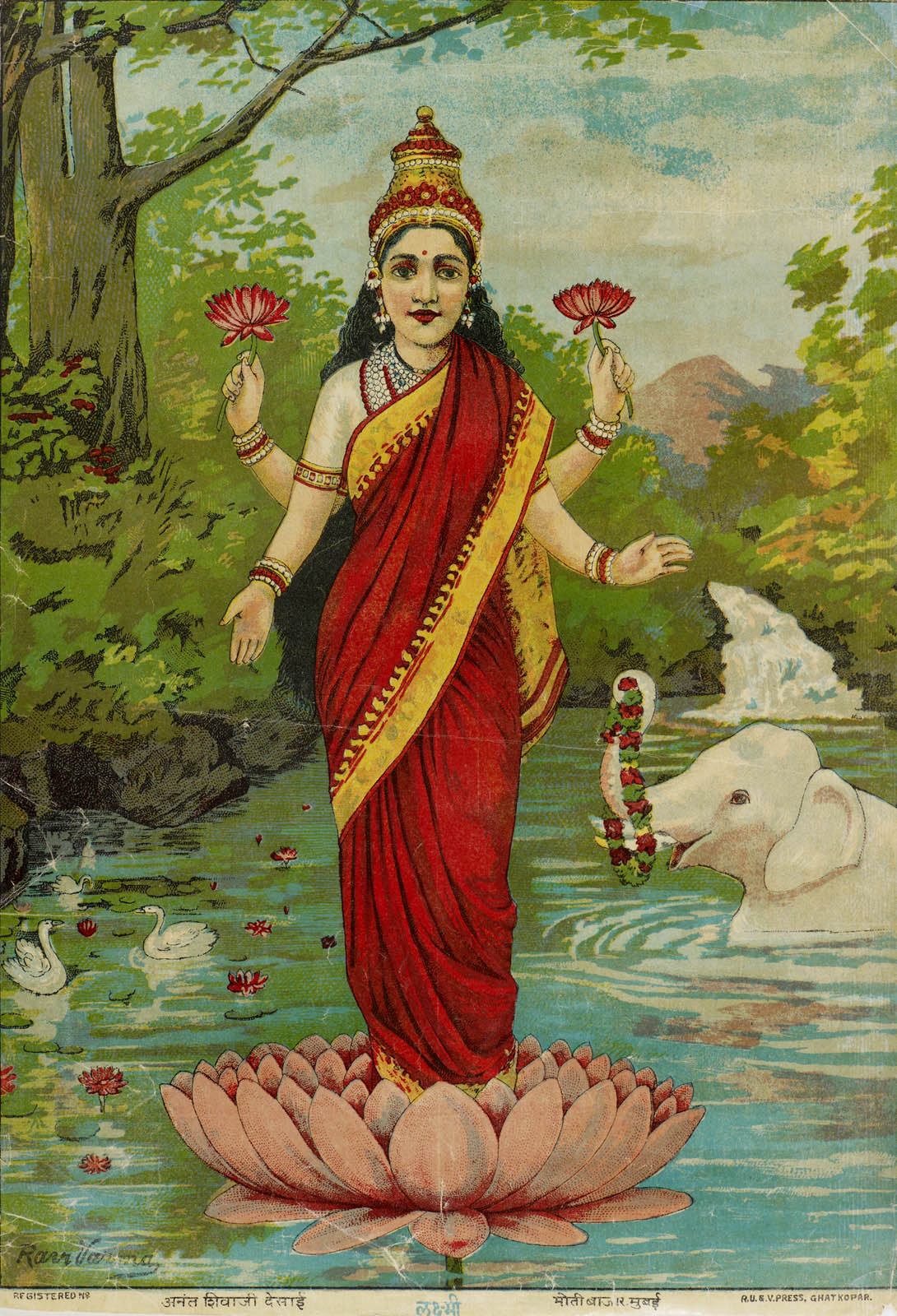
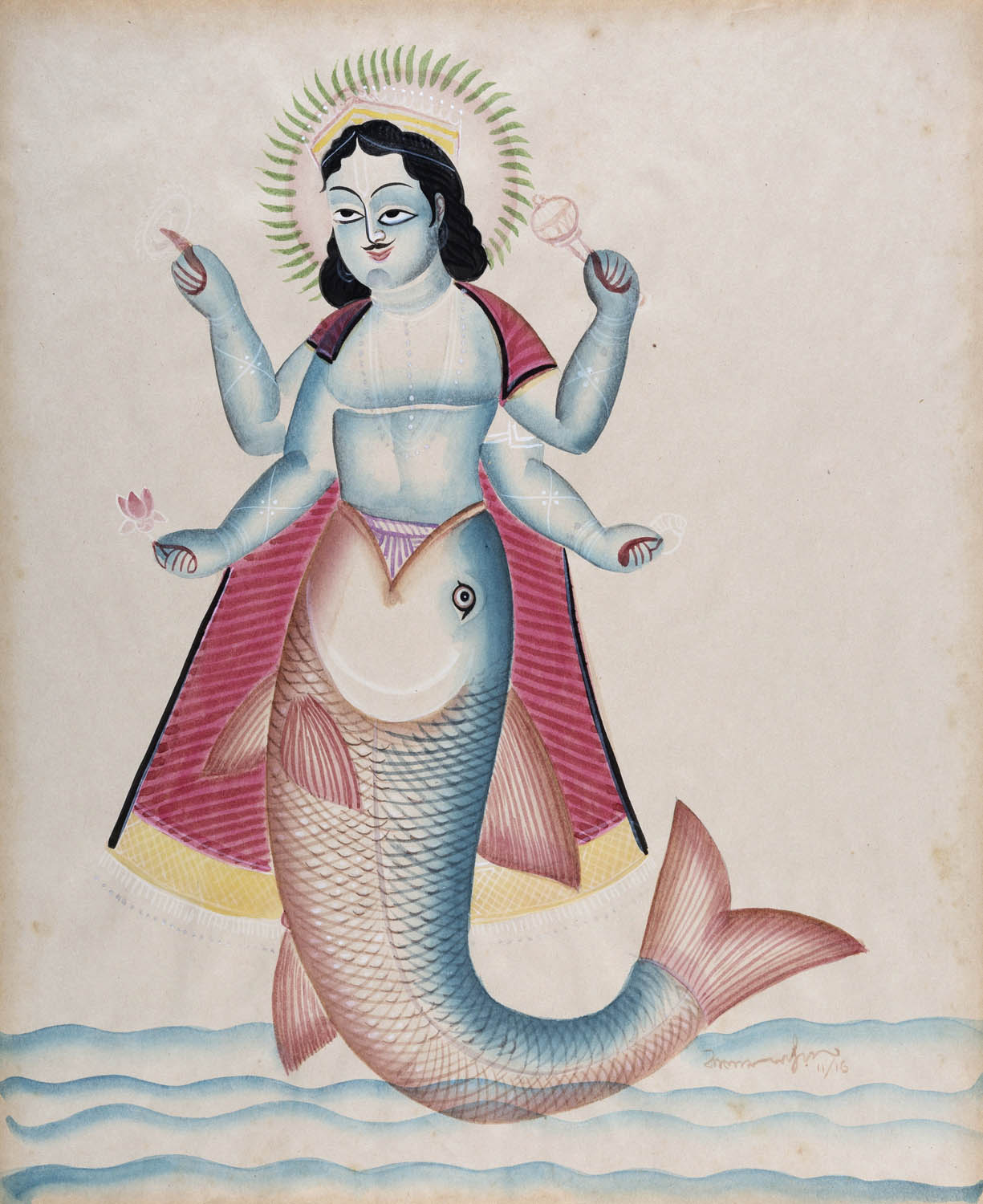
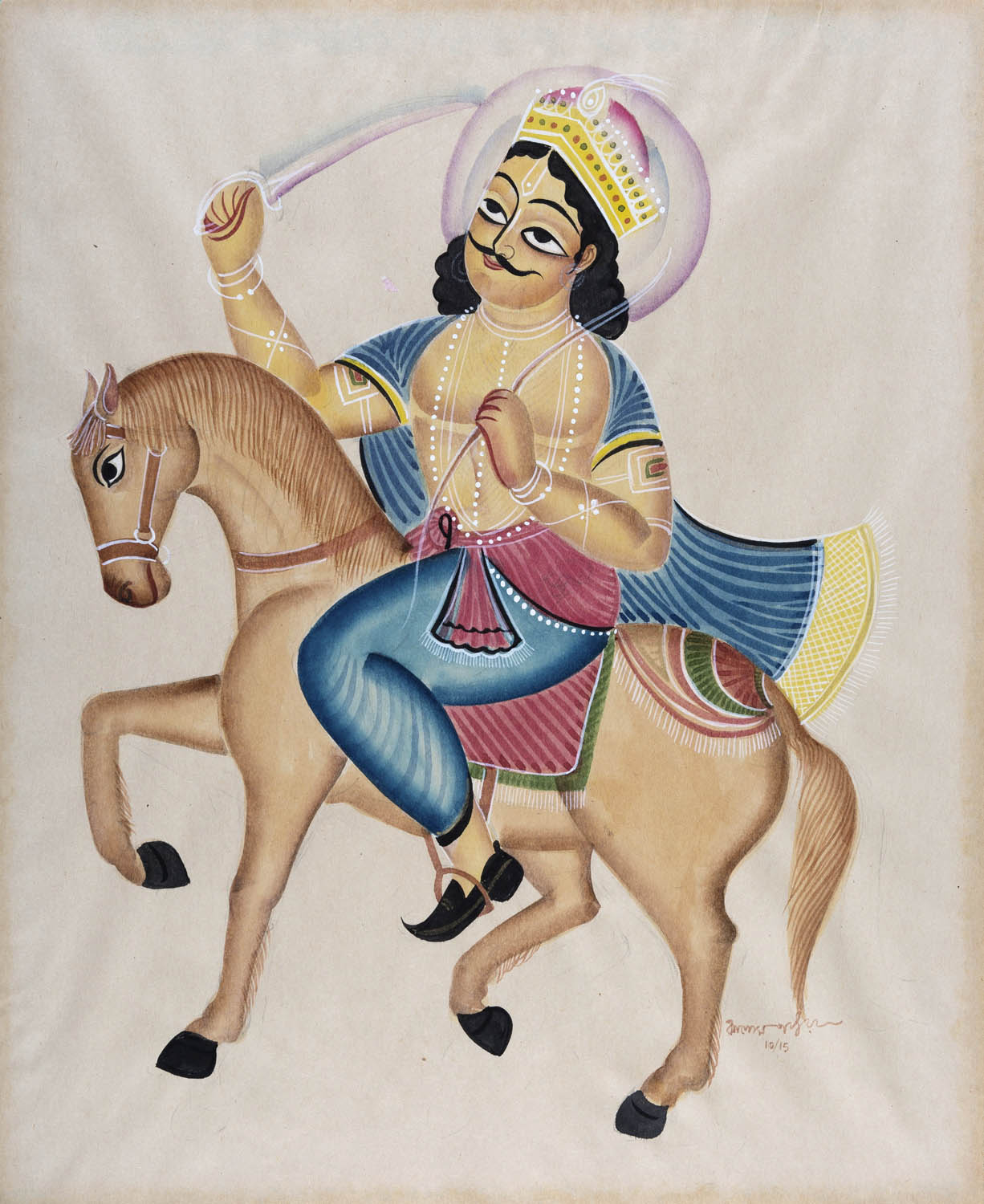
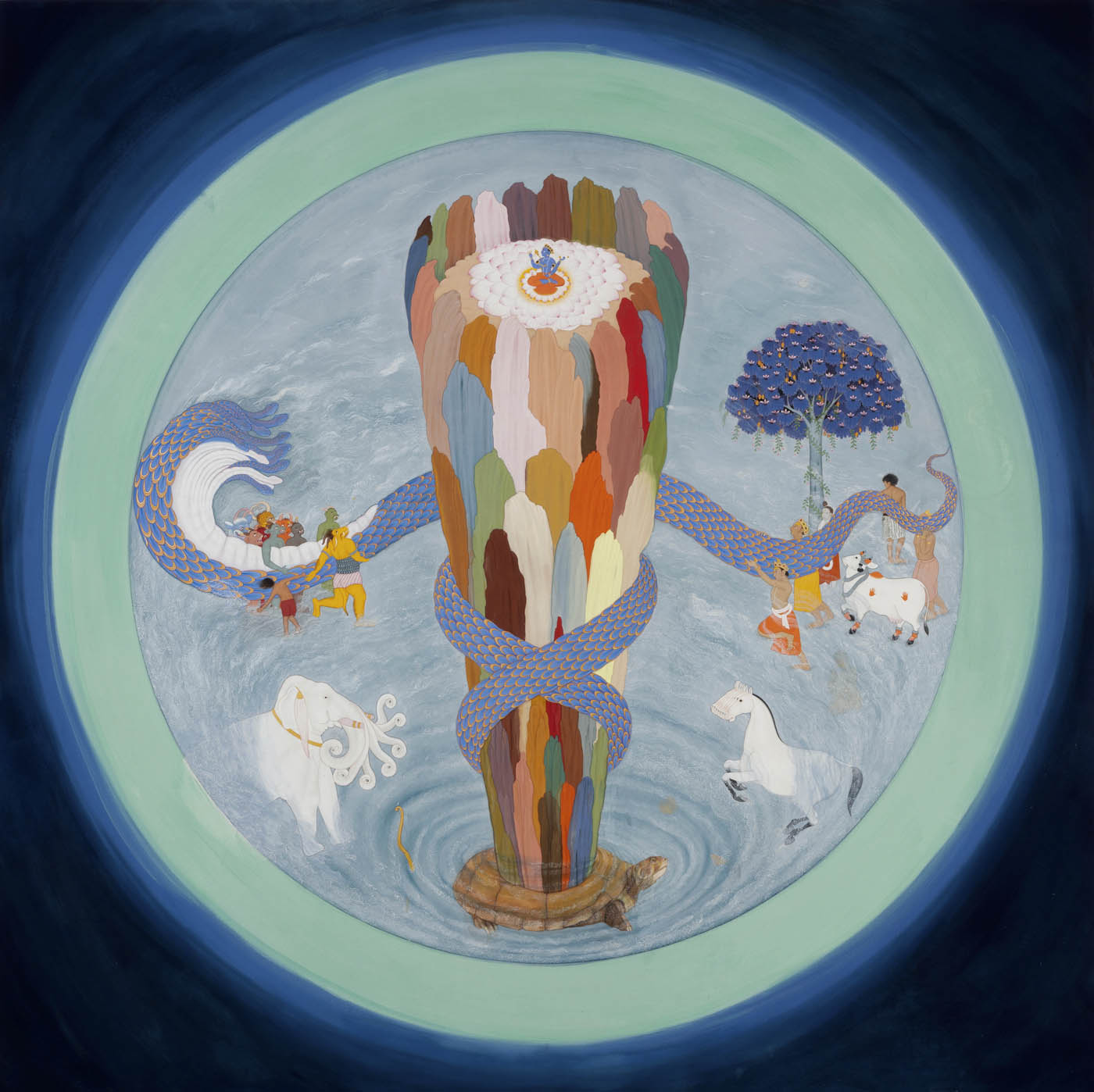
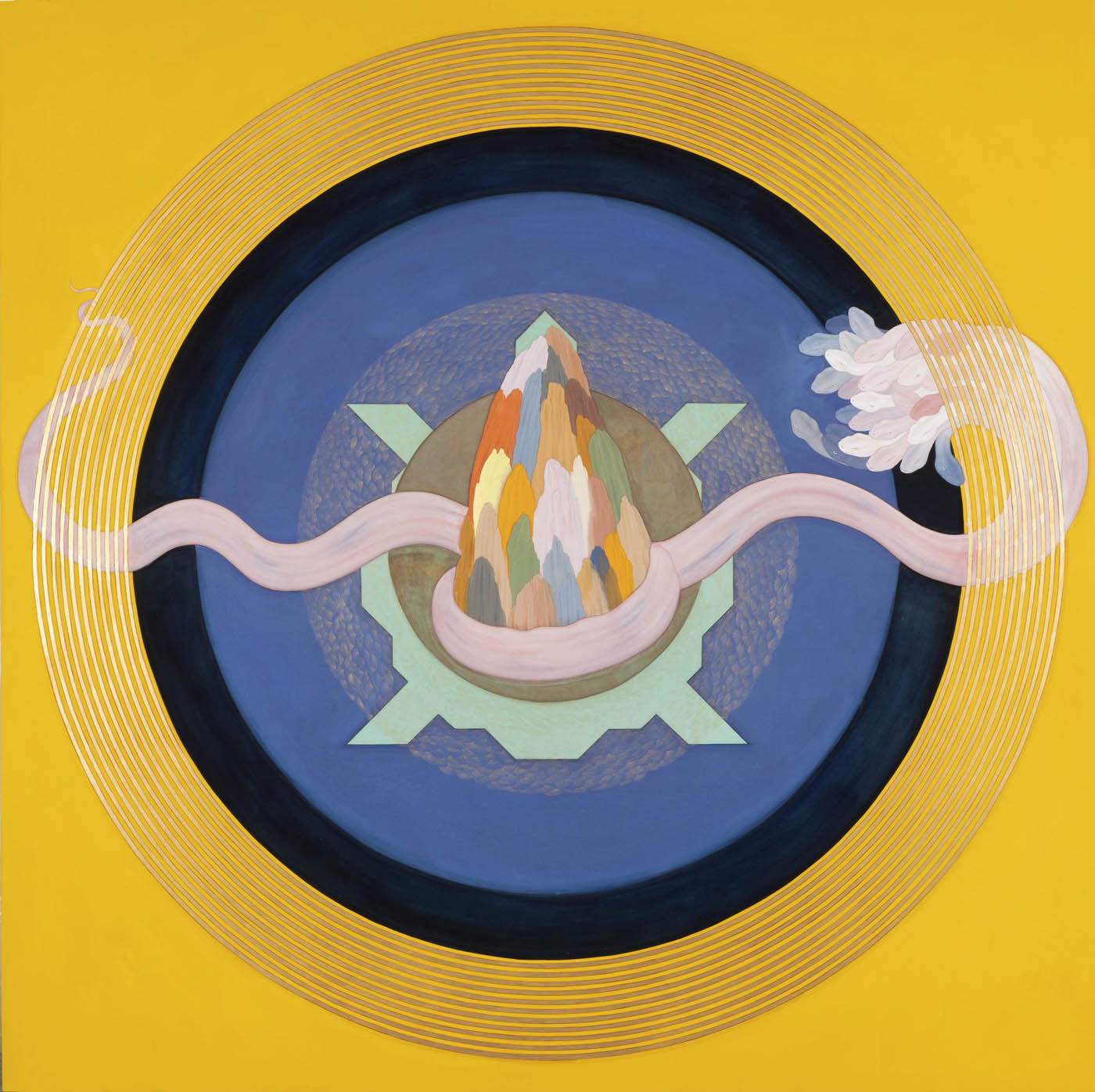
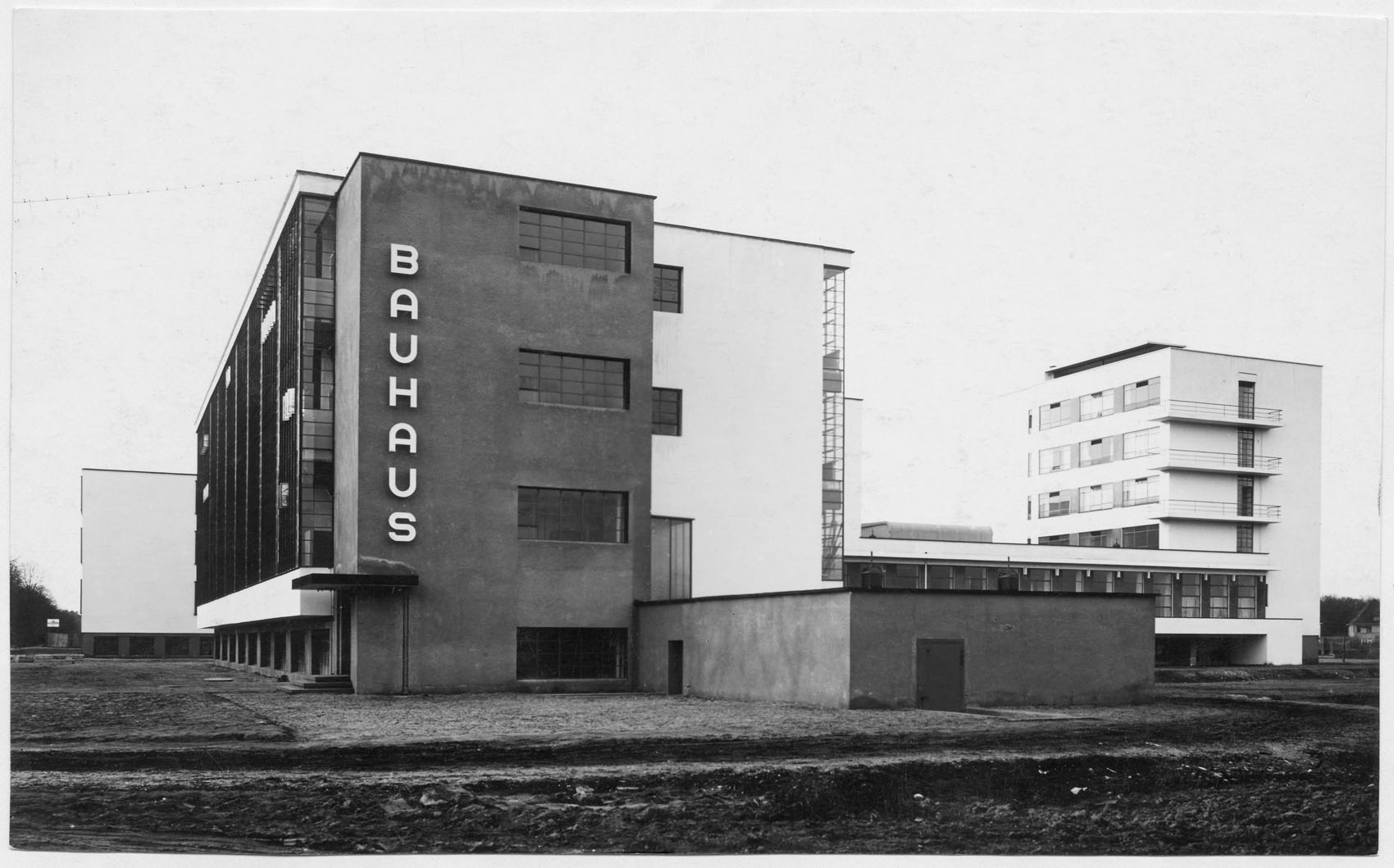
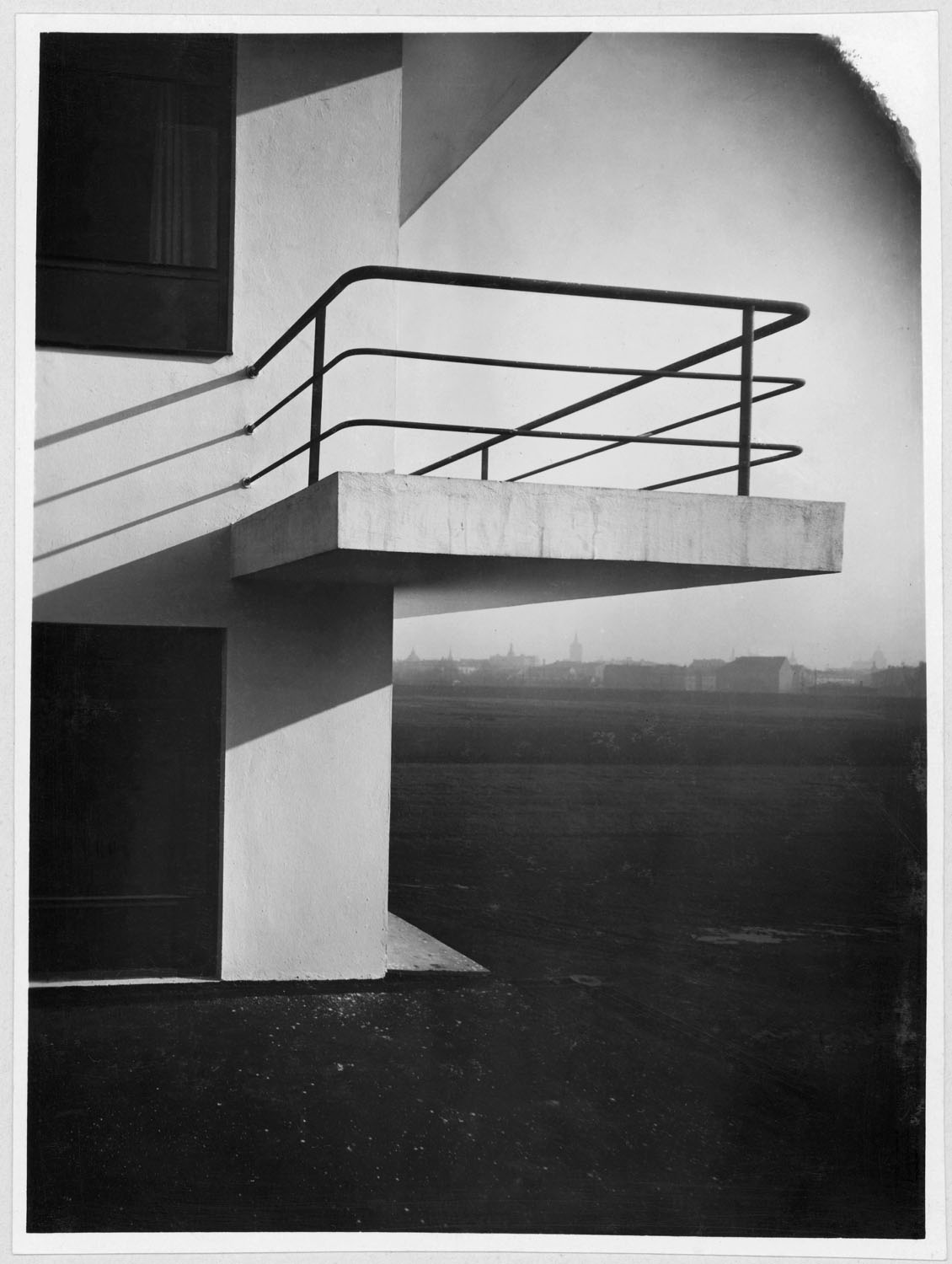
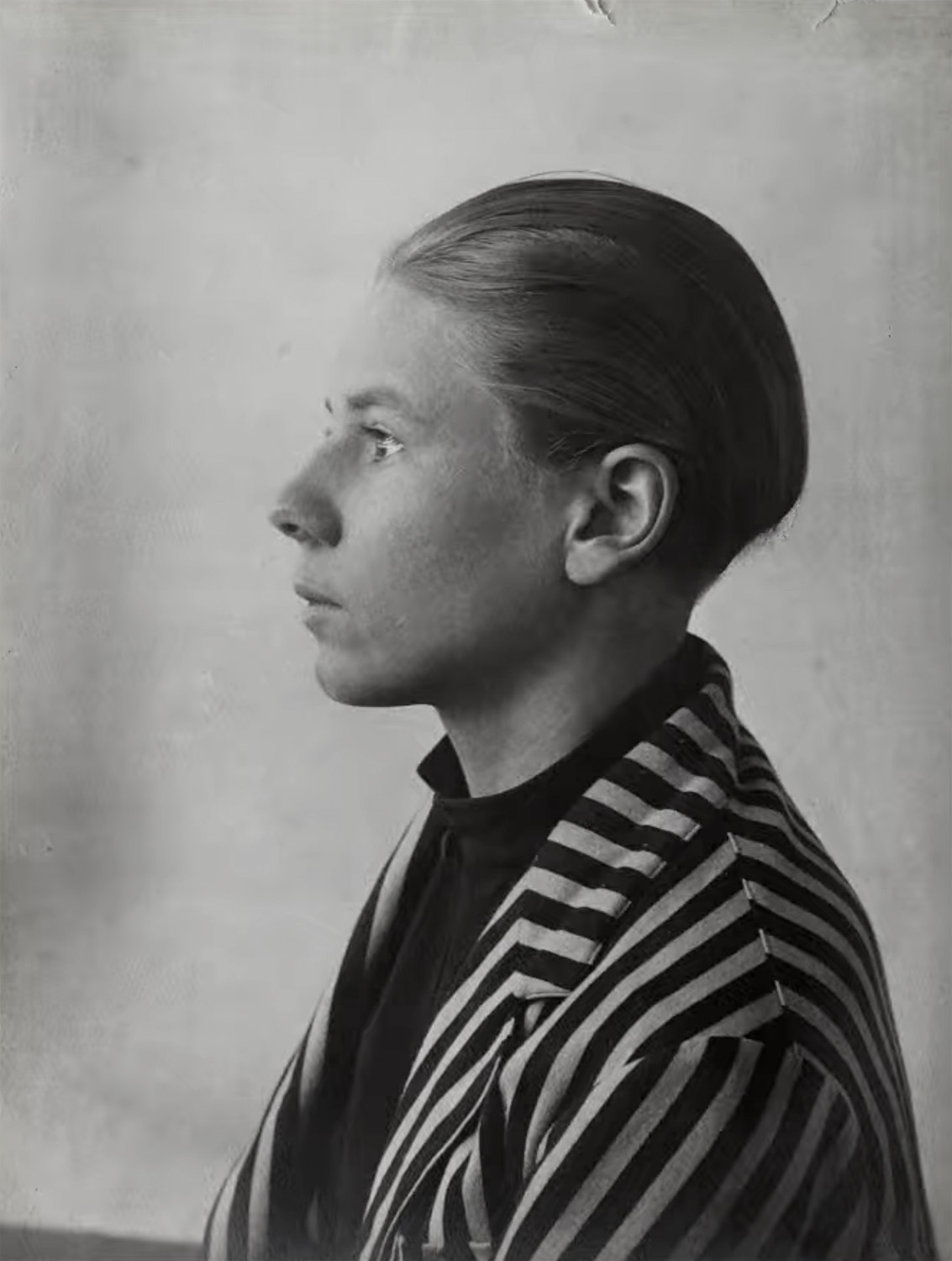
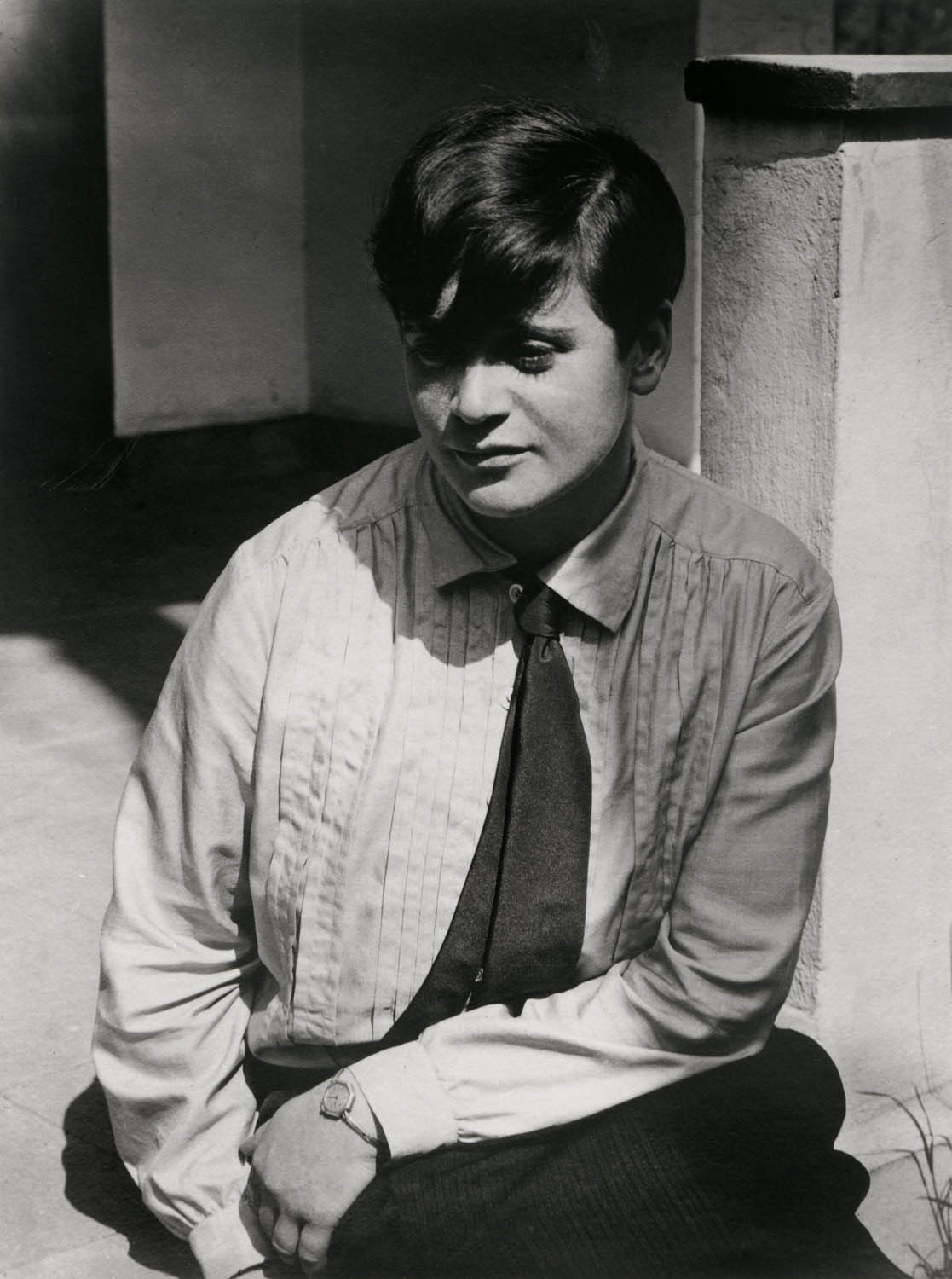

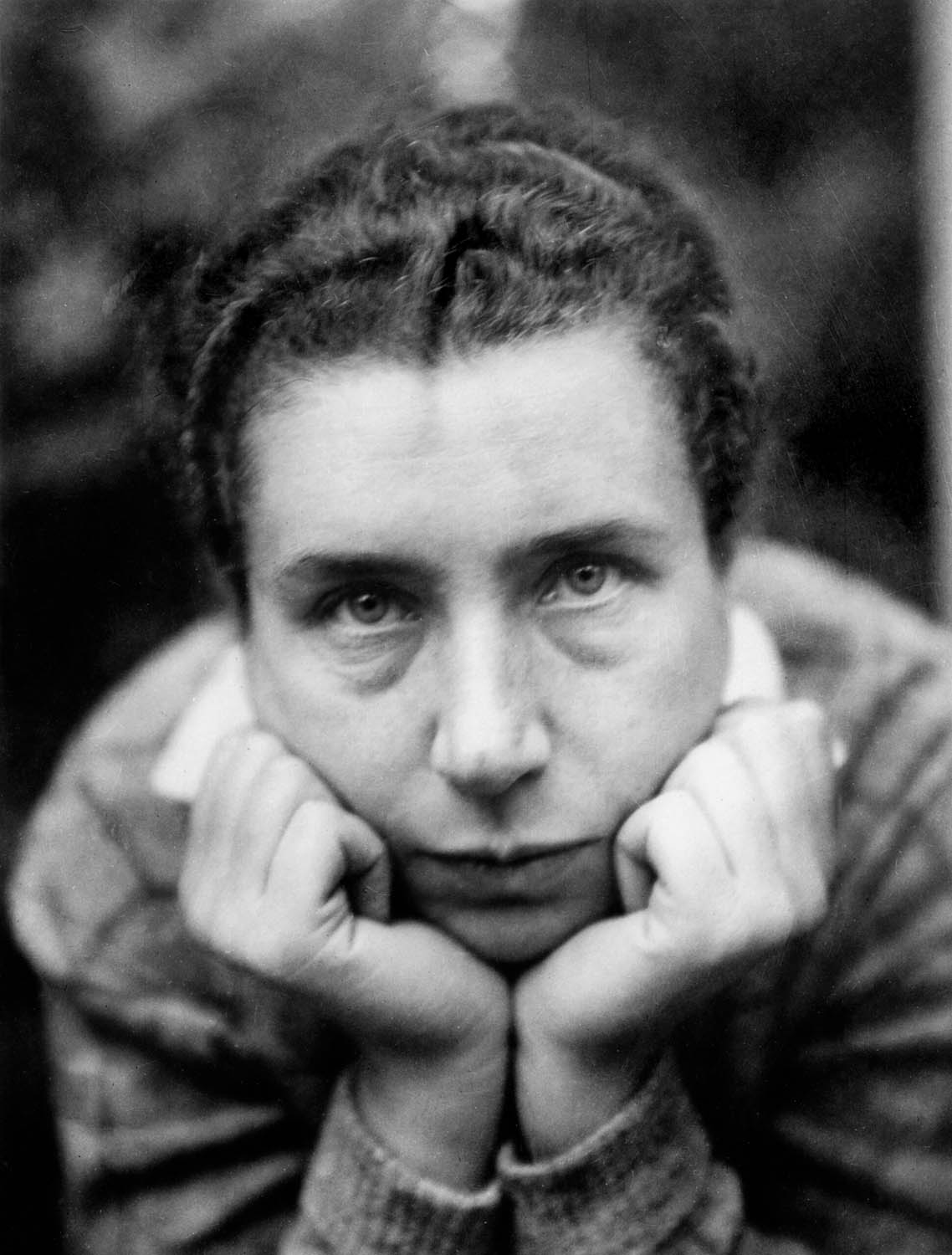
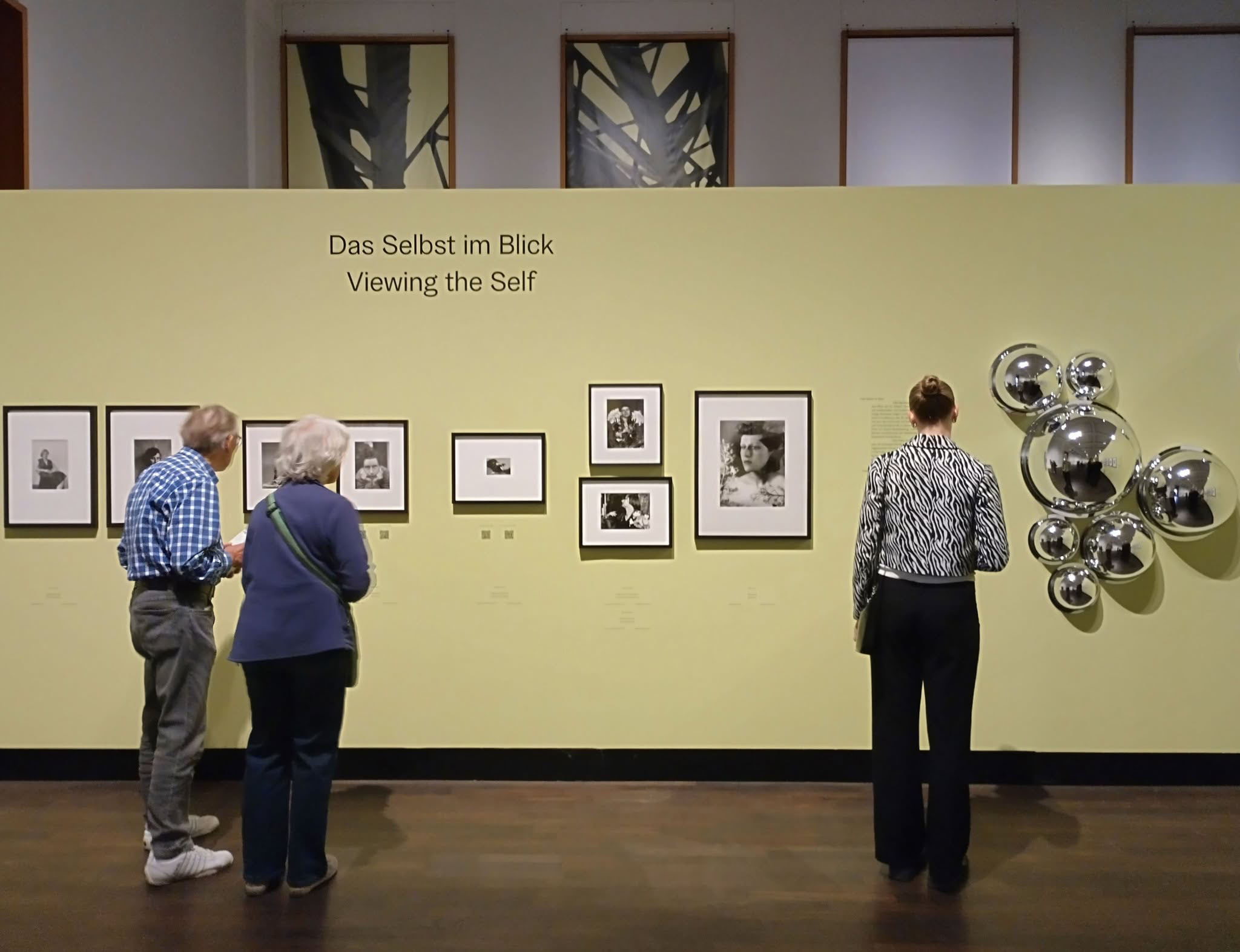
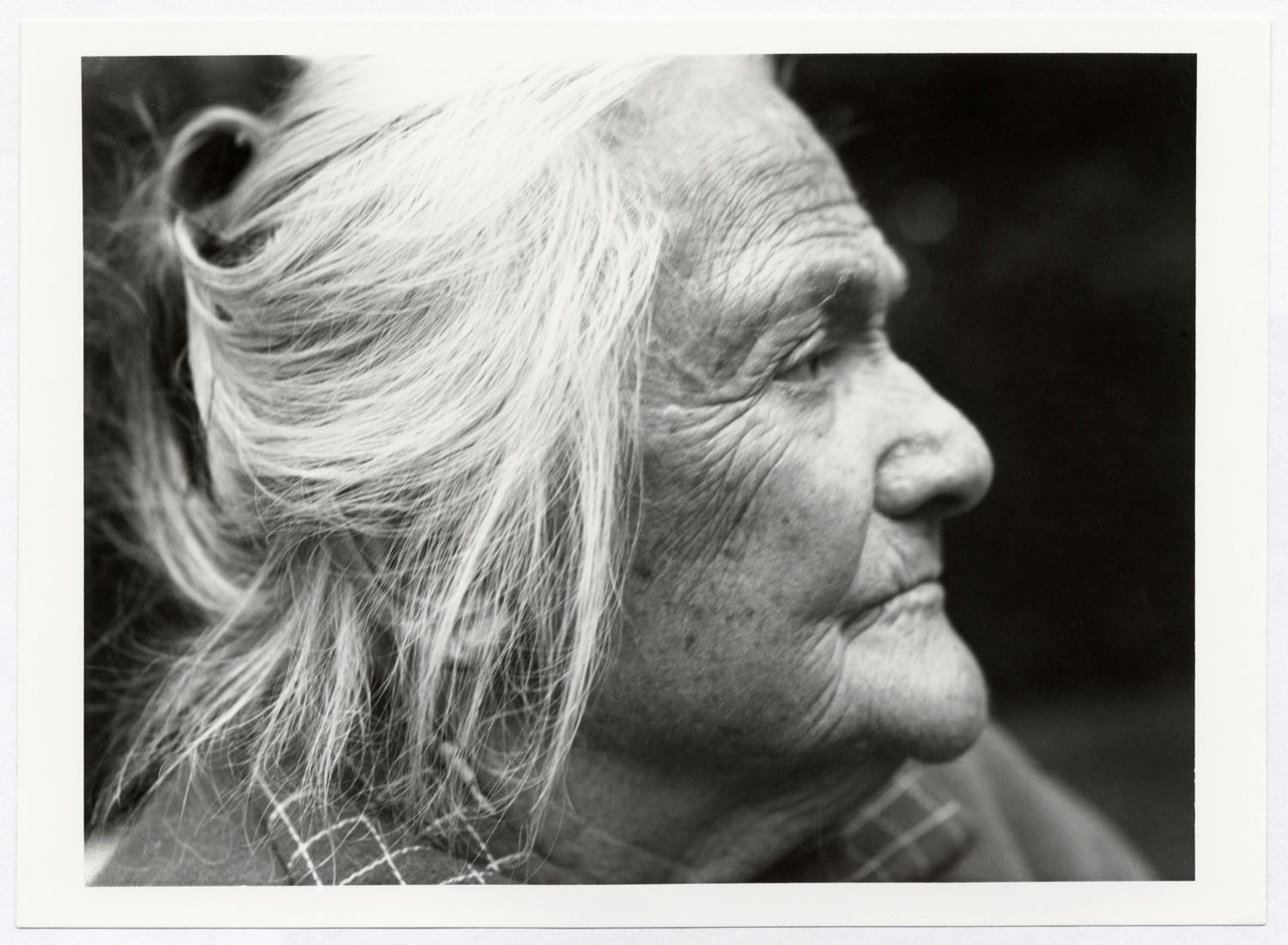
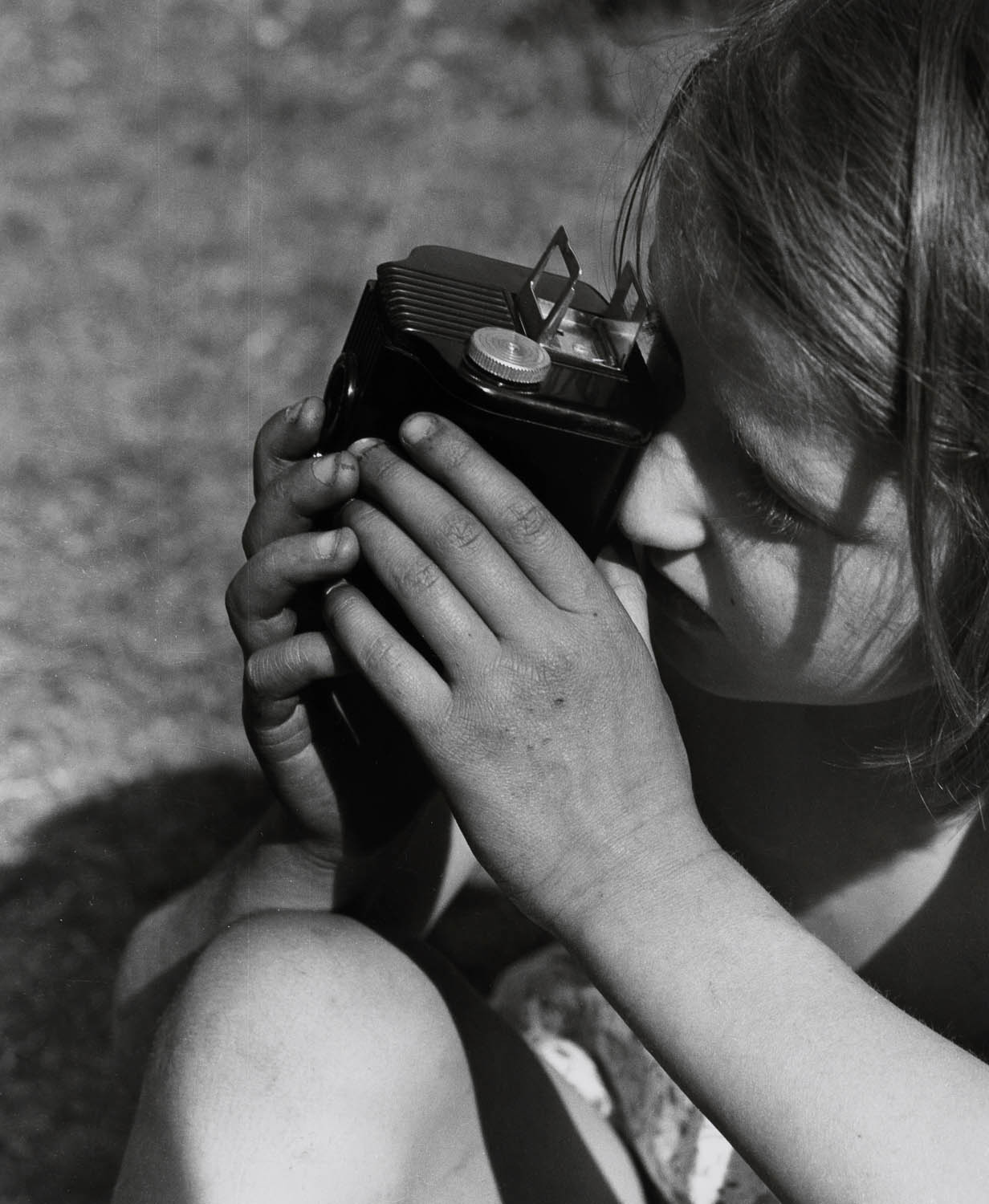
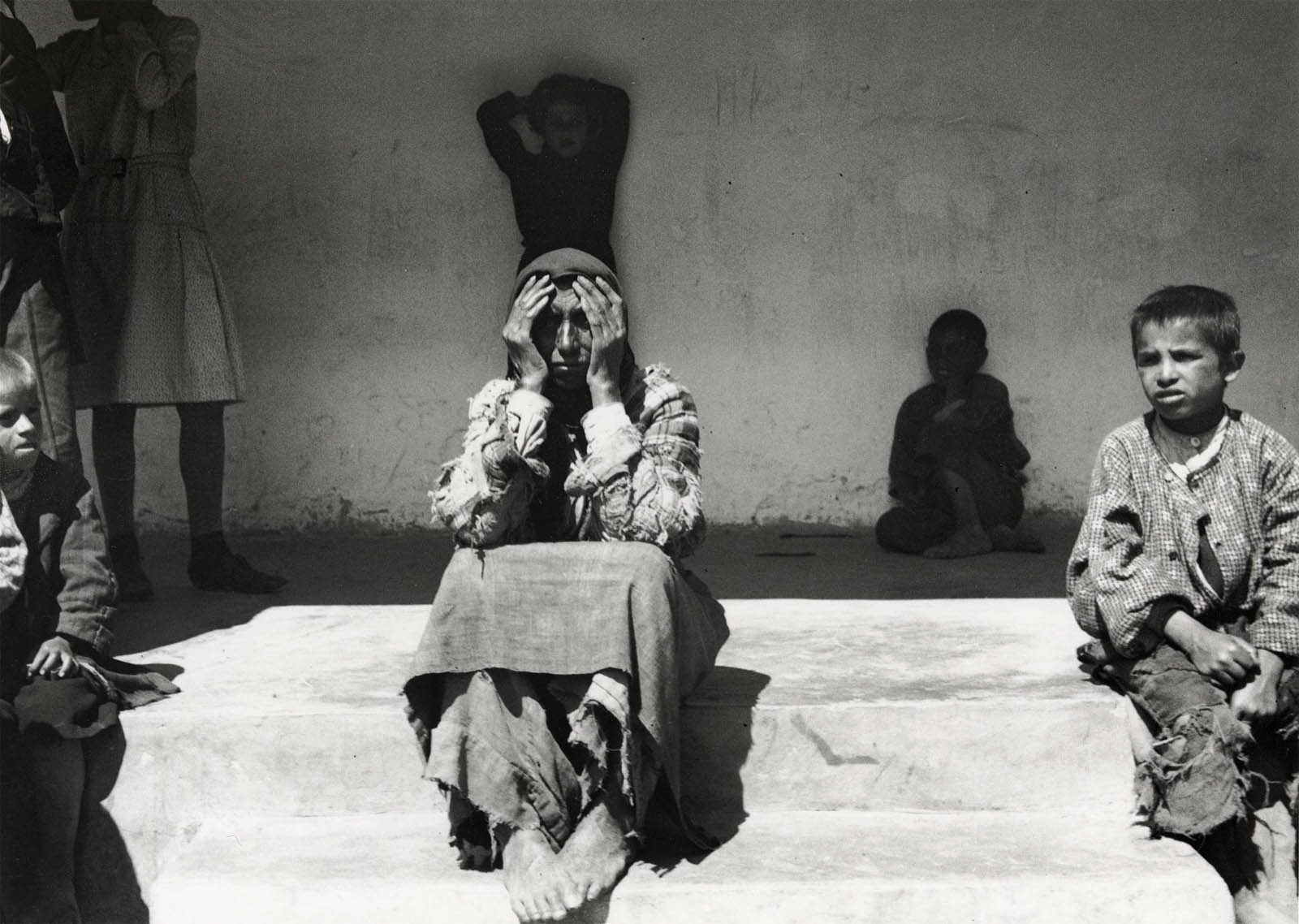
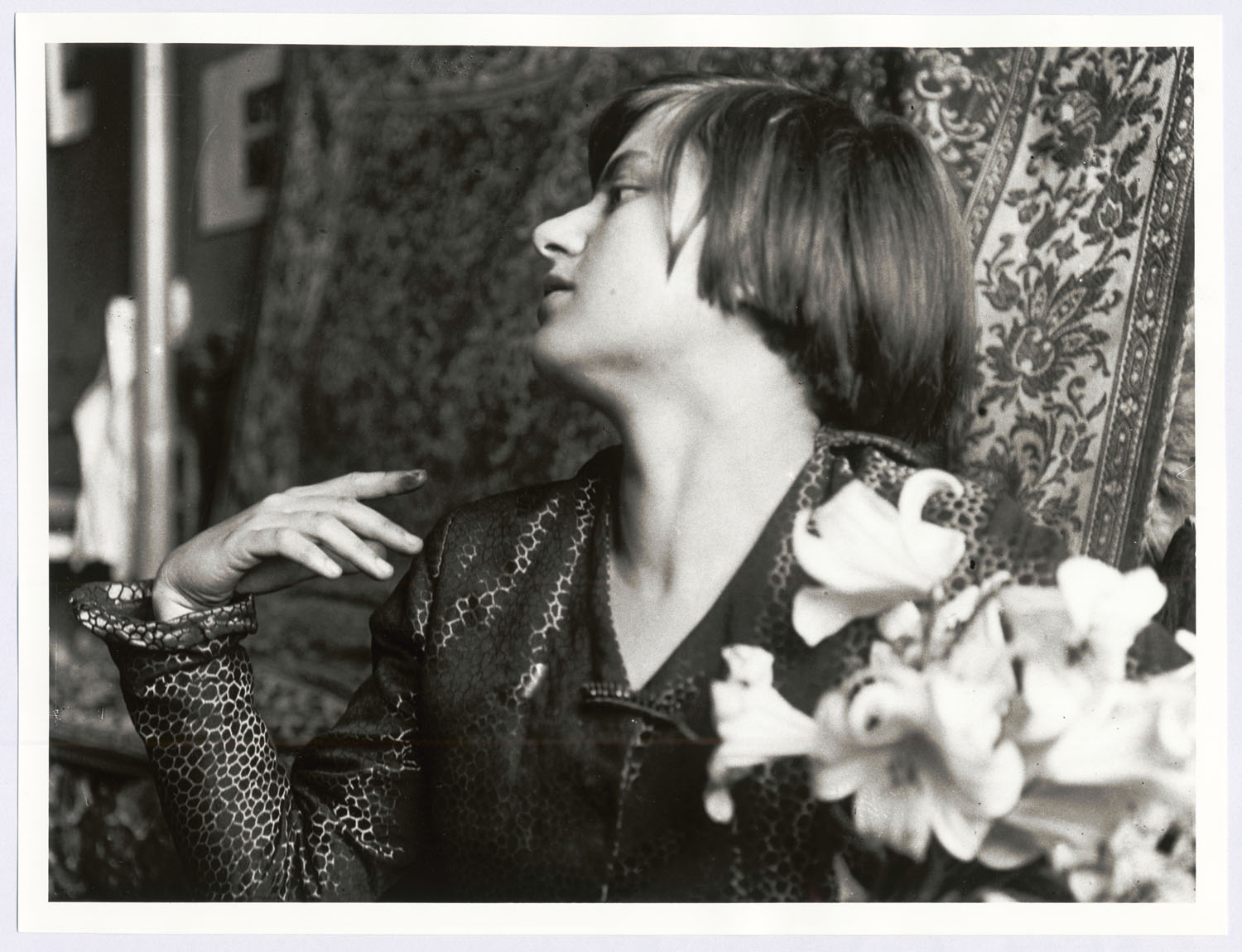
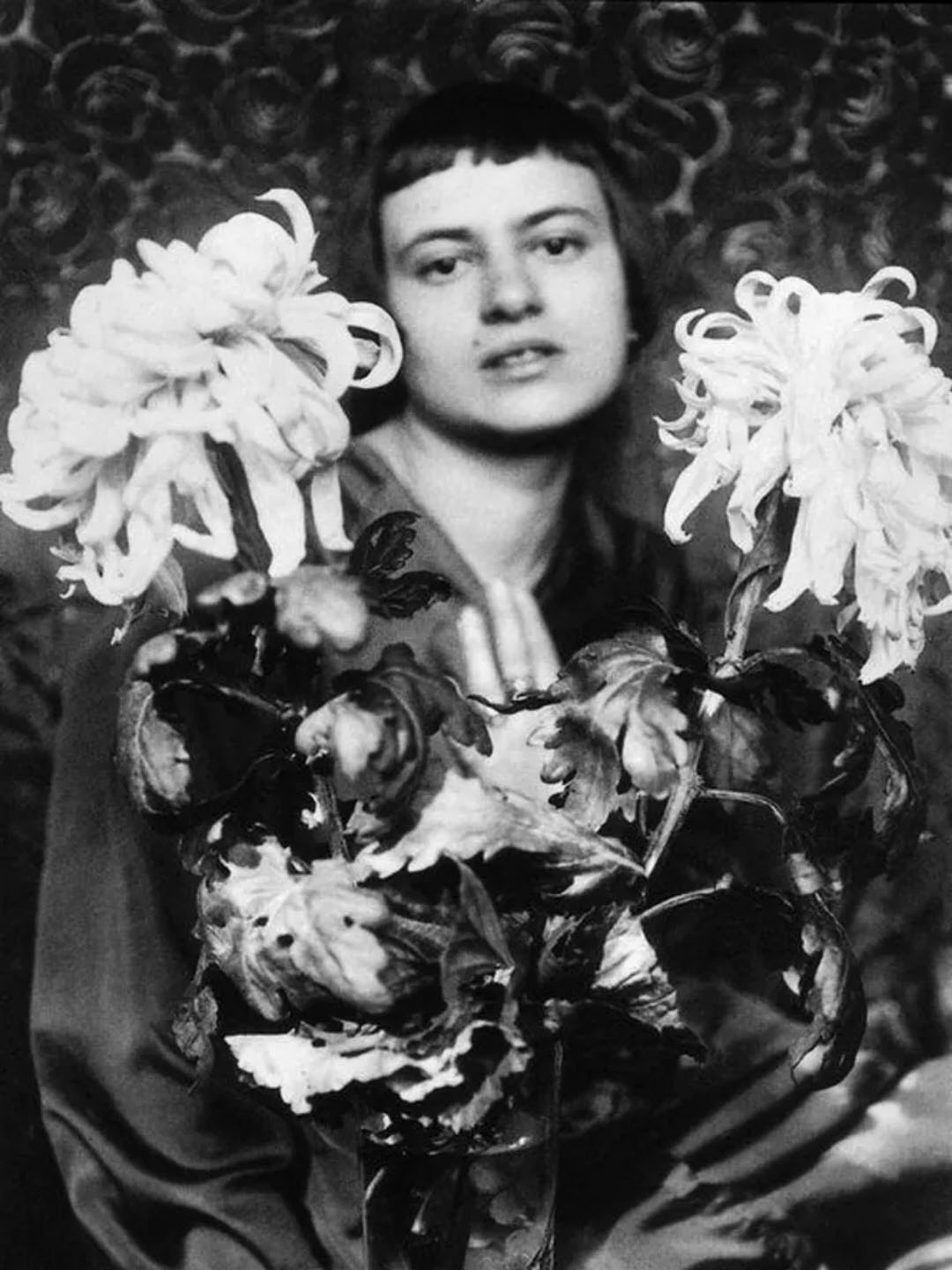
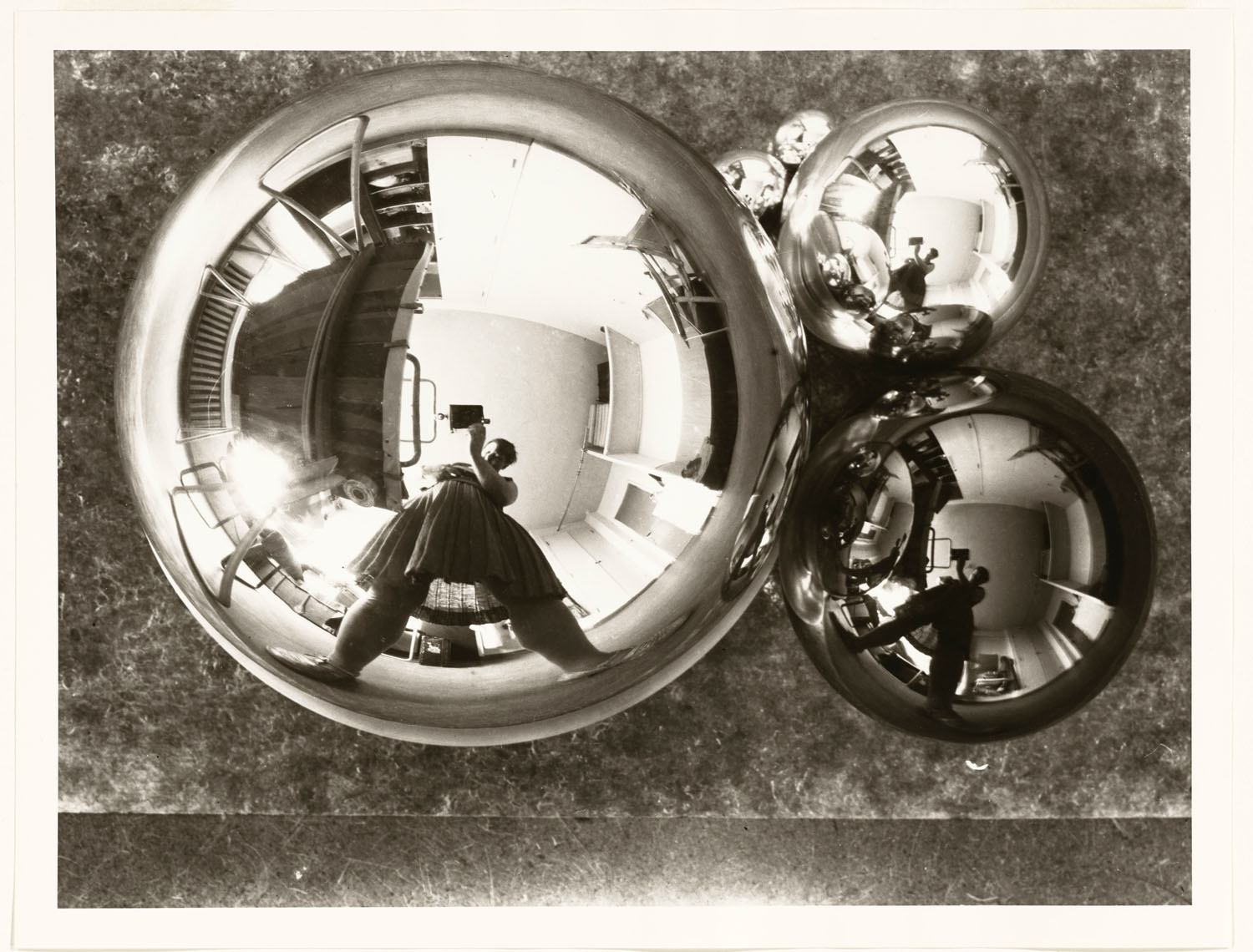
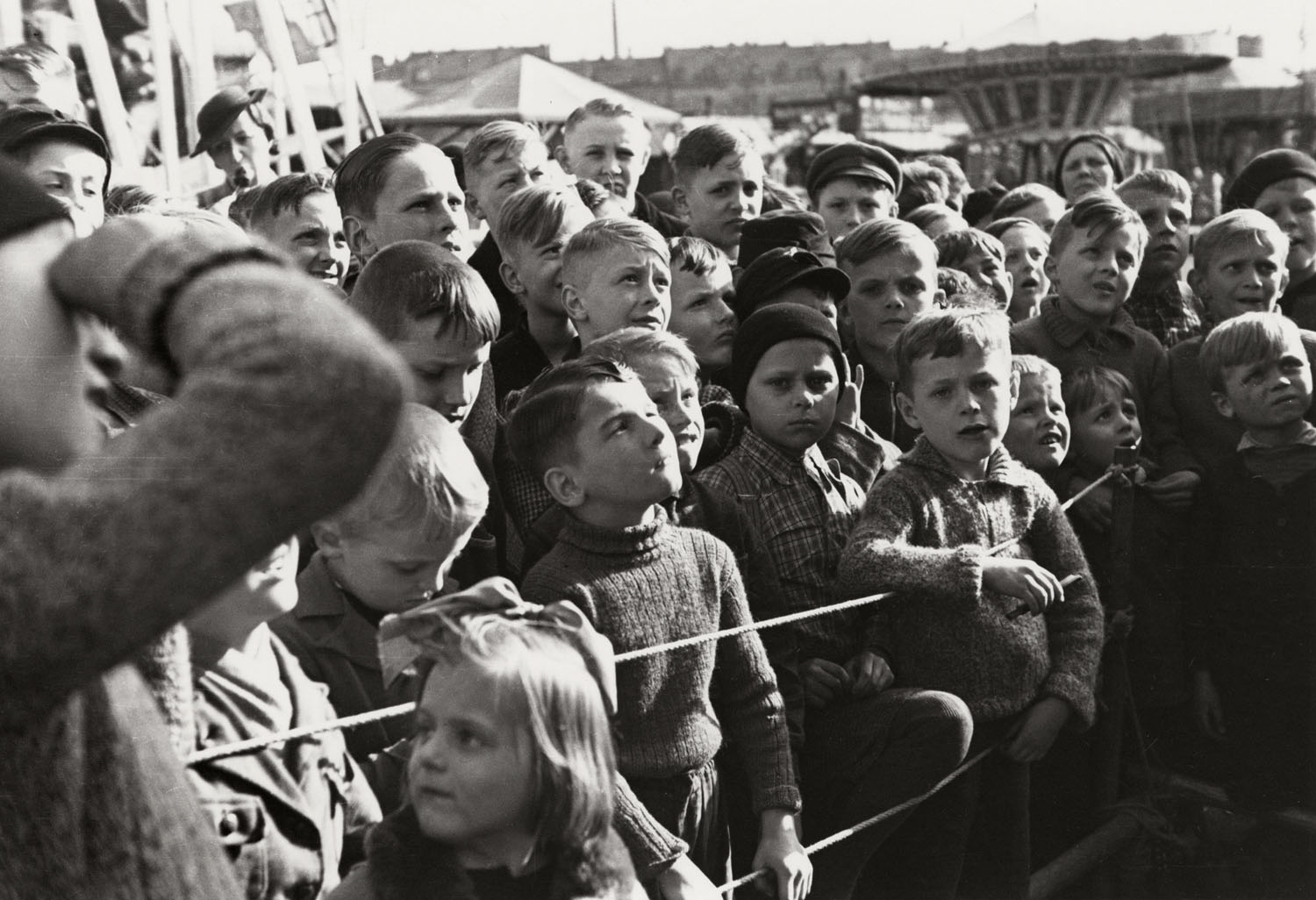
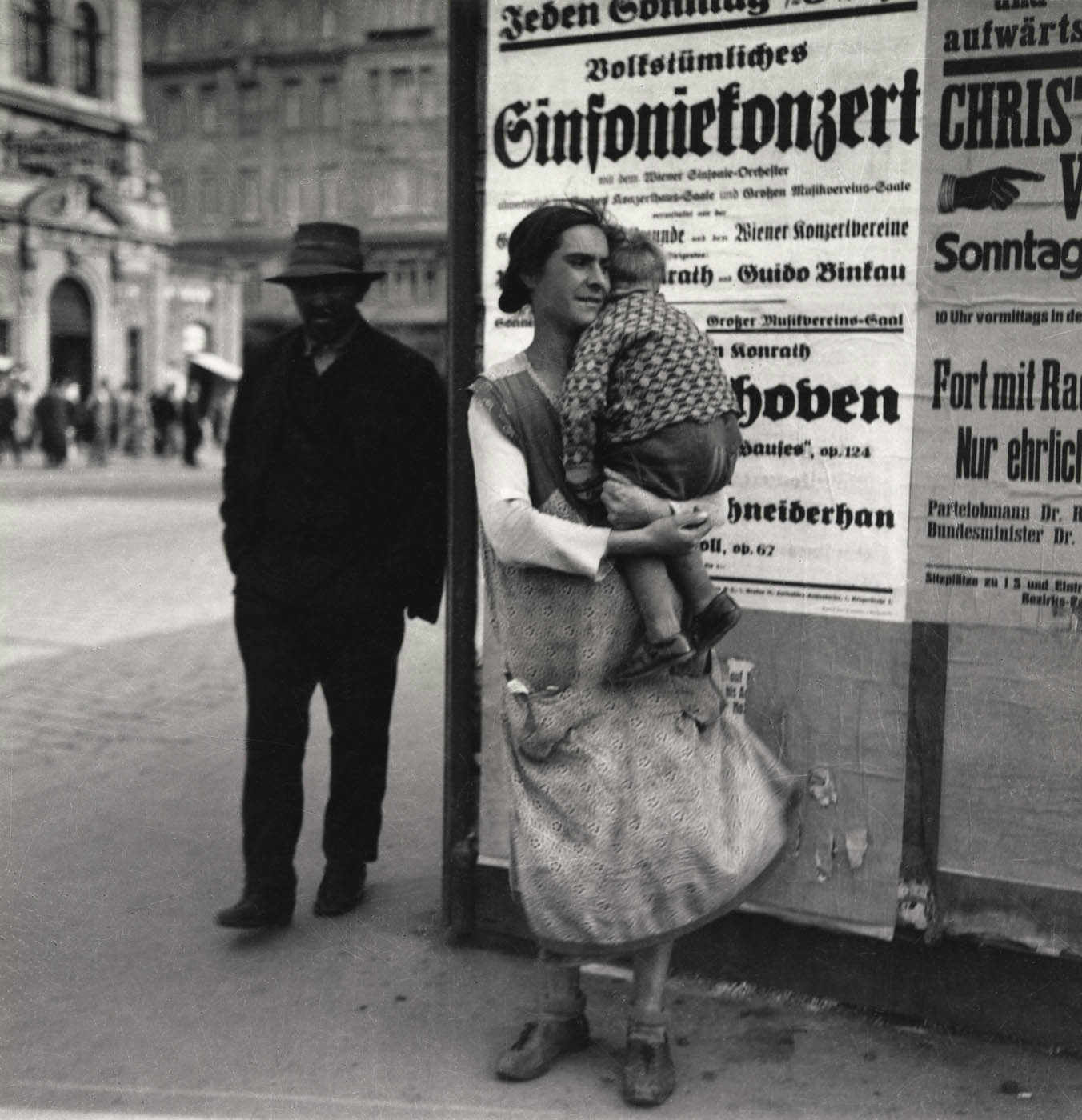
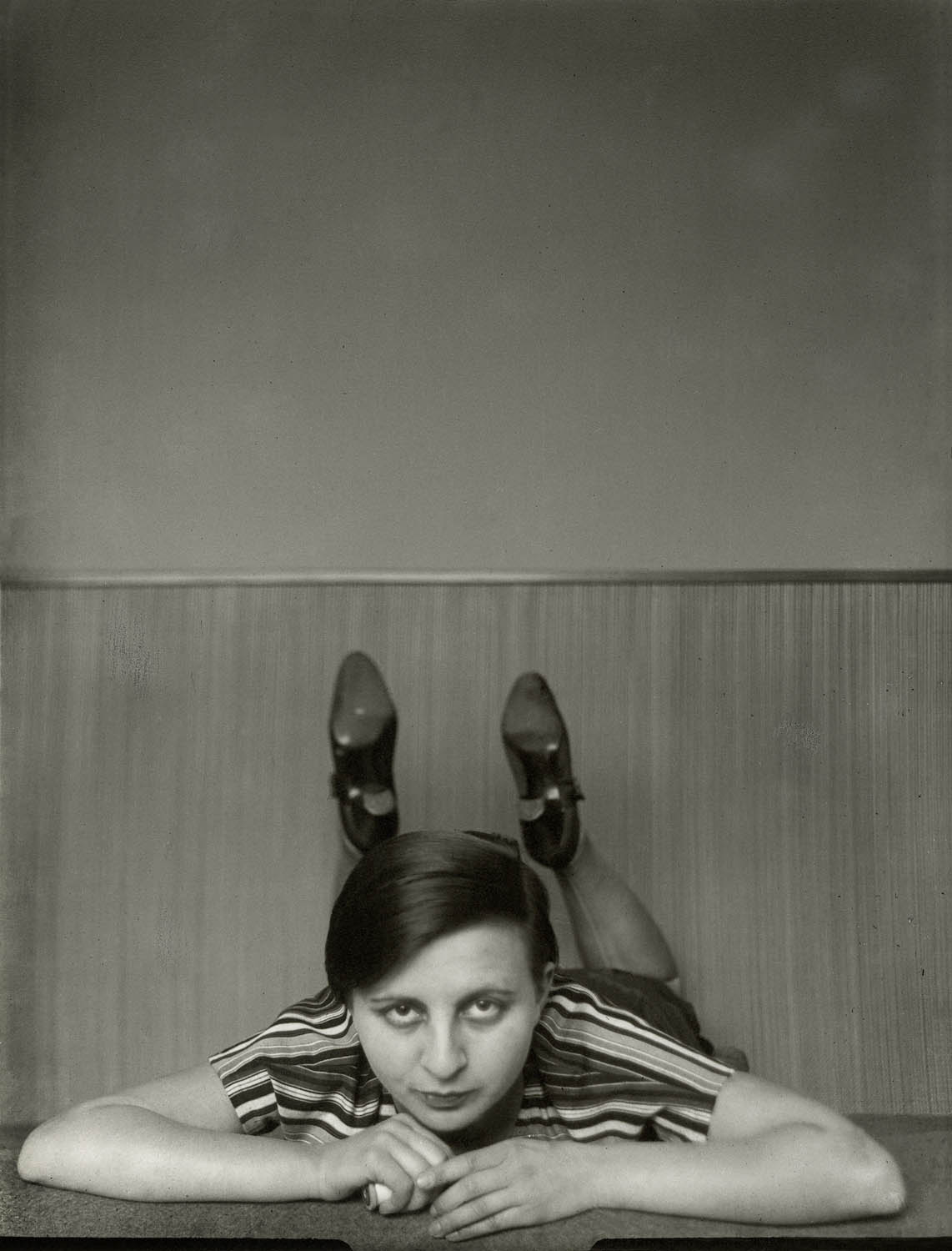
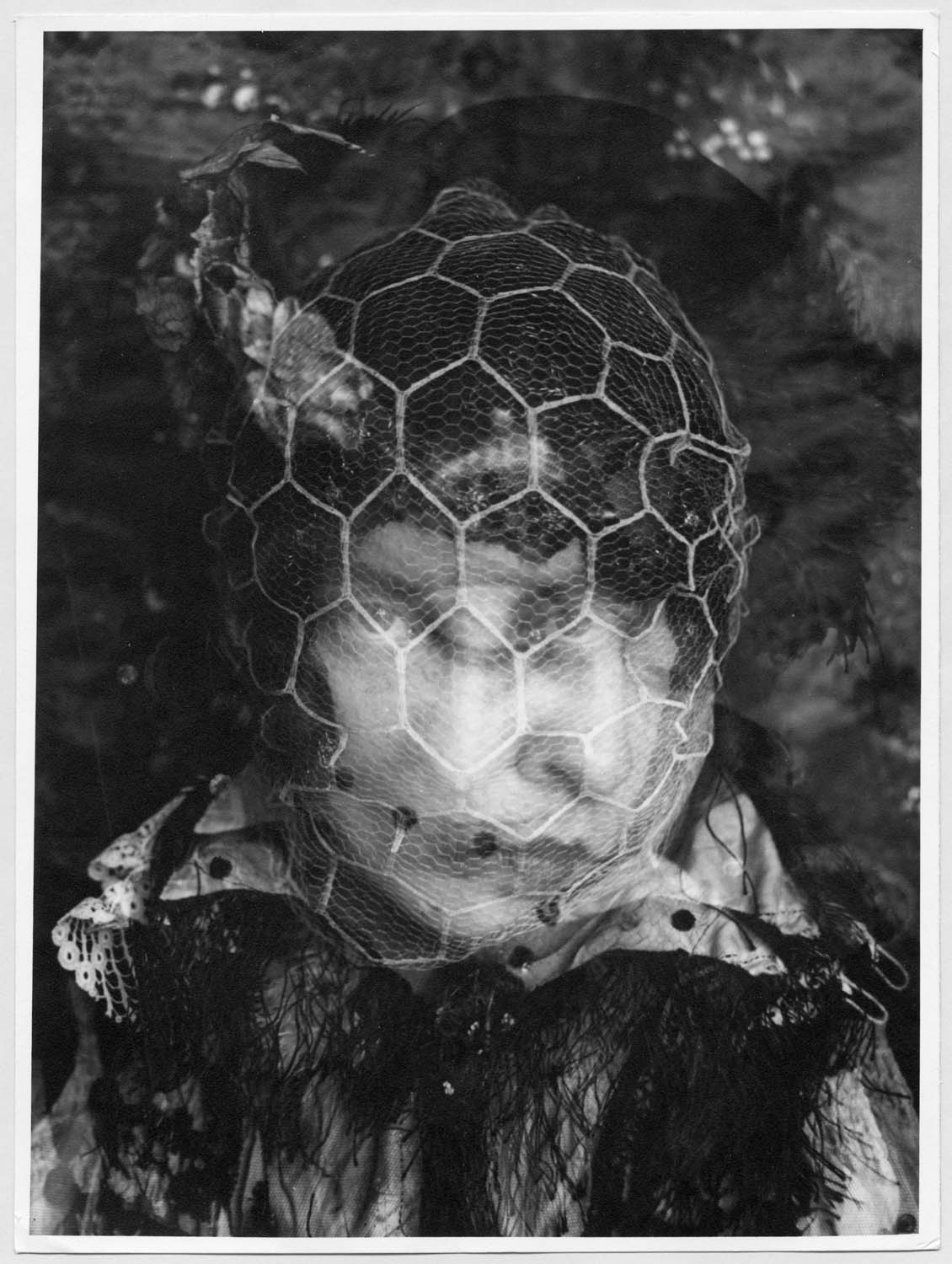
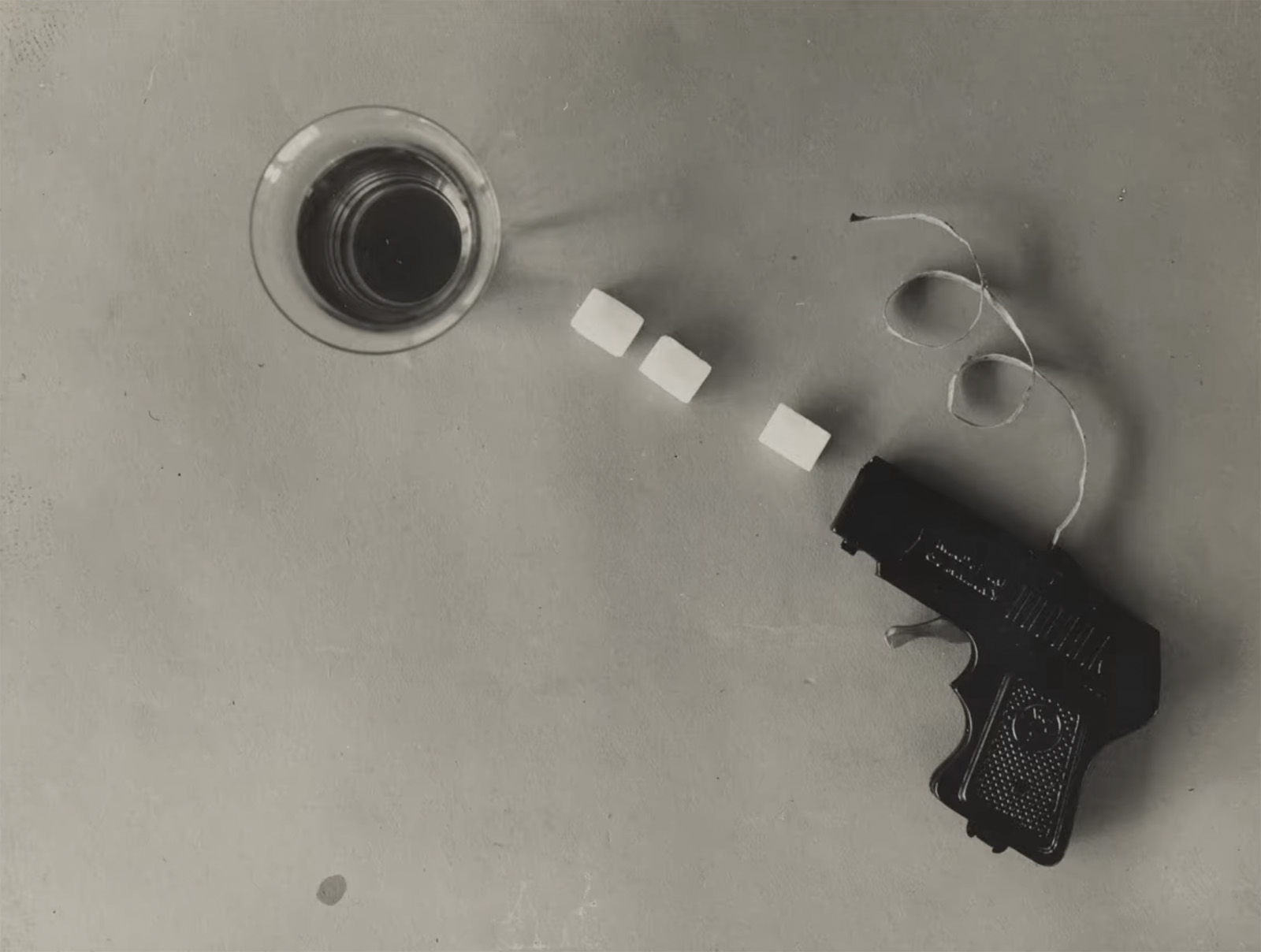
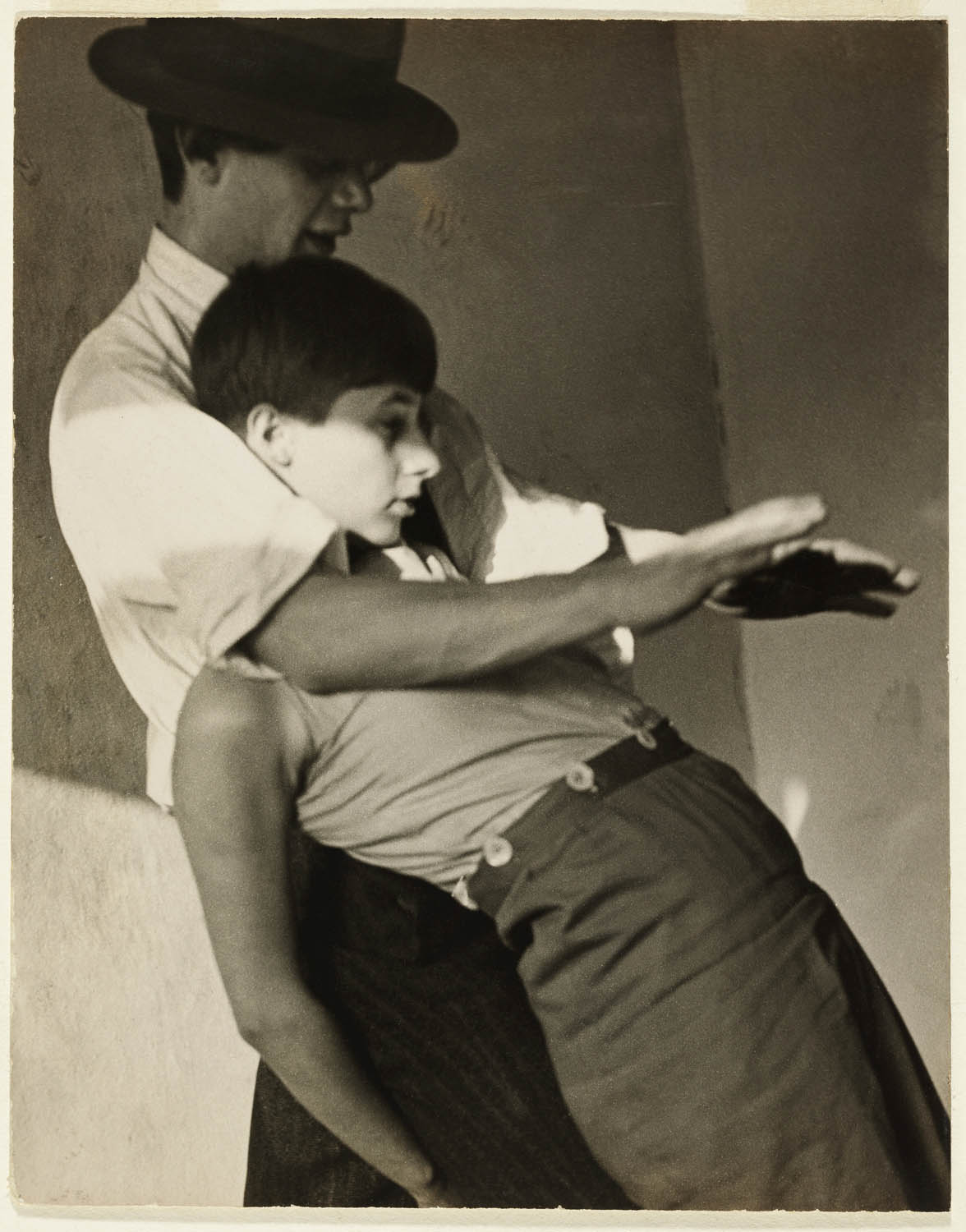
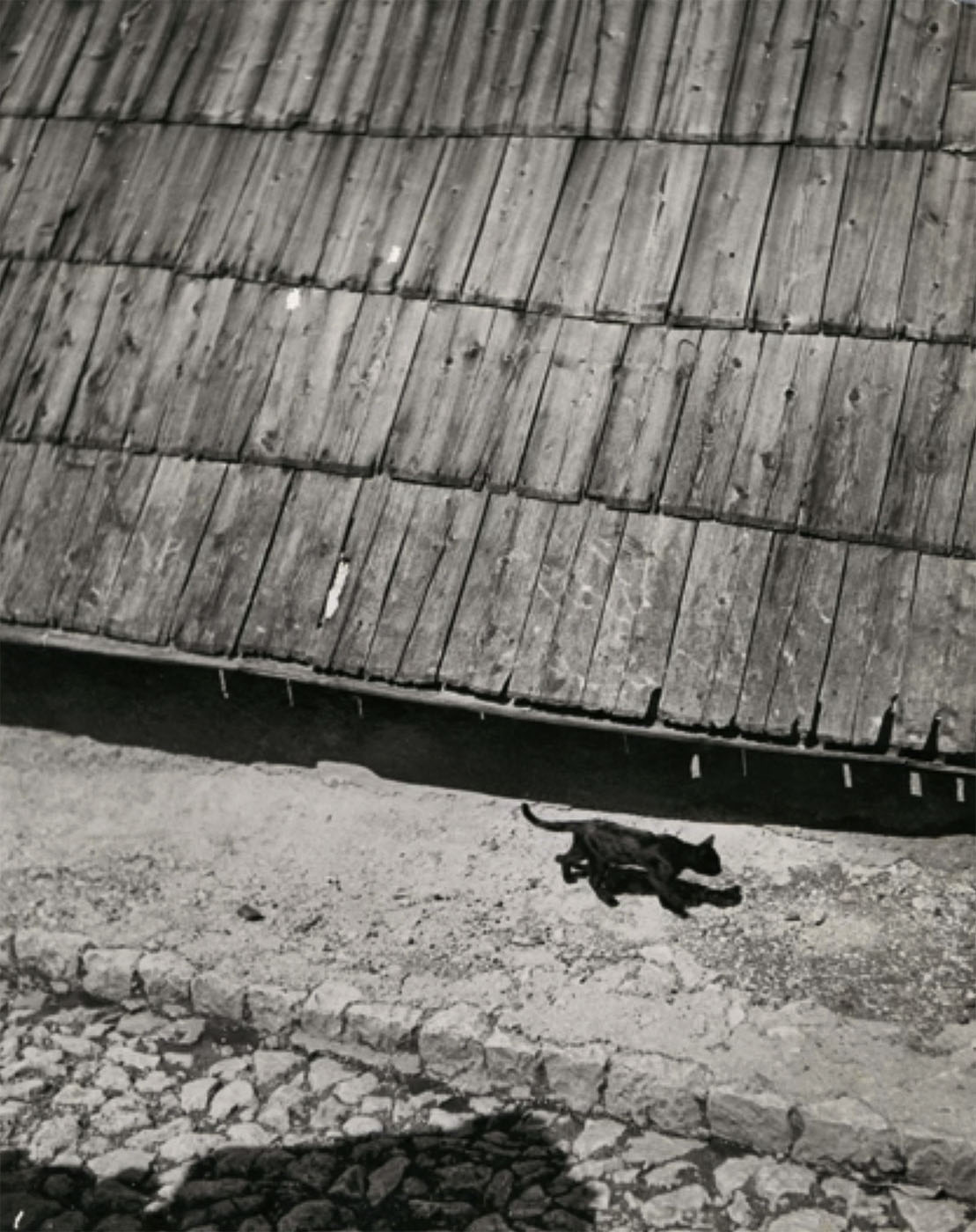
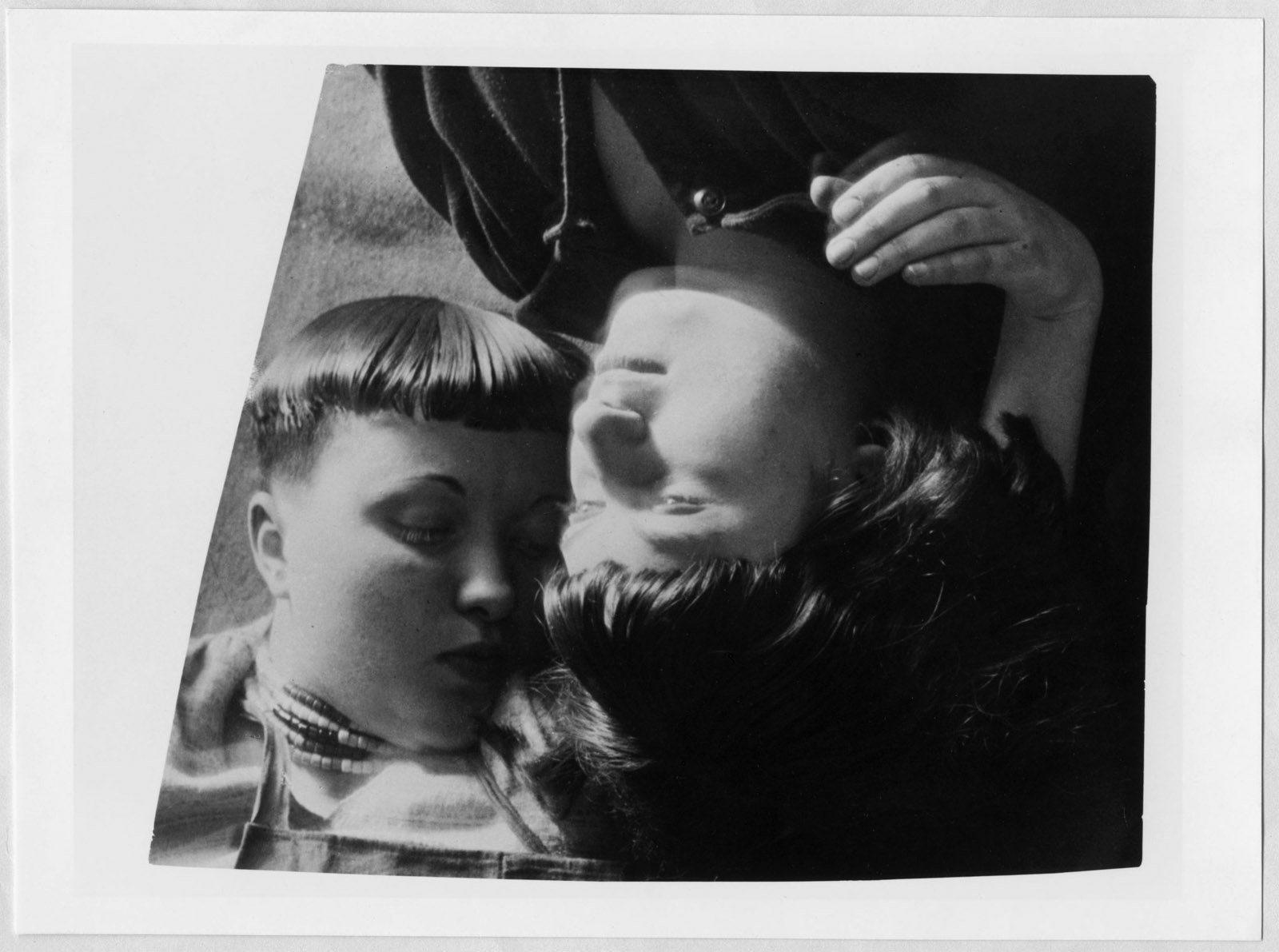
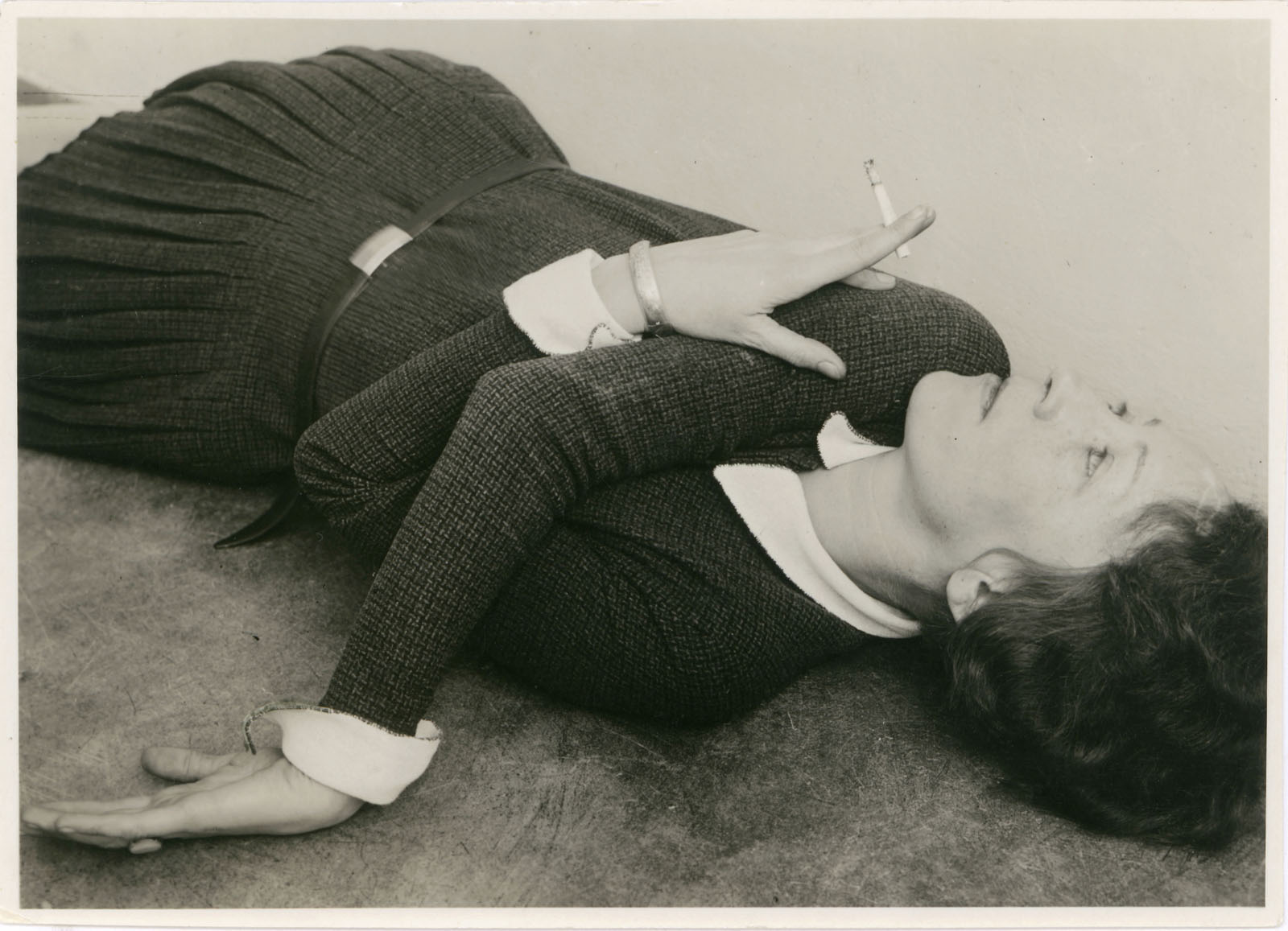
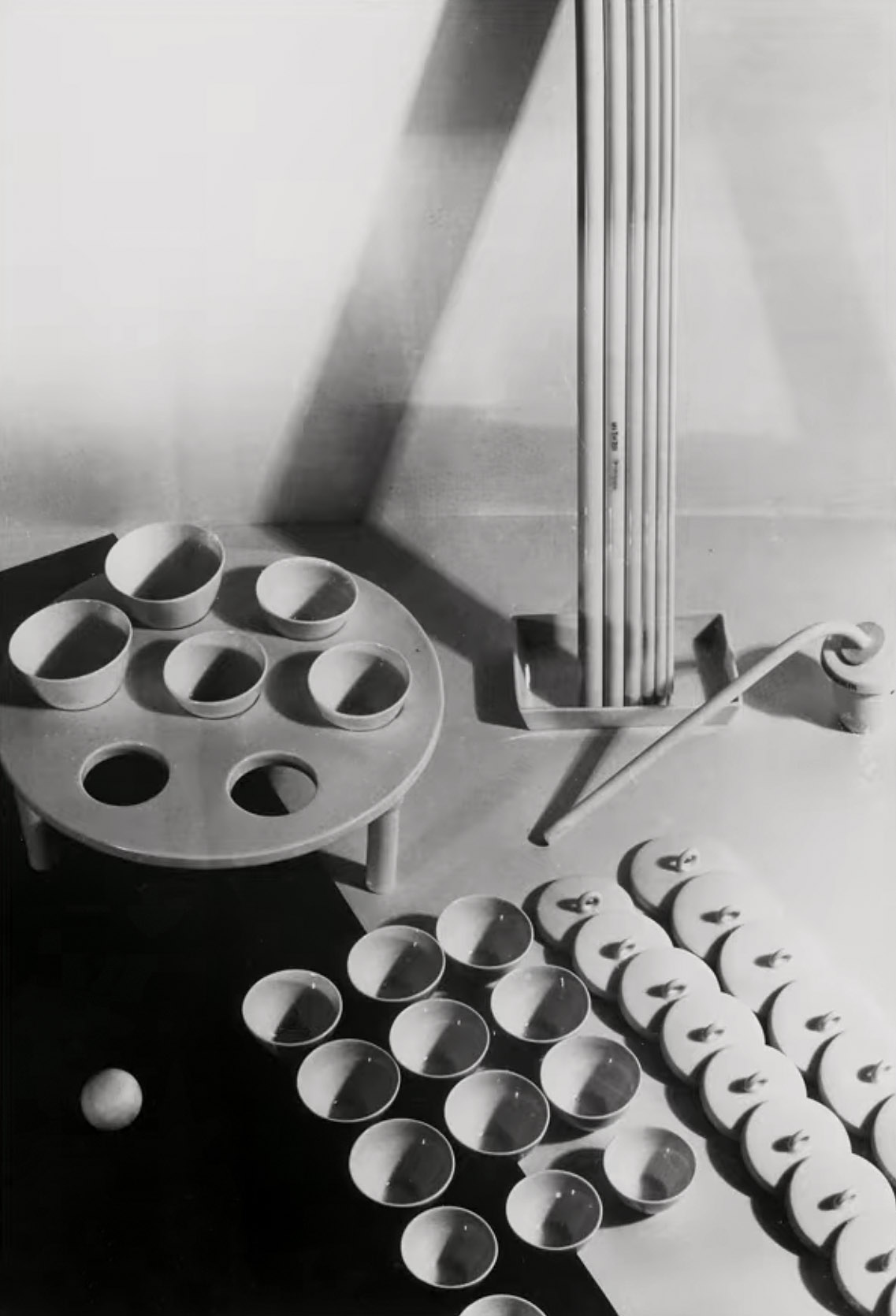
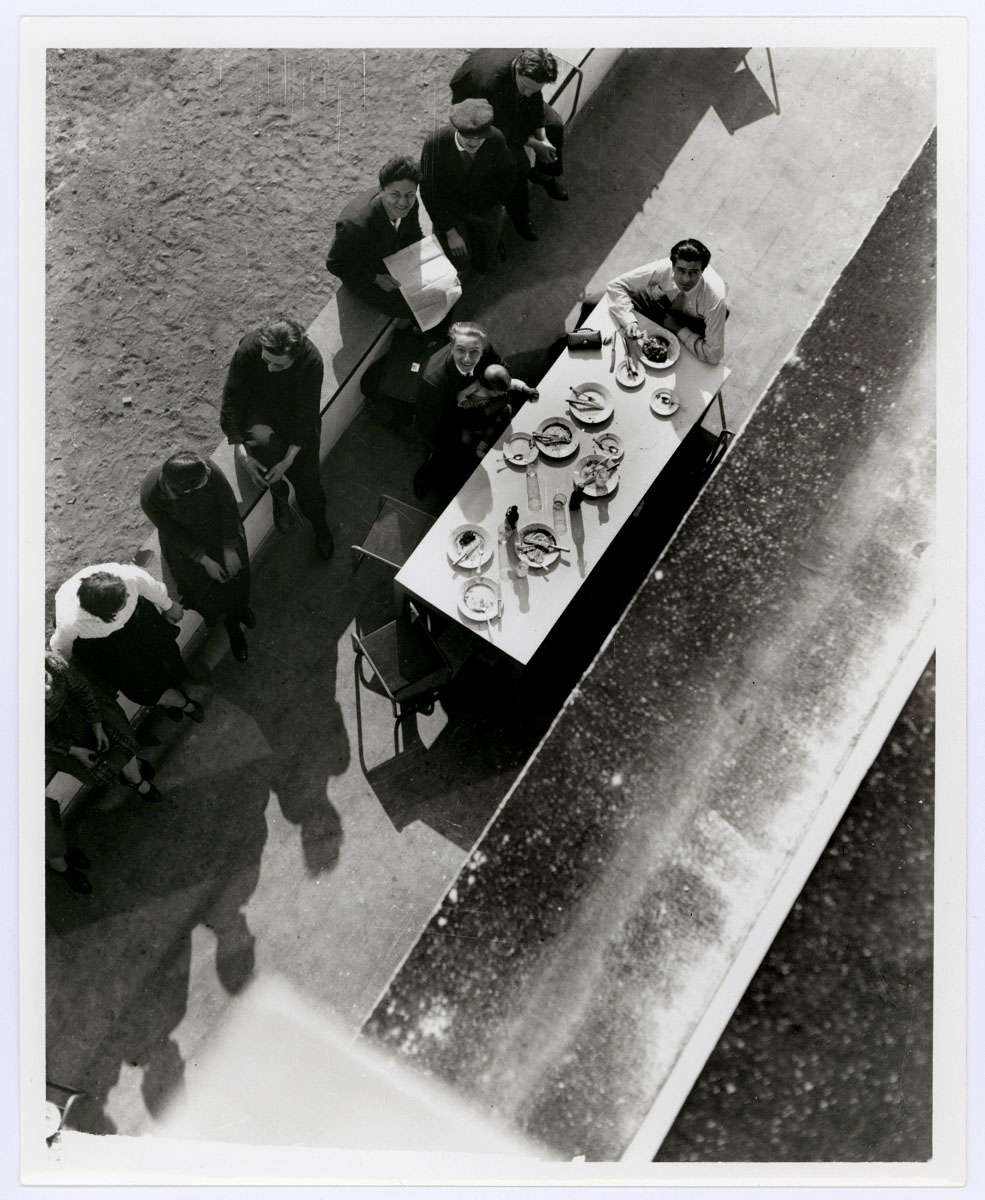
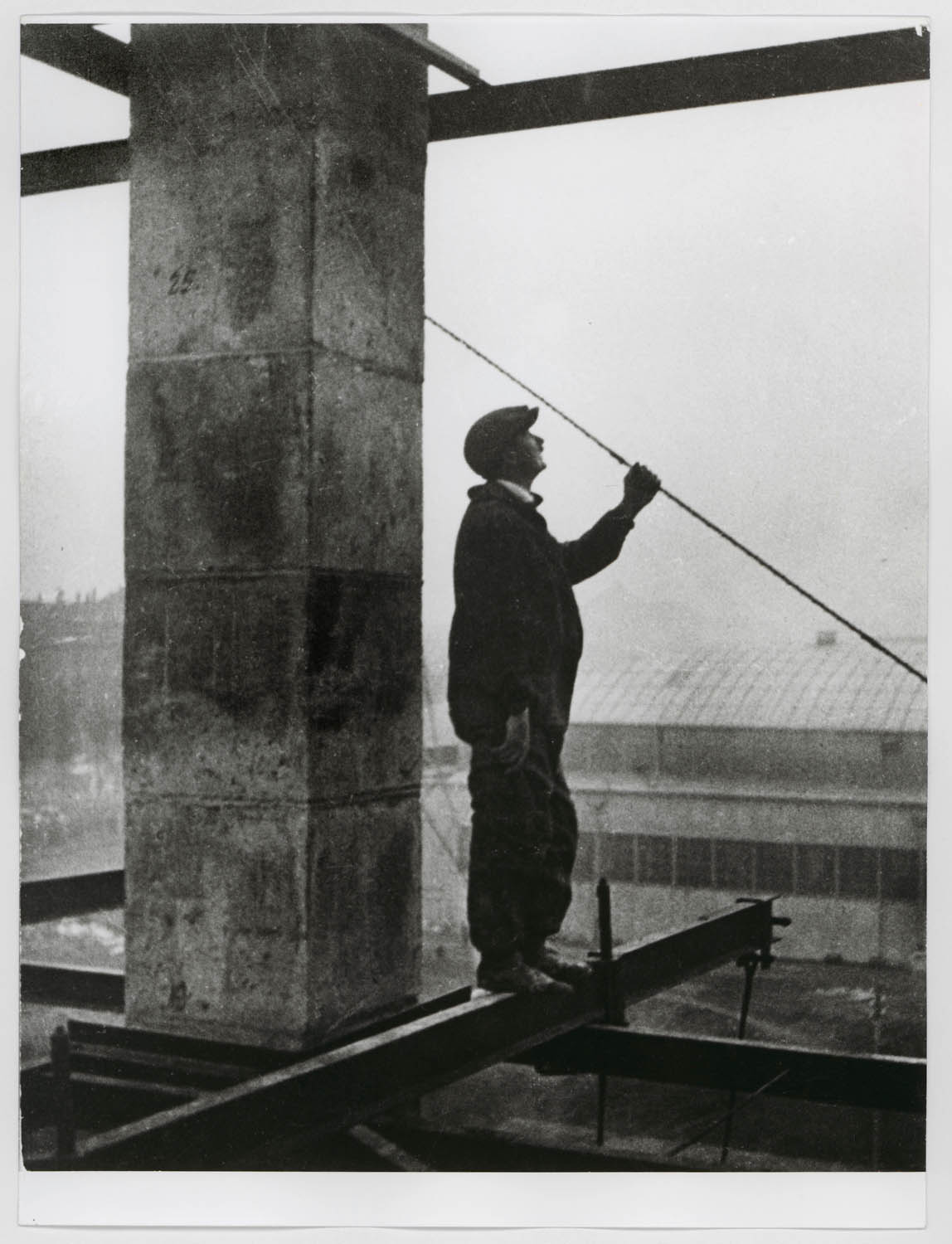
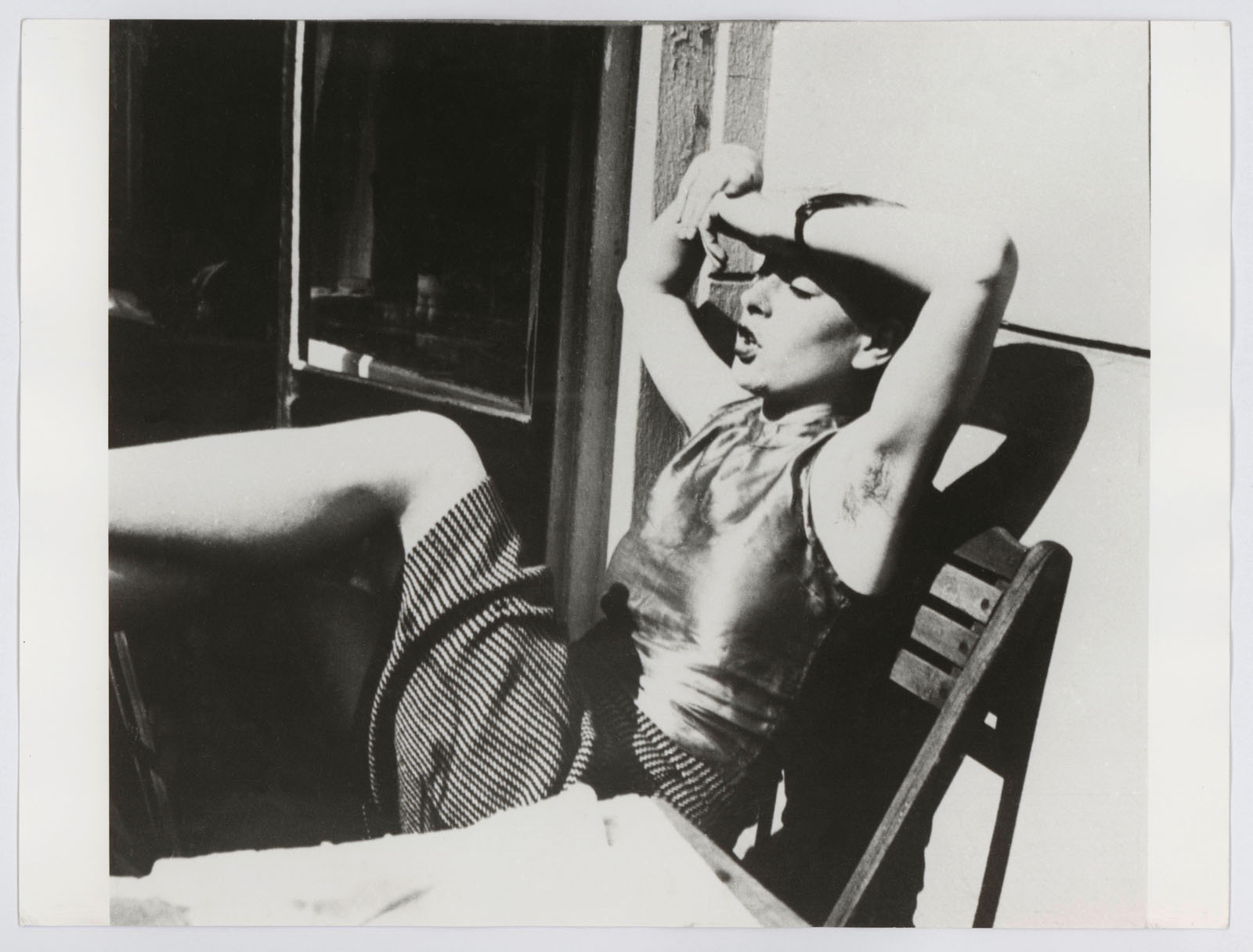
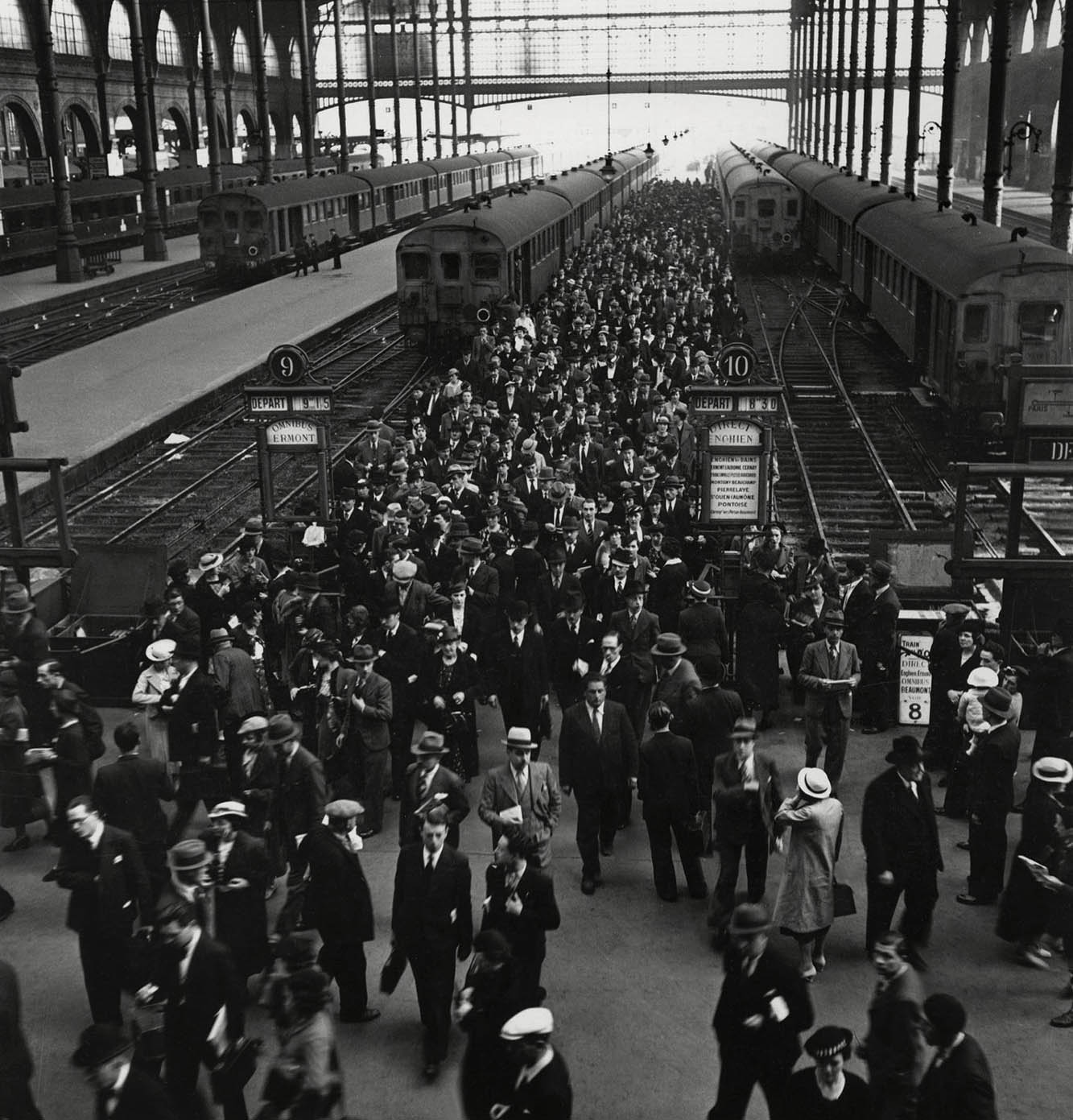
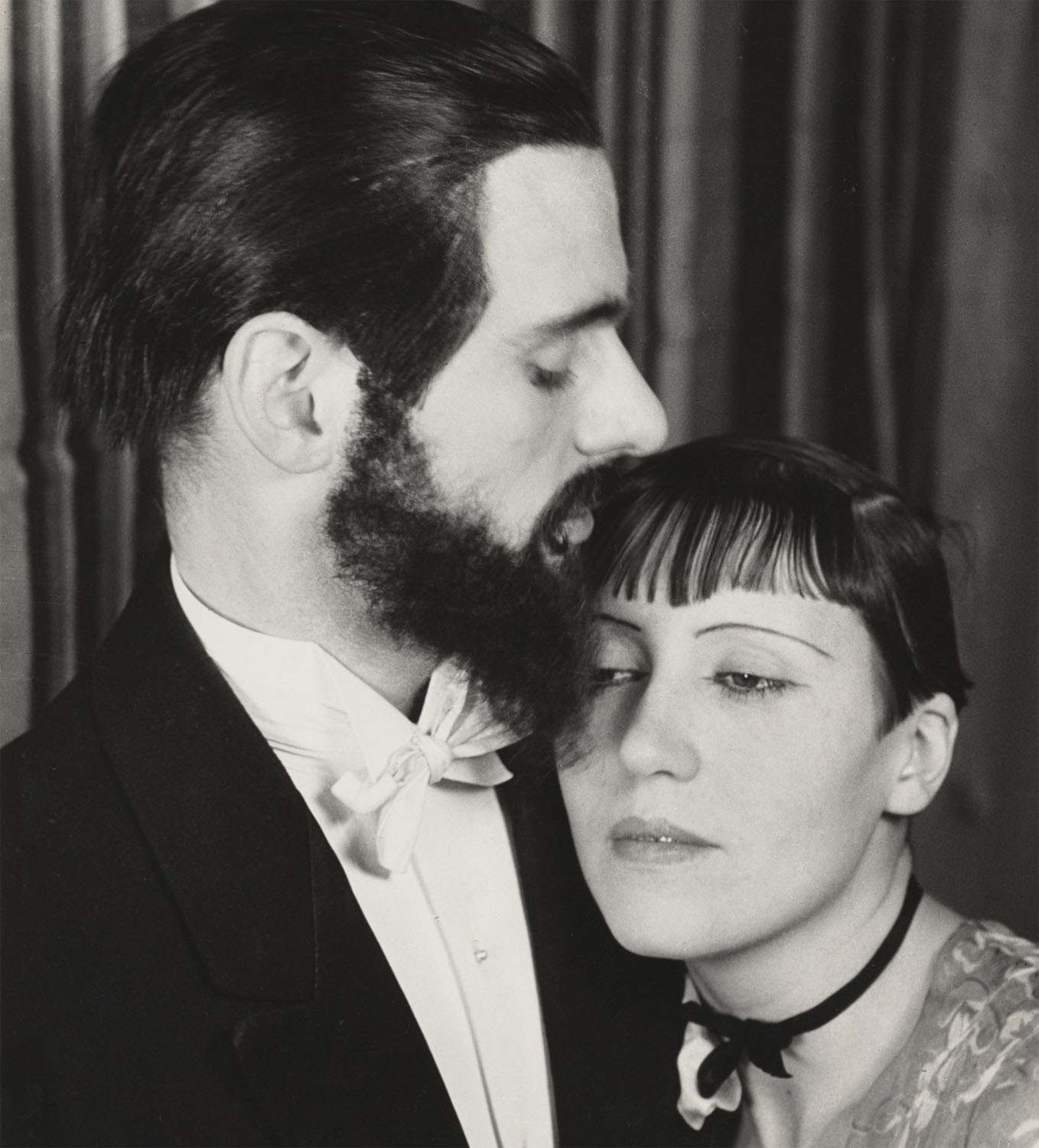
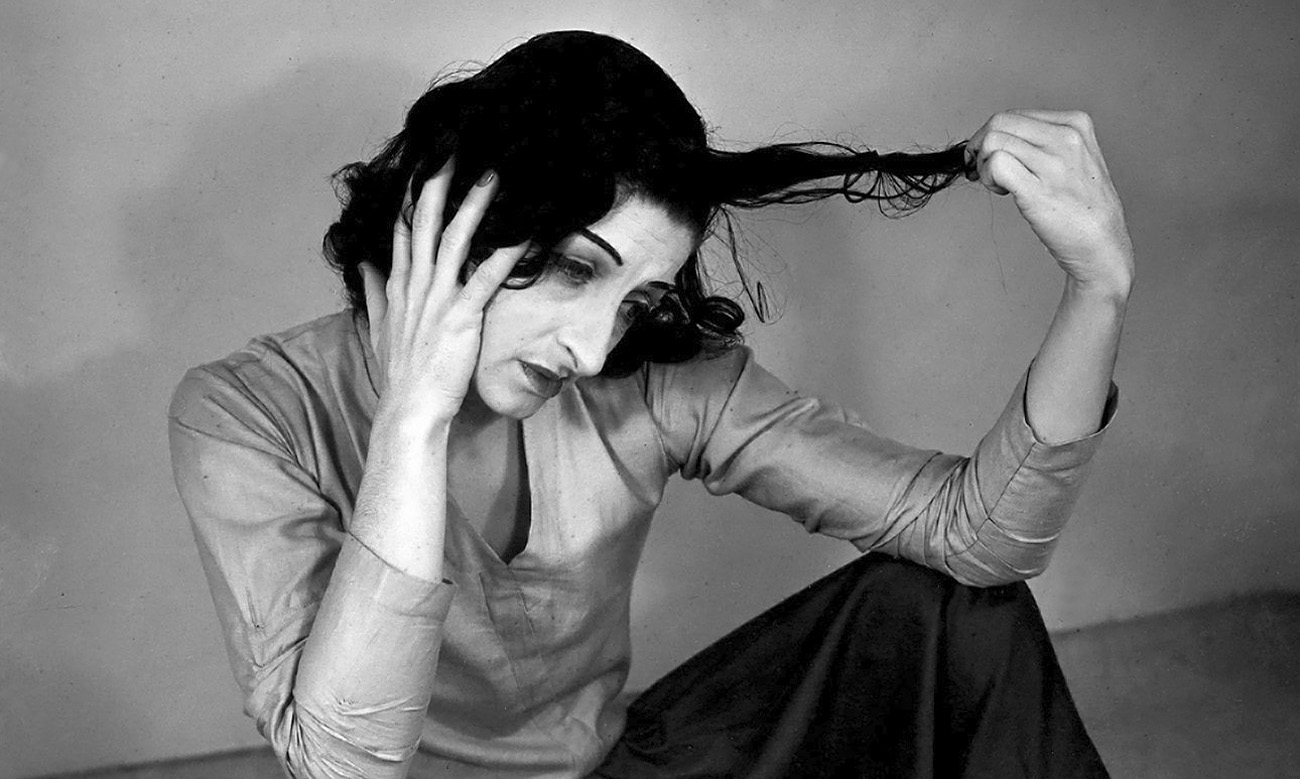
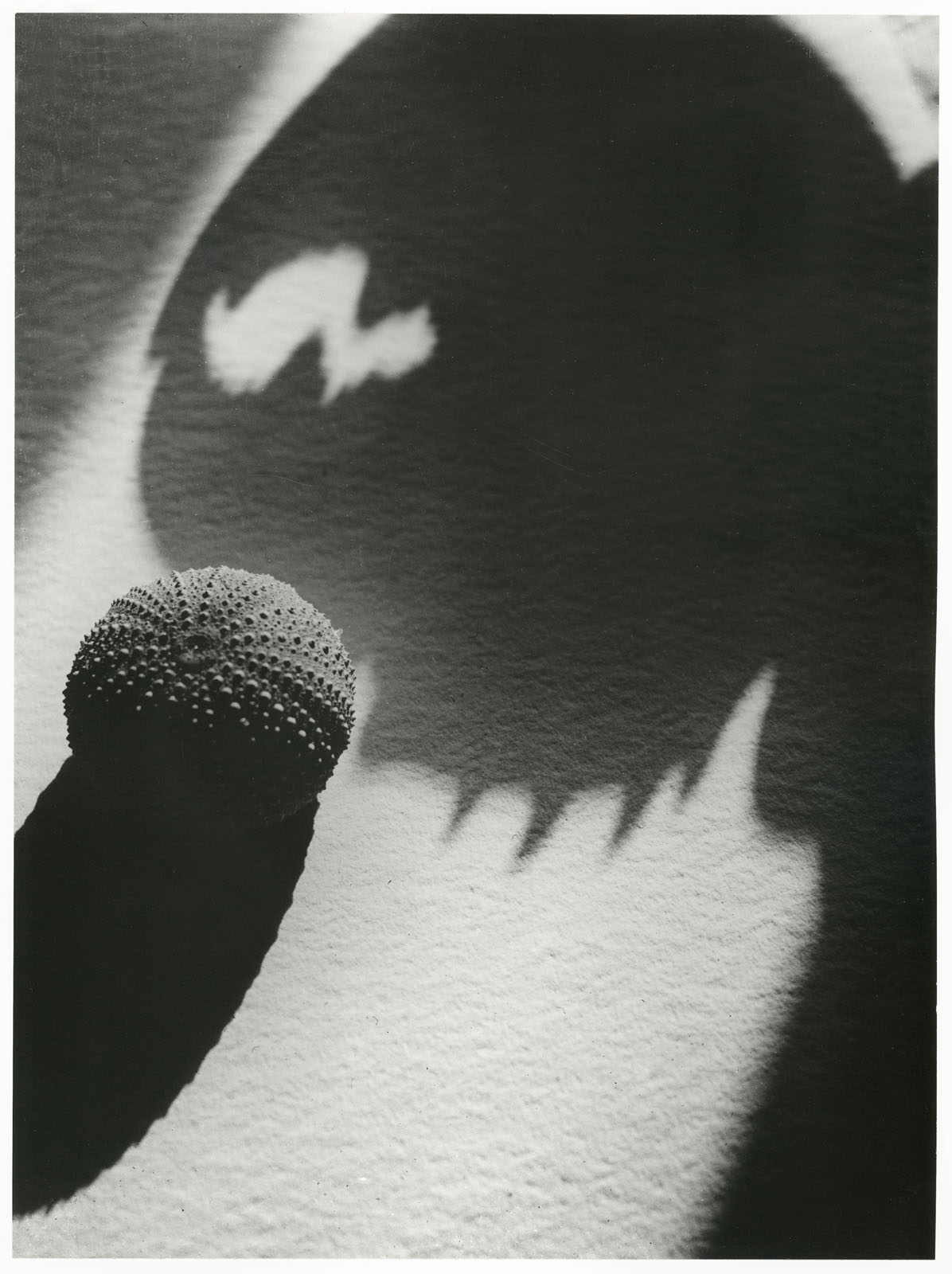
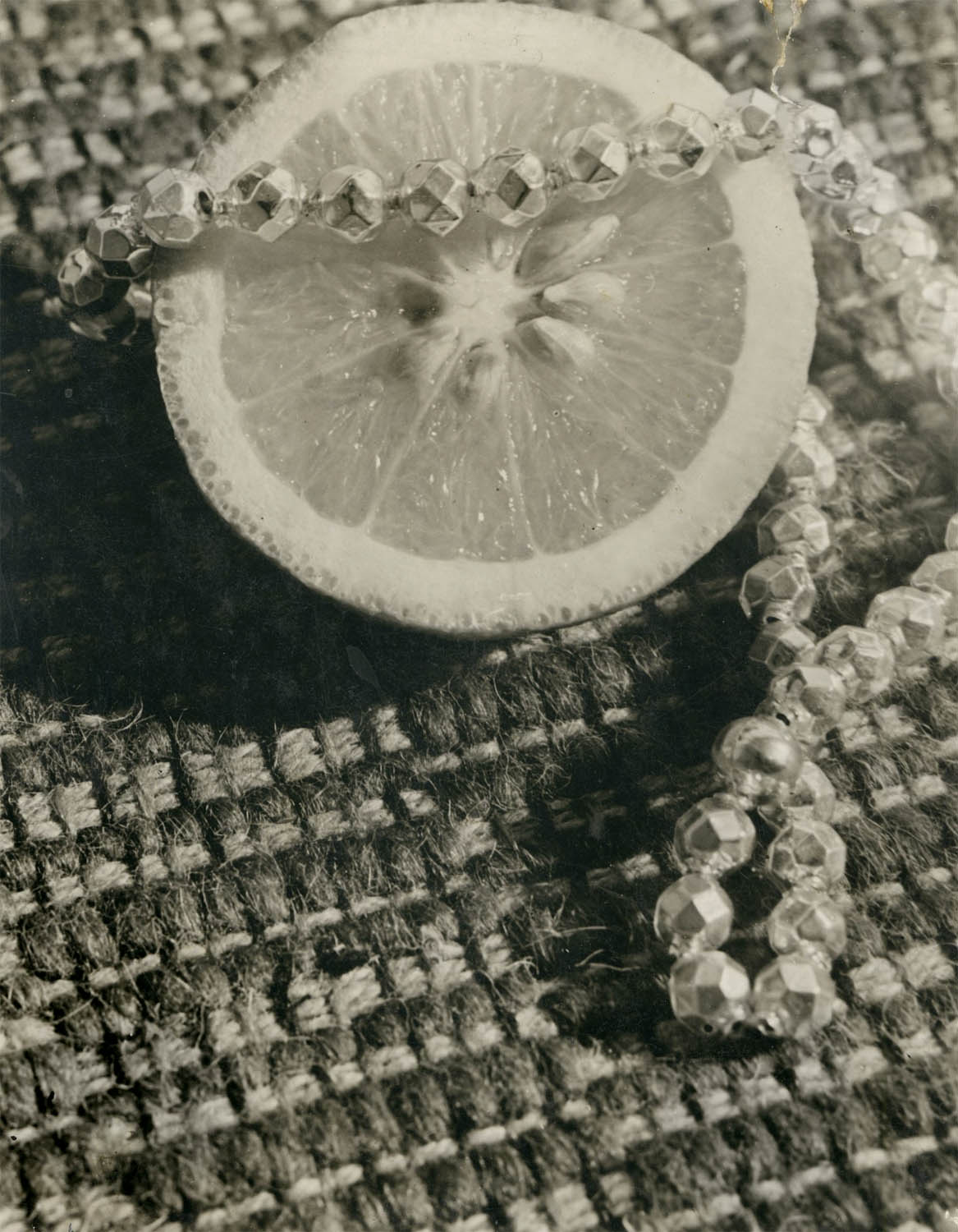
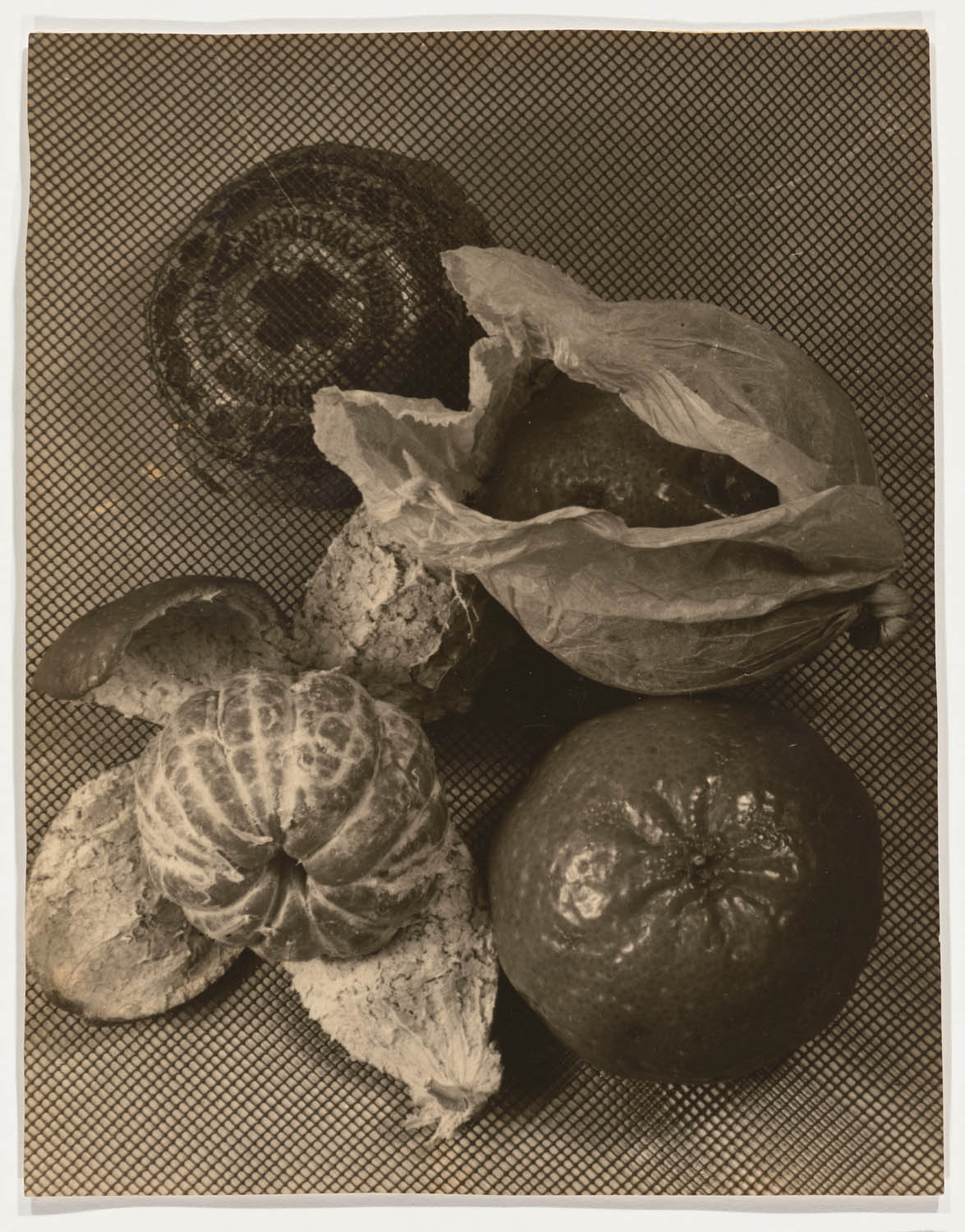
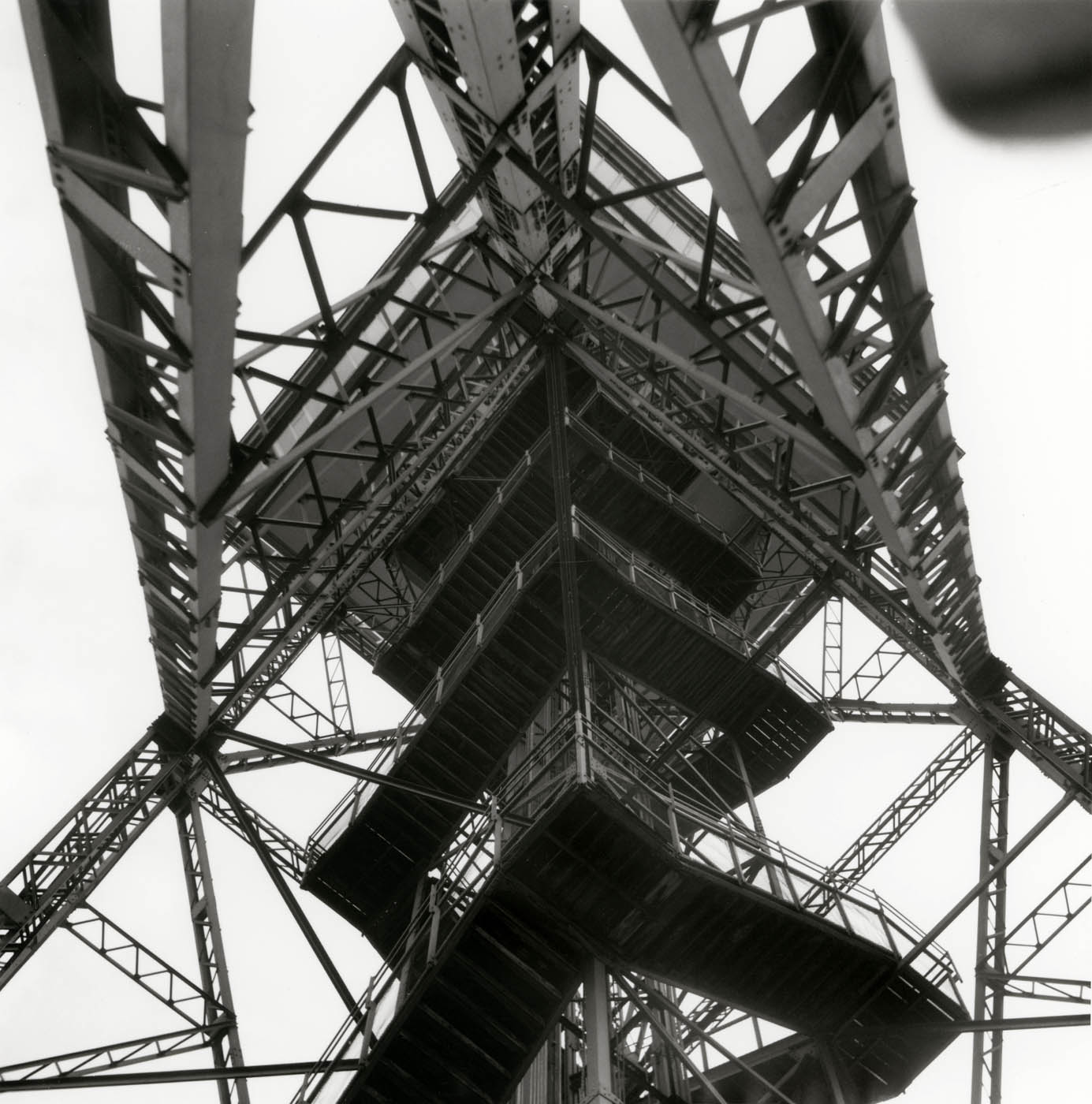
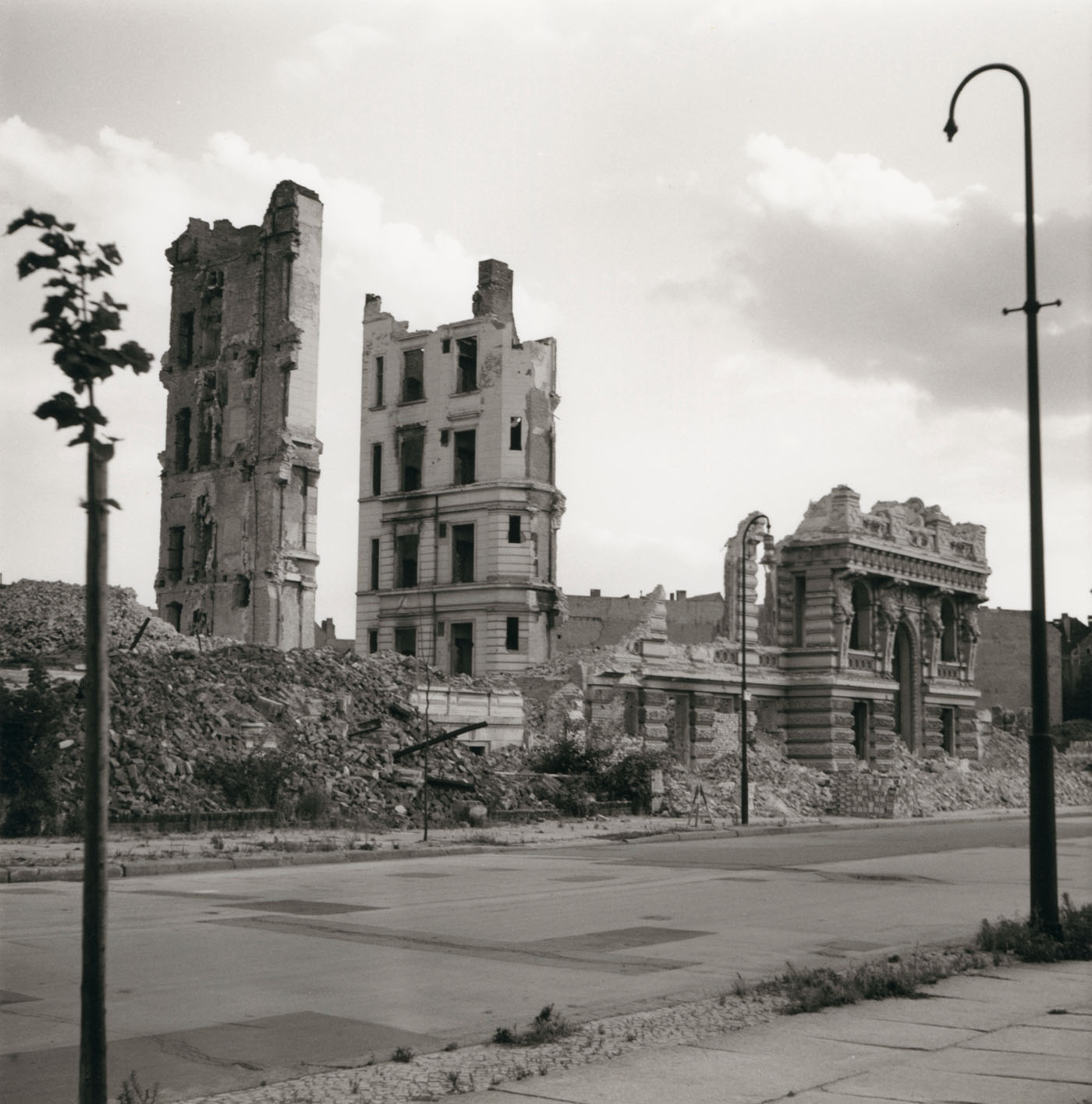
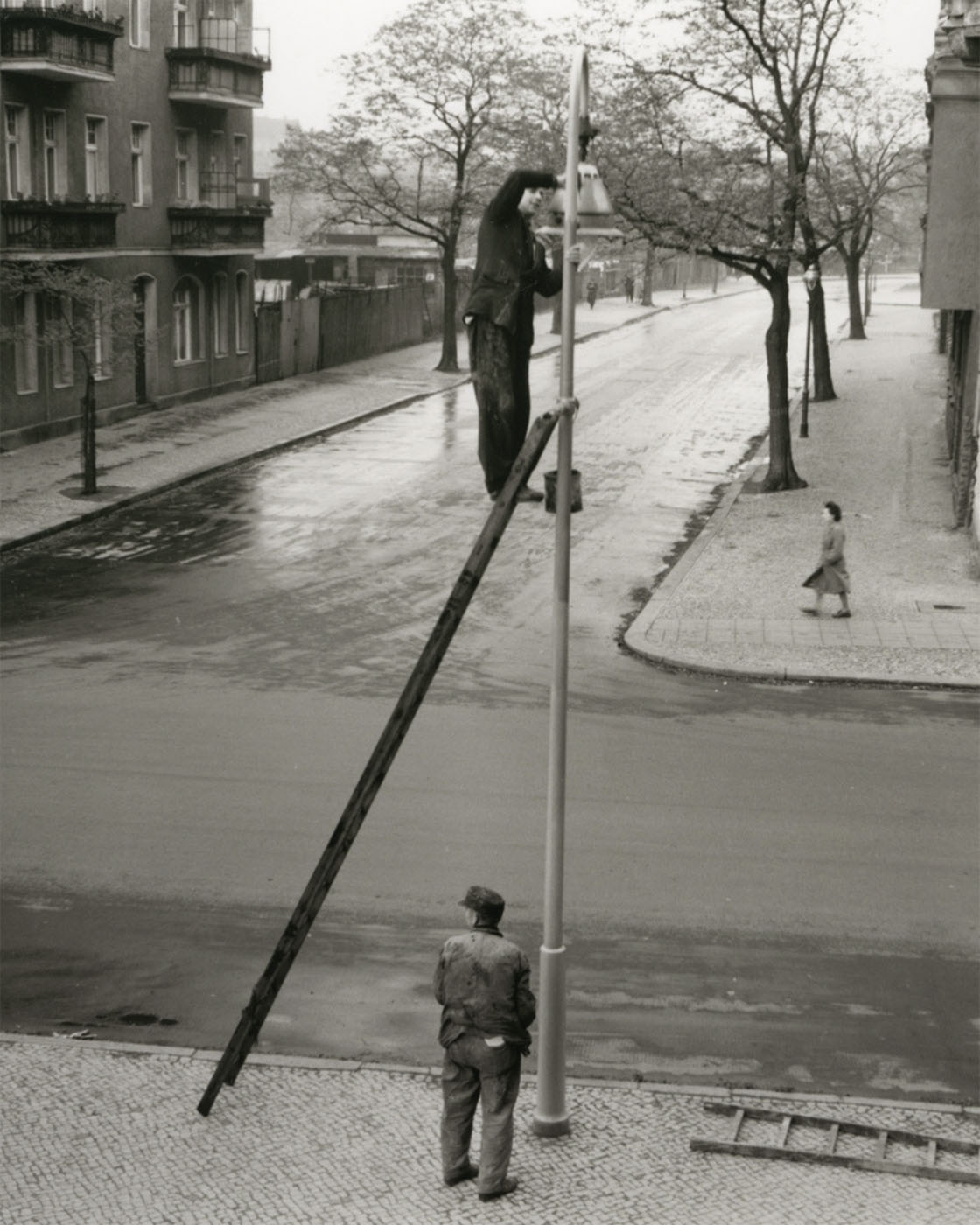
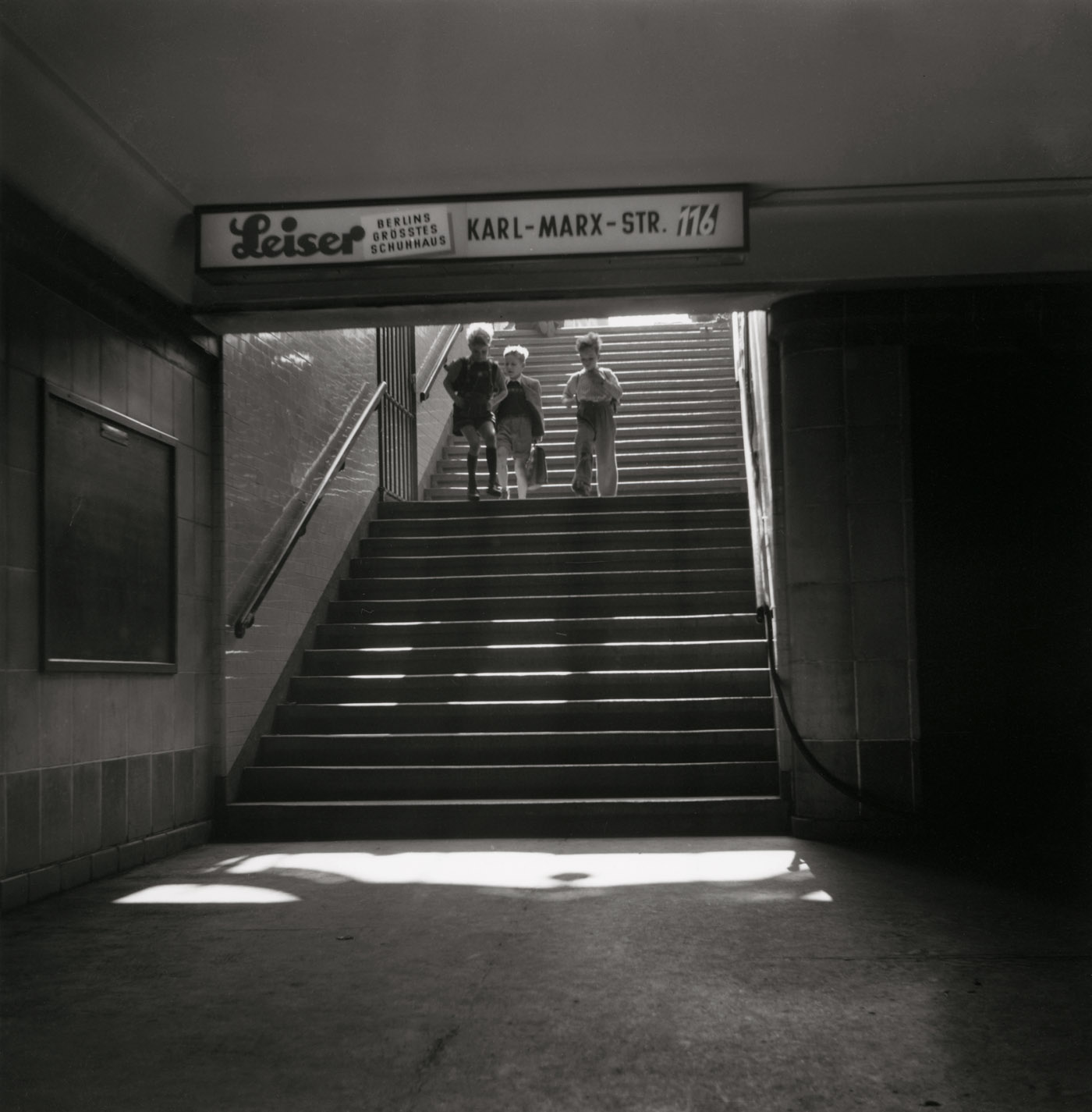
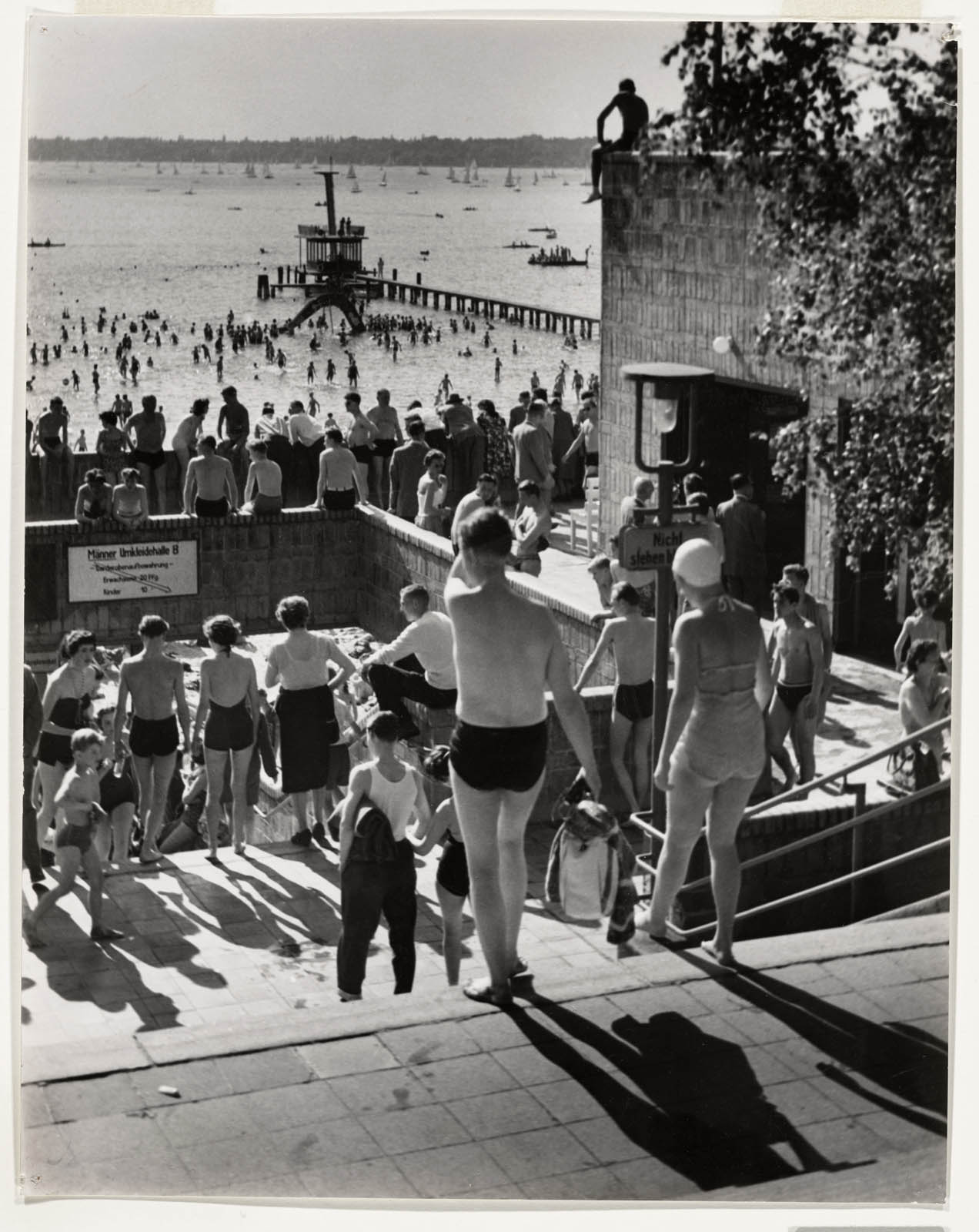


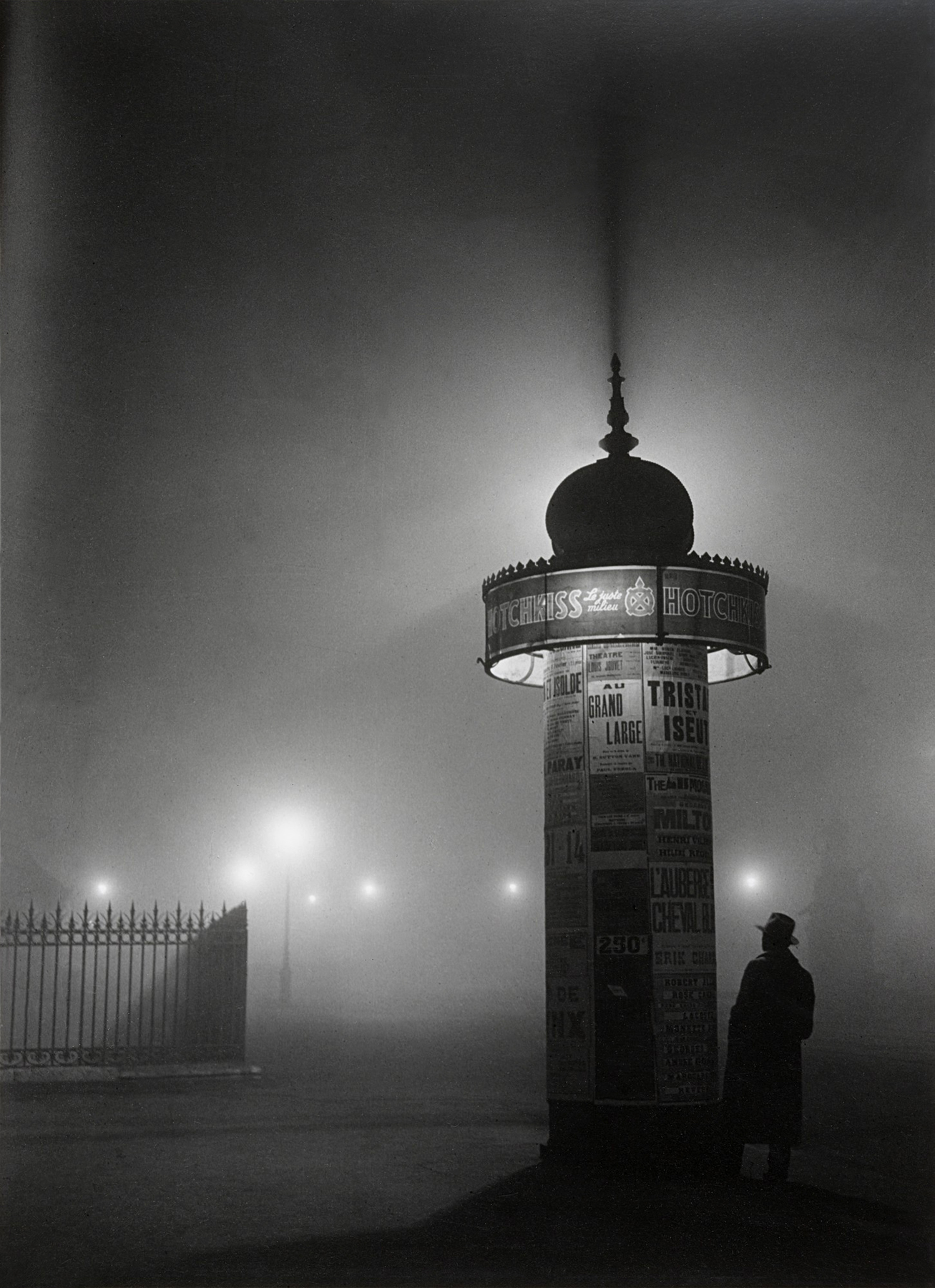


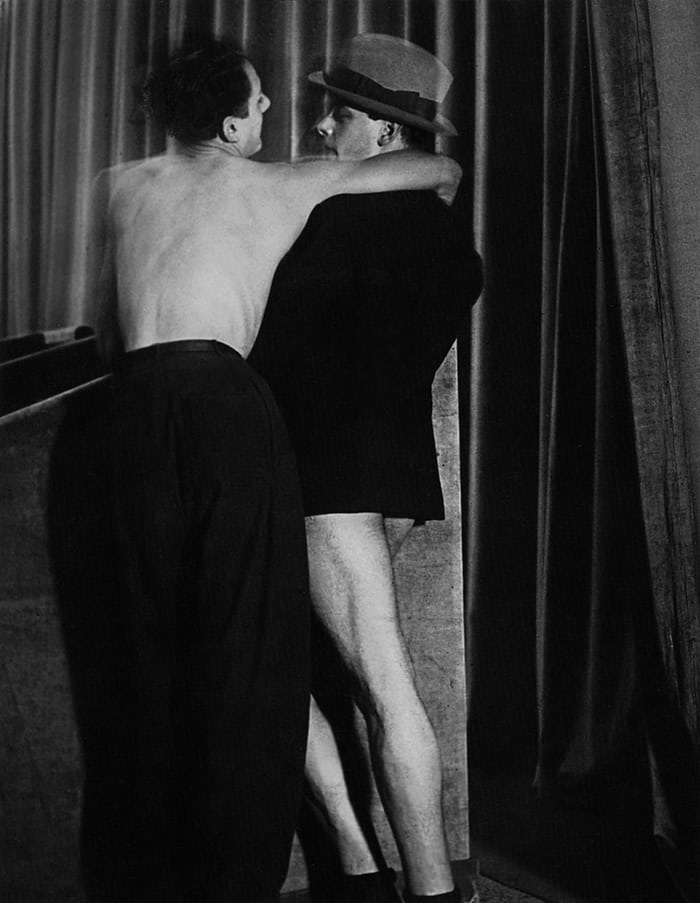


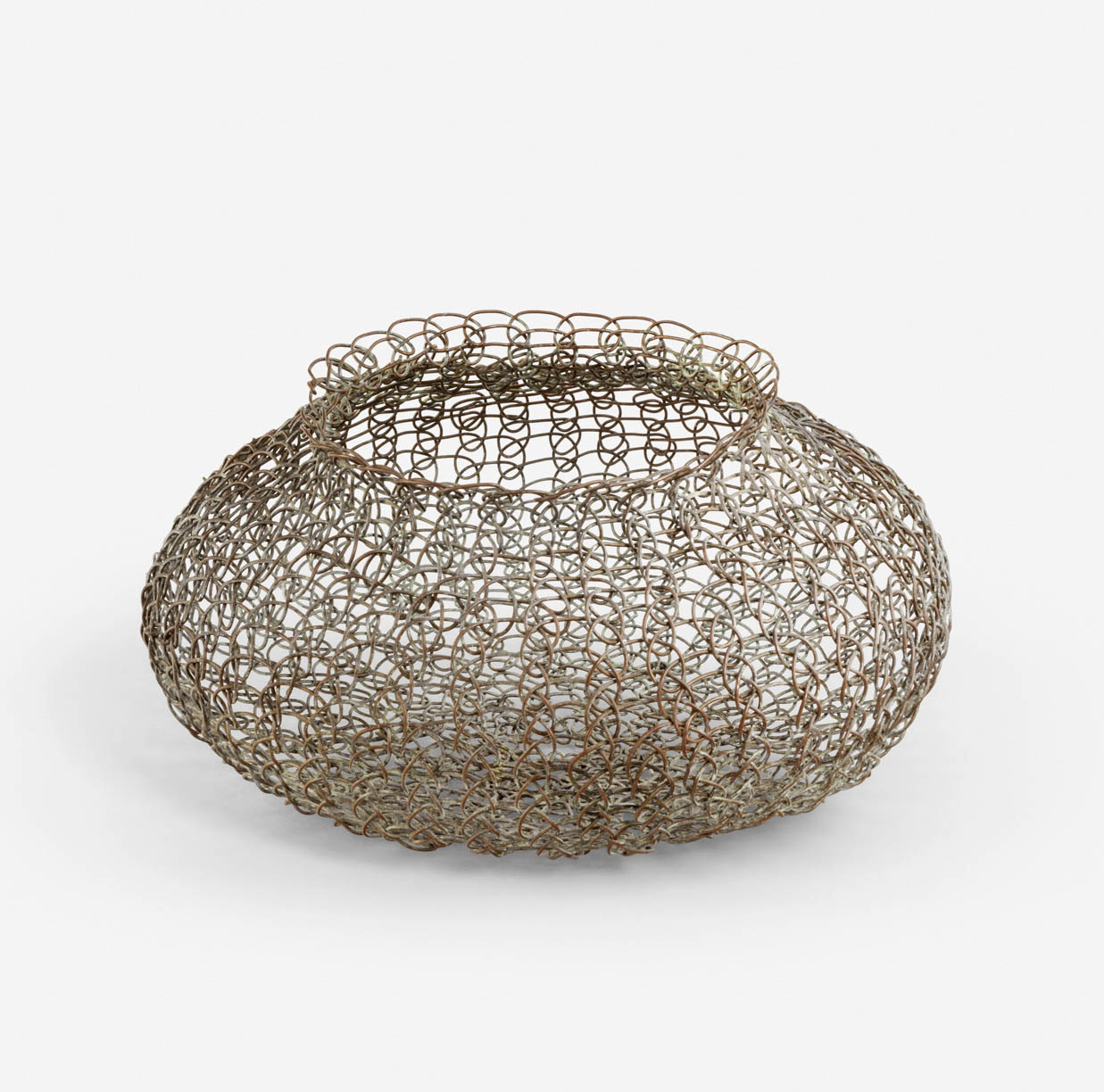
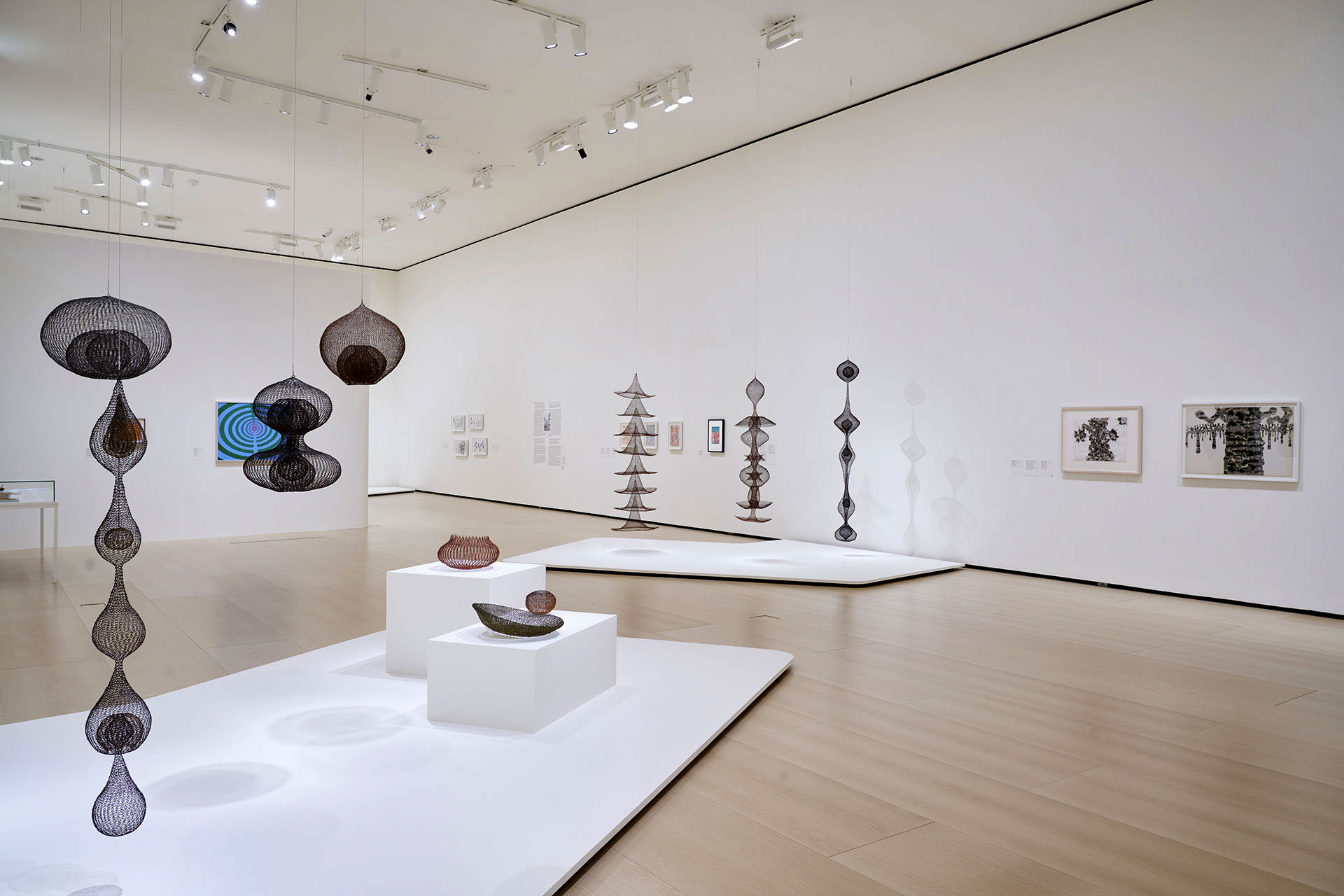
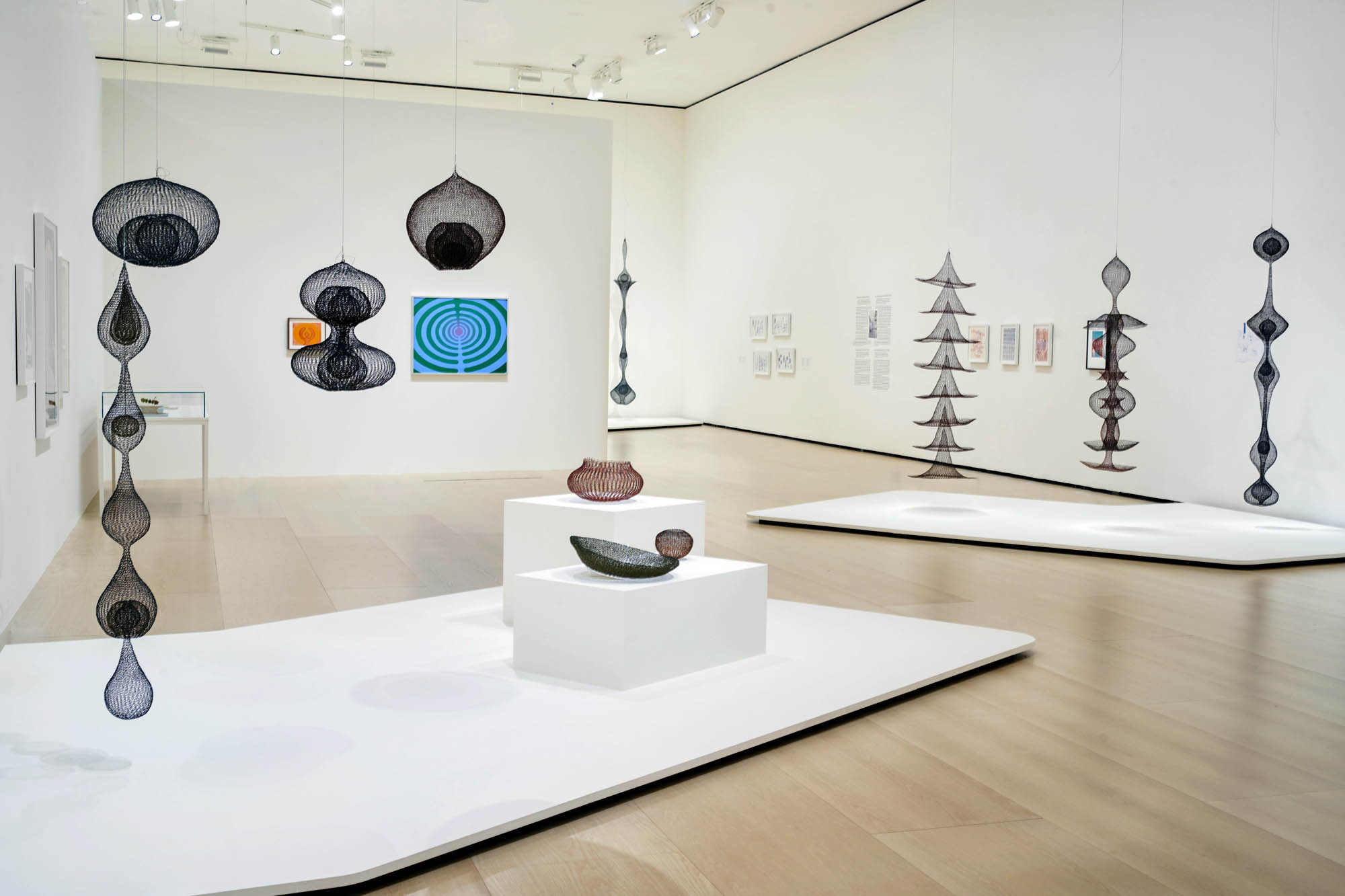
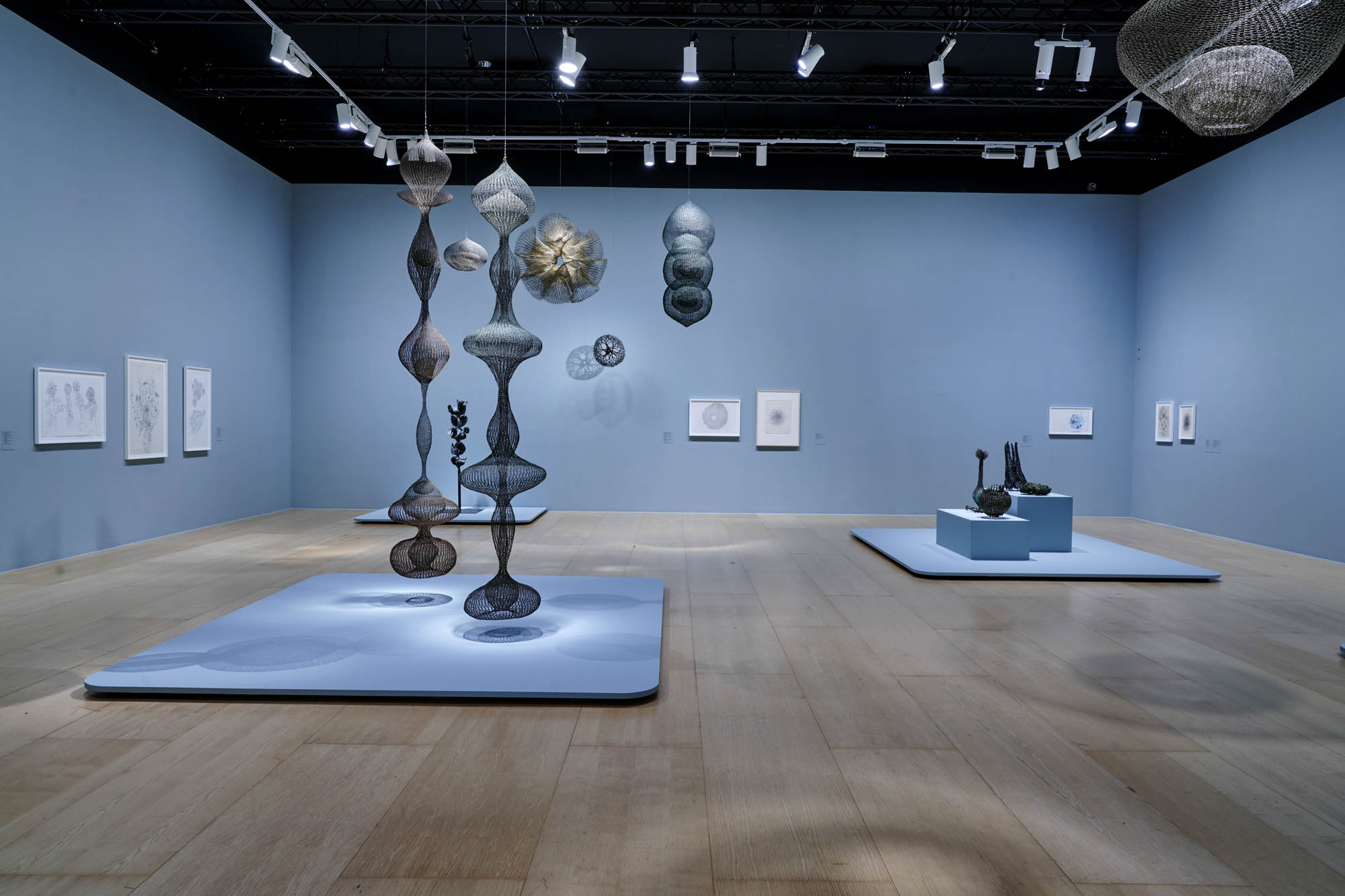
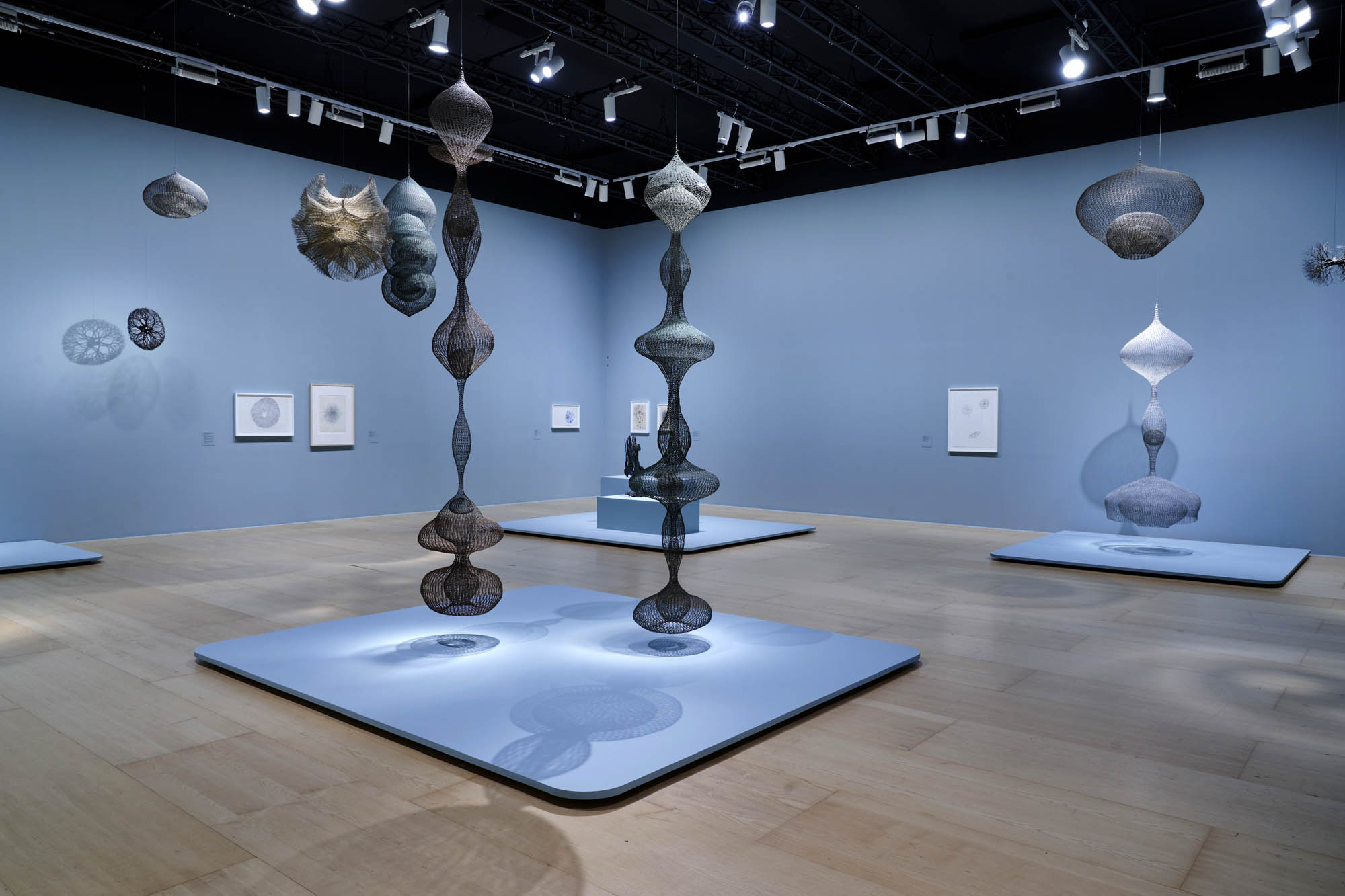

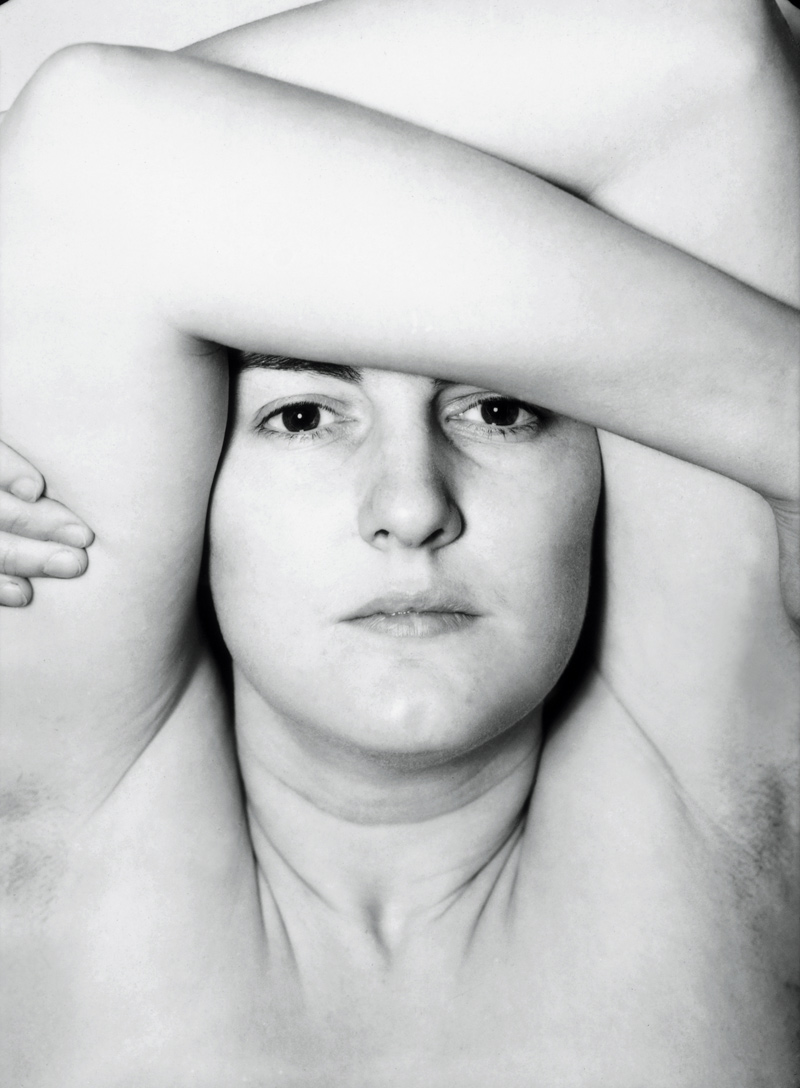

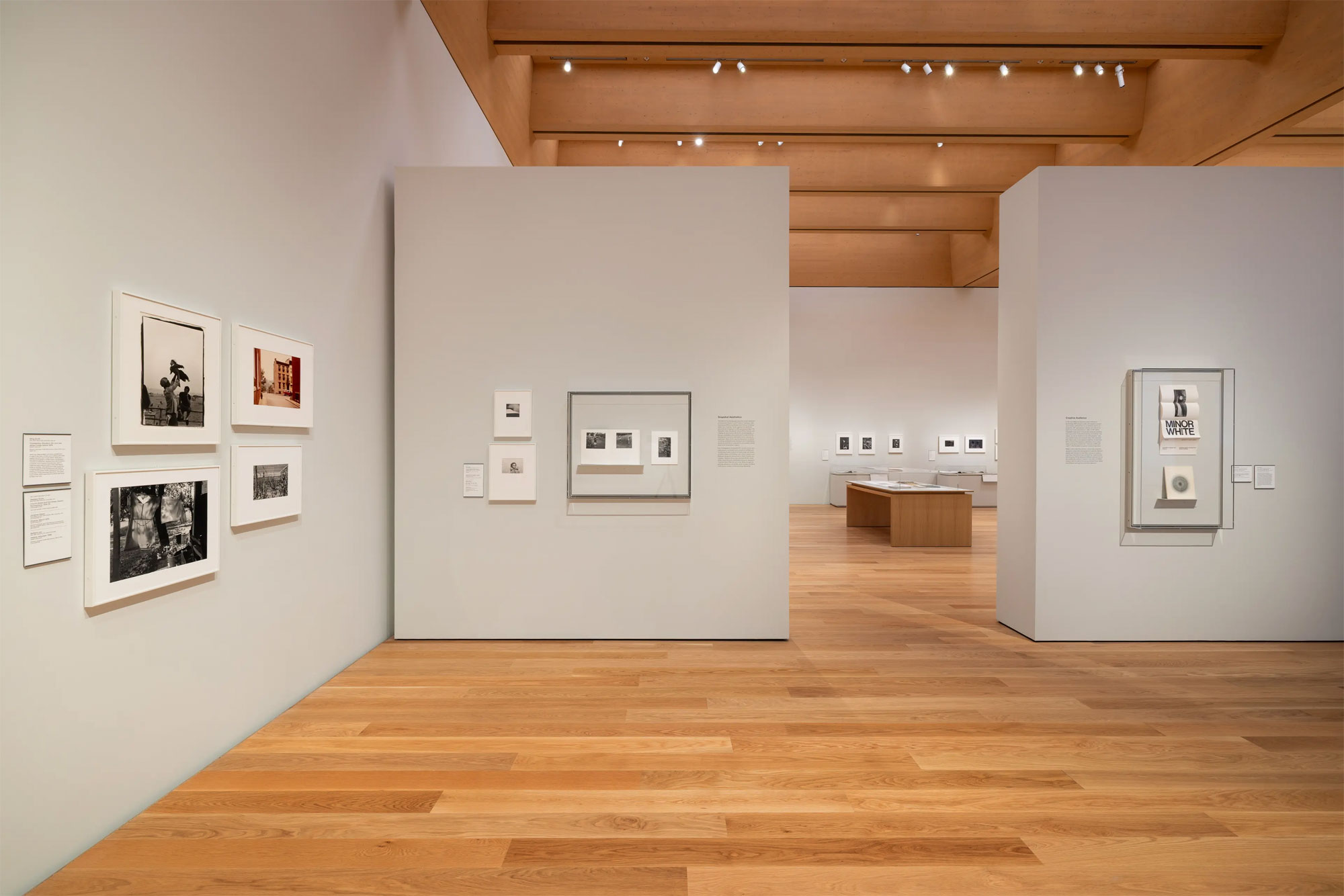
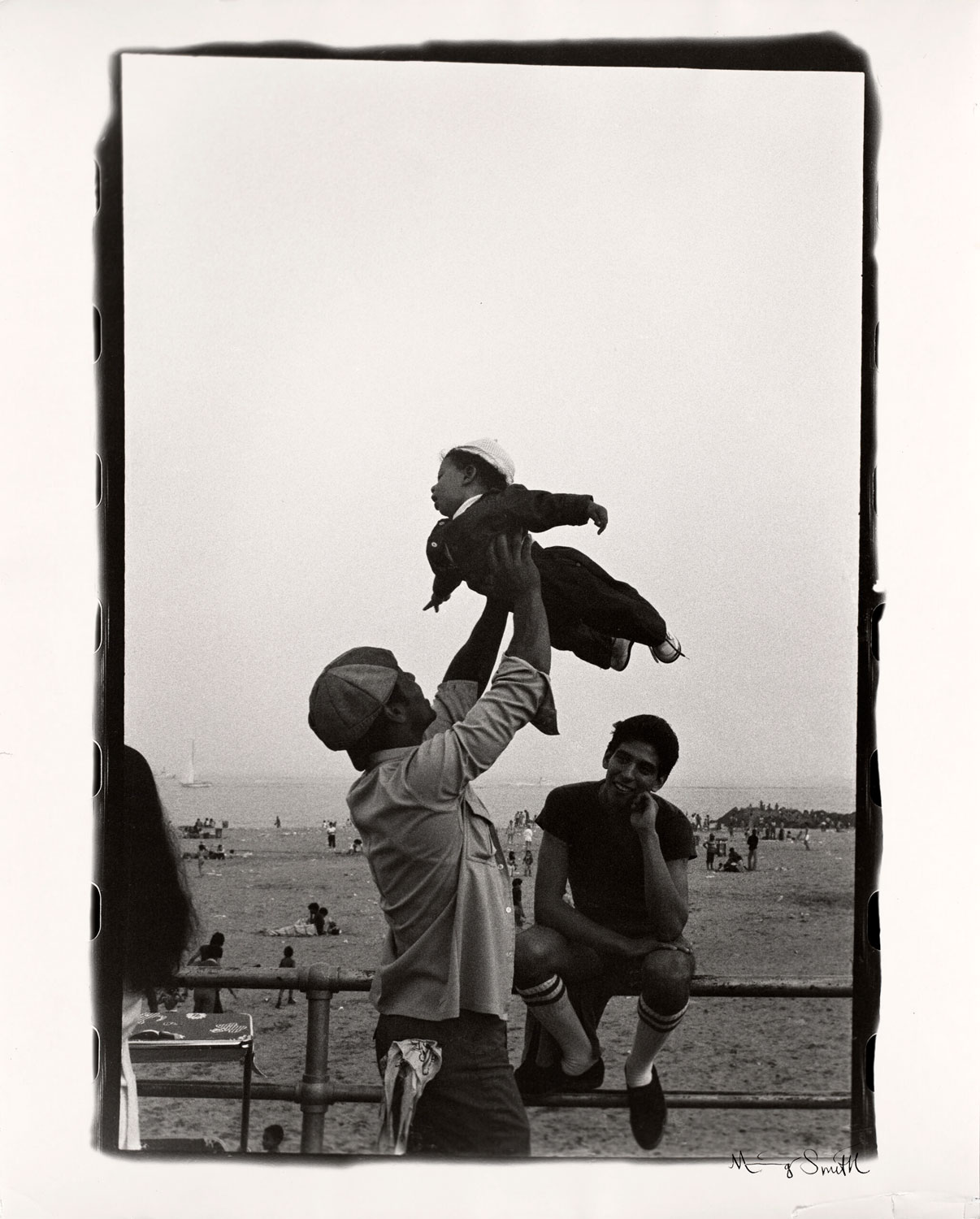
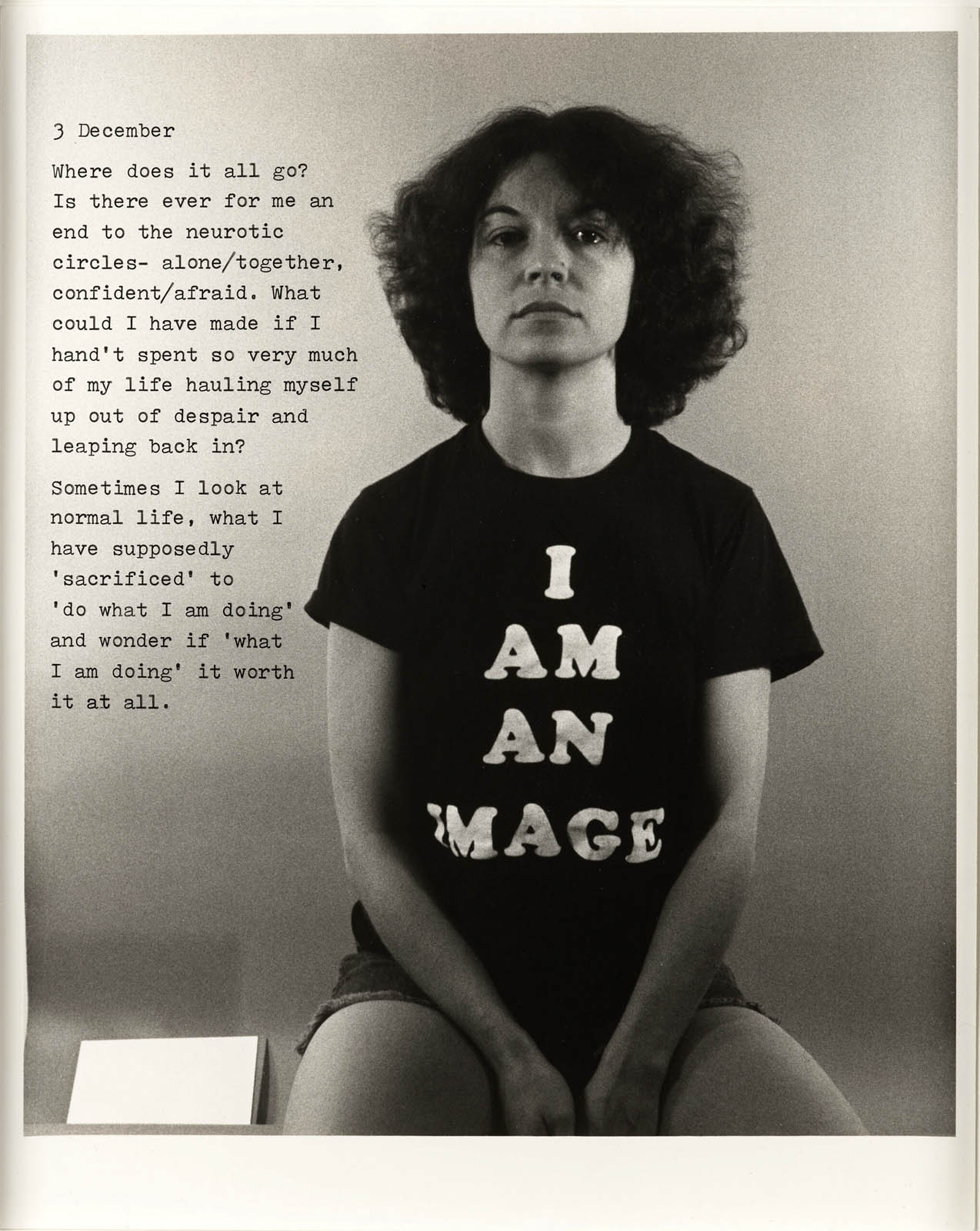
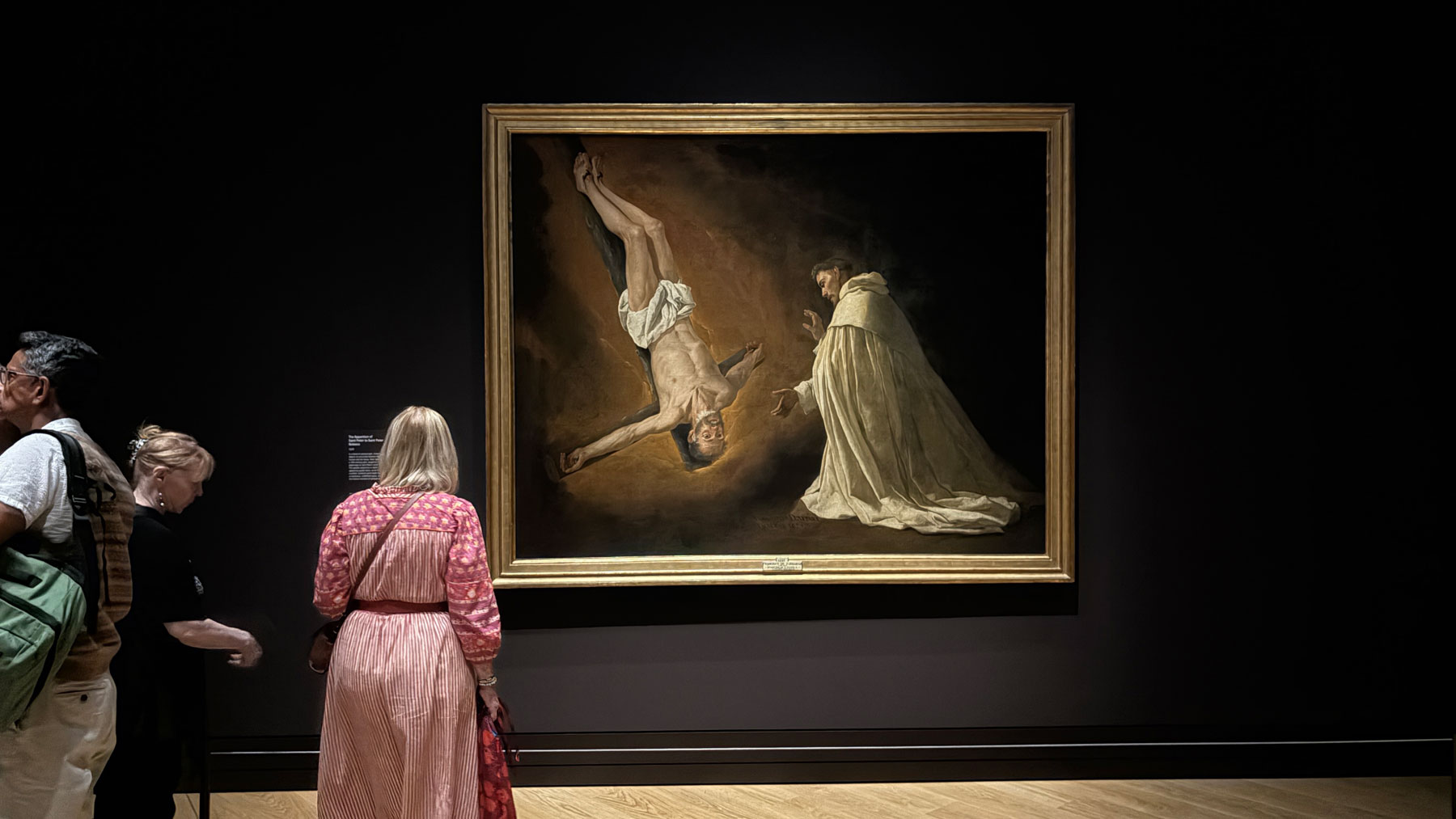
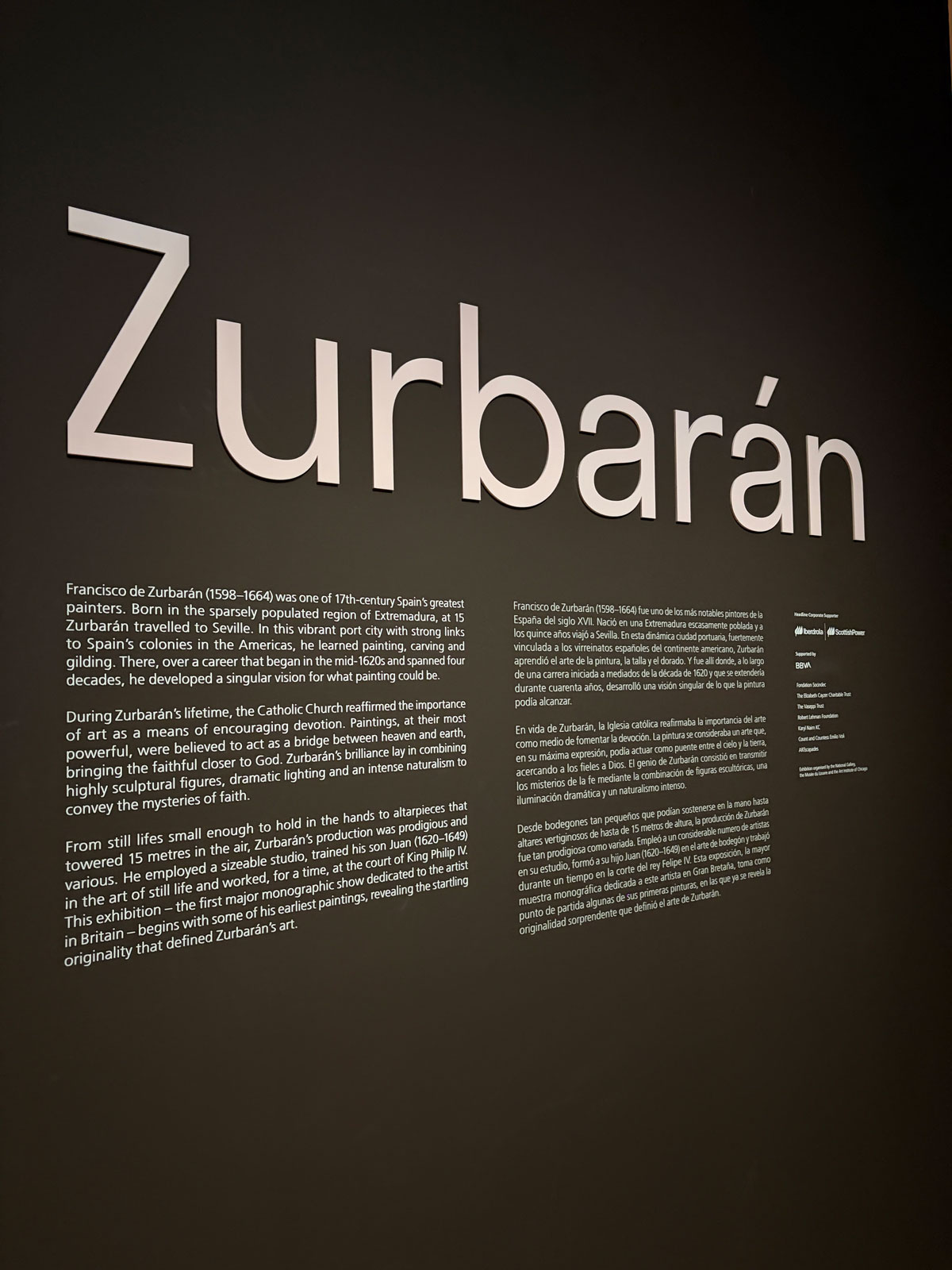
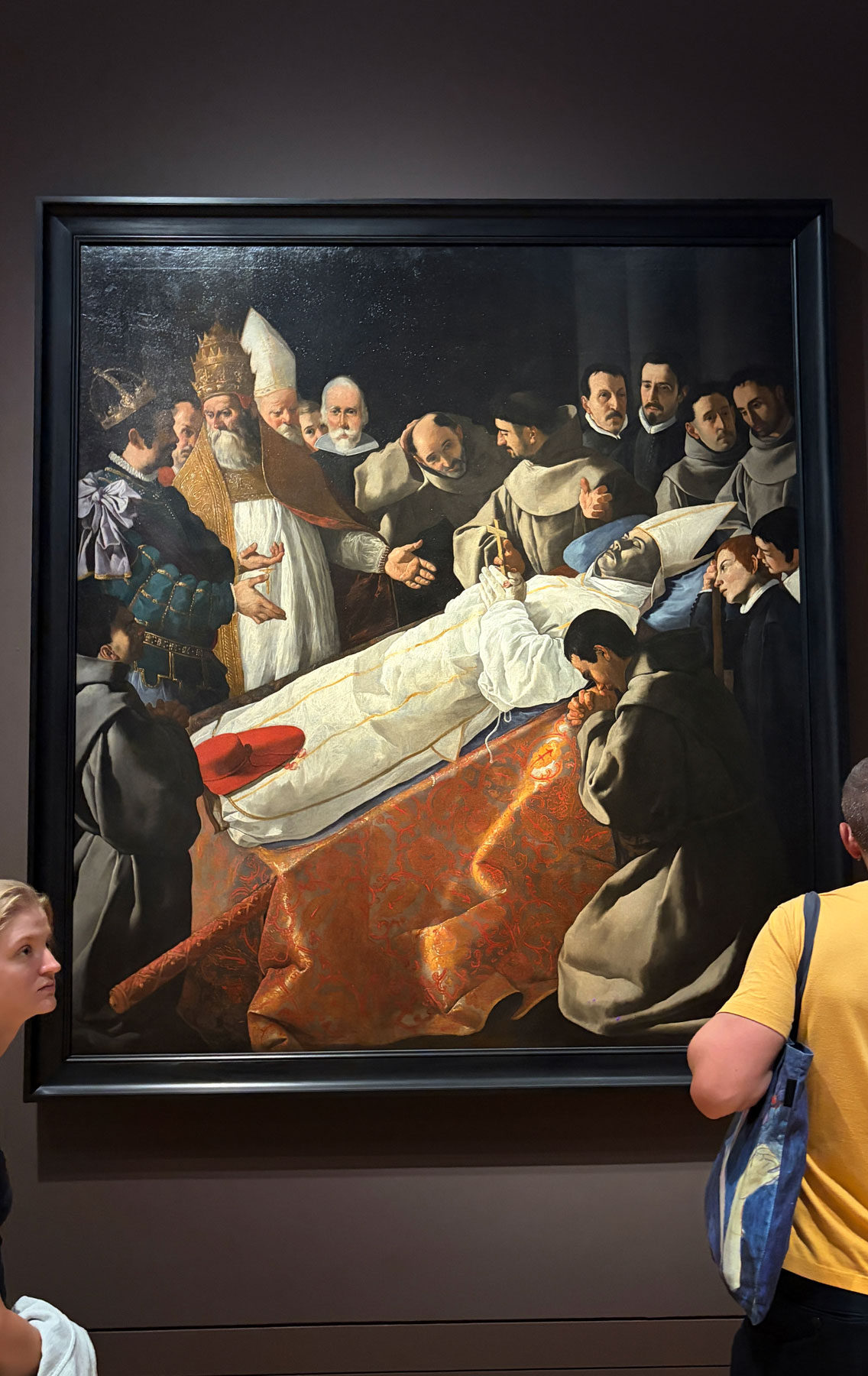
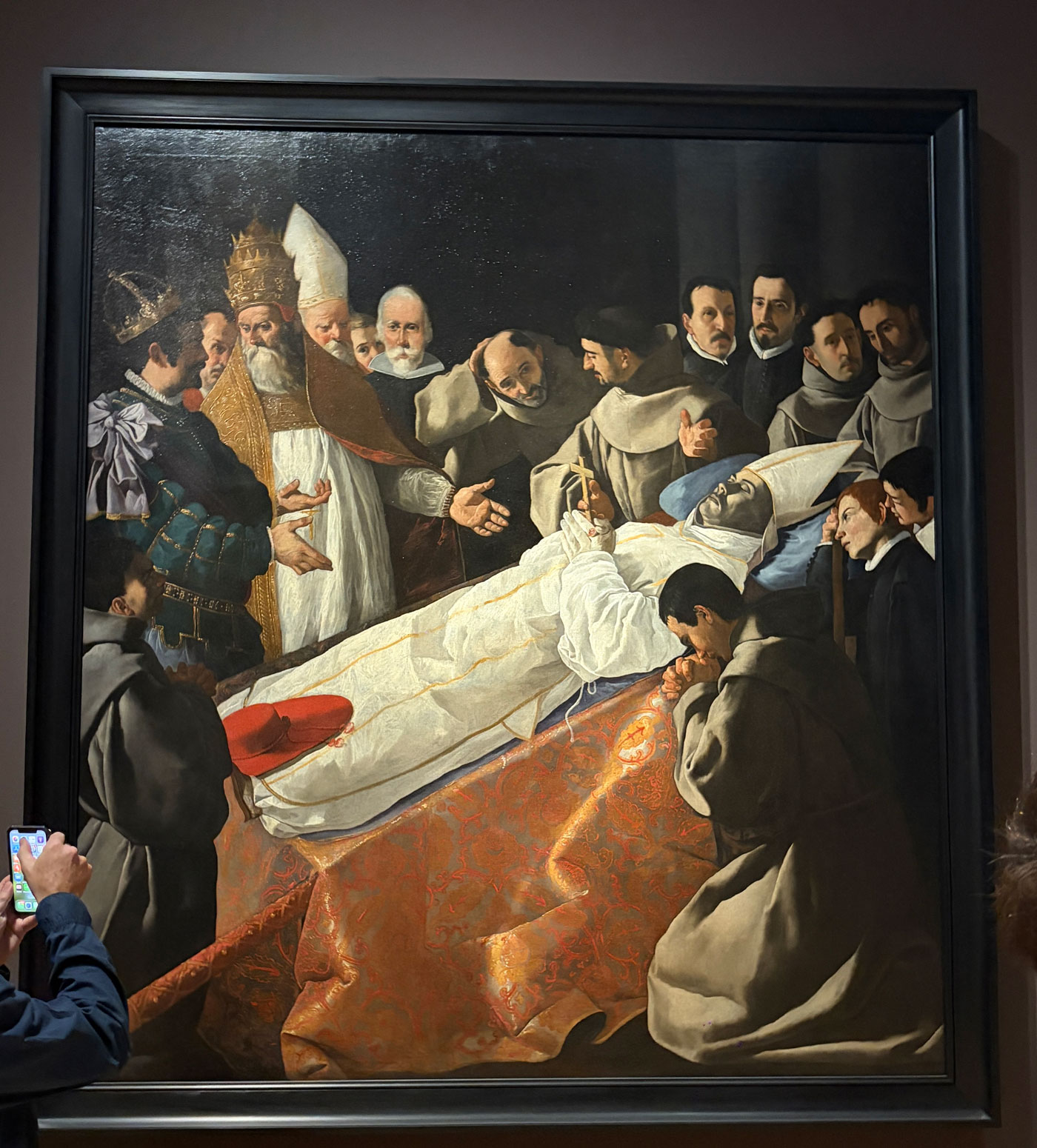
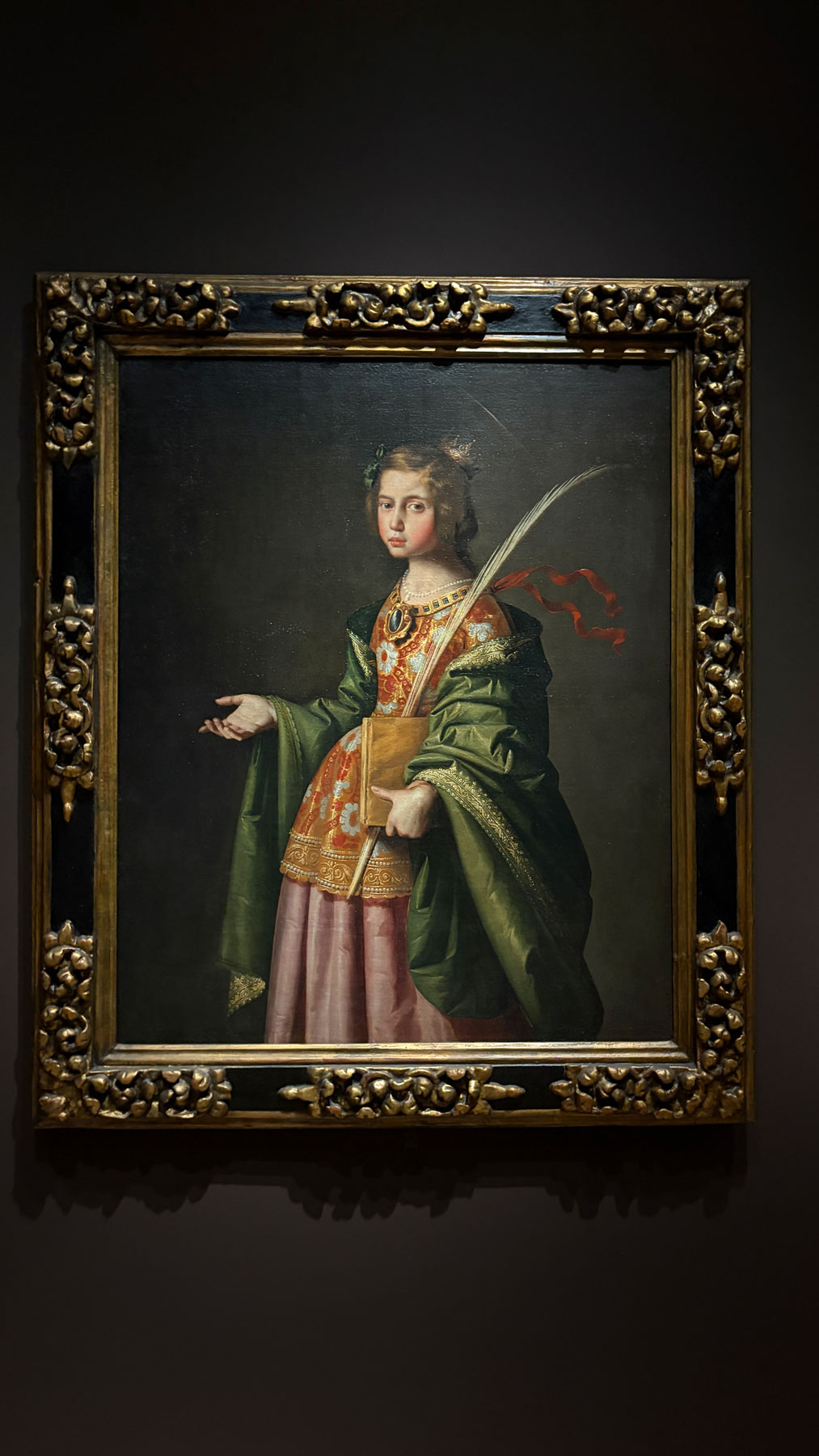
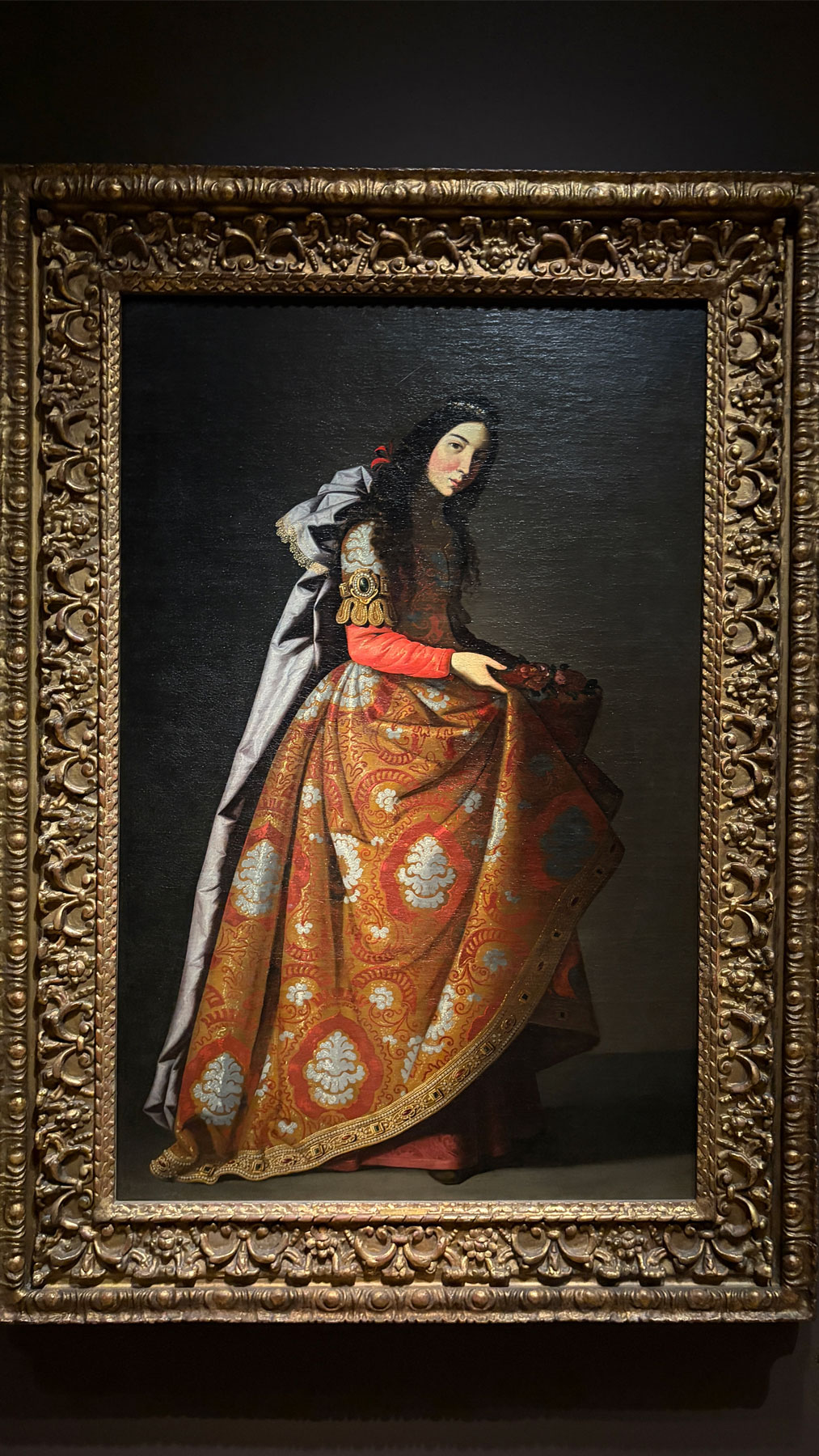

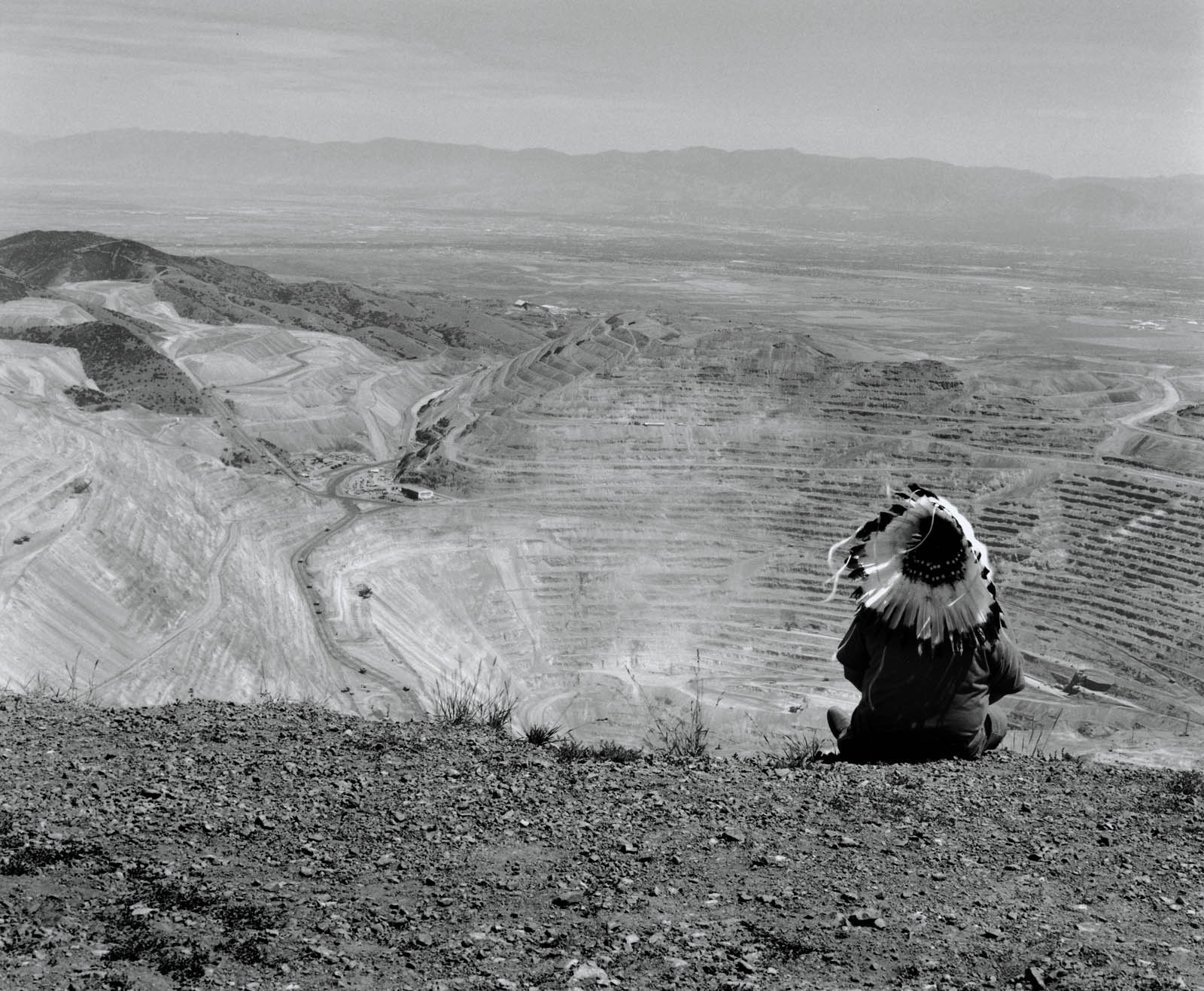
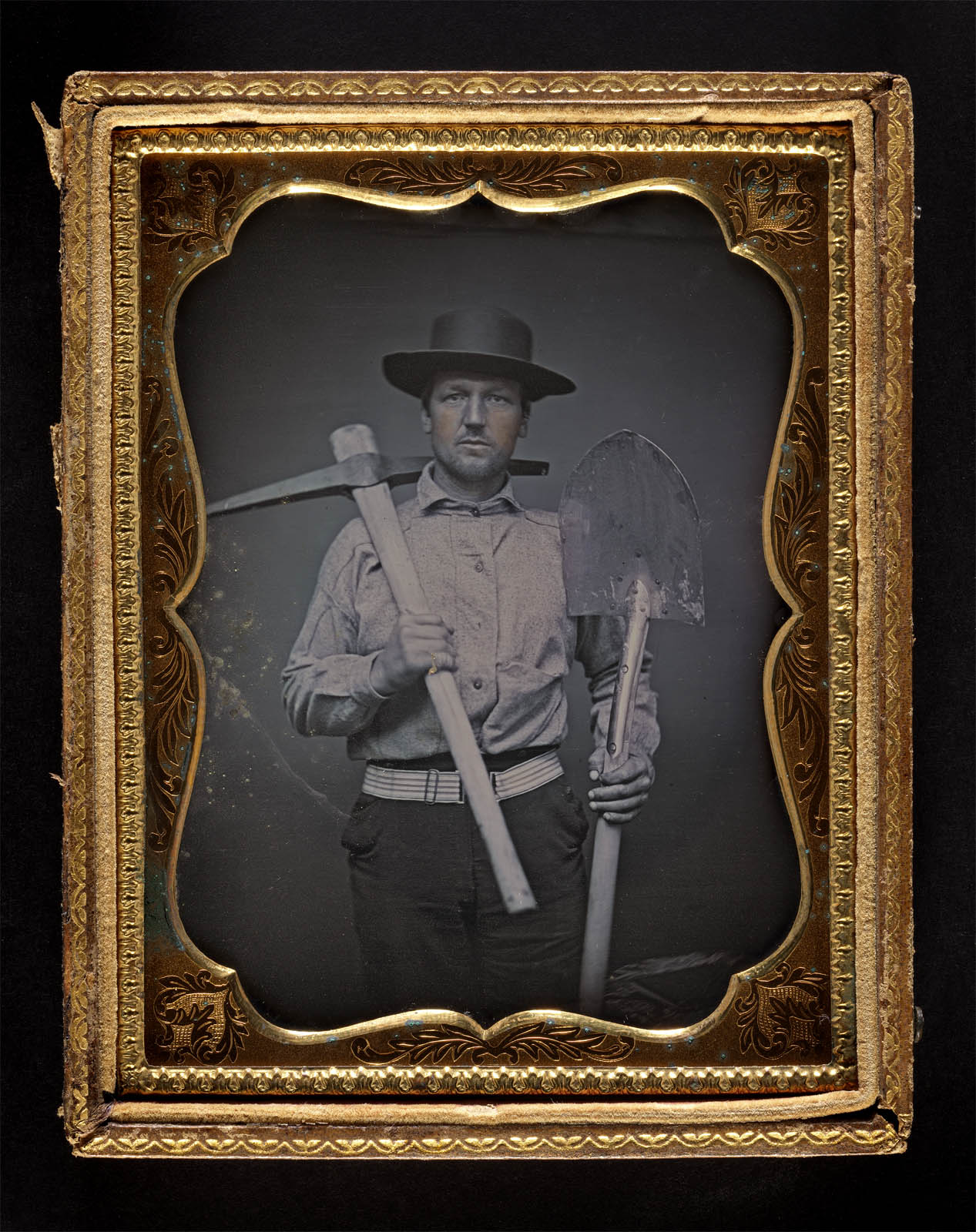
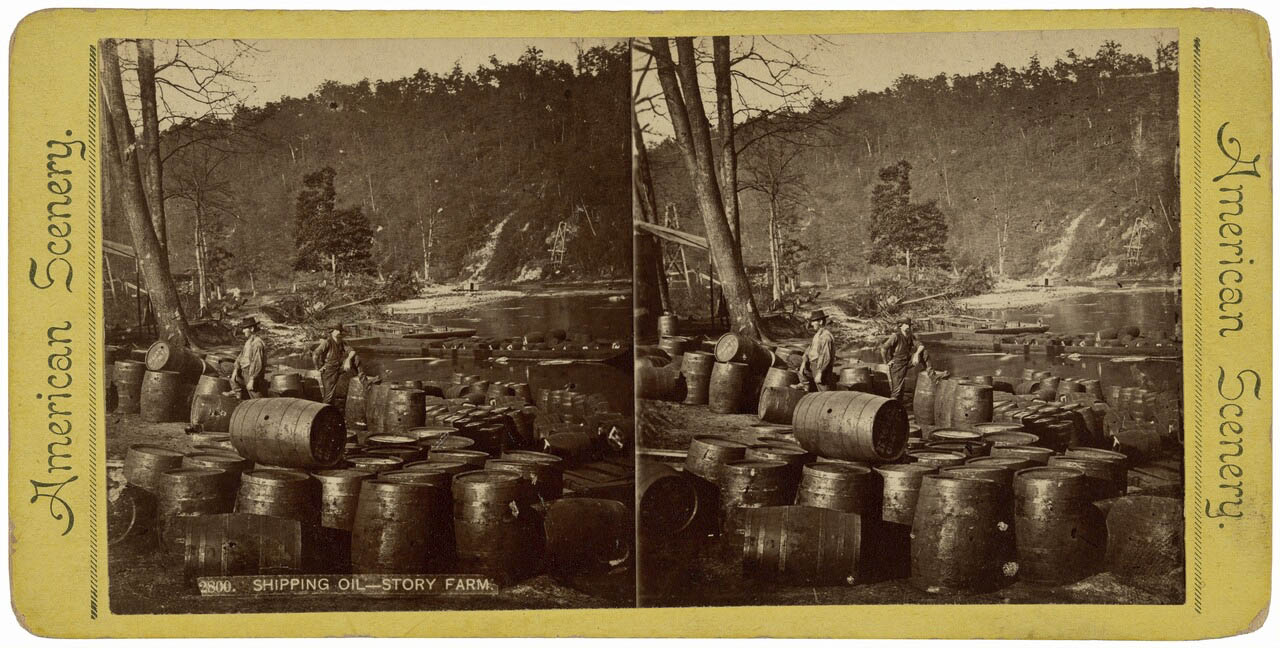
![B.F. Childs (American, 1841-1921) 'New York, Iron Mine [Michigan]' c. 1871-1876](https://artblart.com/wp-content/uploads/2026/07/b.f.-childs-new-york-iron-mine-michigan-c.-1871-1876.jpg "B.F. Childs (American, 1841-1921) 'New York, Iron Mine [Michigan]' c. 1871-1876")
![Carleton E. Watkins (American, 1829-1916) 'Malakoff Diggins, North Bloomfield, Nevada County [California]' 1871](https://artblart.com/wp-content/uploads/2026/07/carleton-e.-watkins-malakoff-diggins.jpg "Carleton E. Watkins (American, 1829-1916) 'Malakoff Diggins, North Bloomfield, Nevada County [California]' 1871")

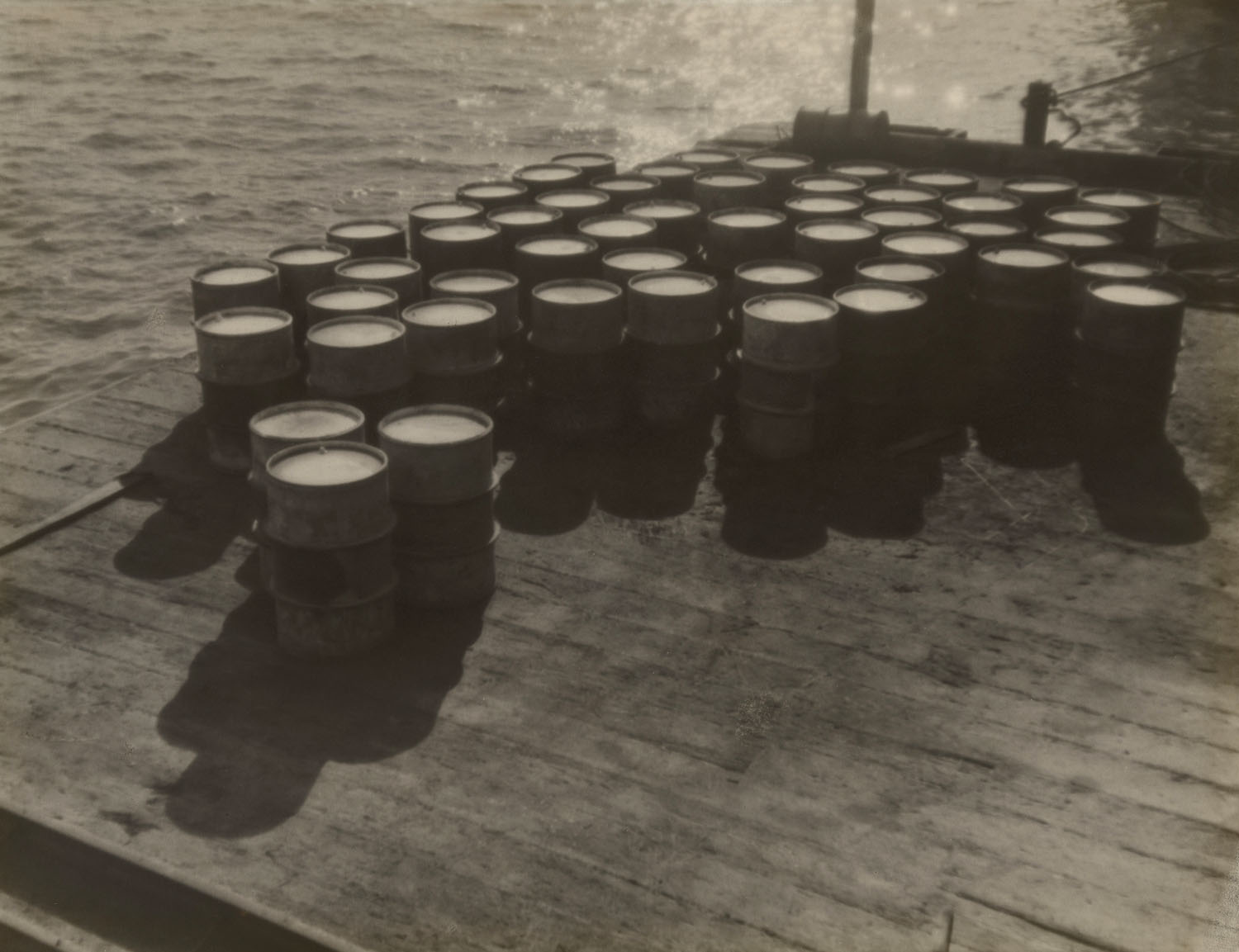
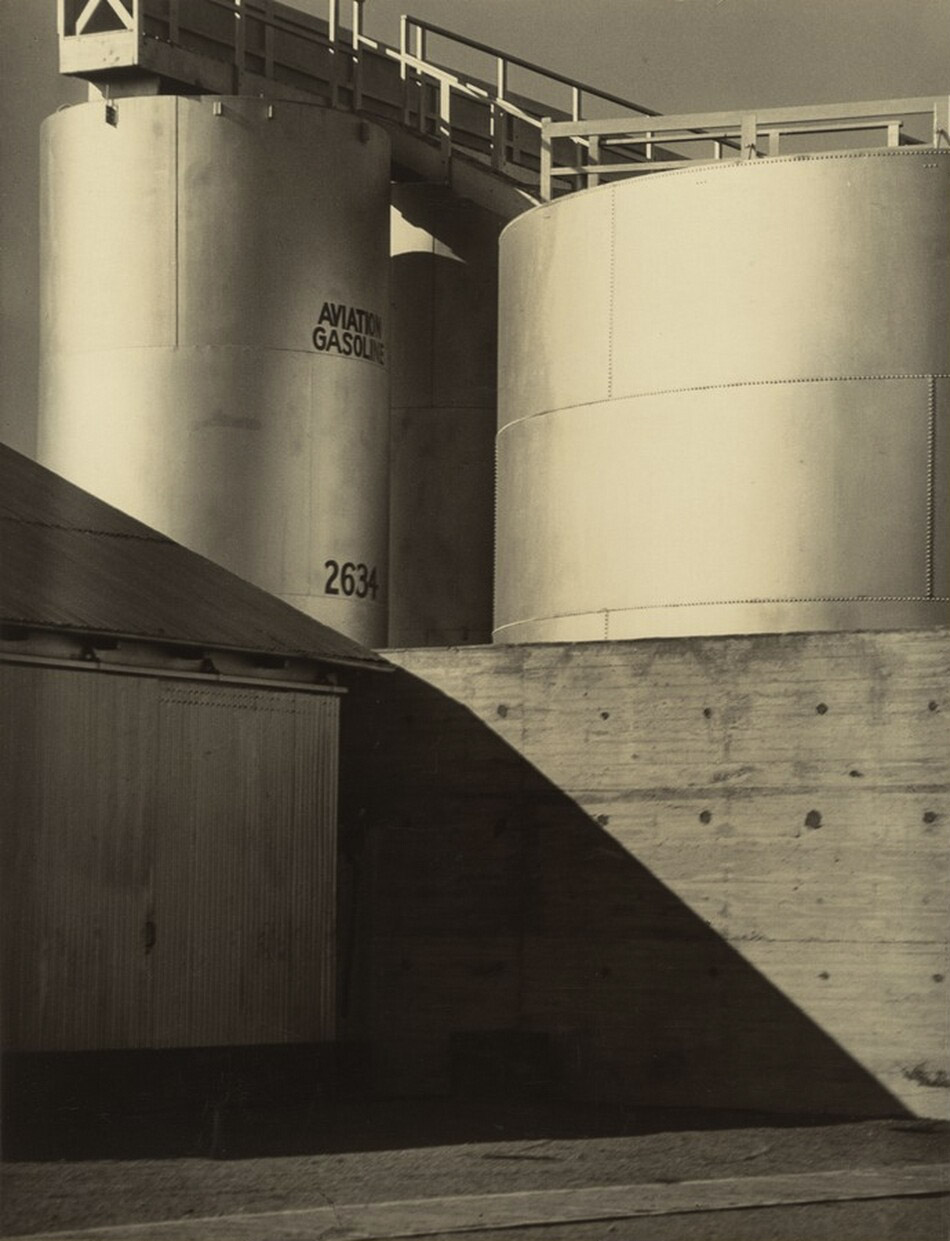
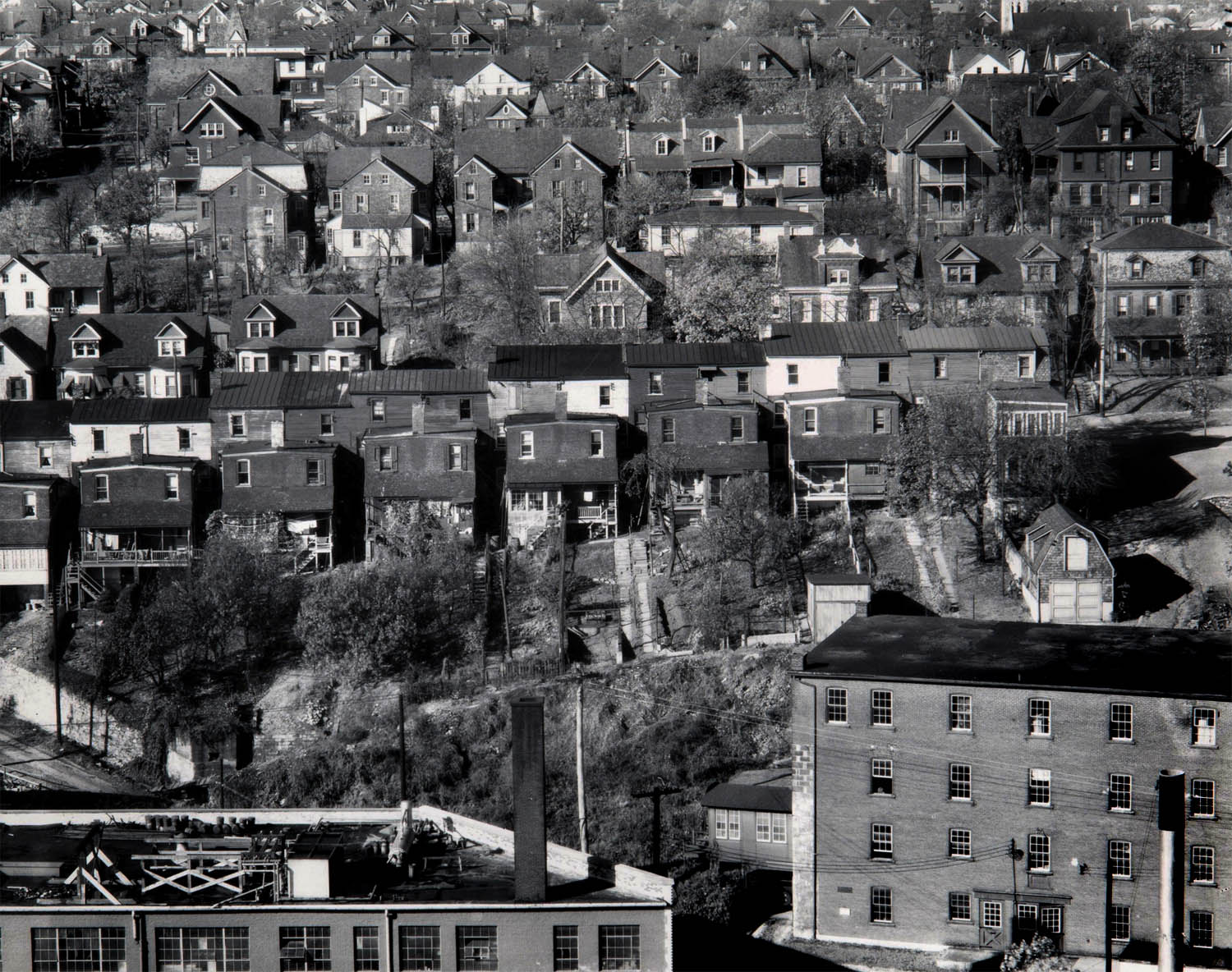
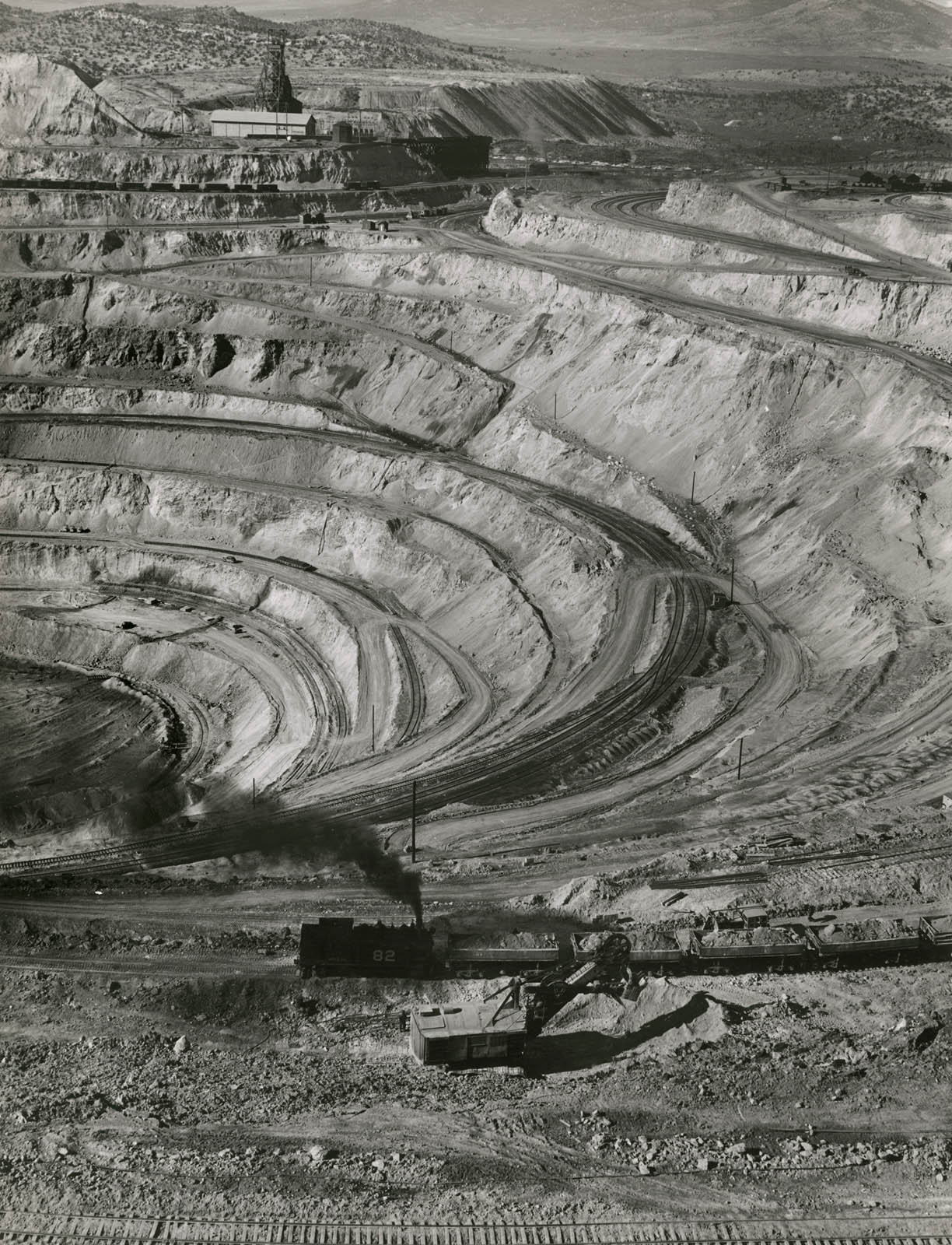
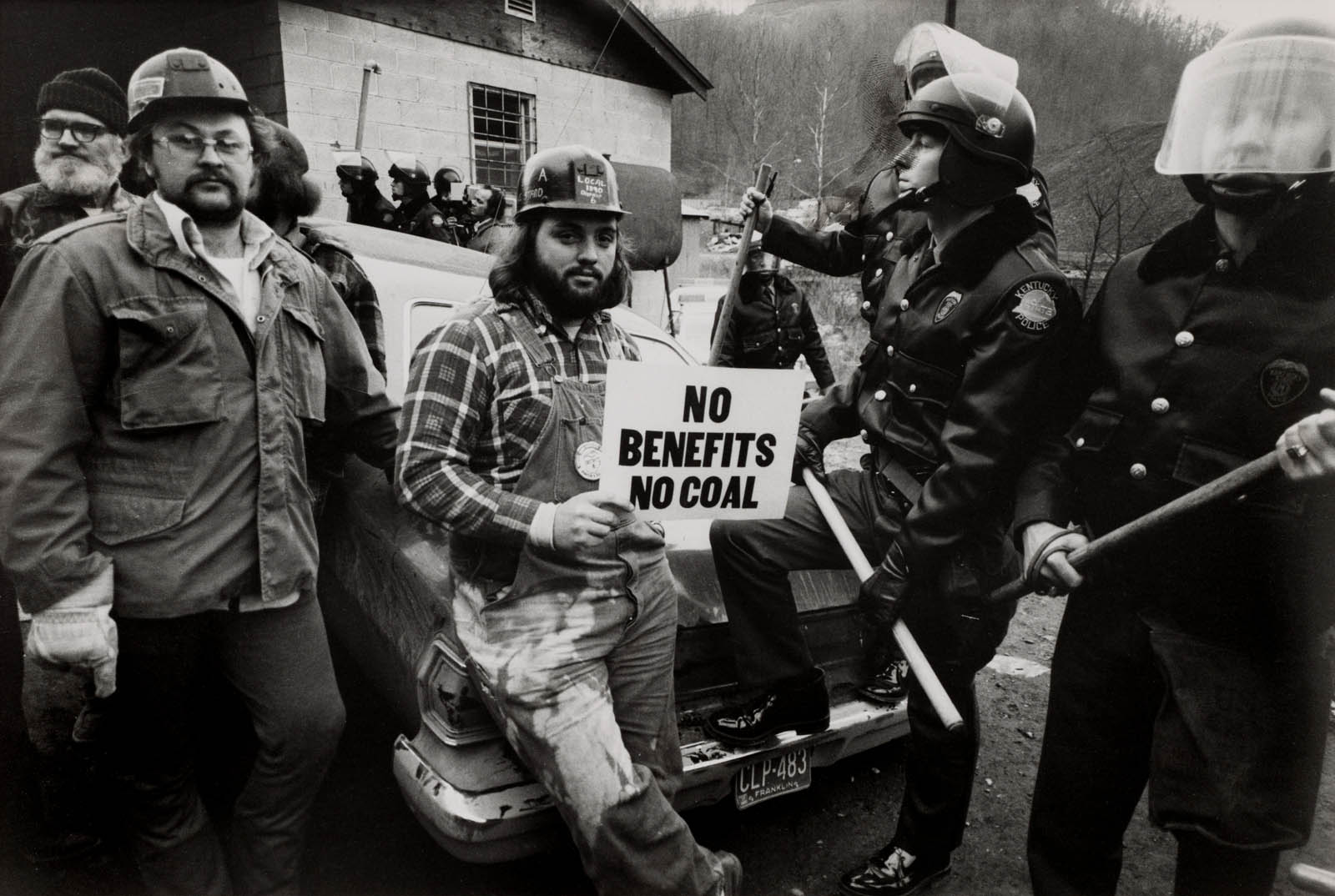
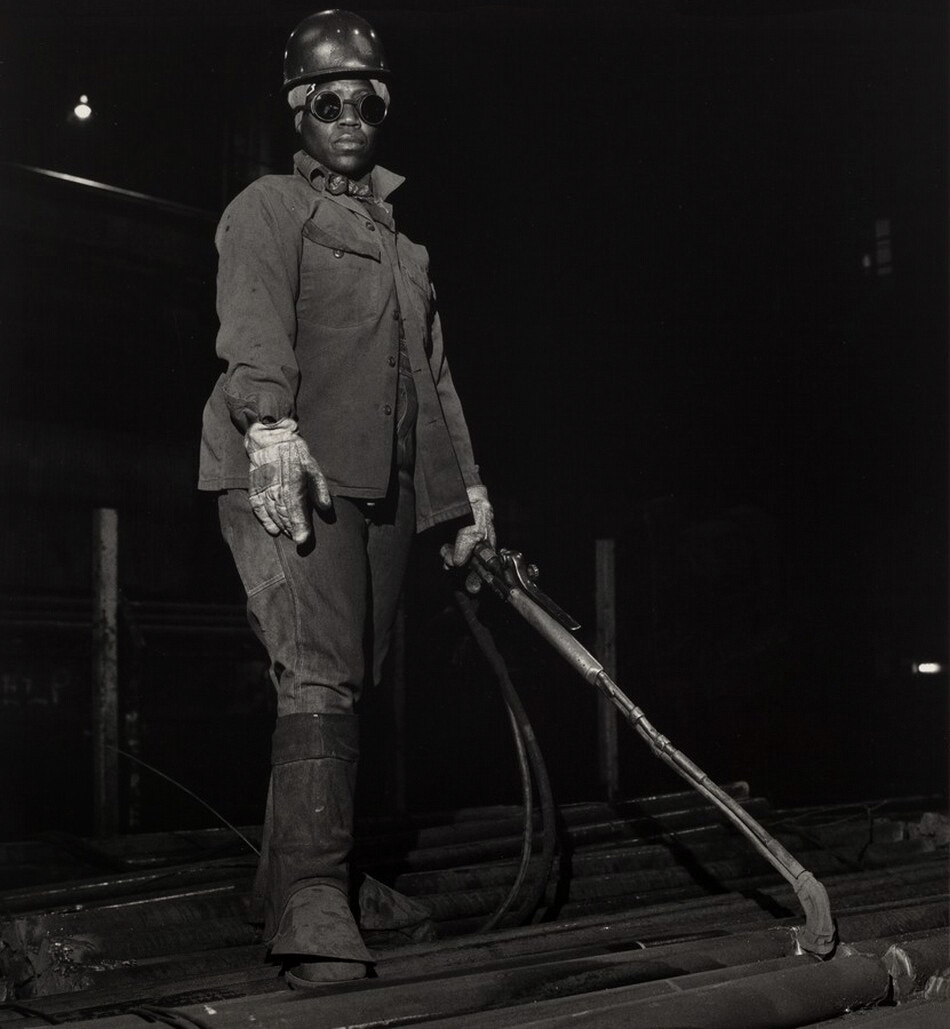
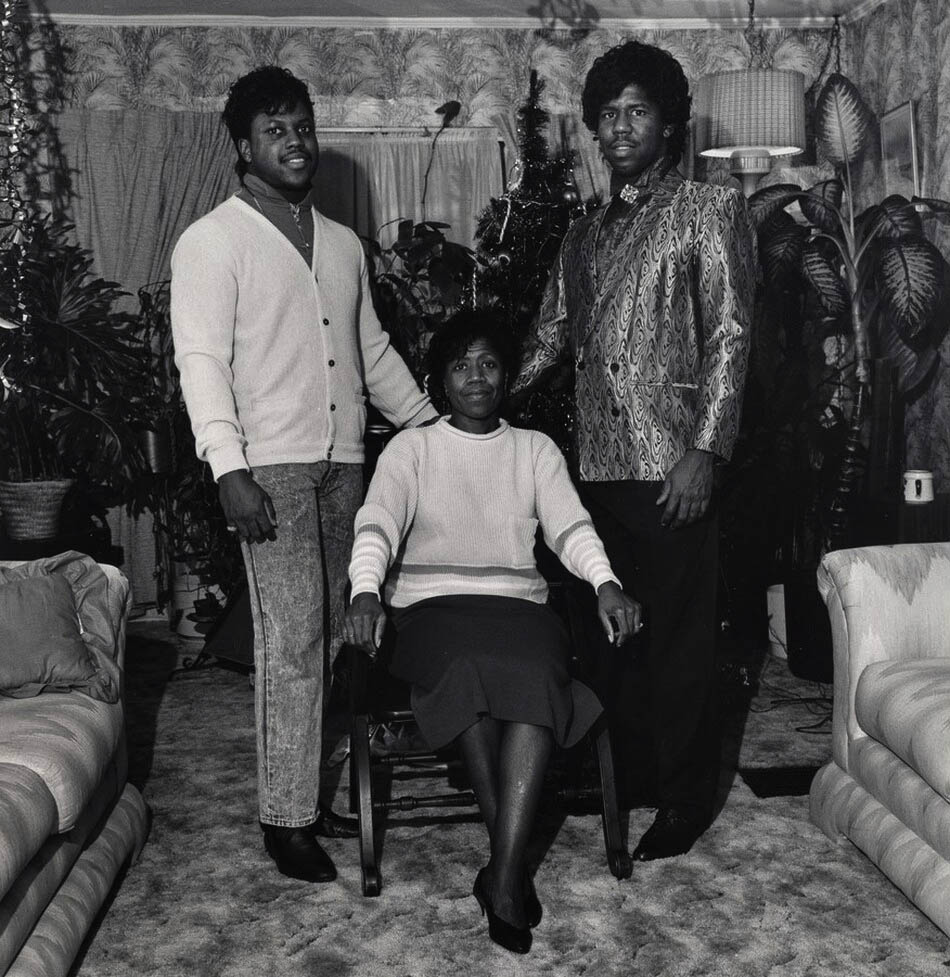
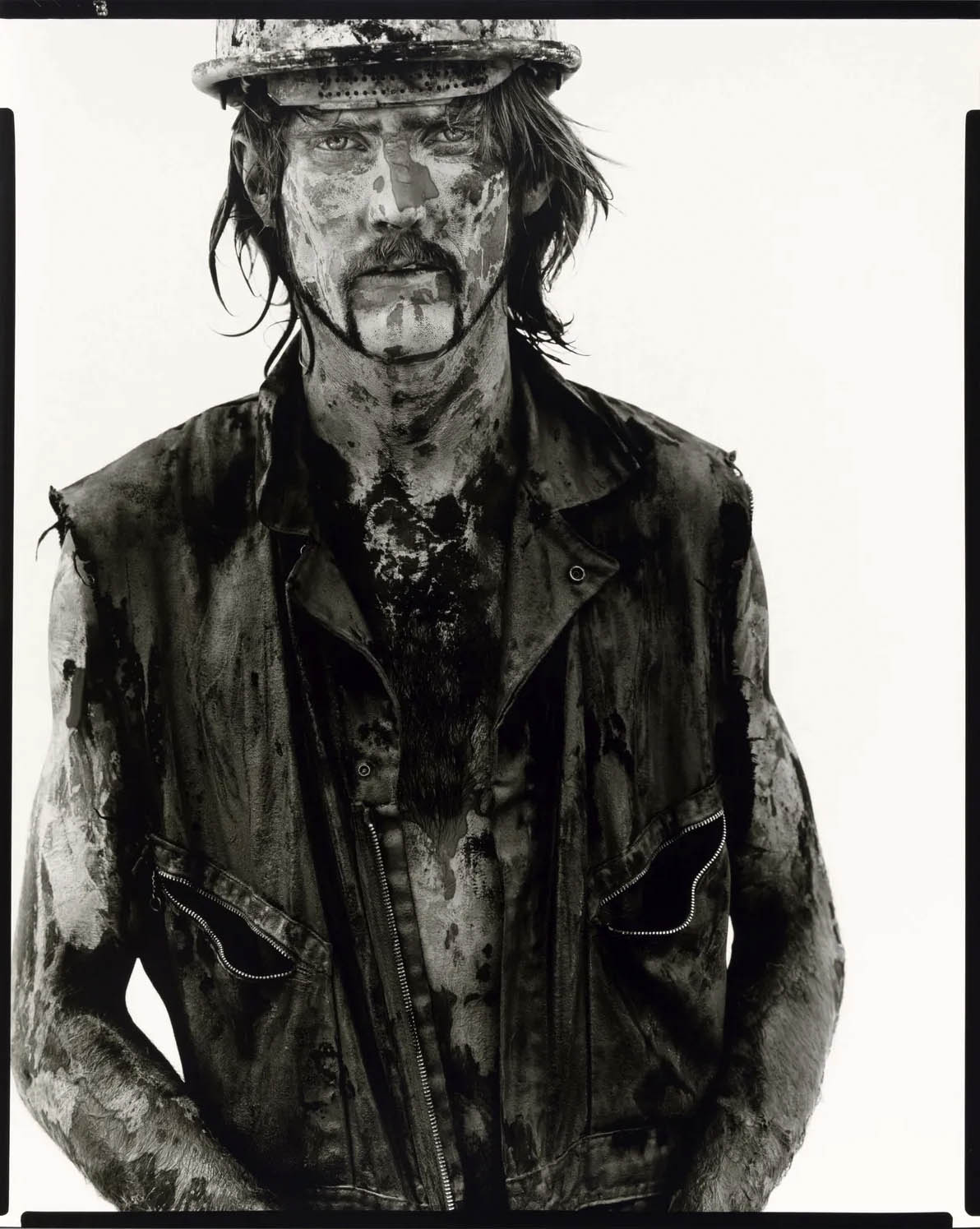






You must be logged in to post a comment.